
Pin It

Viral TikTok Pickle de Gallo

Viral TikTok Pickle de Gallo
Jump to Recipe
Prep 10 min Cook 0 min (no-cook) Serves 12
Quick answer: Finely dice 2 cups of dill pickles into ¼-inch pieces and press dry on paper towels. Dice ½ cup sweet onion, 1 red bell pepper, and 1 seeded jalapeño to the same size. Mince 2 garlic cloves. Combine everything in a bowl with ¼ cup reserved pickle brine, 2 tablespoons fresh cilantro (optional), and up to ½ teaspoon kosher salt — taste before adding salt since pickles are already salty. Rest in the refrigerator for at least 15 minutes. Serve with tortilla chips, on tacos, or as a relish on burgers. Keeps refrigerated in an airtight container for up to 2 weeks.

Shop the tools

Gear matched to this recipe. These are Amazon affiliate links — we may earn a small commission if you buy, at no extra cost to you.

As an Amazon Associate, Copycat Spices earns from qualifying purchases. Product images are generic illustrations, not the exact item listed.

Viral TikTok Pickle de Gallo

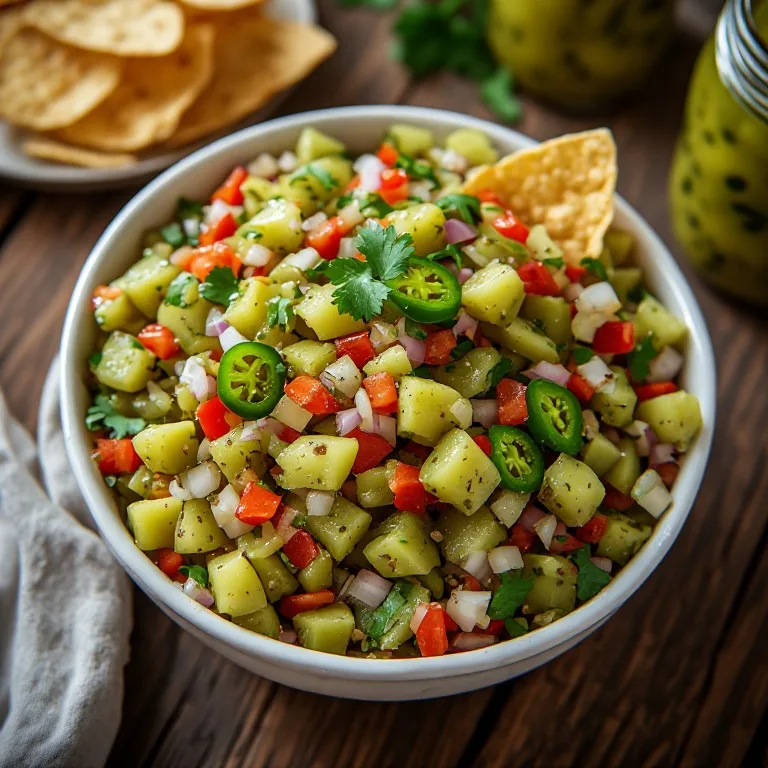
The viral TikTok pickle de gallo recipe: finely diced dill pickles, sweet onion, red bell pepper, jalapeño, garlic, and pickle brine — the briny, crunchy pico de gallo you make with pickles instead of tomatoes. Ready in 10 minutes, keeps for two weeks.

Easy Prep: 10 min Cook: 0 min (no-cook) Total: 10 min12 servings ~$3.15/serving
Prep10 min
Cook0 min (no-cook)
Total10 min
Servings
12
At home~$3.15/serving
vs
Restaurant~$14.17/serving
You save ~78%

The Story Behind the Recipe

Pico de gallo has been a staple on Mexican tables for centuries — fresh tomatoes, white onion, jalapeño, cilantro, and lime, chopped fine and served raw. Pickle de gallo is the TikTok-era remix that swaps the tomatoes for finely diced dill pickles and replaces the lime with pickle brine. The dish went viral in 2024 under creator Ashley McCrary (@healthylittlepeach), part of a broader TikTok pickle obsession that had already produced chamoy pickles, dill pickle pizza, and Grillo's pickle dip. The name works as both a pun and an instant explanation — anyone who hears "pickle de gallo" immediately understands what they're getting, which is exactly the format TikTok food content rewards: a single punchy concept that needs no more than three seconds to sell.

The technique is simpler than traditional pico in one way and more demanding in another. Simpler: there are no tomatoes to seed and drain, no citrus to juice, and the brine handles the bright acidity entirely. More demanding: pickle size matters. Too coarse and the gallo reads as relish; too fine and it loses the satisfying crunch that sets it apart from a smooth dip. The sweet spot is ¼-inch pieces — small enough that every chip or taco gets pickle in every bite, large enough to feel distinctly like a fresh salsa. A sharp knife and 5 minutes of deliberate chopping is the only technique this recipe requires.

Nutrition Facts

Per serving (12 servings)
Calories15
Total Fat0g
Total Carbs3g
Dietary Fiber1g
Sugars1g
Protein0g
Sodium300mg

* Estimated values based on standard recipe preparation. Actual values may vary.

Ingredients

Instructions

💡
Pro tip: This recipe tastes even better the next day. The flavors need time to meld together in the fridge.
❄️
Storage: Keeps in an airtight container in the fridge for up to 2 weeks. Freezer-friendly for up to 3 months.
🎃 Free Halloween cookbook — download now The Copycat Halloween Cookbook A ready-made, photo-illustrated PDF of our best halloween copycat recipes — free to download, no building required. Pay what you want to support if you love it.

Free PDF — instant download. We'll also send new seasonal copycat recipes now and then; unsubscribe anytime. Or just download it →

Viral TikTok Pickle de Gallo

Prep: 10 min active | No-cook | Serves: 12 | Keeps 2 weeks refrigerated

Pickle de gallo is pico de gallo made with dill pickles instead of tomatoes. Same structure — finely diced, dressed in an acidic liquid, mixed with onion and jalapeño — but the flavor is bolder, briner, and the texture holds for days instead of hours.

It went viral on TikTok because the concept is immediately clear from the name alone, and because pickle lovers will try anything pickle-flavored. It stays viral because it actually delivers: the crunch of fresh pico with the depth of a cured pickle, ready in under 10 minutes and better the next day.

What Went Viral and Why

Pickle de gallo was popularized on TikTok by food creator Ashley McCrary (@healthylittlepeach) in mid-2024. The video spread because the concept is self-explaining — “pico de gallo but with pickles” needs zero context — and because the TikTok pickle moment had been building for years before that. By the time pickle de gallo arrived, viewers were already primed for dill pickle pizza, chamoy pickle kits, Grillo’s pickle dip, and ranch pickles. This was the natural next variation.

What kept the recipe alive beyond the initial viral moment: it’s genuinely better than fresh pico for certain uses. Fish tacos in particular — the brine cuts through fried or grilled fish better than acid-forward tomato salsa. Potato salad mixed with two tablespoons of pickle de gallo gets an entire flavor upgrade without adding separate pickles and vinegar. Burgers get a condiment that’s more structured and flavorful than standard relish.

The One Technique That Matters

The only thing that separates a good pickle de gallo from a soupy one is pressing the diced pickles dry.

Pickles are mostly water. Chopping them releases even more liquid. Drop wet pickle pieces directly into a bowl with brine, onion, and pepper, and within 20 minutes the mixture turns loose and the chips start going limp from the inside.

The fix:

  1. Dice the pickles into ¼-inch pieces.
  2. Spread them on two layers of paper towels.
  3. Press firmly with another layer of paper towels on top.
  4. Let them sit for 2 minutes, then press again.

That’s it. Dry pickles mean a thick, scoop-able salsa that holds its texture for hours on a party table.

Getting the Dice Right

Pickle de gallo reads wrong if the pieces are uneven. If the pickle chunks are ¼ inch and the onion dice is ½ inch, you’re eating a chunky relish, not a salsa. Match everything to the same size.

Target size: ¼ inch on every ingredient. At this size:

  • Every chip scoop gets pickle, onion, pepper, and jalapeño in every bite.
  • The gallo has a salsa-like flow rather than a chunky relish texture.
  • The flavors integrate evenly rather than having bites that are “just onion” or “just pepper.”

For pickle spears specifically: cut each spear in half lengthwise first, then dice crosswise. That gets you to ¼ inch much faster than trying to dice a round spear directly.

Brine Is the Secret

The ¼ cup of reserved pickle brine does the same job lime juice does in traditional pico — it provides the acid that makes everything brighter. But brine also adds salt, garlic aromatics, and dill flavor in a way lime juice can’t.

Use the brine from the same jar as your pickles. Don’t skip it and substitute vinegar instead — vinegar is sharp and one-dimensional. The brine is rounded, aromatic, and specifically tastes like the pickle you’re using.

The amount to add is ¼ cup for a batch made from 2 cups of pickles. That’s enough to season the gallo without making it pooling-liquid-in-the-bowl wet. If you want it saucier (good for drizzling over grain bowls), go up to ⅓ cup.

What to Serve It With

Best uses:

  • Tortilla chips (sturdy enough to scoop; the brine doesn’t break them the way it would a thin potato chip)
  • Fish tacos — the brine cuts through fried fish better than tomato salsa
  • Pork carnitas tacos — the dill-forward flavor is unexpectedly good against slow-cooked pork
  • On burgers or hot dogs instead of relish — more texture, more complexity
  • Stirred into potato salad (2–3 tablespoons replaces both pickles and the vinegar in the dressing)
  • On a charcuterie board or cheese plate alongside sharp cheddar and crackers
  • As a quick chicken marinade — 2 tablespoons gallo + 2 tablespoons extra brine + 30 minutes = bright, tangy grilled chicken

Not ideal for: anything where liquid is a problem (like layered nachos, where the brine would seep down through the chips). For nachos, drain the gallo through a strainer before using it as a topping.

Variations

Spicier: Leave the jalapeño seeds in, add a second jalapeño, or substitute a serrano for sharper, cleaner heat.

More herby: Double the cilantro, add 1 tablespoon of finely chopped fresh dill alongside the cilantro, or stir in a teaspoon of dried dill weed.

Sweeter: Swap the red bell pepper for ¼ cup finely diced sweet corn (from a cob or can, drained) — the sweetness balances the brine and adds a textural contrast.

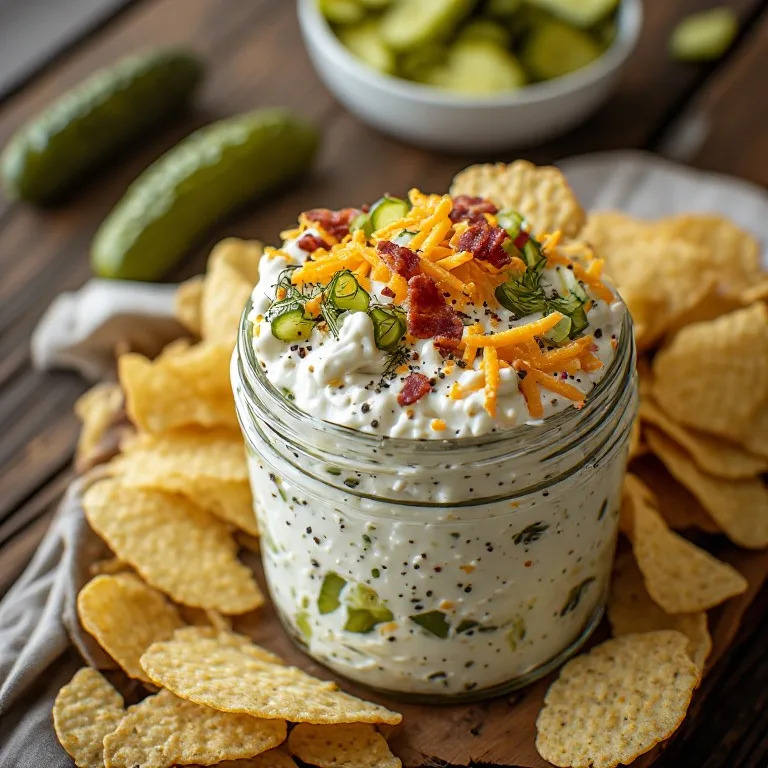
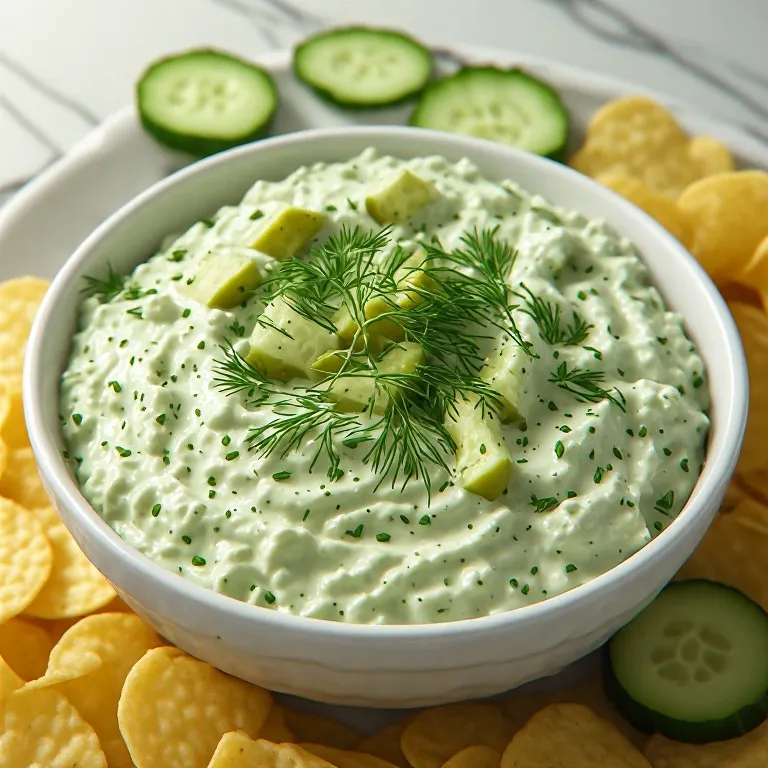
Cream cheese dip version: Fold 3 tablespoons of pickle de gallo into 4 oz of softened cream cheese, spread on a plate, and top with the remaining gallo. Serve with crackers. This is the party version — richer, spreadable, and significantly more addictive than plain pickle dip.
🥗

Make It Healthier

Love Viral TikTok Pickle de Gallo but want a lighter version? Try these simple swaps:

  • ✓The sodium is high from the pickles and brine — rinse the diced pickles briefly under cold water before mixing to cut surface salt by 20–30% without affecting the crunch, then add brine gradually, tasting as you go rather than pouring in the full ¼ cup at once.
  • ✓Substitute 1 tablespoon apple cider vinegar + ¼ teaspoon garlic powder for the pickle brine to get similar tang with significantly less sodium — works well if you're salt-sensitive.
  • ✓For a naturally fermented, probiotic-friendly version, use Bubbies or another live-culture naturally fermented dill pickle (no vinegar in the brine). These pickles are rich in Lactobacillus cultures and the brine is notably less acidic than vinegar-preserved varieties.
  • ✓Red bell pepper is doing real nutritional work here (vitamin C, fiber, natural sweetness) — double the bell pepper and halve the pickle quantity for a lighter, lower-sodium take that still has strong pickle flavor.

Frequently Asked Questions

What's the difference between pickle de gallo and regular pico de gallo?

Pico de gallo uses fresh tomatoes as the base — acidic, juicy, and soft, with a short shelf life (it turns watery after a day). Pickle de gallo uses diced dill pickles: crunchy, briny, salty, with a fermented depth that fresh tomatoes can't replicate. The pickle version is also significantly more shelf-stable — it keeps for up to two weeks in the refrigerator because the pickles are already cured, not raw produce. The flavor is bolder and more assertive; the texture holds through chips, tacos, and reheating without going soft.

What kind of pickles work best for pickle de gallo?

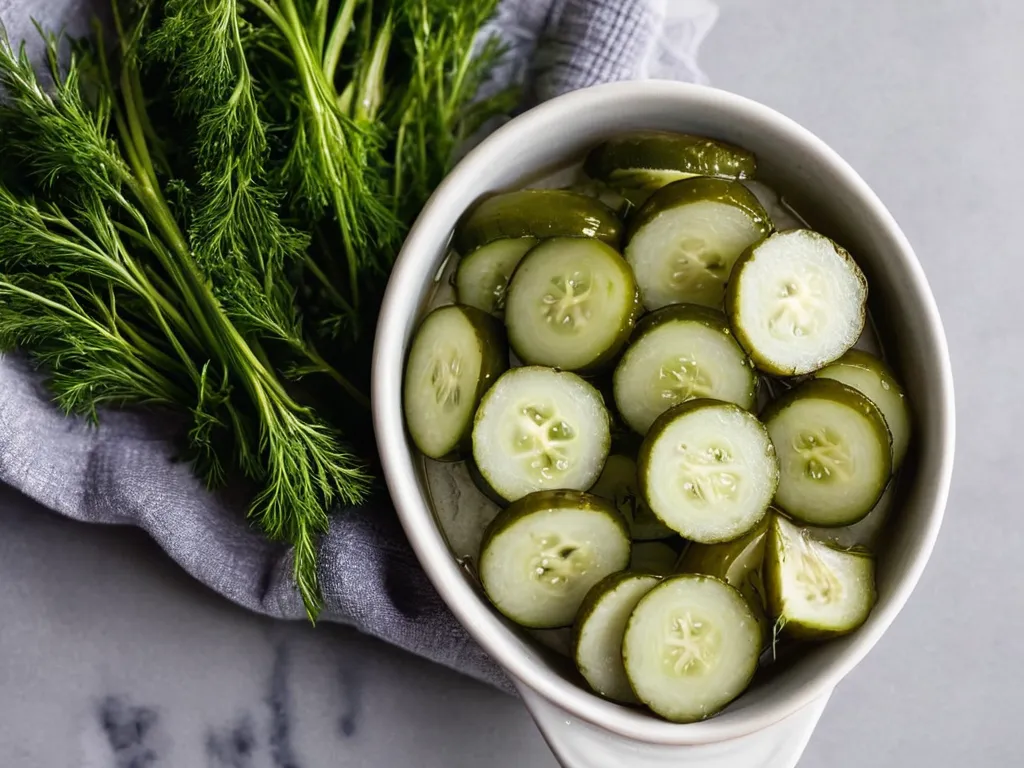
Garlic dill pickles — the garlic distributes through the gallo and does some of the flavoring work without you adding more. Refrigerated fresh-pack pickles (Grillo's, Claussen, Bubbies) have a cleaner, less vinegary flavor than shelf-stable grocery-aisle pickles, which is most noticeable in the brine you add. Both types work. Baby dills or stackers dice more consistently than spears; if using spears, halve them lengthwise first, then dice crosswise. Bread-and-butter pickles (sweet) don't work here — the sugar disrupts the savory balance and the result reads as sweet relish, not salsa.

Does pickle de gallo need cilantro?

No — it's optional and good either way. Without cilantro, the gallo is pure pickle-forward with a clean savory base. With cilantro, it bridges toward traditional pico de gallo and gains a herbaceous note that softens the brine intensity. If you dislike cilantro, substitute flat-leaf parsley (same 2 tablespoons) — you get fresh green flavor without the polarizing soapiness. The lime juice is also optional; it adds a small brightness that the pickle brine already partially provides.

What do you eat pickle de gallo with?

As a chip dip (tortilla chips, not potato chips — potato chips don't hold up to the liquid). On fish, pork, or beef tacos as a brine-forward salsa alternative. On burgers and hot dogs in place of relish — more texture and complexity. Stirred into potato salad for a built-in brine element. Alongside grilled chicken thighs or pork chops as a condiment. Mixed 2 tablespoons at a time into sour cream for an instant pickle cream sauce. Used as a relish on grain bowls or alongside fried fish. The brine content also makes it a quick 30-minute marinade for chicken before grilling.

Why is my pickle de gallo too salty?

Pickles and brine already carry high sodium — taste the mixture before adding any kosher salt, and many batches need none at all. If it's still too salty: add more diced red bell pepper and sweet onion, which dilutes the brine concentration naturally. A small amount of lime juice (1 teaspoon) cuts the perception of saltiness without adding other flavors. Rinsing the diced pickles briefly under cold water before mixing removes roughly 20–30% of the surface salt while leaving the internal cure and crunch completely intact.

Can I make pickle de gallo ahead of time?

Yes — it improves with time. Make it at least 30 minutes before serving and up to 4 days in advance. Unlike fresh pico, it doesn't degrade in the refrigerator: the pickles stay crisp, the brine integrates into the other vegetables, and the garlic mellows. Stir before serving. The only caveat: jalapeño heat fades over 3–4 days in the refrigerator, so add a fresh minced jalapeño on day 3 if you want the heat back.

What's the best pickle brand for pickle de gallo?

Any garlic dill pickle works. Among widely available brands: Grillo's and Claussen (both refrigerated fresh-pack) produce the cleanest flavor in the brine. Vlasic Kosher Dills and Mt. Olive Kosher Dills (shelf-stable) work well and are cheaper. Bubbies (naturally fermented, no vinegar) gives the most complex, lactic-acidic flavor but is harder to find. For the brine specifically, fresh-pack refrigerated brands are worth the upgrade — the brine is less sharp and more aromatic than vinegar-preserved brine.

Love this recipe? Share it!

Free PDF: our 12 most-wanted copycat recipes — instant download.

Made it? Buy us a coffee

Every recipe here is free, with no paywalls. If this one was a hit at your table, a small tip keeps new copycats coming.

$

Ratings & Reviews

—
No ratings yet

Rate this recipe

Click a star to rate

Leave a Review

0/500

CS

Copycat Spices Editorial

Researched + fact-checked. Every recipe on Copycat Spices is built from published sources — official ingredient lists, brand-published recipes, interviews and food-science references — and fact-checked before it goes live, then written as clear, step-by-step instructions for home cooks of all skill levels.

Learn more about our mission →