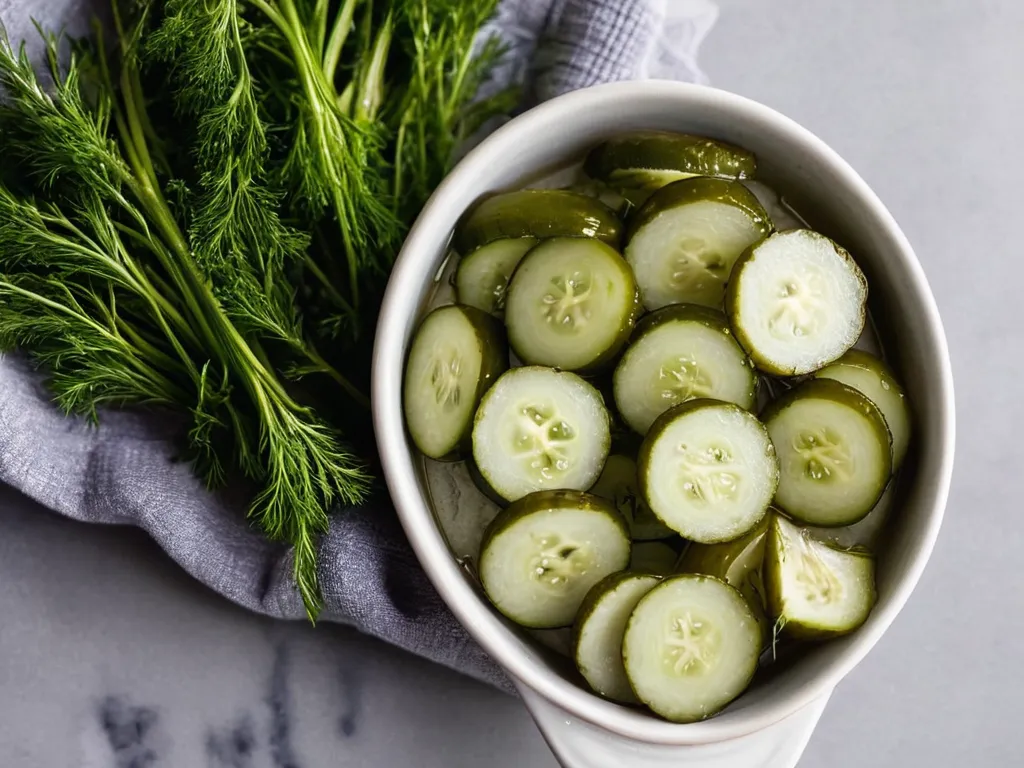
Viral TikTok Ranch Pickles: Why the Simplest Snack Is Also the Most Addictive
TL;DR: Coat dill pickle spears or thick chips in ranch seasoning powder, refrigerate overnight, eat cold. The flavor combination is not accidental — ranch seasoning and dill pickles share dill, garlic, and onion as base ingredients, so the ranch doubles down on and amplifies the pickle’s existing character instead of fighting it. The viral TikTok trend traces to creator Jen Curley (@snackqween), whose April 2021 post racked up millions of views — though the snack itself is rooted in a Southern and Midwestern tradition that predates TikTok by decades.
Ranch pickles are the snack that makes people feel slightly embarrassed about how fast the jar disappears.
Two ingredients. No cooking. Five minutes of prep (most of which is opening a jar and shaking a bag). And somehow the result is more addictive than either ingredient on its own — which is not an accident, as it turns out.
The Viral Story: @snackqween and a 30 Million View Snack
The ranch pickle trend traces back to Jen Curley, who goes by @snackqween on TikTok. Her original post — ranch powder shaken onto dill pickle slices — went up on April 22, 2021, and inspired hundreds of reaction videos. The hashtag #ranchpickles accumulated more than 30 million views, and within weeks the trend had cleared TikTok and landed in mainstream food media (Taste of Home, PureWow, Mashed, Elite Daily), with coverage continuing into 2022.
The spread was fast because the barrier to entry is essentially zero. You watch a video. You have pickles and a ranch packet in the fridge. You try it in four minutes. It’s good. You make it again. That’s the whole cycle.
The combination also isn’t new — ranch-seasoned pickles have appeared at county fairs, church potlucks, and barbeques across the American South and Midwest for decades, long before TikTok. What @snackqween did was find the format — the bag-shake method — that made it instantly replicable on camera. The trend traveled the way genuinely good food always does: people watched, spent five minutes making it, and couldn’t stop eating it long enough to feel embarrassed about doubting it.
Why Ranch and Pickles Work Together
The flavor combination works, and understanding why helps you make it better.
A standard dill pickle’s flavor comes from: vinegar (acidity), salt (brine), dill (herbaceous and slightly floral), and garlic (usually present in most kosher dill recipes). Those four elements together make a pickle taste like a pickle.
Now look at what’s inside a Hidden Valley Original Ranch seasoning packet: buttermilk powder, dried dill, dried parsley, garlic powder, onion powder, dried chives, salt, and a few stabilizers.
Notice what’s in both: dill, garlic, salt. The ranch doesn’t clash with the pickle — it reinforces it, adding a buttermilk-powder richness and herby depth on top of the flavors that are already there. The result is a pickle that tastes like a more intense, more complex version of itself: the dill is doubled, the garlic is amplified, and the buttermilk powder adds a faint creamy note that fills in the edges of the acidic brine.
The red pepper flakes that appear in most popular versions add a fourth flavor dimension — heat — that creates a craving loop. Vinegar + crunch + herb + heat is a combination that specifically triggers appetite rather than satisfaction. That’s why the jar disappears.
Picking the Right Pickle
Not all pickles perform equally here. Three factors matter:
1. Dill, not bread-and-butter. Bread-and-butter pickles are sweetened, which clashes with ranch powder. You want the sharp, vinegary, savory character of a dill pickle — kosher dill specifically, which tends to have garlic in the brine rather than sweeter spices.
2. Cold-case vs. shelf-stable. Claussen Kosher Dills — found in the refrigerated deli or dairy section, not the condiment aisle — are crunchier than shelf-stable pickles. The reason: Claussen pickles are processed cold and not heat-pasteurized. Most shelf-stable pickles go through a pasteurization step that heats them to kill bacteria. That heat softens the pectin in the pickle’s cell walls, which is what makes them slightly softer after you open the jar. Cold-processed pickles skip that heat step, so their pectin is intact, and they stay firmer. For ranch pickles specifically — where you’re marinating them and eating them as a cold snack where texture is part of the appeal — that extra crunch matters. Nathan’s Famous and Gedney (Midwest) are other good cold-case options. Vlasic Kosher Dills are the best widely-available shelf-stable option.
3. Whole pickles, not pickle chips. Buy whole pickles and cut them yourself. Pre-sliced pickle chips are thinner and marinate faster, but they go limp more easily overnight. Thick-cut rounds or spears (quarter the pickle lengthwise) are sturdier and hold their crunch better after 12 hours in seasoning. If you want to speed up marination and don’t mind a softer texture, chips work — they’re done in 30–45 minutes rather than overnight.
The Method: Dry Coat vs. Brine Hydration
There are two main approaches to ranch pickles:
Dry coat method: Put the sliced pickles in a zip-lock bag, dump in the ranch powder (and any add-ins), and shake. No liquid added. The powder sticks to the damp surface of the pickle. Result: a more concentrated, visible coating on the outside of each piece. Better for chips or spears where you want that powdery exterior texture.
Brine hydration method: Same steps, but add 2 tablespoons of the reserved pickle brine before sealing the bag. The brine hydrates the dry powder into a thin, even slurry that coats more uniformly and penetrates the pickle during marination. Result: more integrated flavor after overnight rest, less visible coating on the surface. Better if you’re marinating overnight and want ranch flavor all the way through.
The brine method is recommended here for overnight marination — the added liquid helps the seasoning spread more evenly. For a quick 1-hour snack where you want that visible ranch coating, dry coat is fine.
Marination Time: The Overnight Rule
One hour gives you a surface coating. It works. But overnight is categorically better, and here’s why it matters technically: the seasoning components in ranch powder are a mix of water-soluble compounds (salt, garlic allicin) and oil-soluble ones (dried herb aromatics, buttermilk fat-soluble compounds). Osmosis moves the salt and water-soluble flavors into the pickle fairly quickly. The aromatic, fat-soluble compounds take longer — they need extended contact time and the slight warmth of refrigerator temperature to migrate into the pickle’s cell structure.
After overnight marination, you get ranch flavor not just on the surface but integrated into every bite. The pickle and the seasoning stop tasting like separate things. They taste like ranch pickles.
Timing guide:
- 30–45 min: Quick version with pickle chips (minimal penetration, surface only)
- 1–2 hours: Good for spears if you’re serving at a party later that day
- 8–12 hours (overnight): The recommended standard — full flavor integration
- 24–48 hours: Peak intensity, especially for spears; they just get better
- Beyond 3 days: Still good but noticeably saltier as the seasoning redistributes
Variations Worth Trying
The base recipe is a platform. These are the variations that have their own followings:
Spicy ranch pickles: Double the red pepper flakes (1–1.5 teaspoons), or substitute cayenne for a cleaner heat, or slice 1 fresh jalapeño into the bag for a more vegetal spicy note. The spicier you go, the more important the buttermilk powder in the ranch becomes — it functions as a buffer between the acidity and the heat, which is why spicy ranch pickles are so easy to keep eating.
Tajin ranch pickles: Swap red pepper flakes for 1.5 teaspoons of Tajin Clasico seasoning. Tajin adds chili-lime-salt (it’s dried chili peppers, dehydrated lime juice, and sea salt) — you get heat, citrus brightness, and an earthier chili character instead of the pure pepper heat of red flakes. This variation is especially good with pickle chips on a charcuterie board.
Garlic bomb ranch pickles: Add 2 teaspoons of garlic powder (on top of the garlic already in the ranch packet) plus 2–3 thinly sliced fresh garlic cloves to the bag. The combination of dried and fresh garlic gives you both rounded cooked-garlic depth and sharp fresh-garlic punch. Let these marinate at least 12 hours — fresh garlic needs more time to settle.
Dill-forward ranch pickles: For dill lovers specifically — add 1 tablespoon of fresh chopped dill or 1.5 teaspoons of dried dill to the bag. Also works well with a teaspoon of dill seed (more herbal, slightly more bitter than dried dill leaf). This version leans hardest into the existing pickle character.
Cream cheese ranch pickles: Roll a pickle spear in softened cream cheese, then coat the cream cheese exterior in ranch powder. No marination needed — eat immediately. A completely different texture experience (creamy and rich versus crunchy), but the same flavor logic. These show up on party platters and are gone first.
Ranch pickle chips (dehydrated): Slice pickles into 1/4-inch rounds, coat in ranch powder, and dehydrate at 125°F for 6–8 hours in a food dehydrator or 170°F in an oven with the door propped open. The result is a crunchy, intense, shelf-stable snack that some people describe as better than traditional potato chips — concentrated pickle-ranch flavor in a lightweight, crackery chip.
Beyond the Snack: Other Ways to Use Ranch Pickles
Ranch pickles work in more contexts than just eating from the jar:
On a burger: Thick-cut ranch pickle chips on a smash burger or chicken sandwich are better than plain dill pickles — the ranch powder melts into the fats in the patty and condiments, blending into the overall sauce layer rather than sitting as a separate element.
Bloody Mary garnish: Two ranch pickle spears in a Bloody Mary alongside celery — the ranch-forward flavor is assertive enough to register even against the tomato juice and vodka. Also works as a pickle-back shot: drink the juice from a jar of ranch pickles straight (or as a chaser).
Cream cheese spread: Chop ranch pickles finely and fold them into softened cream cheese (about ½ cup of finely chopped pickles per 8 oz of cream cheese). Serve on crackers, bagels, or as a vegetable dip. The ranch is already in the pickle, so no separate ranch seasoning needed.
Charcuterie boards: Ranch pickle spears add the briny-tangy element that a good board needs, and the visible herb coating looks more interesting than plain pickles. They work well alongside cured meats, sharp cheeses, and neutral crackers.
Deli meat wraps: Wrap a whole ranch pickle spear in a slice of deli turkey, salami, or roast beef. The combination is low-carb, high-flavor, and works as a quick lunch component or appetizer. Some people add a thin spread of cream cheese inside the wrap before rolling.
The Sodium Question
Ranch pickles are extremely low in calories (10–20 per serving of 3–4 spears) and zero-sugar. The catch is sodium — dill pickles already run 200–300mg sodium per spear, and the ranch powder adds another 140–160mg per tablespoon. A full serving can land at 400–600mg sodium, which is 17–26% of the 2,300mg daily limit.
That’s not disqualifying for most people who aren’t on sodium-restricted diets, but it’s worth knowing. If you’re managing sodium: use low-sodium pickles (they exist — look for them from brands like Mt. Olive) and cut the ranch powder to 1 tablespoon per 32 oz jar.
For everyone else: ranch pickles are a genuinely low-calorie snack with no sugar, no refined carbs, and minimal fat. Their only real downside is the salt. Drink water alongside them.
Storage
Refrigerator: Up to 2 weeks in a sealed container. The flavor actually improves through the first 3–4 days as the seasoning penetrates further.
Freezer: Don’t. Freezing destroys the cell walls and the pickles become limp and waterlogged when thawed. Ranch pickles are a fridge snack only.
Making a big batch: The recipe scales up linearly — 2 tablespoons of ranch powder per 32 oz jar is the right ratio. If making for a party, prepare 2–3 jars and make different variations (one standard, one spicy, one Tajin) to give people options.
More Pickle Recipes Worth Making
- Copycat Raising Cane’s Sauce — creamy, peppery, garlic-forward dipping sauce that pairs perfectly alongside ranch pickles on a snack board.
- TikTok Baked Feta Pasta — another recipe where a simple combination produces results way out of proportion to the effort.
- Copycat Chick-fil-A Sauce — the dipping sauce that ranch pickle chips are particularly good with.
- Copycat Wingstop Ranch — homemade buttermilk ranch made from scratch instead of a packet, for anyone who wants to go further than the powder.