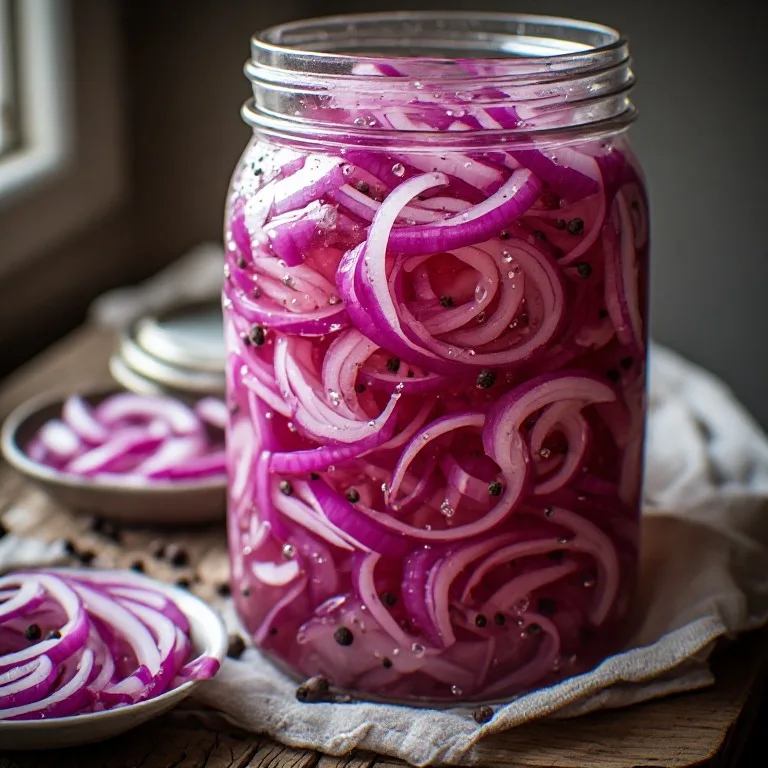
Nobody planned for pickled red onions to take over TikTok. They’re not a new invention — Mexican taquerias have served them for decades, and the French have been making quick-pickled vegetables since before Julia Child. But the videos hit differently: you watch raw purple onion slices dropped into brine and turn vivid candy-pink within 30 minutes, in real time, without any food coloring. The transformation is too visually satisfying not to share.
The result is a condiment that changes what home cooking is capable of — with no cooking involved.
Why the Color Shift Matters (and What It Tells You)
The pink-magenta color is not a gimmick — it’s proof that acidification is working. Red onions contain anthocyanins, plant pigments that shift wavelength based on pH. In the onion’s natural slightly-neutral environment, they appear bluish-red (the onion’s raw purple-red color). The moment they contact vinegar brine at pH 2.5–3.5, the same molecules re-absorb light at different wavelengths and appear bright pink.
This is practical information: if your pickled onions are not turning vivid pink within 30 minutes, your brine is either too dilute (too much water, not enough vinegar) or too cold (warm water acidifies faster). The color is a real-time indicator of the pickle’s progress.
The flavor follows the same curve as the color. At 30 minutes, the onions taste lightly pickled with some remaining raw bite. At 2 hours, noticeably milder. After overnight refrigeration, the raw onion harshness is almost completely gone — what’s left is bright, complex, and acidic in a way that makes you want to put it on everything.
The Vinegar Decision
Apple cider vinegar is the TikTok-standard choice, and it’s good. Its mild fruitiness complements onion without competing with it, and its 5–6% acidity acidifies the onions fast enough to use in 30 minutes.
But it’s not the only option, and the choice changes the final flavor:
- White wine vinegar — cleaner and more neutral than ACV; lets the onion flavor come forward with less vinegar character. The closest to what you’d get at a nice restaurant.
- Rice vinegar — the mildest option (4–5% acidity). Produces the gentlest, least aggressively pickled result. Needs a little longer to fully acidify — 45 minutes to 1 hour instead of 30. Excellent for topping delicate dishes like Japanese-style rice bowls.
- Red wine vinegar — adds depth and a subtle wine note. Good on Mediterranean dishes, grain bowls, and anything with olives or feta.
- Plain white vinegar — sharper and more aggressive than any of the above. Works, but produces a pickle that tastes more like a jar from the grocery store condiment aisle. Use half white vinegar and half water if you prefer this route.
Thin vs. Thick: Why Slice Thickness Is the One Technical Decision
The only technique variable that meaningfully changes the result is how thin you slice the onion.
Paper-thin (mandoline at 1/16 inch): Ready in 15 minutes. Texture is very soft and delicate after 24 hours — almost silky. Best for topping fish tacos, avocado toast, or anything delicate where you don’t want a strong crunch.
Standard thin (1/8 inch by knife): Ready in 30 minutes. Holds some texture even after 3 days in the fridge. The right choice for most applications — burgers, grain bowls, tacos.
Thicker (1/4 inch): Takes 2 hours to fully pickle through. Stays crunchy and substantial for a week — good for charcuterie boards or whenever you want a noticeably crunchy topping.
The direction of the cut also matters: cutting across the grain (into half-moons) produces slices that are easier to eat and absorb brine faster than cutting with the grain (lengthwise strips), which are stringy and tough even when fully pickled.
Add-Ins That Actually Work
The base recipe (vinegar, water, sugar, salt) is complete on its own. Add-ins should have a purpose:
- Red pepper flakes — adds background heat without dominating. Best for topping spicy food where you want heat layering.
- Whole black peppercorns — adds mild spice and visual interest. More subtle than flakes.
- Smashed garlic cloves — produces garlic-pickled onions that are spectacular on burgers and grain bowls. The garlic also pickles lightly alongside the onions (if you love the result, try a dedicated jar of quick pickled garlic).
- Bay leaf — adds a faint herbal quality. Good for a Mexican-style version.
- Dried oregano — specifically for topping tacos, burritos, and quesadillas.
- A whole dried chile (arbol or guajillo) — adds smoke and heat gradually over 24 hours. The chile softens and becomes edible.
Avoid: fresh herbs like cilantro or dill (they go slimy within days), citrus zest (fine for the first day, then off-flavor), or anything that would dilute the brine significantly.
What to Put Them On
The honest answer is: everything. But here’s the actual ranking by impact:
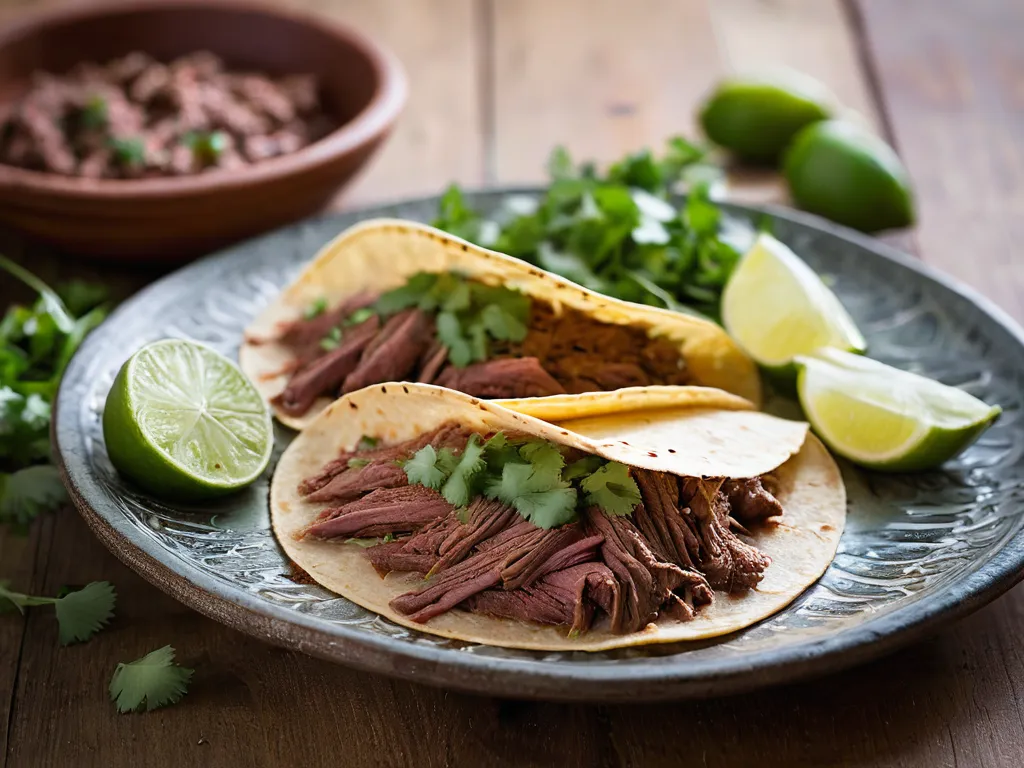
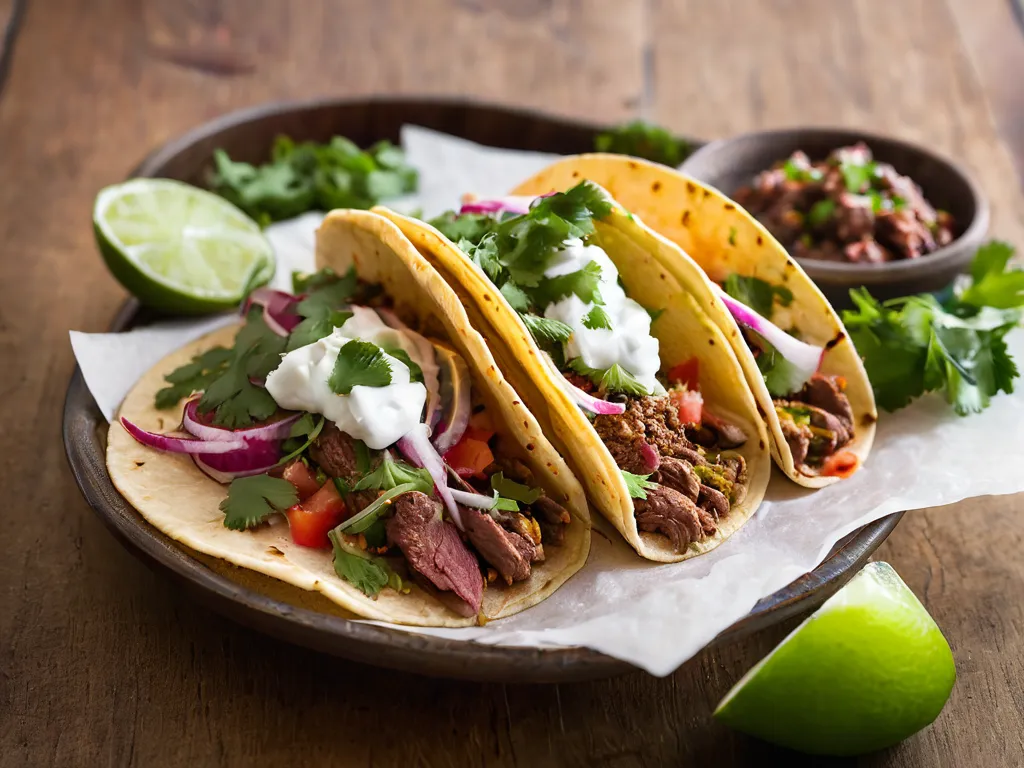
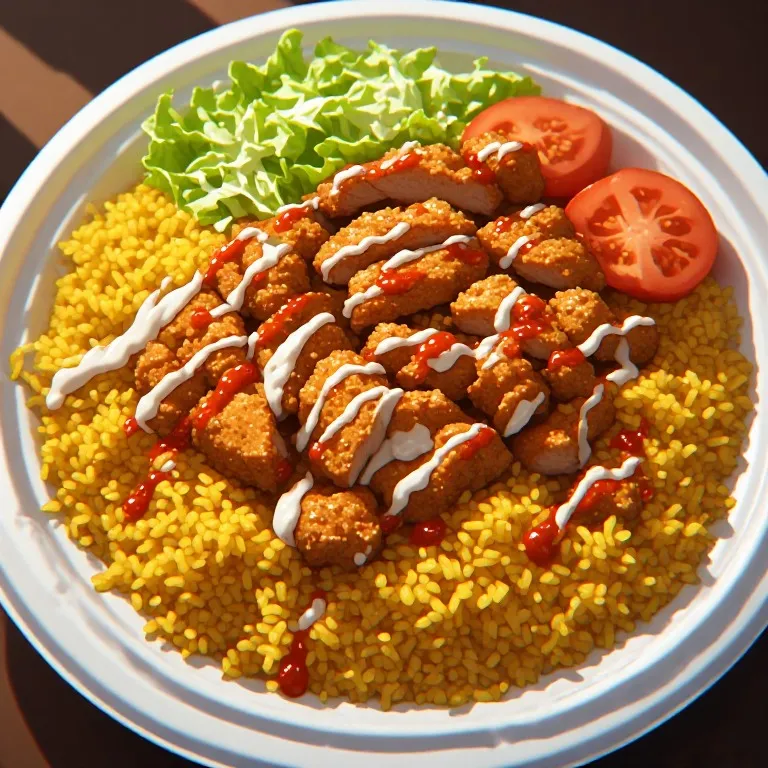
Highest impact: Street tacos and birria tacos (the acid cuts through rich braised meat in a way no other topping does), smash burgers (the crunchy sharpness against melted cheese), pulled pork and carnitas sandwiches, avocado toast (the tang offsets the rich fat), halal-cart chicken over rice.
High impact: Any grain bowl, grilled chicken thighs, fish tacos, flatbreads, fried eggs and egg sandwiches, Greek salad.
Surprising but good: Charcuterie boards alongside aged cheddar or manchego (does what quince paste does, but with more acid), pizza (add after baking, not before), nachos.
Doesn’t work: Soups and hot braises (discolors the broth and turns mushy), fruit salads, anything where the acid would curdle dairy in the dish.