

Pin It

Pozole Rojo

Pozole Rojo
Jump to Recipe
Prep 25 min Cook 2 hr 30 min Serves 8
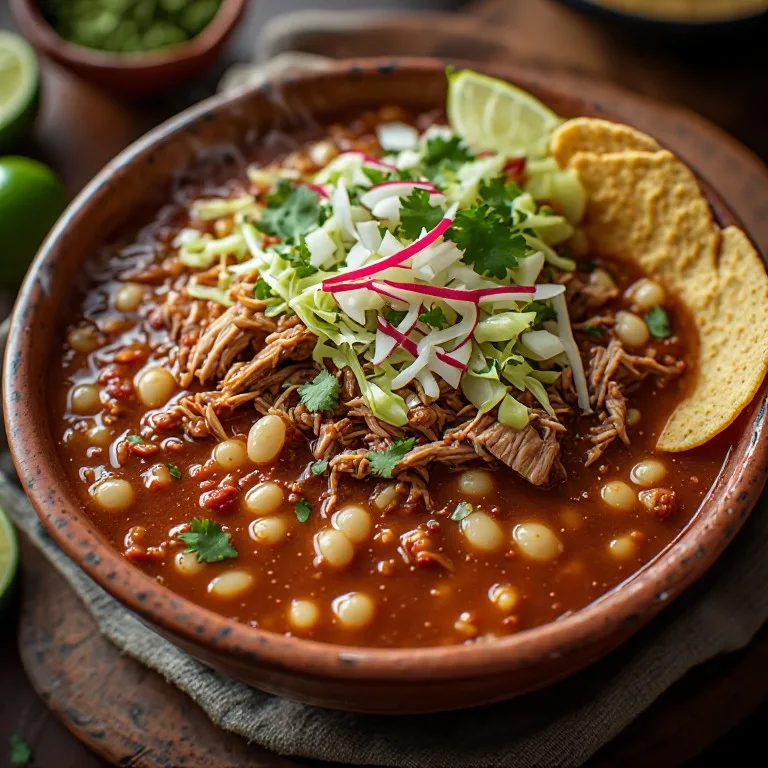
Quick answer: The viral TikTok pozole rojo: toast 4 guajillo + 2 ancho + 2 pasilla dried chiles in a dry skillet 30 seconds per side, then soak in boiling water 20 minutes. Sear 2.5 lbs bone-in pork shoulder in a Dutch oven until deeply browned, then cover with 6 cups chicken broth, half an onion, 3 garlic cloves, and 2 bay leaves. Simmer covered 1.5 hours until the pork pulls apart. Blend the soaked chiles with the soaking water, 3 garlic cloves, half the onion, 1 tsp Mexican oregano, and ½ tsp cumin — strain through a fine-mesh sieve into the broth. Shred the pork and return it to the pot. Add 2 drained cans of white hominy and simmer 20 more minutes. The toppings are not optional — shredded cabbage, sliced radishes, diced white onion, fresh cilantro, dried oregano, lime, and a tostada transform a great soup into an experience. The single most important step is toasting the dried chiles: heat activates fat-soluble capsaicins and aromatic compounds that are inert in a raw, dried chile and impossible to replicate if you skip it.

Pozole Rojo

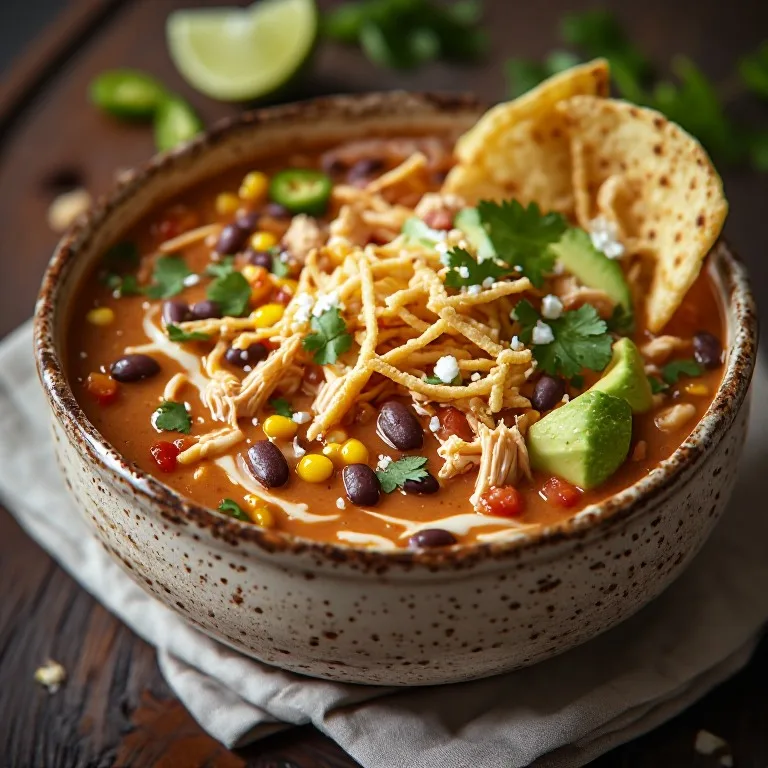
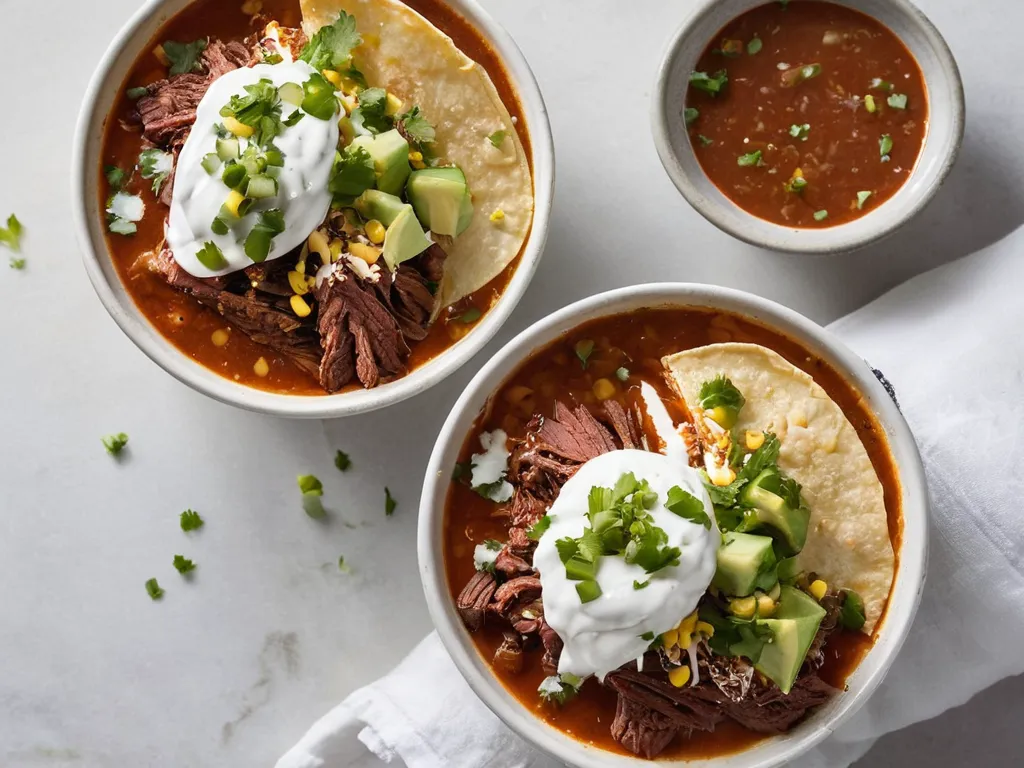
The viral TikTok pozole rojo recipe made right: pork shoulder braised until fall-apart tender in a broth of toasted guajillo and ancho chiles, with the full toppings bar (cabbage, radishes, lime, tostadas) that makes this Mexico's most satisfying soup.

Medium Prep: 25 min Cook: 2 hr 30 min Total: 2h 55m8 servings ~$4.50/serving
Prep25 min
Cook2 hr 30 min
Total2h 55m
Servings
8
At home~$4.50/serving
vs
Restaurant~$20.25/serving
You save ~78%

The Story Behind the Recipe

Pozole is one of Mexico's oldest recorded dishes — Aztec texts and early colonial chronicles document it as a ceremonial food served at feasts for rulers and warriors, made with hominy (nixtamal, corn that has been treated with alkali to release its nutrients) and slow-cooked meat. The word comes from the Nahuatl pozolli, meaning "foamy thing," a reference to the starchy foam hominy releases as it simmers. Today pozole is Mexico's go-to soup for weddings, quinceañeras, New Year's Eve, Mexican Independence Day, and cold-weather Sunday gatherings. A bowl of pozole rojo at a good taqueria in Mexico City or Jalisco — where it's taken particularly seriously — runs $4 to $10 USD. Made at home, a full pot that feeds eight costs roughly $20 to $25 in ingredients.

The viral TikTok wave began building in late 2025 through a specific genre of video: "how my abuela makes pozole." Creators from Mexican and Mexican-American families filmed the dried-chile technique — toasting, soaking, blending, straining — and the view counts exploded, because most home cooks had never seen it. The toppings bar reveal became its own visual format: a white hominy broth filling a bowl, then the camera pulling back to show a counter of shredded cabbage, radishes, lime wedges, tostadas, and dried oregano arranged like a composed mise en place. The #pozole hashtag crossed 2 billion views on TikTok by spring 2026.

Nutrition Facts

Per serving (8 servings)
Calories370
Total Fat16g
Total Carbs28g
Dietary Fiber5g
Sugars3g
Protein24g
Sodium1020mg

* Estimated values based on standard recipe preparation. Actual values may vary.

Ingredients

  • For the pork
  • For the red chile paste
  • For the broth
  • For the soup
  • For the toppings bar (do not skip — these are half the dish)

Instructions

💡
Pro tip: This recipe tastes even better the next day. The flavors need time to meld together in the fridge.
❄️
Storage: Keeps in an airtight container in the fridge for up to 2 weeks. Freezer-friendly for up to 3 months.
🎃 Free Halloween cookbook — download now The Copycat Halloween Cookbook A ready-made, photo-illustrated PDF of our best halloween copycat recipes — free to download, no building required. Pay what you want to support if you love it.

Free PDF — instant download. We'll also send new seasonal copycat recipes now and then; unsubscribe anytime. Or just download it →

Pozole rojo is one of those dishes that looks dramatically complex — the deep red broth, the whole pot of slow-cooked pork, the spread of toppings — but comes down to three overlapping techniques that any home cook can execute on a Sunday afternoon. TikTok has made this one of the most-searched Mexican recipes of 2025 and 2026, driven by creators sharing their family’s dried-chile method with an audience that had mostly only ever seen pozole at a restaurant. The secret is the chiles. Once you understand what the toast-soak-blend-strain sequence does, every Mexican stew and sauce clicks.


The Chile Paste Is the Entire Recipe

Most beginner mistakes with pozole come from treating dried chiles like a spice. They are not — they are a fruit. A dried guajillo chile is a fresh guajillo pepper with its water removed, and everything that makes it taste like something (volatile aromatics, fat-soluble pigments, capsaicin) is locked in the dried flesh until you wake it up with heat and water.

Toasting is the first activation step. Pressing a dry chile against a hot skillet for 30 to 45 seconds per side does two things: it drives off any residual moisture that could cause off-flavors, and it brings the surface temperature high enough to activate the fat-soluble compounds — the ones responsible for the earthy, smoky, slightly chocolate depth of a good red chile broth. You will know the toast is right when the kitchen smells toasty and complex, not just “chili-like.” If it smells acrid, you’ve gone too far and the paste will be bitter.

Soaking in boiling water for 20 minutes rehydrates the flesh so it blends smoothly. The soaking liquid picks up water-soluble flavor compounds and pigments that are valuable — use a cup of it in your blender. The result is a deeply colored, intensely flavored liquid that would be good on its own.

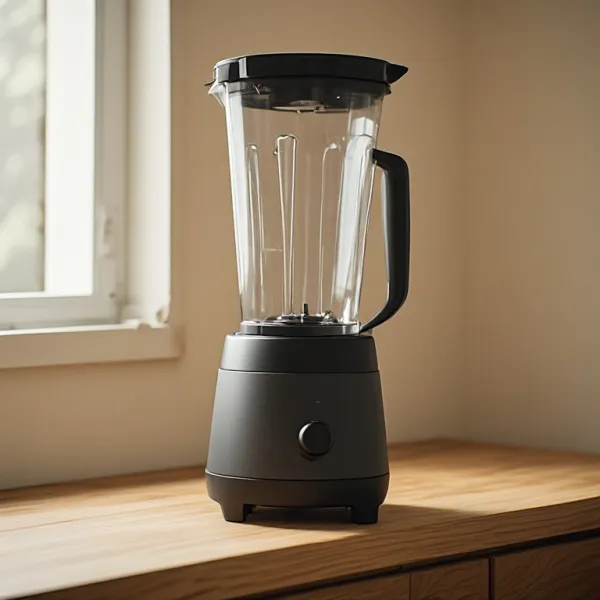
Blending at high speed for a full minute emulsifies the flesh into a thick paste. Add your aromatics here (raw garlic, onion, oregano, cumin) rather than to the broth — they distribute more evenly in the paste and contribute a fresher, more aromatic quality than if they’d been simmered in the pot for two hours.

Straining through a fine-mesh sieve is the step most shortcut versions skip, and it is where they fail. Chile skins do not fully liquefy even in a high-powered blender; they pass through as fine grains that make the final broth taste gritty and slightly rough. Strain aggressively — press with a spatula until nothing passes through — and the broth will be silky and bright red rather than muddy.


The Three-Chile Combination and Why Each Matters

Guajillo (pronounced gwah-HEE-yoh) is the backbone: a long, narrow dried chile with thin flesh, moderate heat (2,500 to 5,000 Scoville), and a tangy-fruity, slightly acidic flavor with notes of cranberry and green tea. It provides the red color and the bright, clean chile flavor.

Ancho is a dried poblano pepper — one of Mexico’s most widely used dried chiles. It is large, wrinkled, and dark brown-black, with almost no heat and a rich, raisin-like, mildly sweet flavor. Ancho is what adds depth and body to the paste and rounds out guajillo’s sharper edges.

Pasilla is a dried chilaca pepper: long, thin, dark brown, with a moderate heat and an herby, slightly earthy character with notes of chocolate and dried fruit. In combination with guajillo and ancho, it fills in the mid-range of the flavor spectrum — the layer that makes the broth taste like it has been cooking all day even before you add a single piece of pork.

Using all three produces a significantly more complex broth than any single chile alone. If you can only find guajillo, the recipe still works — but it will taste thinner and less layered.


The Pork: Why Bone-In Shoulder

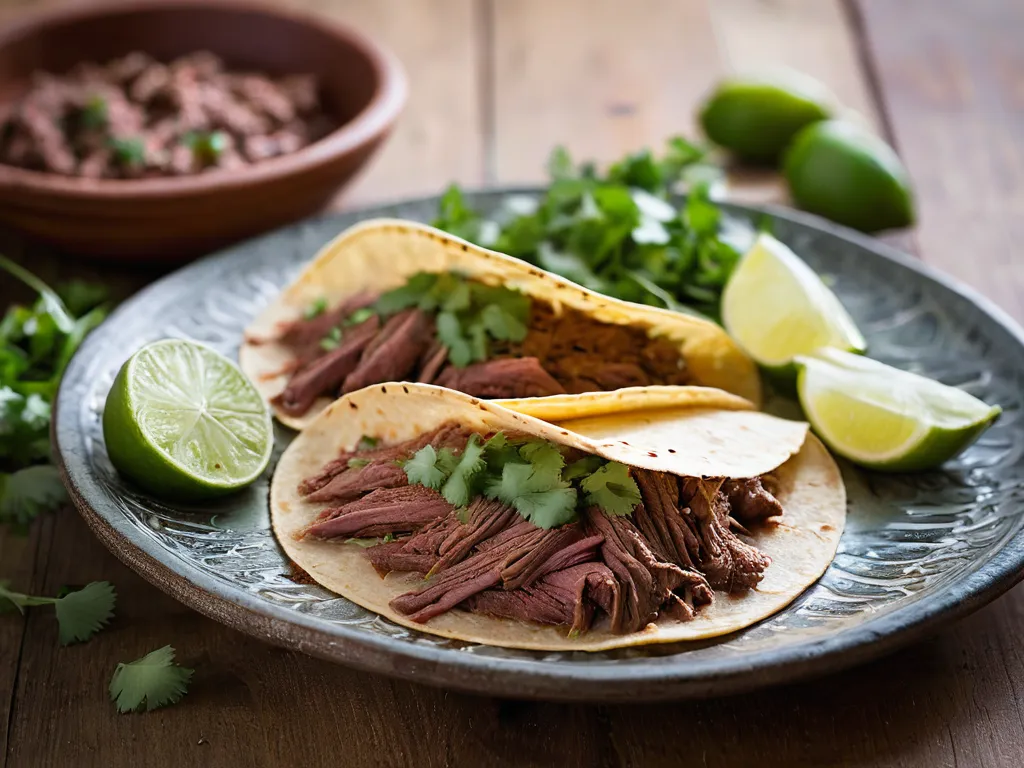
Bone-in pork shoulder is the correct cut for two reasons. First, bone-in cuts contribute marrow and periosteum (the connective tissue around the bone) directly into the broth, adding gelatin that makes the final liquid rich and slightly thick in a way broth alone cannot achieve. Second, pork shoulder has a fat-to-muscle ratio and collagen content that requires 1.5 to 2 hours of braising to break down fully — the same slow work that converts tough connective tissue into silky, pull-apart strands. The result is pork that shreds into pieces that hold their shape in the broth but collapse with gentle pressure between your teeth.

Boneless pork shoulder (often labeled “pork butt” at supermarkets — the name refers to the cut, not the location on the animal) works well if bone-in is unavailable; reduce the braise to about 1 hour 15 minutes. Do not use pork tenderloin for this method — it is too lean and will turn dry and stringy in the broth, not tender.

The sear matters. A proper sear at high heat with the pork patted completely dry produces the Maillard reaction — a cascade of browning that generates hundreds of flavor compounds not present in raw meat. Those compounds dissolve into the broth over the two-hour simmer and are the difference between a pozole that tastes like a meal and one that tastes like hominy in spiced water.


Hominy: The Ingredient That Makes Pozole Pozole

Hominy (or nixtamalized corn) is what separates pozole from a chile-braised pork stew with corn. The nixtamalization process — soaking corn in an alkaline solution, traditionally wood ash or calcium hydroxide — transforms the corn structurally and nutritionally. The hull loosens and comes off. The grain swells and becomes porous. Niacin (vitamin B3) becomes bioavailable (un-nixtamalized corn binds niacin, which is why populations that adopted corn without the technique suffered pellagra). And the flavor changes completely: raw corn is sweet and grassy; nixtamalized corn is savory, slightly earthy, and deeply starchy in a way that soaks up chile broth like a sponge.

Canned white hominy (not yellow) is correct for pozole. It is already cooked; you only need to rinse it and simmer it in the broth for 20 minutes to absorb the flavors. The 29-ounce can is the right size — two cans for eight servings. Hominy absorbs an enormous amount of liquid as it sits, so pozole that seems perfectly brothed immediately after cooking will be much thicker after 20 minutes of rest or after refrigerating overnight.


The Toppings Are Not Optional

In Mexico, the bowls of toppings that accompany pozole are taken as seriously as the soup itself. Each topping serves a specific function:

Shredded cabbage adds cool, crunchy bulk that softens slightly in the hot broth — it extends the bowl and provides textural contrast to the soft hominy and tender pork.

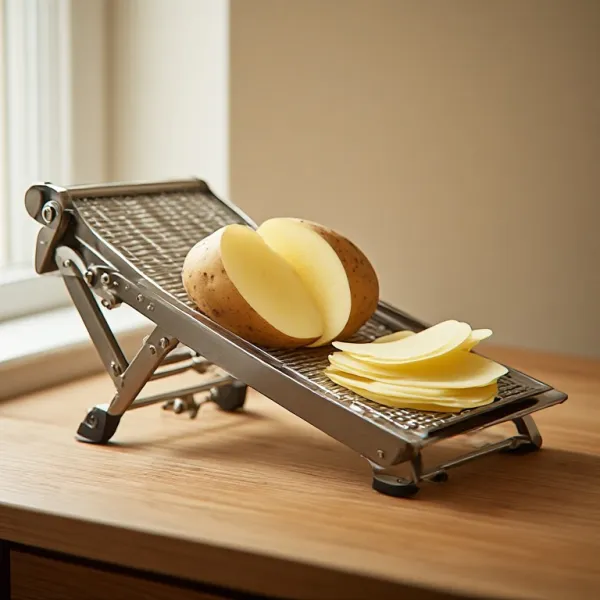
Paper-thin radishes add a peppery, crisp bite that brightens the richness of the pork and chile broth. Slice them as thin as possible — 1mm on a mandoline is ideal — so they provide snap rather than chew.

Diced white onion adds sharp, pungent rawness that cuts through the fat in the broth. This is raw onion, not cooked — don’t skip it.

Dried Mexican oregano is different from Mediterranean oregano: it is more citrusy, slightly minty, and floral. Crumble it between your fingers directly over the bowl to release its volatile oils. A half-teaspoon per bowl transforms the aromatic profile.

Lime is the acid that brings everything into focus. Squeeze a full wedge into the bowl and squeeze another over the top after you’ve added the toppings. The acidity cuts the fat, brightens the chile broth, and makes every other flavor sharper.

Tostadas — flat, crisped corn tortillas — are the vehicle. Break one into the side of the bowl and let it absorb broth as you eat. By the time you reach the bottom of the bowl, the tostada is half-crisp, half-softened and saturated with pozole — one of the better food textures that exists.


Make-Ahead and Storage

Pozole is one of the best make-ahead soups. Make the whole pot through the final simmer, cool completely, and refrigerate. The next day: skim the solidified fat cap off the surface (it lifts in one piece), reheat over medium, taste and adjust salt. The broth deepens overnight as the hominy continues to absorb the chile paste and the pork releases more gelatin. Day-two pozole is genuinely better.

Freeze in quart portions for up to 4 months. The hominy survives freezing better than pasta or potatoes — it does not turn mushy. Defrost overnight in the refrigerator or from frozen in a pot over low heat. Always prepare fresh toppings at serving time; the cabbage and radishes are a cold, crisp contrast to the hot soup that cannot be made in advance.
🥗

Make It Healthier

Love Pozole Rojo but want a lighter version? Try these simple swaps:

  • ✓Trim visible fat from the pork shoulder before cutting into chunks — bone-in shoulder carries a thick fat cap that contributes more flavor than you need; removing half of it saves roughly 30 to 40 calories per serving without losing richness.
  • ✓Swap the pork shoulder for bone-in, skin-on chicken thighs (pull the skin before shredding) for a lighter bowl — chicken pozole rojo is traditional, cuts the fat to roughly 8g per serving, and cooks in about an hour instead of two.
  • ✓Skip the tostada and serve with a warm corn tortilla instead to save about 60 calories per bowl while keeping the Mexican flavor profile intact.
  • ✓Make the broth one day ahead and refrigerate overnight — the fat rises and solidifies on the surface and lifts off cleanly in one motion, removing most of the added fat from the pork.

Frequently Asked Questions

What is hominy and where do I find it?

Hominy is corn that has been treated with an alkaline solution — traditionally wood ash or slaked lime (calcium hydroxide) — in a process called nixtamalization. The treatment removes the hull, increases the nutritional profile (the protein becomes more bioavailable, and B vitamins are released), and changes the texture from raw corn to something chewy, starchy, and deeply savory. Canned white hominy is what most TikTok pozole recipes use — it's already fully cooked, just rinse and add it to the pot. Find it in the Latin foods or canned vegetables aisle at most major supermarkets. Goya and La Fe are common brands. Dried pozole corn also exists but requires an overnight soak and 3 to 4 hours of cooking before adding to the soup.

What is the difference between pozole rojo, verde, and blanco?

The three versions differ only in the chile base. Pozole rojo (red) uses dried chiles — guajillo, ancho, pasilla — that produce a deep red, earthy, smoky broth; it is the most common version and the one that dominates TikTok. Pozole verde (green) uses fresh tomatillos, poblano peppers, and fresh herbs (cilantro, epazote) blended into a bright, tangy green broth — lighter and more acidic. Pozole blanco (white) uses no chile base at all; the broth is the pure pork cooking liquid, seasoned with only garlic, onion, oregano, and salt — the mildest, cleanest version, often served as the base for the heaviest toppings like raw chiles and extra oregano. All three versions use the same pork-and-hominy base.

Can I make pozole with chicken instead of pork?

Yes, and chicken pozole rojo is common in Mexican home cooking. Use 2 to 2.5 lbs of bone-in, skin-on chicken thighs — the bone and skin contribute the collagen and fat that give the broth body, just as pork shoulder does. Reduce the broth simmer time to 45 to 60 minutes (chicken reaches shredding tenderness much faster than pork). Remove the skin before shredding. The flavor is lighter and slightly less rich than pork pozole, but still deeply satisfying. Some cooks use a rotisserie chicken as a shortcut — shred it, add to the strained chile broth, add hominy, simmer 15 minutes. Faster but less developed.

Can I make pozole faster in an Instant Pot?

Yes. Sear the pork on the Sauté setting, build the broth (broth + aromatics), seal and cook on HIGH pressure for 45 minutes, natural release 15 minutes. While it cooks, toast and soak the chiles and blend the paste. After the pork is done, open the lid, remove and shred the pork, strain the chile paste into the broth, add the shredded pork and hominy, and simmer on Sauté for 15 minutes uncovered. The Instant Pot version is genuinely close to the stovetop version in flavor — the high-pressure environment extracts collagen efficiently. The one difference is the sear: do it thoroughly on Sauté mode before sealing, because you don't get a fond from pressure cooking.

What dried chiles can I substitute?

The three-chile combination — guajillo, ancho, pasilla — is the standard pozole rojo base and is available at any Latin grocery store or online. In a pinch: guajillo is the most important (mild heat, tangy-fruity backbone) and hardest to substitute; ancho (dried poblano) can be replaced by mulato chiles; pasilla can be replaced by a second ancho. If you can only find one type of dried chile, use all guajillo and double the quantity — the broth will be less complex but still correct. Do not use chipotle chiles in adobo (too smoky, too acidic) or plain chili powder (it's a blend with cumin and garlic that will make the broth taste like American chili).

How do the toppings go on — is there a correct order?

Traditional order in most Mexican homes: start with the tostada (break it in half and prop it against the side of the bowl so it wicks up broth as you eat). Add a handful of shredded cabbage. Fan the radish slices over the cabbage. Add diced white onion and a few cilantro sprigs. Squeeze a full lime wedge directly over the bowl. Crumble a pinch of dried Mexican oregano between your fingers and drop it in. Add chile flakes or hot sauce to your heat preference. Optional avocado and crema go on last, in the center. The sequence lets each topping layer on top of the one before without everything being crushed to the bottom.

How long does pozole keep, and can it be frozen?

Refrigerated pozole keeps for 5 days. The broth continues to deepen in flavor overnight — many people say day-two pozole is better than fresh. The hominy holds its texture well in the fridge. To freeze: cool completely and portion into quart-sized freezer bags. Lay flat to freeze. Keeps for up to 4 months. Reheat from frozen in a pot over medium-low heat, adding a splash of broth if the hominy has absorbed too much liquid. The toppings are always freshly made — do not freeze them with the soup.

Love this recipe? Share it!

Free PDF: our 12 most-wanted copycat recipes — instant download.

Made it? Buy us a coffee

Every recipe here is free, with no paywalls. If this one was a hit at your table, a small tip keeps new copycats coming.

$

Ratings & Reviews

—
No ratings yet

Rate this recipe

Click a star to rate

Leave a Review

0/500

CS

Copycat Spices Editorial

Researched + fact-checked. Every recipe on Copycat Spices is built from published sources — official ingredient lists, brand-published recipes, interviews and food-science references — and fact-checked before it goes live, then written as clear, step-by-step instructions for home cooks of all skill levels.

Learn more about our mission →