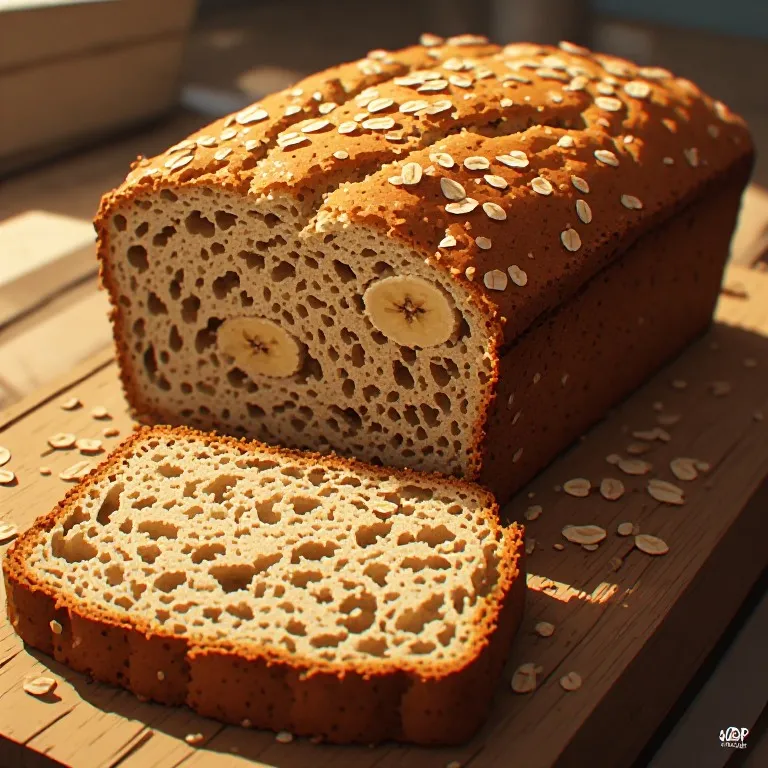


Protein Banana Bread — 22g Per Slice, Tastes Exactly Like the Real Thing
Banana bread is comfort food in its purest form: a loaf you make when the bananas on the counter have gone too far, that makes the whole kitchen smell like warm vanilla and cinnamon, that disappears in two days. Protein banana bread does all of that with 22 grams of protein per slice and less than half the fat of a traditional oil-and-butter recipe.
Why It Went Viral
High-protein baking has had a rough TikTok history — protein brownies with the texture of rubber, protein cookies that crumble on contact, protein muffins that taste like a multivitamin. Protein banana bread is the one that actually worked, because bananas are an exceptional base for high-protein baking: they’re moist, sweet, flavorful, and they hide a lot of sins.
The cottage cheese addition is the 2026 twist on a recipe that had previously used only Greek yogurt. Cottage cheese blends smoother into the batter and contributes more protein per cup than most other dairy substitutions. The reveal — that this loaf is made with cottage cheese and protein powder and still looks and tastes like proper banana bread — is what drives the shares.
The Riper the Bananas, the Better
This is not negotiable. A banana with yellow skin has starches that haven’t converted to sugars — it will produce a dense, less-sweet loaf that requires more added sweetener to compensate. A banana with a skin that’s 60–80% brown-to-black has undergone full starch-to-sugar conversion: it’s significantly sweeter, softer, more flavorful, and contributes substantially more moisture to the batter.
If you don’t have ripe bananas, you can speed-ripen them: place unpeeled bananas on a baking sheet in a 300°F oven for 15–20 minutes until the skins turn black and the fruit softens. Cool before using.
The Cottage Cheese Role
Blended cottage cheese does four things in this recipe simultaneously: it adds protein (about 14g per cup), moisture (its liquid content prevents the bread from drying out), structure (casein proteins contribute body), and very slight tang (which is completely imperceptible in the baked loaf but adds complexity to the banana flavor). This is a better moisture contribution than oil, which adds fat without protein, and a better structure contribution than Greek yogurt, which can make the crumb slightly more rubbery.
The blending step is the single most important technique: blend the cottage cheese with the bananas and eggs until the batter is completely smooth. Visible curds in the baked loaf are fine texturally but signal to any cottage-cheese-averse eater what’s in there. Complete blending means the bread can pass as traditional banana bread to anyone who doesn’t know.
Protein Powder Selection
The 2-scoop quantity is intentional and has been tested — it contributes significant protein (about 50–60g to the whole loaf) while staying within the ratio where the bread still bakes properly. Beyond 2 scoops, protein powder starts absorbing too much liquid and the loaf becomes dense and gummy in the center.
Oat flour, not all-purpose wheat flour, is recommended here: it’s gentler on the gluten structure (which protein powder has already disrupted), adds its own mild flavor that works well with banana and cinnamon, and is easily made at home by blending rolled oats for 30 seconds.
Variations
Double chocolate: Add 2 tablespoons cocoa powder to the dry ingredients. Fold in dark chocolate chips. Slice and serve warm with a drizzle of peanut butter.
Peanut butter swirl: Swirl 3 tablespoons of natural peanut butter into the batter before baking. Adds healthy fat and creates a visual ribbon through the loaf.
Blueberry lemon: Add zest of 1 lemon to the batter and fold in 1/2 cup fresh or frozen blueberries. A bright, spring version that pairs beautifully with a Greek yogurt spread.
Snickerdoodle banana: Add 1/2 teaspoon cream of tartar to the dry ingredients and coat the top of the batter with a cinnamon-sugar mixture before baking. The top cracks like a snickerdoodle cookie.