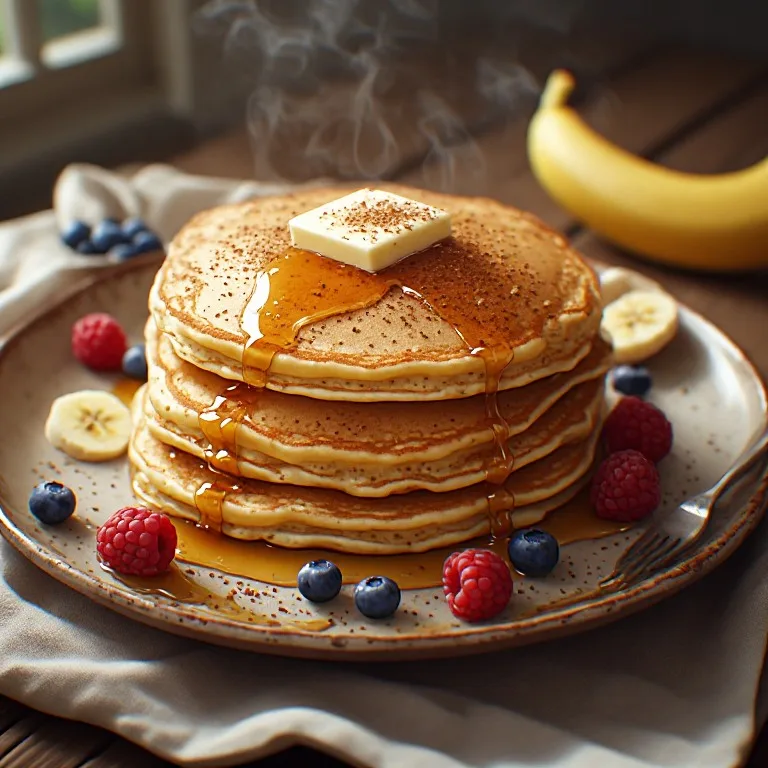


Viral TikTok Cottage Cheese Pancakes — 28g Protein a Batch, No Protein Powder
Prep: 5 min | Batter rest: 3–5 min | Cook: 15 min | Makes: 4–5 pancakes (2 servings) | Protein: ~28g per batch (~15g per 2-pancake serving)
Cottage cheese pancakes are what happens when #ProteinTok discovers that the same ingredient driving the flatbread, taco, and ice cream trends also makes a genuinely fluffy, high-protein pancake — without any protein powder, without almond flour, without any of the usual “healthy pancake” compromises.
The batter is four ingredients: rolled oats, cottage cheese, eggs, and salt. Everything goes into a blender for 30 seconds. You rest the batter for 3 minutes. You cook over medium-low heat and wait — really wait — until bubbles cover the whole surface before flipping. That’s the entire recipe.
What you get: a pancake that’s about as close to regular in texture and taste as a high-protein pancake can be, with roughly 28g protein across the batch (~15g per two-pancake serving) and no whey powder aftertaste. The cottage cheese is completely undetectable — blending fully homogenizes it into the batter, and cooking sets the protein structure so there’s no curd texture, no tang, no dairy sourness.
Why This Went Viral
Cottage cheese pancakes gained serious traction on TikTok as part of the broader #ProteinTok cottage cheese wave — the same trend that spawned the viral flatbread, tacos, ice cream, and cookie dough recipes. Search interest in “cottage cheese pancakes” climbed alongside the wider cottage cheese surge, and the blender-oat version is now the format most creators land on because it’s the one that reliably works.
The appeal is specific: most high-protein pancake recipes require protein powder, and protein powder pancakes taste like protein powder. They have a chalky or sweet artificial note, and they tend to be gummy. Cottage cheese pancakes have none of those problems because the protein source is real food with real fat content that integrates naturally into the batter when blended.
The other appeal: the ingredients are grocery staples. No specialty flours, no monk fruit, no unfamiliar swaps. If you have eggs, oats, and a container of cottage cheese, you have everything you need.
The Two Rules That Determine Whether Your Pancakes Work
Rule 1: Blend Until Completely Smooth
This is not a suggestion. Cottage cheese has visible curds — small, dense protein masses that behave differently from the surrounding whey when cooked. If you try to mix the batter with a fork or whisk, the curds don’t break down. During cooking, those intact curds don’t melt into the batter the way you might expect; they stay lumpy, and the area around them doesn’t cook evenly. The result is a pancake with rubbery spots, visible white flecks, and an uneven texture.
The same problem applies to the oats. Old-fashioned rolled oats in batter form produce a gritty, unpleasant texture if not blended. Blending for 30–40 seconds on high converts them to a fine oat flour that incorporates seamlessly.
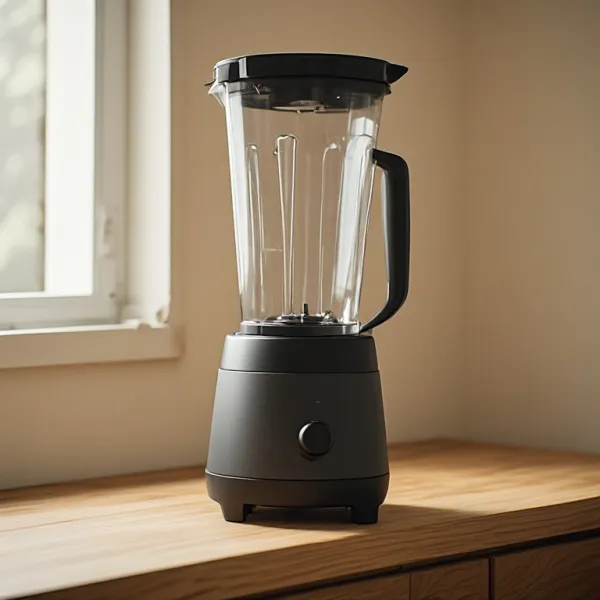
Any blender works — a full-size blender, a personal blender (NutriBullet, Magic Bullet), or an immersion blender in a tall cup. A food processor works with a slightly longer blend time. The only thing that doesn’t work is trying to skip it.
Rule 2: Medium-Low Heat, Full-Surface Bubbles Before Flipping
Cottage cheese pancakes have a higher protein-to-starch ratio than standard flour pancakes. Protein sets (denatures) faster than starch gelatinizes, which means they cook through faster and burn faster at the same heat level.
At medium-high heat — standard for regular pancakes — the outside crust forms before the interior has set, and the pancake tears when you try to flip it. At medium-low, the heat penetrates all the way through before any burning happens.
The flip signal is different too. With regular pancakes, bubbles around the edges are often enough. With cottage cheese pancakes, wait until bubbles appear across the entire surface, including the center. That center bubble formation means the interior protein has set enough to hold together through the flip. Edge bubbles with a shiny center means another 30–60 seconds minimum.
The Oat-to-Cottage-Cheese Ratio
The 1:1 ratio by volume (½ cup oats : ½ cup cottage cheese) is not arbitrary. Oats are the structural binder in this batter — they provide the carbohydrate scaffolding that gives the pancake enough body to flip cleanly. Cottage cheese provides the protein and moisture.
When the ratio tips in either direction:
More cottage cheese than oats (e.g., ¾ cup cottage cheese : ½ cup oats): too much moisture, not enough structure. The batter spreads too thin on the pan, the pancakes are fragile and tear at the flip, and they’re more crepe-like than pancake-like.
More oats than cottage cheese (e.g., ¾ cup oats : ½ cup cottage cheese): too much starch, not enough moisture. The batter is thick and the pancakes are dense, dry, and almost chewy in the center.
The sweet spot is 1:1. If you want a thicker, more substantial pancake, add a pinch of baking powder (¼ teaspoon per batch) — it creates gas bubbles that lift the batter as it sets, producing more height without changing the ratio.
Variations
Banana Cottage Cheese Pancakes
Add 1 small ripe banana (the riper, the sweeter) to the blender with the other ingredients. The banana adds natural sweetness so you can skip the honey/maple, provides potassium and fiber, and produces pancakes with a slightly golden-yellow color. The banana flavor is subtle — it reads more as “richer and slightly fruity” than “banana pancakes.” Macros per 2-pancake serving: ~260 cal, 15g protein, 27g carbs.
Protein Powder Boost
Add 1 scoop (25–30g) unflavored or vanilla whey protein powder to the blender with the base ingredients, plus 2 tablespoons water to thin the batter back out (the powder absorbs liquid). This brings the protein to roughly 55g across the batch, or ~27g per 2-pancake serving. The texture is slightly denser but still flips cleanly. Don’t use more than 1 scoop per batch — too much protein powder makes the batter gummy.
Savory Cottage Cheese Pancakes
Skip the vanilla, cinnamon, and sweetener. Add ¼ teaspoon black pepper, 1 scallion (sliced thin), and ½ teaspoon garlic powder to the blender. These are excellent under a fried egg, topped with smoked salmon and a spoonful of labneh, or alongside soup. The texture is the same; it’s the flavor profile that shifts to savory-eggy rather than sweet-breakfast.
Pumpkin Spice (September Edition)
Add ¼ cup pumpkin puree (not pumpkin pie filling) and ½ teaspoon pumpkin pie spice to the blender with the base ingredients. The pumpkin adds moisture and natural color; reduce the batter rest time to 2 minutes since the extra liquid slows oat absorption. Top with a drizzle of maple syrup and a dusting of cinnamon.
Nutrition vs. Regular Pancakes
| Cottage Cheese Pancakes (2) | IHOP Buttermilk Pancakes (2) | Protein Powder Pancakes (2) | |
|---|---|---|---|
| Calories | ~220 | ~400 | ~260 |
| Protein | 15g | 8g | 30g |
| Carbs | 16g | 60g | 15g |
| Fat | 11g | 14g | 6g |
| Flour needed | No | Yes | No |
| Protein powder | No | No | Yes |
| Taste | Close to regular | Regular | Powdery/chalky |
The cottage cheese version sits between the two extremes: much higher protein than a standard pancake, no protein powder required, and close to regular-pancake taste. It’s the choice for people who want the nutrition profile of protein pancakes without the compromise in flavor.
Internal Link: How This Fits the Cottage Cheese Trend
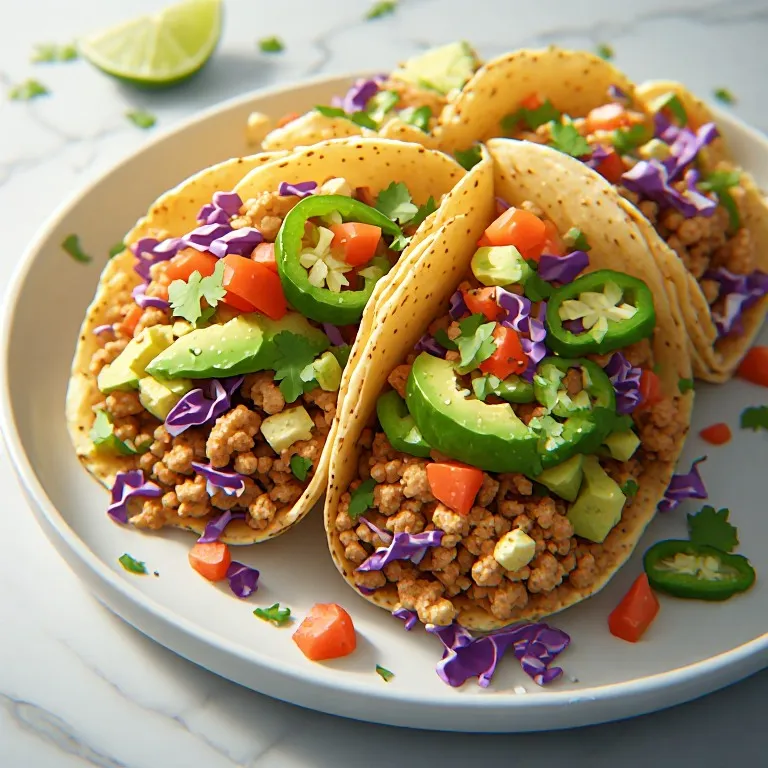
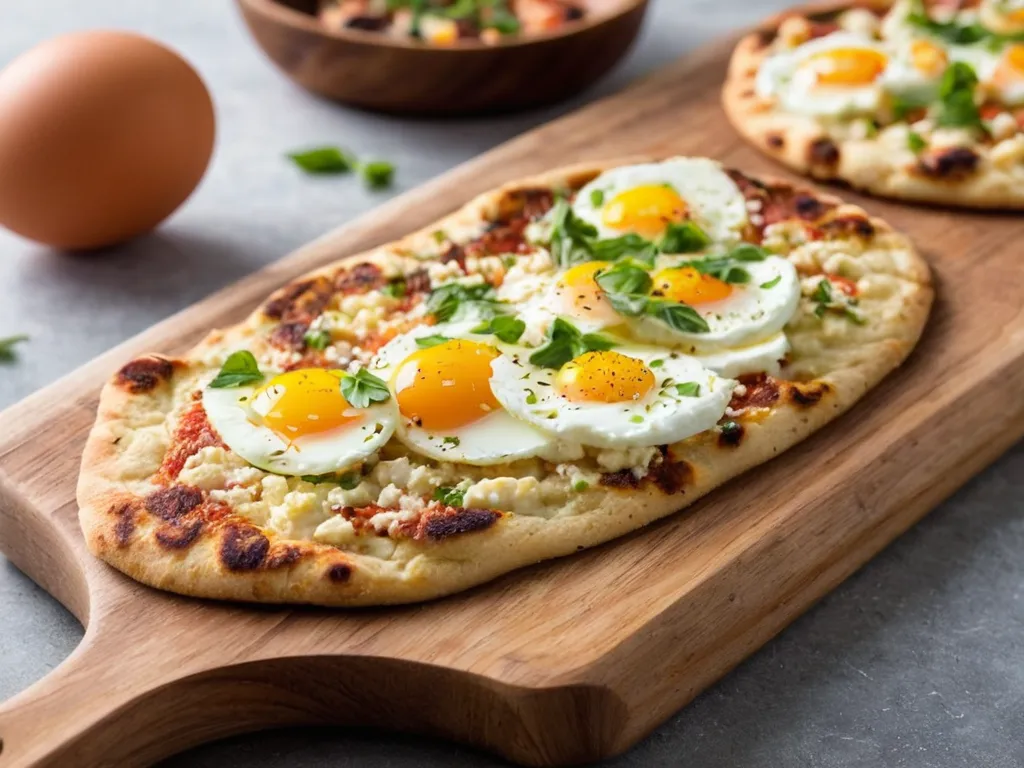
This is the third in the structural cottage cheese recipe trilogy alongside viral cottage cheese flatbread (the pizza-base version using whole eggs and a full-sheet bake) and cottage cheese tacos (the taco-shell version using egg whites and individual rounds). All three use the same base ingredient in meaningfully different ways:
- Flatbread: whole eggs, large sheet, 35 min bake, 175 cal, 20g protein per flatbread — the pizza/wrap/toast base
- Tacos: egg whites only, individual rounds, 22 min bake, 55 cal, 10g protein per shell — the taco vessel
- Pancakes: whole eggs + oats, pan-cooked, 15 min cook, ~110 cal, ~7g protein per pancake — the breakfast stack
Each has a different texture, different use case, and different macro profile. They’re complementary, not redundant — the same way a flour tortilla, a sandwich loaf, and a crepe all serve different roles despite all being flour-based.