

Ramen Soup Hack — How to Turn Instant Ramen Into a Restaurant-Worthy Bowl
Instant ramen has a complicated reputation. It’s the college-budget staple, the late-night fallback, the thing people make when they don’t feel like cooking. It is also, as TikTok has spent years demonstrating, an exceptionally good base ingredient that with a few targeted additions becomes a genuinely impressive meal. The “ramen hack” genre is one of the most durable on the platform — videos promising a restaurant-quality upgrade get watched obsessively by people who want to eat well without spending money or time.
The core insight is simple: instant ramen’s weakness is its one-dimensionality. The noodles are good. The broth is salty and MSG-forward but thin. Fix the broth, add protein, add texture, and you have something that can compete with a $15 ramen shop bowl.
The Broth Upgrade: Three Moves
Three additions transform instant ramen broth from flat and salty to complex and layered.
Miso paste adds fermented depth — glutamic acid, salt, and a background sweetness — that gives the broth a rounded, restaurant-quality quality. White miso is mild and slightly sweet; yellow miso has more punch. A tablespoon melted into the broth just before adding the noodles is all you need. Don’t boil the soup after adding miso — high heat destroys the beneficial enzymes and dulls the flavor.
Butter adds fat that the broth desperately lacks. Instant ramen broth is water-based with very little fat content, which is part of why it tastes thin. A tablespoon of butter bloomed with garlic in the bottom of the pot, then incorporated into the broth, adds richness and acts as a fat carrier for all the other aromatics. This is the move that makes people taste the soup and ask what’s different without being able to identify it.
Sesame oil goes in at the very end, off heat. It is a finishing oil, not a cooking oil. High heat destroys its delicate toasted-sesame aromatics. A teaspoon stirred in at the end adds a nutty, slightly smoky fragrance that floats to the surface of the bowl and hits your nose before you take the first sip.
The Seasoning Packet Problem
Most instant ramen users make the same mistake: they use the entire seasoning packet. This results in a sodium bomb that overwhelms any additions. The hack requires using only half the packet — 50 to 60% at most — and then building the remaining seasoning from miso paste, soy sauce, and the aromatics. You retain the characteristic flavor of your chosen ramen without the blunt force of excess sodium.
Different brands have different packet strengths. Shin Ramyun’s full packet is already aggressive; use 40% when adding miso and soy. Maruchan is milder; 60% with additions is usually right. Taste before you add the noodles and trust your palate.
The Soft-Boiled Egg Is Non-Negotiable
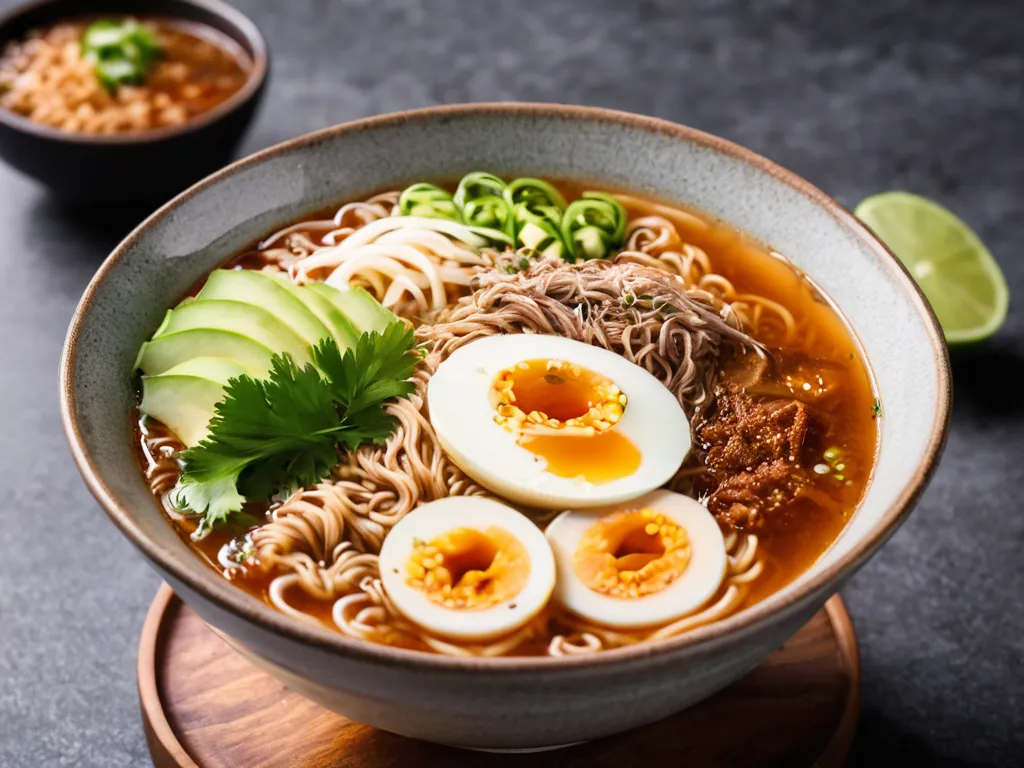
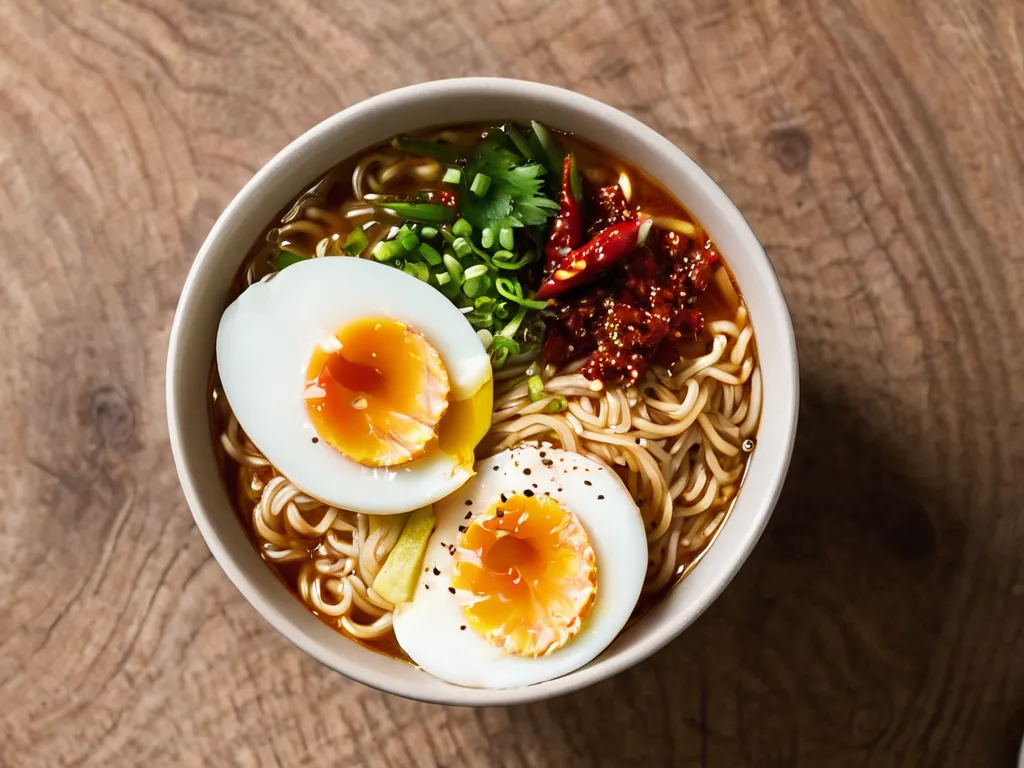
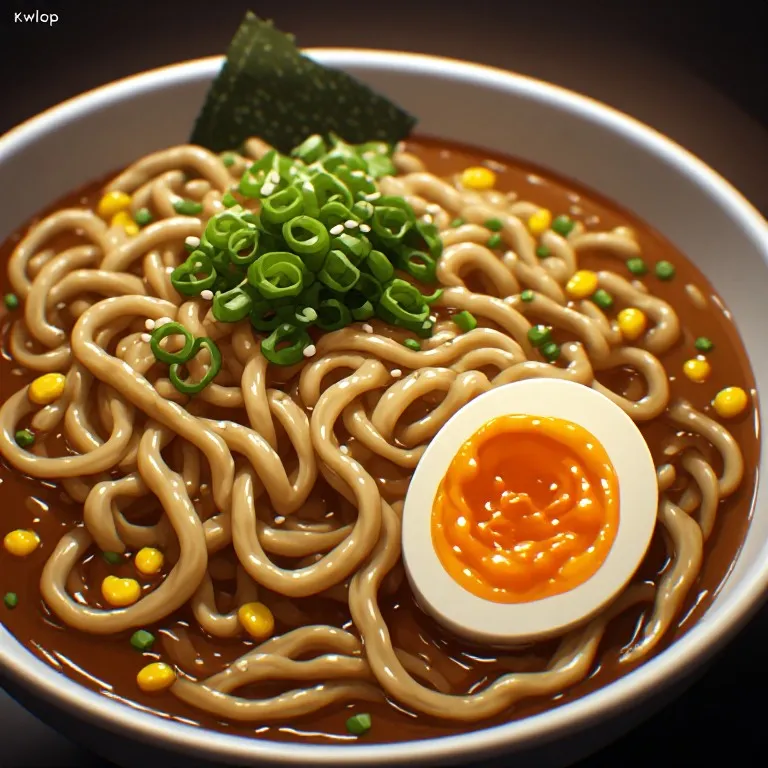
The six-and-a-half-minute egg is the most photogenic and flavor-transformative addition to any ramen bowl. The method is precise: boiling water, six and a half minutes, immediate ice bath. The white is fully set. The yolk is at the exact jammy stage — bright orange-yellow, barely set at the edges, liquid at the center — that melts into the hot broth as you break into it and enriches every sip.
The ice bath is not optional. Without it, the egg continues cooking from residual heat and you end up with a chalky, over-cooked yolk by the time you peel it. The ice bath stops the cooking instantly and makes the shell separate cleanly from the white.
Bowl Architecture: Why Presentation Matters
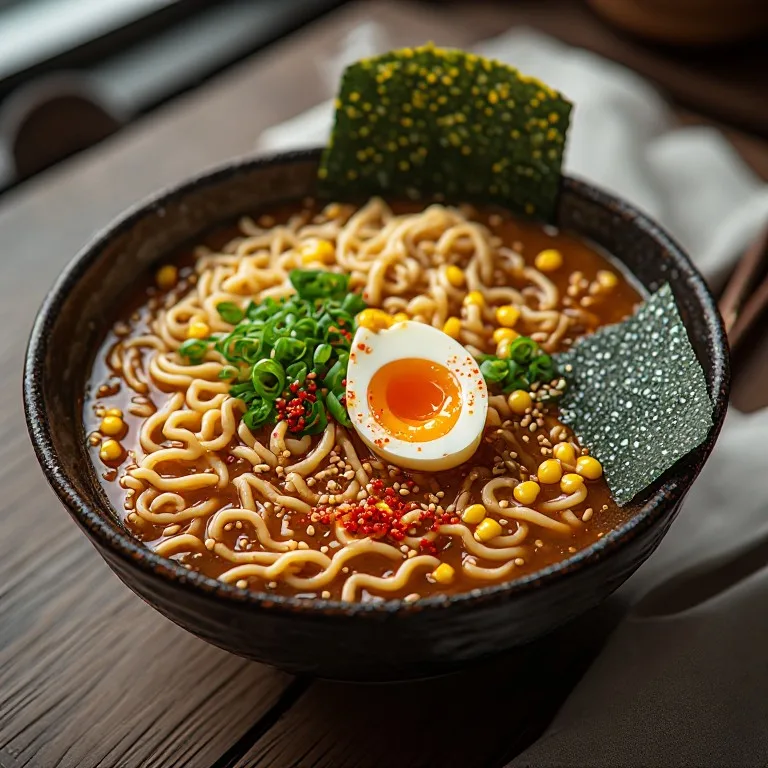
The TikTok ramen videos that perform best aren’t just showing good food — they’re showing beautiful bowls. The noodles go in first, pulled from the broth in neat nests with tongs. Corn goes on one side, green onions on another, the halved egg in the center showing off its yolk. A sheet of nori leans against one edge. A spoonful of chili crisp is placed last, its red-orange oil bleeding into the broth while the crispy bits stay on the surface.
This arrangement is intentional: it communicates that this is a serious bowl of food, not a lazy noodle soup. And because you arranged it yourself, it’s yours — more satisfying than anything you’ll get from a drive-through.
Variations
Spicy Tonkotsu Style: Replace water with 1 cup of chicken broth and 1 cup of whole milk. Add 1 tbsp of tahini with the miso for a tonkotsu-adjacent richness. Finish with a full teaspoon of chili crisp stirred directly into the broth.
Vegetable-Packed Version: Skip the seasoning packet entirely and season only with miso, soy, and sesame oil. Pile in bok choy, sliced mushrooms, frozen edamame, and corn. This version is genuinely nutritious — fiber, protein, and actual vitamins in what looks like indulgent ramen.
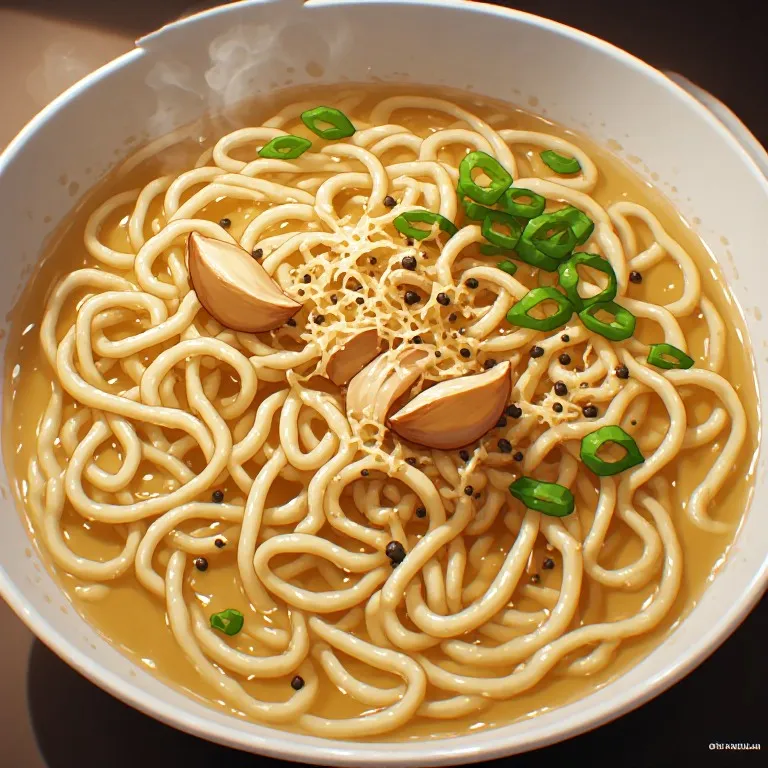
Garlic Butter Shoyu Style: Use soy sauce as the primary seasoning, double the butter and garlic, and skip the miso. Add a tablespoon of sake or dry sherry to the butter as the garlic blooms — the alcohol cooks off and leaves a clean, slightly sweet complexity that reads as Japanese rather than Korean.