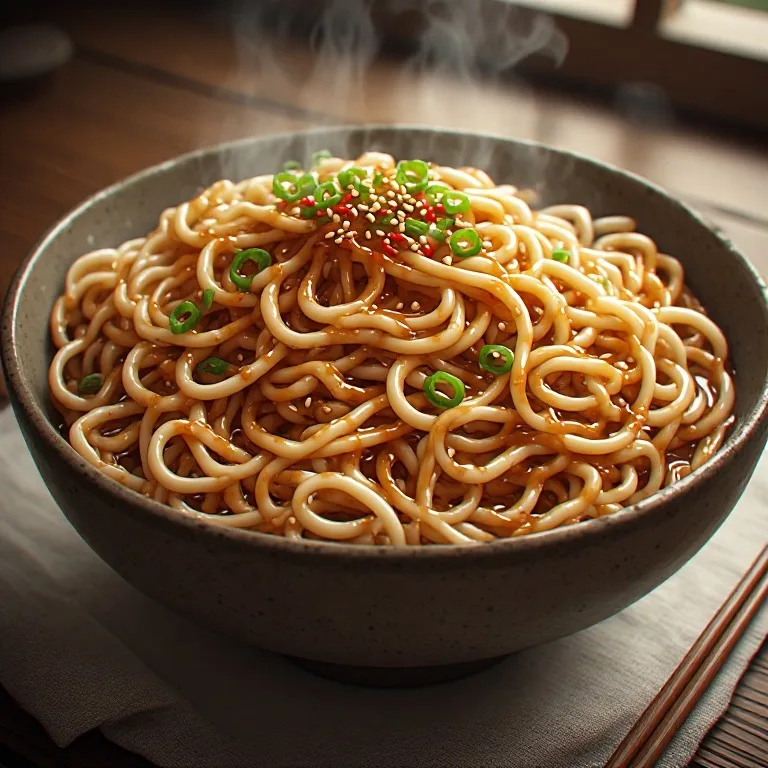

The difference between homemade miso ramen and restaurant miso ramen has always been one step that no recipe bothered to explain: restaurants do not dissolve miso paste in hot broth. They bloom it in fat first.
Two tablespoons of white miso paste and one tablespoon of gochujang, stirred into a spoonful of sesame butter and cooked for 90 seconds until the paste darkens and smells caramelized and nutty — this is called a tare, the seasoning base added to a plain broth to give each bowl its identity. The fat-soluble flavor compounds in miso dissolve into butter in a way they never fully dissolve into water. When you then add the broth, those compounds disperse evenly through every ladle’s worth of liquid, and the result tastes rounded, deep, and finished rather than thin and sharp.
This recipe takes 20 minutes, uses instant ramen noodles (discard both flavor packets), and produces a bowl that is genuinely difficult to distinguish from a mid-range ramen shop’s daily special. The gochujang adds heat and a subtle sweetness from its fermented glutinous rice base — not the sharp heat of sriracha or the thin heat of crushed red pepper, but the warm, layered heat of a fermented chili paste that builds slowly. White miso brings sweetness and complexity that red miso cannot — if your miso ramen has ever tasted flat or too salty, you were almost certainly using red miso.
Why blooming the miso is the whole point
Nearly every homemade miso ramen recipe tells you to stir miso into hot broth. That produces miso soup — thin, sharp, and one-note. The bloom is what changes it into ramen.
Miso and gochujang are both packed with fat-soluble flavor compounds that water can’t fully release. Cooking them in hot butter for 60 to 90 seconds does two things water never can. First, the fat dissolves and carries those compounds evenly through the entire pot instead of leaving them clumped and undissolved. Second, the heat drives a light caramelization of the fermented sugars and amino acids in the paste — the same browning reaction that makes seared meat and toasted bread taste deep rather than raw. The paste visibly darkens from pale beige and bright red to a bronzed, glossy color and smells nutty and caramelized. That aroma is your cue that it’s done.
Watch the heat: medium, not high. The garlic and ginger should soften and turn fragrant without browning, and the paste should sizzle gently, not scorch. If it starts to smell acrid or catches on the bottom, pull the pan off the heat for a few seconds and lower the burner. Ninety seconds is the target — it’s shorter than it feels.
Gentle simmer, then taste and adjust
Once the broth goes in, keep the heat at a lazy simmer with bubbles only at the edges. A hard boil drives off the volatile aromatics that give white miso its sweetness and dulls the whole bowl. This is also why you never add miso to actively boiling liquid.
Taste before you plate — this is the step that turns a good bowl into a great one. The broth should read intensely savory first, mildly spicy second, and rich enough to stand up to the noodles. Too flat? Dissolve a little more miso in a ladle of broth and stir it back in. Not spicy enough? A teaspoon more gochujang. Too mild on salt? A splash more soy. Adjust the miso and soy last, after the bloom and aromatics are already right — chasing salt early is how bowls end up over-seasoned.
The 7-minute jammy egg
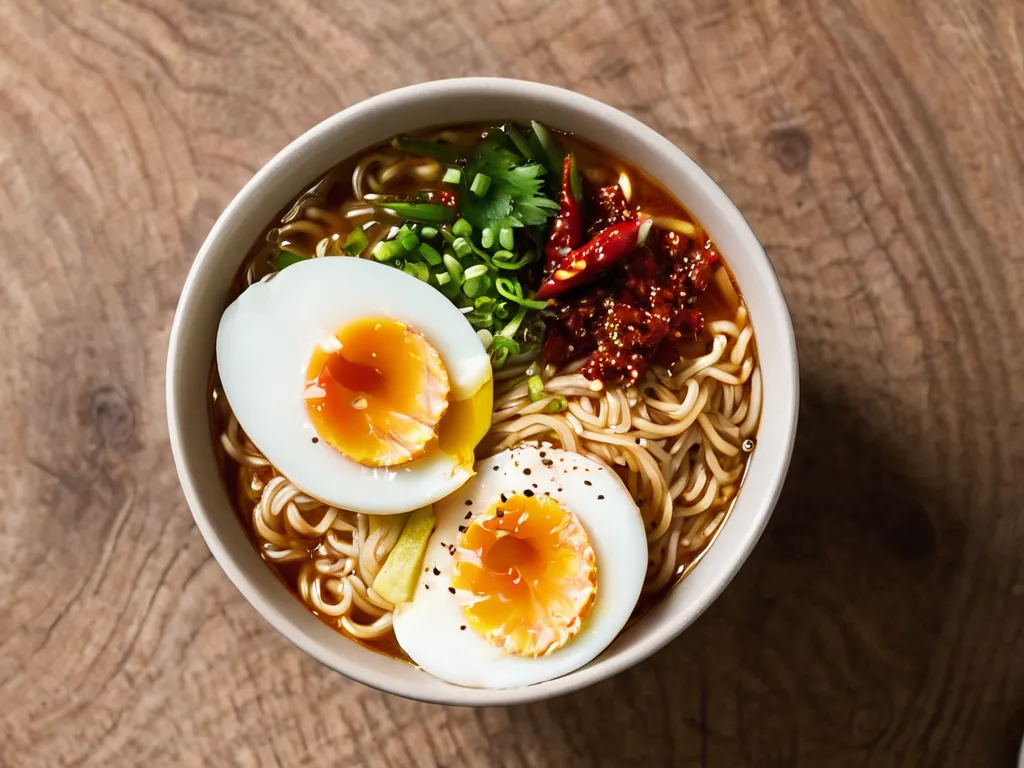
A cold egg lowered into already-boiling water and cooked for exactly 7 minutes, then shocked in ice water, gives you the classic ramen yolk: set at the edge, molten-orange in the center. Six minutes runs looser; eight sets it nearly hard. The ice bath isn’t a nicety — carryover heat keeps cooking the yolk for minutes after the egg leaves the pot, so skipping it overcooks the center every time.
To go full ramen-shop, marinate the peeled eggs into ajitsuke tamago: soy sauce, mirin, a splash of sake or water, and a pinch of sugar, refrigerated a few hours. The whites turn mahogany and pick up a savory-sweet edge. Full ratios are in the FAQ below.
Choosing your miso, chili paste, and broth
Three ingredient choices decide the bowl, and all three are easy to get right:
- White miso (shiro), not red. White miso is sweeter and milder; red miso (aka) is aggressively salty and will flatten the other flavors. If red is all you have, use half the amount and add a little extra rice vinegar for brightness.
- Gochujang paste, not sauce. The thick paste in a tub blooms and concentrates; the bottled sauce is thinned with vinegar and water and won’t deliver the same depth.
- Dashi, chicken broth, or a 50/50 mix. Dashi gives clean Japanese-ramen-shop umami; chicken broth adds familiar body; the half-and-half mix gets you both. Instant dashi powder (Hon Dashi) makes this a 10-second decision.
Make it your bowl
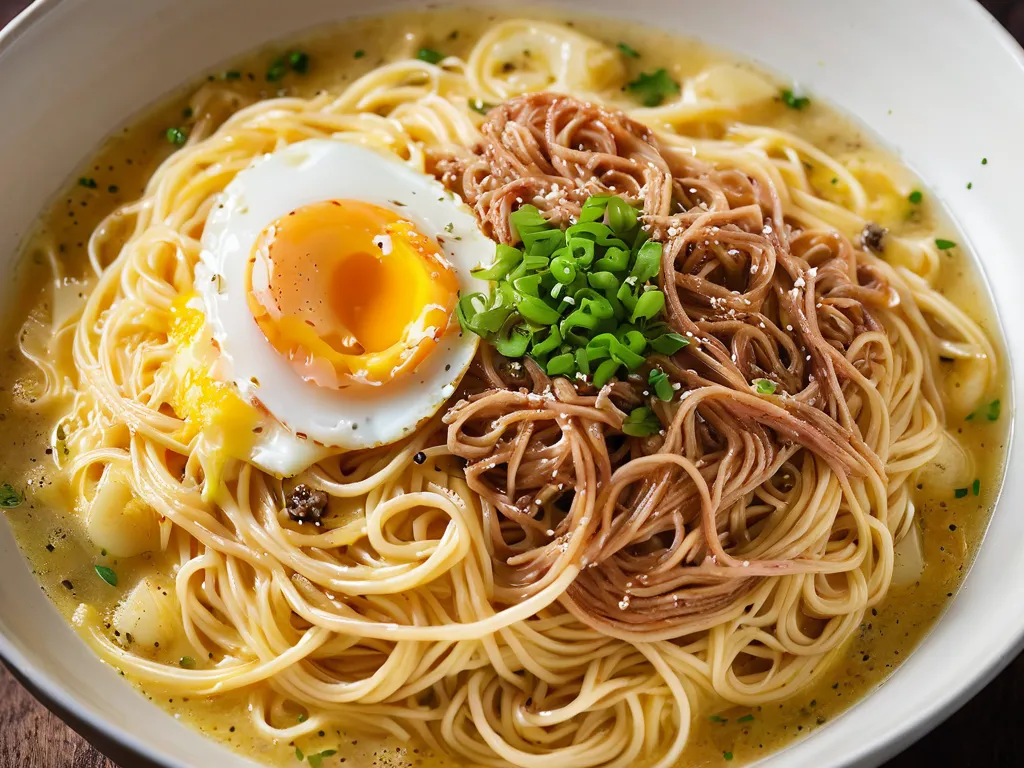
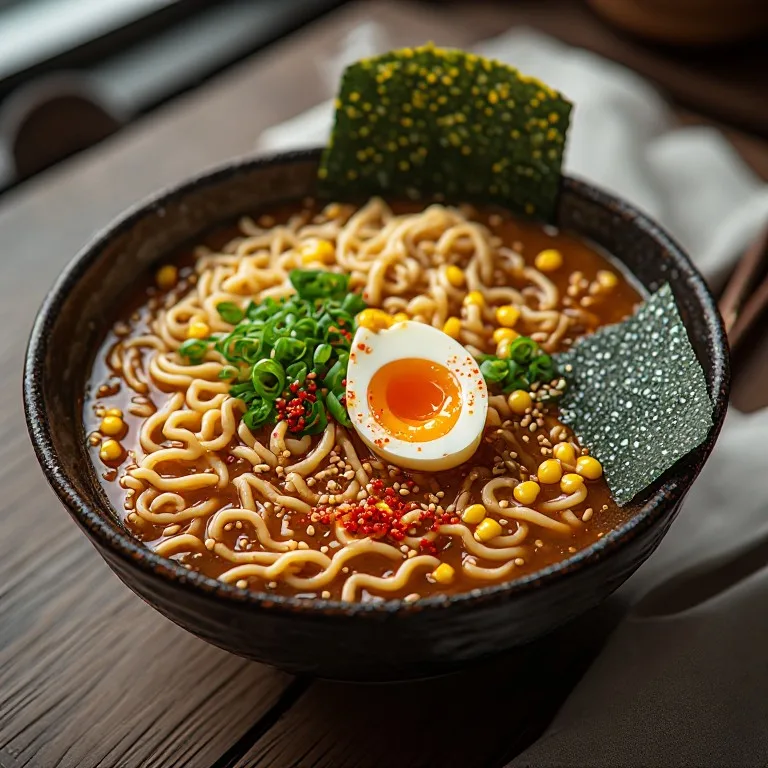
The base is noodles, broth, egg, corn, scallion, sesame, and nori. From there it flexes: add ground pork or beef browned with a little soy and ginger, seared tofu for a vegan bowl, blanched bean sprouts or bok choy, or sautéed shiitakes. A swirl of tahini or peanut butter turns it into a creamy tan-tan-style variation. Run the egg timer, the noodle water, and the broth at the same time and the whole thing lands in 20 minutes.