
Why This Went Viral
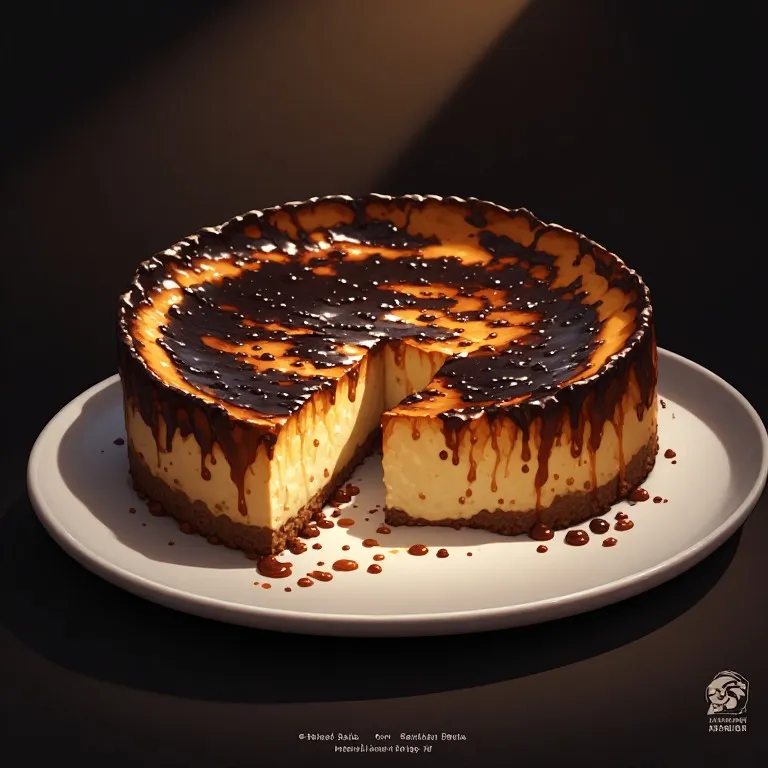
Every food trend eventually arrives at the anti-perfectionist moment — the dish that tells you to stop trying so hard. San Sebastián cheesecake is that dish in its purest form. The top is supposed to look burnt. The center is supposed to be underdone. There’s no crust to burn, no water bath to leak, no decorating required. You make a batter, pour it into a pan lined with crumpled parchment, and bake it at a temperature that would alarm you if you saw it in any other recipe.
The original comes from Bar La Viña in the Basque city of San Sebastián, Spain, where chef Santiago Rivera has been serving it since 1990. It hit TikTok when home bakers discovered that the deliberate chaos of the recipe — high heat, minimal ingredients, intentional imperfection — produced something that tasted like the best restaurant dessert they’d ever had, made in 10 minutes of actual hands-on work. The jiggly center video format was made for this recipe.
The Technique That Makes It Work
The high temperature is the entire mechanism. At 425°F, the exterior of the cheesecake heats fast enough to caramelize and darken while the interior never reaches the temperature where eggs fully set into a rubbery solid. You end up with a thermally stratified dessert: a bitter, complex, slightly crisp top layer, a set but yielding outer ring, and a center that’s essentially a warm custard.
The batter is intentionally thin. Two full cups of heavy cream in addition to four blocks of cream cheese makes this pourable in a way that American-style cheesecake batter never is. That liquid content is what keeps the center from overcooking — there’s simply too much moisture there to heat through completely in the baking window.
Room temperature ingredients matter here more than in almost any other baked dessert. Cold cream cheese doesn’t beat smooth — it stays in cold chunks that never fully incorporate, and you’ll end up with a grainy batter that bakes into a lumpy result. Pull the cream cheese and eggs out at least 2 hours before you start, or speed it up by setting the sealed cream cheese blocks in a bowl of warm (not hot) water for 20 minutes.
Serving and Presentation
The best service temperature for San Sebastián cheesecake is slightly below room temperature — not fridge-cold, but not warm. Right from the fridge it’s too firm and the custardy quality disappears into something closer to dense American cheesecake. Let it sit out for 30 to 45 minutes before cutting.
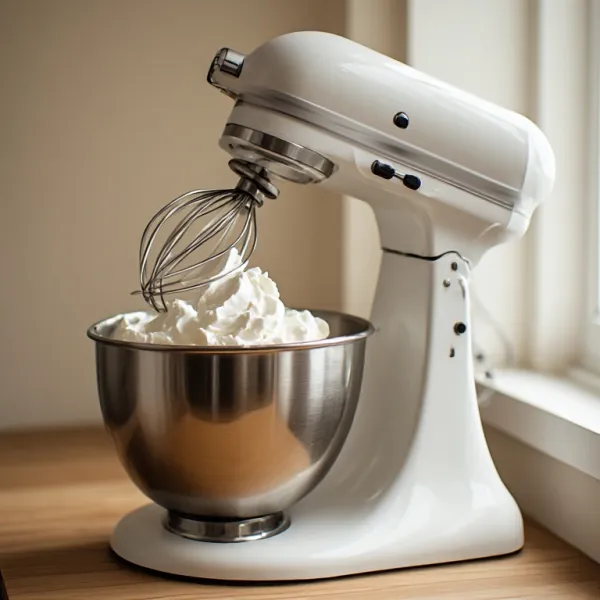
No sauce, no powder, no fruit garnish. The burnt top is the presentation. If you feel compelled to add something, a small dollop of lightly whipped unsweetened cream on the plate is the maximum acceptable accompaniment. Anything more distracts from the point.
Slice with a clean, dry knife and don’t try for perfect geometry — the soft center will compress slightly under the knife and the slices will look hand-cut. That’s correct. This is a rustic Basque bar dessert, not a patisserie cake.
Variations to Try
Brown Butter Version: Brown 2 tablespoons of butter until nutty and amber, let it cool slightly, then whisk it into the batter before pouring. It adds a hazelnut undertone that reinforces the caramelized top.
Matcha San Sebastián: Whisk 2 tablespoons of sifted ceremonial-grade matcha into the flour before adding it to the batter. The interior turns jade green against the dark top — visually striking, and the grassy bitterness of the matcha pairs perfectly with the caramelized crust.
Ricotta Blend: Replace one block (8 oz) of cream cheese with 1 cup of full-fat ricotta. The texture becomes slightly more grainy in the best way — closer to an Italian torta di ricotta — and the flavor picks up a milky lightness.
Individual Ramekins: Divide the batter among eight 6-oz ramekins, reduce oven temperature to 400°F, and bake for 18–22 minutes. Individual serving, same burnt top effect, and dramatically easier to portion for dinner parties. Check early — smaller vessels heat through faster.