


Pin It

Viral TikTok 2-Ingredient Japanese Cheesecake (Greek Yogurt + Biscoff)

Viral TikTok 2-Ingredient Japanese Cheesecake (Greek Yogurt + Biscoff)
Jump to Recipe
Prep 2 min Cook 0 min Serves 1–2
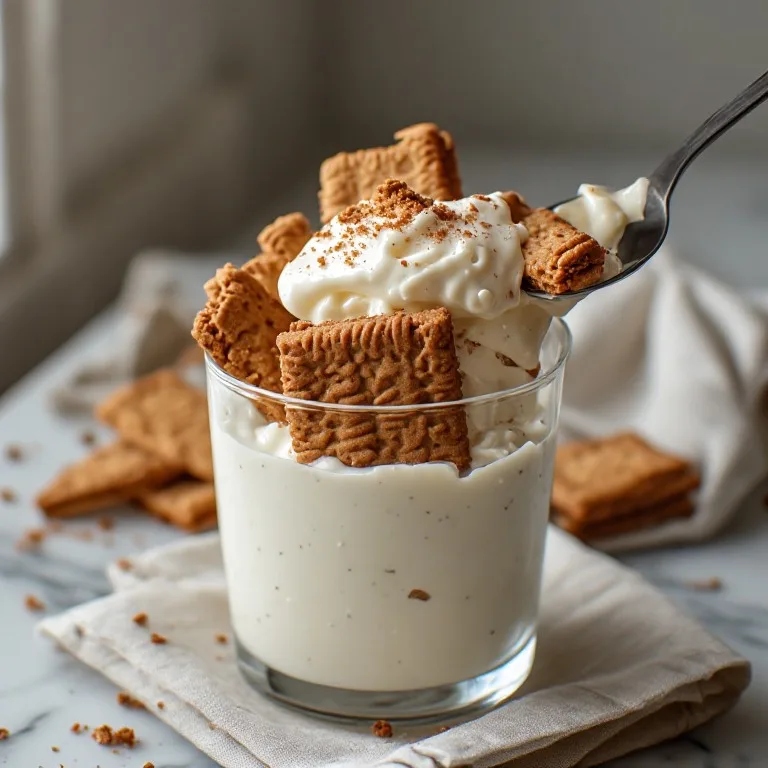
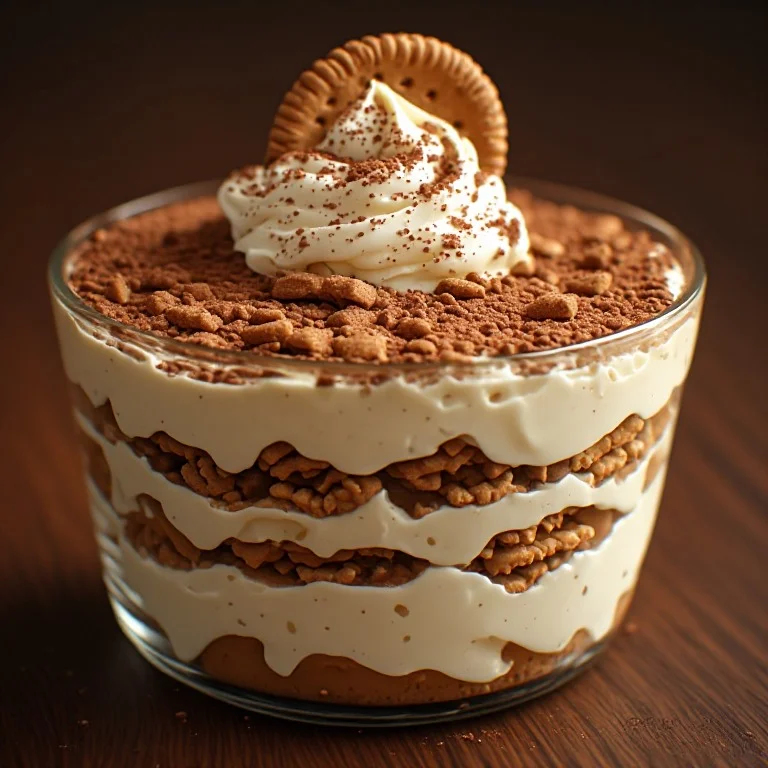
Quick answer: Stir 1 tablespoon of honey and ½ teaspoon of vanilla extract into 1 cup of full-fat Greek yogurt (4–5% fat — Fage, Chobani Whole Milk, Stonyfield). Press 10–12 Lotus Biscoff cookies into the yogurt — they can stand upright or lie flat; either works. Cover tightly with plastic wrap or a lid and refrigerate for at least 6 hours, overnight preferred. During chilling, the dry cookies slowly absorb moisture from the yogurt and transform from crisp to completely soft and cakey throughout — the way a cheesecake crust does when it absorbs filling. The yogurt's lactic tang mimics cream cheese. The result genuinely tastes like cheesecake. This is not the same recipe as the Biscoff yogurt tiramisu — no coffee required, no straining, no layering. The whole technique is the insert-and-wait.

Shop the tools

Gear matched to this recipe. These are Amazon affiliate links — we may earn a small commission if you buy, at no extra cost to you.

As an Amazon Associate, Copycat Spices earns from qualifying purchases. Product images are generic illustrations, not the exact item listed.

Viral TikTok 2-Ingredient Japanese Cheesecake (Greek Yogurt + Biscoff)

The viral TikTok 2-ingredient Japanese cheesecake: thick Greek yogurt + Biscoff cookies, pressed and refrigerated overnight. The cookies slowly absorb the yogurt and soften into a cakey, cheesecake-crust layer — no baking, no straining, no effort. Here's the exact technique, why it works, and the best variations.

Easy Prep: 2 min Cook: 0 min Total: 2 min1–2 servings ~$3.85/serving
Prep2 min
Cook0 min
Total2 min
Servings
1
At home~$3.85/serving
vs
Restaurant~$17.32/serving
You save ~78%

The Story Behind the Recipe

The viral TikTok 2-ingredient Japanese cheesecake: thick Greek yogurt + Biscoff cookies, pressed and refrigerated overnight. The cookies slowly absorb the yogurt and soften into a cakey, cheesecake-crust layer — no baking, no straining, no effort. Here's the exact technique, why it works, and the best variations.

Nutrition Facts

Per serving (1–2 servings)
Calories255
Total Fat11g
Total Carbs28g
Dietary Fiber0g
Sugars18g
Protein11g
Sodium120mg

* Estimated values based on standard recipe preparation. Actual values may vary.

Ingredients

  • Optional sweeteners and flavor
  • Optional toppings (added right before eating)

Instructions

💡
Pro tip: This recipe tastes even better the next day. The flavors need time to meld together in the fridge.
❄️
Storage: Keeps in an airtight container in the fridge for up to 2 weeks. Freezer-friendly for up to 3 months.
🎃 Free Halloween cookbook — download now The Copycat Halloween Cookbook A ready-made, photo-illustrated PDF of our best halloween copycat recipes — free to download, no building required. Pay what you want to support if you love it.

Free PDF — instant download. We'll also send new seasonal copycat recipes now and then; unsubscribe anytime. Or just download it →

The Viral TikTok 2-Ingredient Japanese Cheesecake That Takes 2 Minutes to Make

Every few months, TikTok produces a recipe that sounds like it cannot possibly work — and then it does, completely, and you can’t stop making it.

The 2-ingredient Japanese cheesecake is exactly that. Two items: a container of thick Greek yogurt and a pack of Biscoff cookies. Two minutes of prep. Six to twelve hours in the refrigerator. The result genuinely tastes like cheesecake — tangy and creamy from the yogurt, with cookies that transform overnight from crisp and caramelized to soft, cakey, and fully integrated throughout.

Creator videos demonstrating this reached millions of views in 2026. The technique is real, the result is as good as it looks, and once you understand why it works, you can vary it indefinitely.

What “Japanese Cheesecake” Actually Means Here

To be clear upfront: this is not the actual Japanese cotton cheesecake. Real Japanese cheesecake — the kind from Uncle Tetsu, Rikuro Ojisan’s, or any dedicated cheesecake shop in Tokyo — is a baked dessert that uses cream cheese, eggs, and carefully folded meringue to produce a light, jiggly, soufflé-style cake. It requires a water bath, careful temperature control, and real baking technique. It’s delicious, and it’s an entirely different recipe.

TikTok borrowed the name informally because the result of this yogurt hack shares a quality: lighter and creamier than dense New York cheesecake, with the same tangy-sweet profile but without the weight. The name stuck and spread. When you search “viral TikTok Japanese cheesecake,” this yogurt-and-cookies hack is what comes up.

If you want a genuinely rich, sliceable cheesecake rather than a spoon-from-the-jar version, the no-bake Biscoff cheesecake uses cream cheese and a real cookie crust — the same Biscoff flavor, but a formal dessert you can serve to guests.

Why Greek Yogurt Tastes Like Cheesecake

Greek yogurt and cream cheese taste similar for a direct reason: both are fermented dairy products with enough fat and lactic acid to produce richness and tang. Cream cheese is higher in fat (around 33%) and much denser; full-fat Greek yogurt (4–5% fat) is thinner, but shares the same core flavor architecture. The tang that reads as “cheesecake” in both cases comes from lactic acid produced during bacterial fermentation — the same strains used in cream cheese production, just at different concentrations.

For this recipe, you don’t need to strain or process the yogurt. Full-fat Greek yogurt straight from the container — Fage 5%, Chobani Whole Milk Greek, Stonyfield Whole Milk Greek — already has enough richness and tang to produce the cheesecake flavor. Non-fat or low-fat Greek yogurt won’t achieve the same result: the tang is there but the richness isn’t, and the difference is noticeable.

Why the Cookies Transform Overnight

This is the interesting part, and it’s straightforward food science.

Biscoff cookies start extremely dry — their moisture content is less than 5% by weight. Full-fat Greek yogurt is about 80% water. When you press dry cookies into yogurt and seal the container, the moisture gradient drives water from the yogurt into the cookie over time through simple capillary absorption. The process is slow and steady: at 3 hours, the cookies have softened at the edges. At 6 hours, they’re fully tender throughout. At 12 hours, they’re completely cakey — soft from the core outward, with no remaining crisp resistance.

The fat in the cookies also contributes as they soften: Biscoff uses palm oil in its structure, and as that fat loosens during softening, it diffuses lightly into the surrounding yogurt, giving the yogurt layers a faint Biscoff caramel-spice flavor even where no cookie directly touches.

The result is creamy-cakey-tangy, genuinely assembled in texture rather than just a bowl of yogurt with a cookie in it.

Why Biscoff Specifically

Biscoff cookies work better than most alternatives for three specific reasons:

Extreme starting crispness. Biscoff cookies are among the hardest, driest commercially available cookies. That dryness gives them high absorption capacity — they can soak up a large amount of liquid before reaching the soft, cakey stage. Softer cookies (anything labeled “chewy” or “soft batch”) collapse immediately instead of absorbing gradually.

Flavor that pairs perfectly. Biscoff’s caramelized brown sugar, cinnamon, and spice profile is dessert-native — the cookie was designed to complement a coffee beverage, which means its flavor is specifically built to enhance rather than dominate a creamy base. The caramel notes in particular reinforce the cheesecake-crust association.

Clean structure when softened. Unlike sandwich cookies, Biscoff has no filling to turn greasy when wet. Unlike graham crackers, Biscoff holds its slab shape even when completely soft rather than crumbling into the yogurt. Each softened cookie remains identifiable as a layer.

This Recipe vs. the Biscoff Yogurt Tiramisu

If you’ve already made the Biscoff yogurt tiramisu, you know a different way to combine Biscoff cookies and Greek yogurt. These are genuinely different recipes:

  • The tiramisu requires espresso, straining yogurt through cheesecloth, and deliberate layer assembly in a dish. The result is closer to actual tiramisu: formal, layered, slightly coffee-forward.
  • This recipe requires nothing except pressing cookies into yogurt and waiting. No coffee. No straining. No dish assembly. The result is more casual and concentrated — the cookie flavor comes forward without coffee competing.

Neither is better; they’re different desserts from similar ingredients.

Variations

Strawberry: Stir 2 tablespoons of strawberry jam into the yogurt before adding cookies. The fruit acidity brightens the tang; the strawberry-Biscoff-cream combination is accurate to strawberry cheesecake.

Chocolate: Use plain Oreo wafers with the filling scraped out (the filling becomes greasy when wet). Add 1 tablespoon of Dutch-process cocoa powder to the yogurt. The result is a chocolate cheesecake version with a strong cocoa flavor.

Lemon: Add the zest of 1 lemon and 1 tablespoon of lemon curd to the yogurt. Use digestive biscuits instead of Biscoff. This version is lighter and more tart — closer to a lemon tart than a cheesecake, but excellent.

High-protein: Mix 2 tablespoons of plain casein protein powder into the yogurt before adding cookies. Casein thickens slightly when chilled and adds 8–10g of protein per serving without changing the flavor in any noticeable way. Use whey protein and the yogurt will become watery — stick to casein.

For other easy no-bake yogurt desserts in the same category, the frozen yogurt fruit clusters and cottage cheese ice cream both follow a similar “minimal prep, refrigerator does the work” philosophy.

🥗

Make It Healthier

Love Viral TikTok 2-Ingredient Japanese Cheesecake (Greek Yogurt + Biscoff) but want a lighter version? Try these simple swaps:

  • ✓Use plain full-fat Greek yogurt without added sweetener for the lowest-calorie version — the Biscoff cookies already carry enough sweetness that the unsweetened yogurt tang reads as satisfying rather than sour
  • ✓Mix 2 tablespoons of plain casein protein powder into the yogurt before adding cookies — casein thickens slightly when chilled and adds 8–10g of protein per serving with minimal flavor change (whey protein makes the yogurt watery; use casein)
  • ✓Trader Joe's Speculoos cookies are identical in technique to Biscoff but slightly less sweet — a neutral swap if you find Biscoff too sugary
  • ✓For a fruit version: stir a spoonful of 100% strawberry or raspberry jam into the yogurt with no added honey; the fruit's natural sugar does the sweetening and the jam flavor blooms into the surrounding yogurt during chilling

Frequently Asked Questions

Is this actually Japanese cheesecake?

No — real Japanese cheesecake (Uncle Tetsu style, cotton/jiggly cheesecake) is a baked dessert using cream cheese, eggs, and folded meringue that produces a light, soufflé-like cake. It's a completely different recipe requiring baking technique. TikTok borrowed the 'Japanese cheesecake' name for this yogurt hack because the result is lighter and creamier than dense New York cheesecake — a similar quality, but entirely different origin. The informal name spread because it fits: tangy, creamy, cheesecake-adjacent, but not heavy.

What's the difference between this and the Biscoff yogurt tiramisu?

Three key differences. (1) No coffee: the tiramisu recipe requires espresso for dipping cookies; this doesn't use any coffee. (2) No straining: tiramisu strains the yogurt through cheesecloth for 2–4 hours to thicken it to mascarpone consistency; this uses Greek yogurt straight from the container. (3) Different mechanics: tiramisu layers espresso-dipped cookies with strained yogurt and requires deliberate assembly in a dish; the Japanese cheesecake method lets dry cookies slowly absorb yogurt moisture overnight on their own, producing a completely different texture throughout. The tiramisu is a more refined, composed dessert; this is a 2-minute container hack.

Can I use different cookies besides Biscoff?

Yes. Best alternatives: Speculoos cookies (same as Biscoff, Trader Joe's house brand), Italian biscotti (almond or plain work very well), digestive biscuits (more neutral flavor, British-style), or Lotus Biscoff Sandwich cookies. For a chocolate version: plain Oreo wafers without the filling (the filling turns greasy when wet). Avoid soft cookies — anything labeled 'chewy' or 'soft batch' will collapse to mush rather than absorbing gradually. The cookie needs to start completely crisp and dry so it can absorb yogurt moisture slowly over hours rather than immediately disintegrating.

Can I use regular yogurt instead of Greek yogurt?

You can use it, but it won't taste like cheesecake. Regular yogurt is too thin and watery — it makes the cookies soggy immediately rather than allowing slow absorption, and the result tastes like flavored yogurt with wet cookies in it. The cheesecake flavor comes from the lactic acid richness and fat content of full-fat Greek yogurt. Fage 5%, Chobani Whole Milk Greek, Stonyfield Whole Milk Greek, or Oikos Triple Zero all work. Non-fat Greek yogurt is technically passable but noticeably thinner in richness — full-fat is worth it here.

How long does it need to refrigerate?

Minimum 6 hours; overnight (10–12 hours) is significantly better. At 3 hours, the cookies are softened but still a bit chalky in the center. At 6 hours, they're fully tender. At 12 hours, the texture is at its best — completely cakey, with the cookie and yogurt layers fully integrated. Don't refrigerate past 24 hours: the cookies become overly mushy and any structural distinction disappears. This is best eaten within 24 hours of making it.

Love this recipe? Share it!

Free PDF: our 12 most-wanted copycat recipes — instant download.

Made it? Buy us a coffee

Every recipe here is free, with no paywalls. If this one was a hit at your table, a small tip keeps new copycats coming.

$

Ratings & Reviews

—
No ratings yet

Rate this recipe

Click a star to rate

Leave a Review

0/500

CS

Copycat Spices Editorial

Researched + fact-checked. Every recipe on Copycat Spices is built from published sources — official ingredient lists, brand-published recipes, interviews and food-science references — and fact-checked before it goes live, then written as clear, step-by-step instructions for home cooks of all skill levels.

Learn more about our mission →