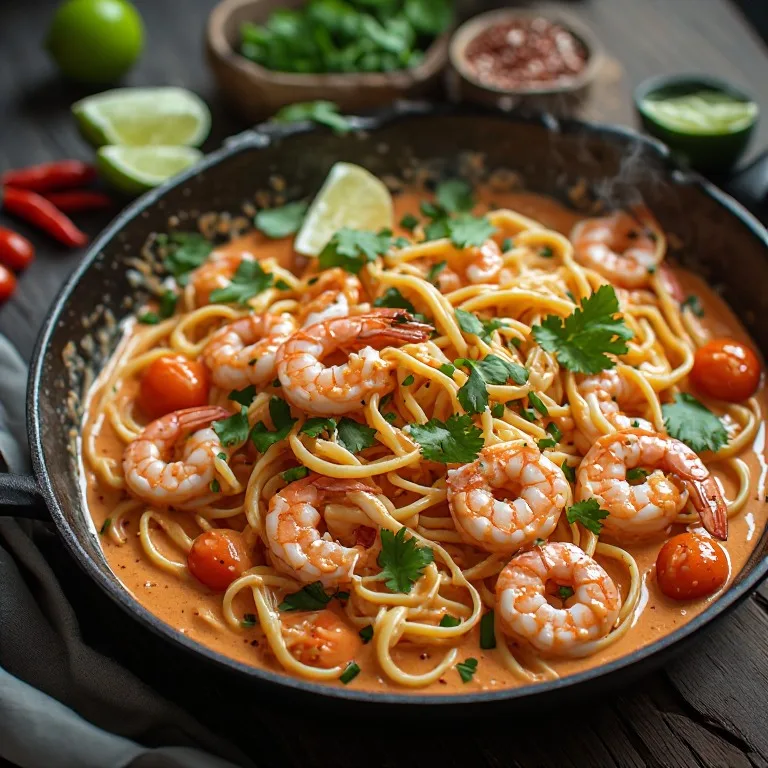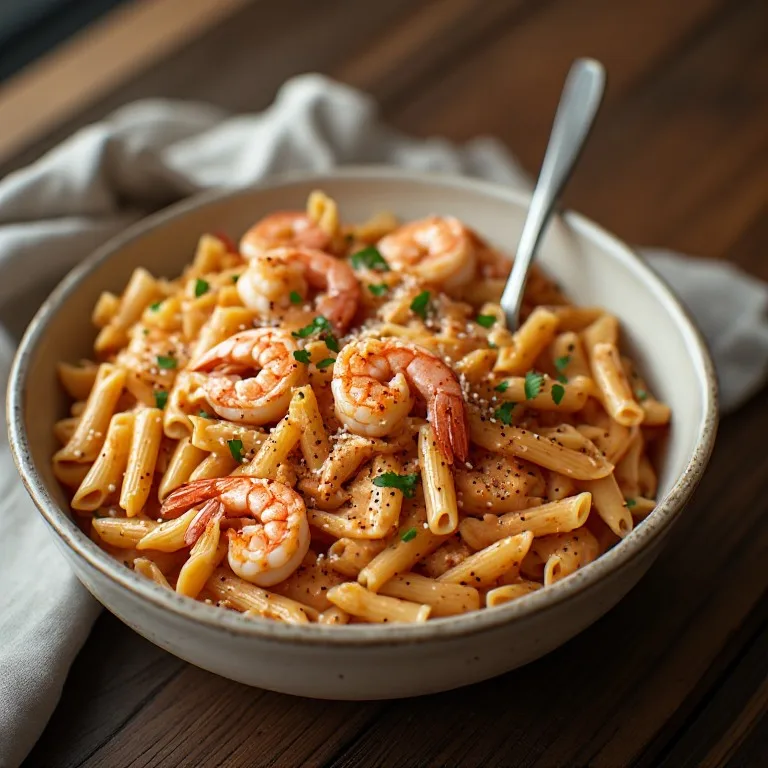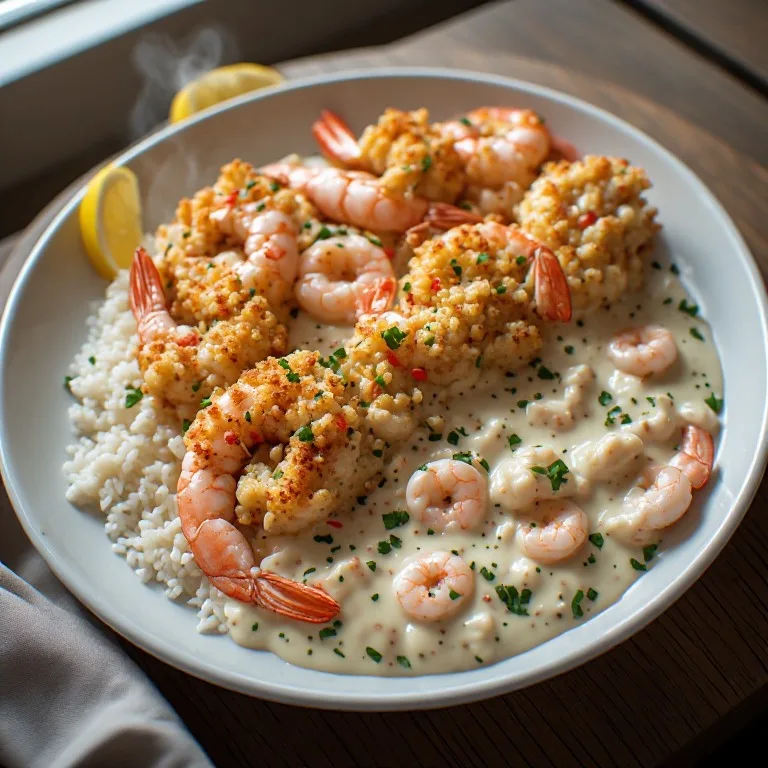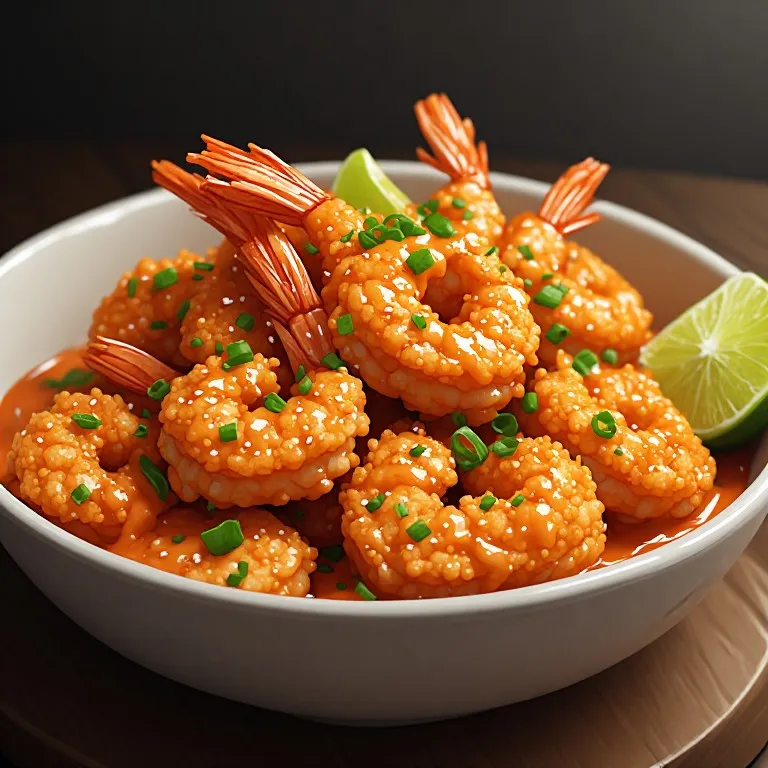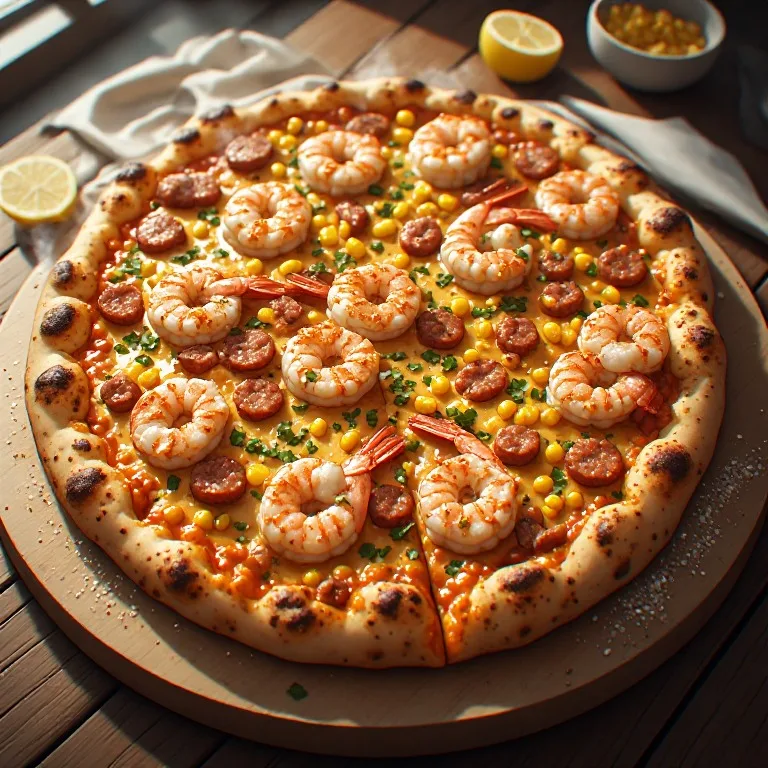



The seafood boil pizza is one of those TikTok mashups that sounds like a gimmick until you eat it, then it makes complete sense. The concept is simple: take the Cajun garlic butter that a seafood boil swims in — the sauce people spend $40 at a restaurant for — and use it as the pizza base instead of tomato sauce. Add pre-cooked shrimp, lump crab, andouille, and corn, melt cheese over the top, and bake until the edges are golden and the whole thing smells like a summer boil in New Orleans.
The reason it works where most seafood pizzas fail is technique. Two things go wrong in every amateur version: the shrimp overcook (because people put raw shrimp on raw dough and bake for 12 minutes — that’s 3× too long), and the crust goes soft (because the butter and seafood moisture soak in before the crust can set). Both are completely avoidable.
Why the Cajun Boil Butter Is the Whole Recipe
The boil butter is what makes this pizza taste like a seafood boil instead of just a seafood pizza. The difference matters.
A typical seafood pizza uses white sauce or olive oil — neutral, creamy, forgettable. The Cajun boil butter is something else: garlic cooked in butter until fragrant, layered with Old Bay (its herbal celery-seed notes), Cajun seasoning (its heat and smoked paprika backbone), and finished with lemon. It’s the exact sauce you’d pour over a plastic bag of shrimp and corn after an outdoor summer boil.
You use it three ways in this recipe:
- As the cooking liquid for the shrimp (so the shrimp absorbs flavor, not just gets oil)
- As the base sauce brushed on the parbaked crust (instead of tomato)
- As the final drizzle over the finished pizza (so every bite leads with that sauce)
The sauce-forward approach also solves a common problem with seafood pizza: the cheese and crust tend to mute the flavor of delicate seafood. The Cajun butter is assertive enough that it reads clearly even through the mozzarella.
The Pre-Cook Technique for Shrimp
Shrimp need about 3 minutes of total heat to cook through. A pizza bake runs 10–12 minutes. If you put raw shrimp on the pizza, you’ve cooked them 3–4× too long by the time the crust is done.
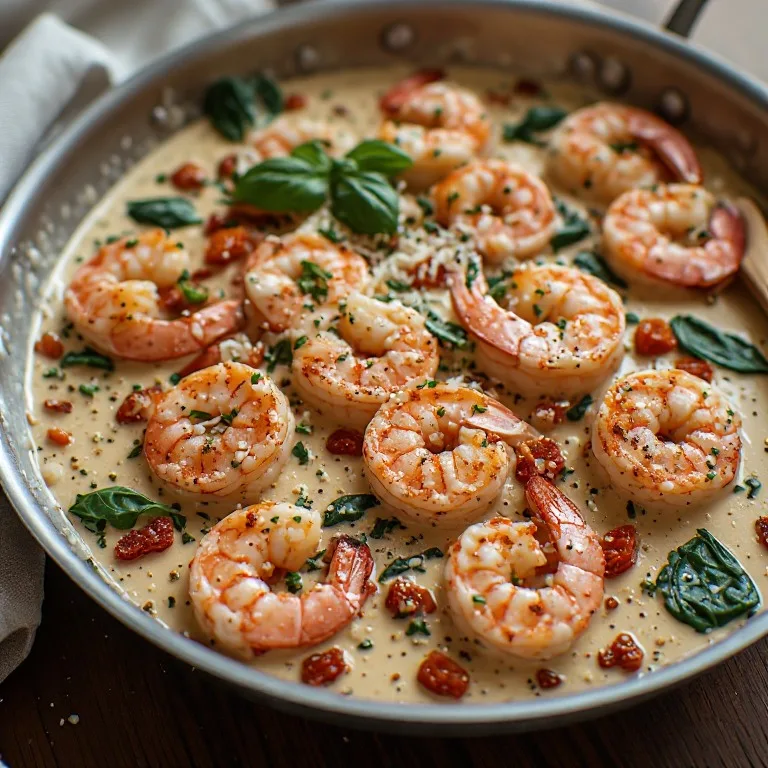
The fix: cook the shrimp in the Cajun butter first, but stop them early. When a shrimp curls into a tight C and turns pink at the edges with a translucent spot still visible in the center, pull it. That’s your target. They’ll carry over to fully done in the oven’s residual heat during the bake.
Visual reference:
- Not ready: gray, flat, shrimp
- Right: C-shaped, pink at edges, still slightly translucent in the thickest part
- Too far: tight O-shape (fully curled), fully opaque, firm — rubbery on the pizza
If you only have pre-cooked (already pink) shrimp, add them in the last 3 minutes of baking only. A hot oven for 3 minutes is enough to heat them through without overcooking.
The Cheese Combination
Mozzarella alone works but tends to produce a stringy, slightly bland pull. The addition of fontina or provolone matters: both melt into a creamy, flowing layer that holds the toppings together without releasing as much oil as cheddar would.
The Parmesan goes on last, before the bake — it browns faster than the other cheeses and creates flecked spots of golden-salty flavor across the surface.
The ratio that works: roughly equal parts mozzarella and fontina, with a thin dusting of Parmesan. Don’t bury the seafood in cheese — this isn’t a cheese-forward pizza. The seafood is the lead; the cheese is the binder.
Crust Options
Fresh pizza dough (store-bought or homemade): Best result. Chewy, airy, golden edge. Requires the parbake step.
Pre-baked flatbread or naan: Skip the parbake. Bake at 425°F for 8 minutes. Crispier, thinner, ready faster. Works well as an appetizer.
Pre-made pizza crust (Boboli-style): Skip the parbake. Bake at 425°F for 8–10 minutes. Reliable but less interesting texture.
Sourdough crust: The tang of sourdough is an excellent match for Cajun seasoning — they both have that acidic sharpness. If you make or buy sourdough pizza dough, use it here. Parbake the same way.
Whatever crust you use: the Cajun butter goes on immediately after the parbake, while the crust is still hot. The heat helps the butter absorb slightly into the surface.
Spice Level Guide
| Heat | How to Adjust |
|---|---|
| Mild | Cut Cajun seasoning to ½ tsp, skip red pepper flakes, use Italian sausage instead of andouille |
| Medium (default) | As written — 1 tsp each Old Bay + Cajun seasoning + pinch flakes |
| Hot | Double the red pepper flakes, use spicy andouille, finish with Crystal or Tabasco |
| Extra | Add ¼ tsp cayenne to the butter and serve with extra hot sauce at the table |
The heat in this recipe comes from the Cajun seasoning’s cayenne and the andouille’s pepper — both are controllable without changing the overall recipe structure.
Related Recipes
- Viral TikTok Rice Paper Dumplings — the crispy-pan-fried wrapper trend, great for the same dinner spread
- Viral TikTok Stick of Butter Chicken and Rice — similarly rich and crowd-pleasing dump-and-bake concept
- Viral TikTok Crunchy Chickpea Bowl — for a lighter follow-up meal after the pizza