

Pin It

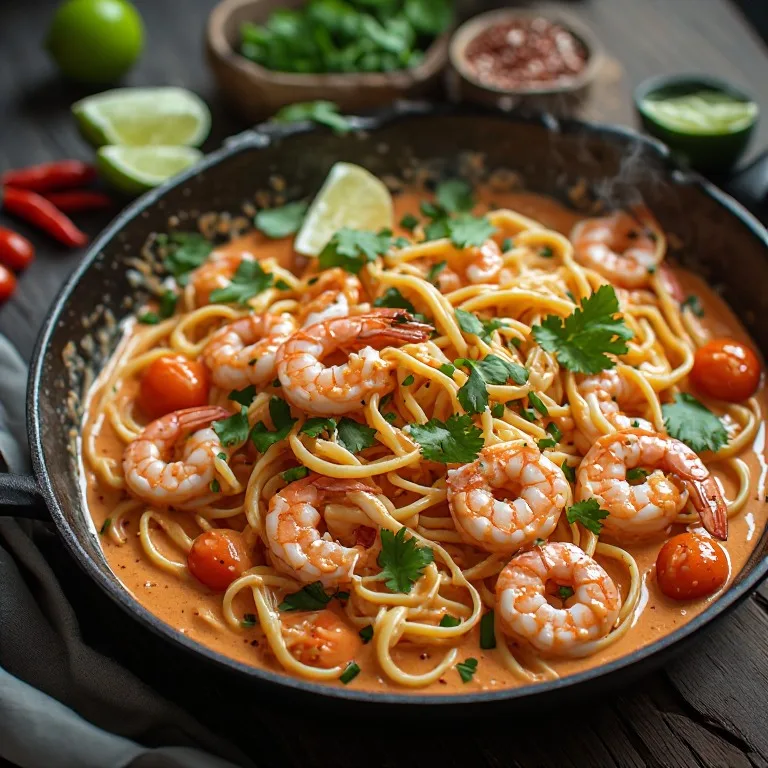
Creamy Tom Yum Pasta

Creamy Tom Yum Pasta
Jump to Recipe
Prep 10 min Cook 20 min Serves 4
Quick answer: The technique: melt 2 tablespoons butter in a 12-inch skillet over medium heat. Cook 4 cloves minced garlic, 1 bruised lemongrass stalk (cut into 3-inch pieces), 1-inch sliced galangal or ginger, 3 torn kaffir lime leaves, and 2 sliced bird's eye chilis for 2 minutes until fragrant. Add 2 tablespoons tom yum paste and stir for 1 minute until it darkens. Add 1 cup halved cherry tomatoes and cook until they start to burst, about 3 minutes. Pour in 1 cup heavy cream and ½ cup chicken stock, simmer 4 minutes until the sauce coats a spoon. Season with 2 tablespoons fish sauce, 1 tablespoon lime juice, and 1 teaspoon sugar. Add 12 oz peeled shrimp and cook 2–3 minutes until just pink. Drain 12 oz cooked linguine (reserve ½ cup pasta water first), add to the skillet and toss, adding pasta water by the tablespoon if needed. Remove the lemongrass pieces and galangal before serving. Top with sliced scallions, fresh cilantro, and lime wedges.

Shop the tools

Gear matched to this recipe. These are Amazon affiliate links — we may earn a small commission if you buy, at no extra cost to you.

As an Amazon Associate, Copycat Spices earns from qualifying purchases. Product images are generic illustrations, not the exact item listed.

Creamy Tom Yum Pasta

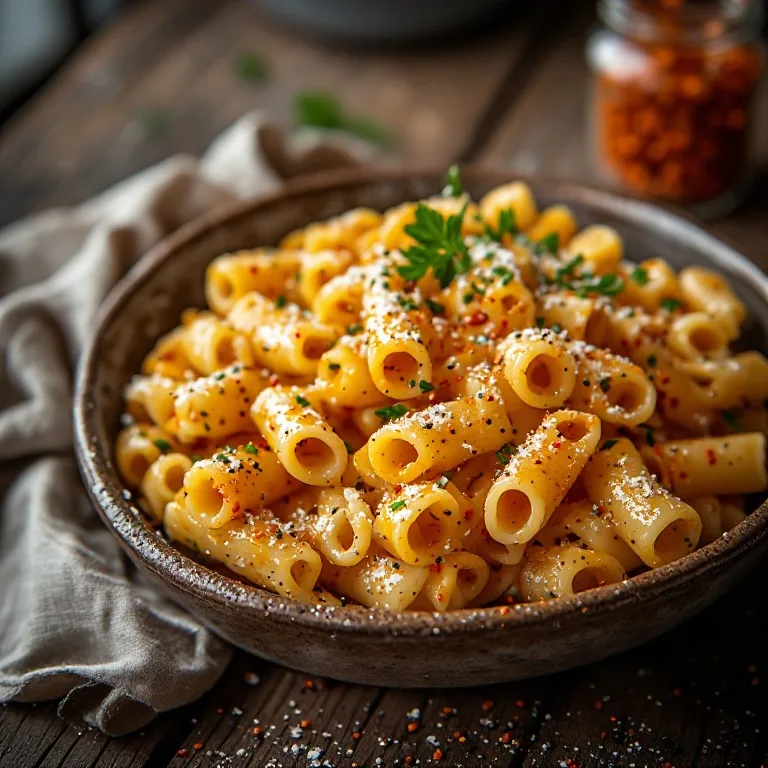
The viral TikTok Thai-Italian fusion pasta: shrimp in a creamy tom yum sauce built on lemongrass, kaffir lime leaves, bird's eye chilis, and fish sauce, finished with heavy cream and tossed with linguine. Deeply aromatic, spicy-sour, ready in 25 minutes.

Easy Prep: 10 min Cook: 20 min Total: 30 min4 servings ~$4.50/serving
Prep10 min
Cook20 min
Total30 min
Servings
4
At home~$4.50/serving
vs
Restaurant~$20.25/serving
You save ~78%

The Story Behind the Recipe

Tom yum is one of Thailand's most recognized dishes — a hot-and-sour soup built on four aromatics that have no real Western substitutes: lemongrass (grassy and floral), galangal (sharper and more peppery than ginger, with a pine-like edge), kaffir lime leaves (intensely citrusy without any bitterness), and fish sauce (fermented, funky, deeply savory). The classic version is "tom yum nam sai" — a clear broth with shrimp, mushrooms, and lime juice. The "nam khon" variant adds coconut milk or evaporated milk to soften the heat. Thai food historians generally trace tom yum's written documentation to cookbooks from the early 1900s, though the dish is certainly older. Thailand registered it as a protected culinary heritage item in 2023.

The pasta fusion version spread on TikTok in late 2024 and built real momentum through 2025 into 2026 — part of the same wave that made gochujang butter noodles and miso pasta mainstream. The visual of the deep orange-red cream sauce is what drives shares: it looks like a spicy vodka pasta but tastes like nothing else. A bowl at a Thai-Italian fusion restaurant, when you can find one with it on the menu, runs $16–22. The at-home cost is about $2.50 to $3 per serving. The actual technique is straightforward — you're making a pan sauce with Southeast Asian aromatics and finishing it with cream — but two things trip people up: using the wrong form of tom yum (paste, not powder or soup packets), and forgetting to remove the lemongrass before serving. Both are easy to get right once you know to watch for them.

Nutrition Facts

Per serving (4 servings)
Calories650
Total Fat28g
Total Carbs67g
Dietary Fiber3g
Sugars3g
Protein32g
Sodium950mg

* Estimated values based on standard recipe preparation. Actual values may vary.

Ingredients

  • Pasta
  • Tom yum cream sauce
  • Shrimp
  • To serve

Instructions

💡
Pro tip: This recipe tastes even better the next day. The flavors need time to meld together in the fridge.
❄️
Storage: Keeps in an airtight container in the fridge for up to 2 weeks. Freezer-friendly for up to 3 months.
🎃 Free Halloween cookbook — download now The Copycat Halloween Cookbook A ready-made, photo-illustrated PDF of our best halloween copycat recipes — free to download, no building required. Pay what you want to support if you love it.

Free PDF — instant download. We'll also send new seasonal copycat recipes now and then; unsubscribe anytime. Or just download it →

The viral TikTok creamy tom yum pasta takes the aromatic base of Thailand’s most iconic soup — lemongrass, galangal, kaffir lime leaves, bird’s eye chilis — and builds it into a 25-minute cream sauce for pasta. The result is spicy, sour, savory, and deeply fragrant in a way no ordinary cream pasta is.

The setup: the dish is a pan sauce. You build an aromatic base in butter, bloom tom yum paste in it, add cream, reduce, and toss with shrimp and pasta. The structure is identical to a standard cream pasta; the flavor identity is entirely Southeast Asian.

What Makes the Sauce Work

Three things carry the flavor:

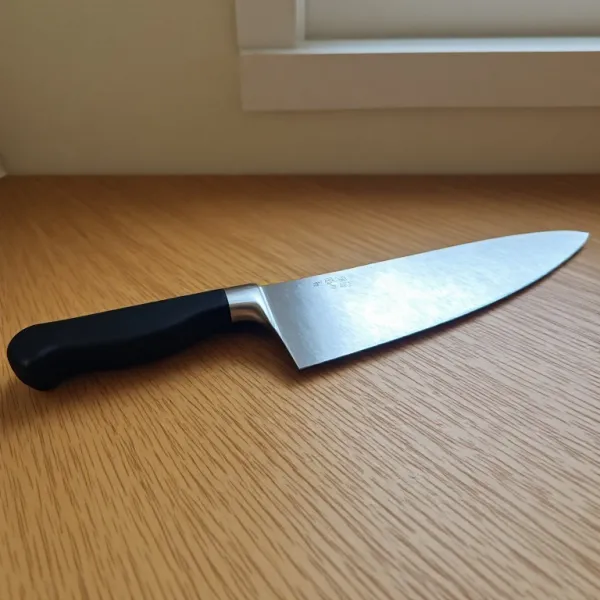
The lemongrass bruise. Unbruised lemongrass releases almost nothing into hot fat. Press each piece firmly flat with the back of a knife to crack the stalk — you can hear the fibers split. This exposes the volatile oils to the heat so they infuse into the butter during step 3.

Blooming the paste. Tom yum paste (Mae Ploy or Lobo, both reliable) has a slightly raw, sharp edge straight from the tub. Cooking it dry in the pan for one full minute — stirring constantly while it darkens against the heat — burns off that edge and concentrates the paste’s flavor by a noticeable margin. Don’t skip this minute.

Two-stage cream reduction. The cream goes in first with stock and reduces until it coats a spoon. Only then do the shrimp go in. This way the sauce is already built and seasoned before the protein cooks — you’re not chasing seasoning in a thin cream while the shrimp overcook.

The Tom Yum Paste Shortcut

Scratch-built tom yum uses fresh galangal, lemongrass, and kaffir lime leaves muddled into a paste, then fried off in oil. The shortcut version still uses fresh aromatics (garlic, lemongrass, galangal, kaffir lime leaves, chilis) but anchors the flavor with jarred paste — you get 80% of the depth in a fraction of the time. Tom yum paste is a concentrated blend of those same aromatics, processed and salted for shelf stability. It carries the shrimp paste funk and dried chili heat that the fresh aromatics alone wouldn’t provide in a 20-minute cook.

What to buy: Mae Ploy (red tub, widely available at Asian grocery stores) or Lobo (small packet, often at Whole Foods or H-E-B). Not tom yum powder. Not instant tom yum soup packets. Paste only.

Shrimp Timing

Shrimp overcook in seconds. In a cream sauce that’s actively simmering, 1 minute per side is the outside limit for large (21/25 count) shrimp. Pull the pan from the heat while the shrimp still look barely cooked — the sauce is hot enough to finish them through carry-over. A shrimp that’s shaped like a tight O is overcooked; a loose C-shape is perfect.

Before You Serve

Fish out every piece of lemongrass and galangal before bringing the bowls to the table. They’re not edible in the way garlic or tomato is — they’re woody aromatics that did their job in the sauce. The kaffir lime leaves are technically edible but tough; most people remove them too. A final squeeze of fresh lime over each bowl sharpens everything.
🥗

Make It Healthier

Love Creamy Tom Yum Pasta but want a lighter version? Try these simple swaps:

  • ✓Swap heavy cream for full-fat coconut milk — it cuts roughly 100 calories per serving, stays creamy, and makes the sauce taste more authentically Thai (closer to how 'tom yum nam khon' is made in Thailand). Use a 13.5 oz can; that's exactly 1¾ cups, so use ¾ cup and save the rest for another use.
  • ✓Use 8 oz of pasta instead of 12 oz and add 1 cup of edamame or chickpeas with the shrimp — you get roughly the same plate volume with more fiber and protein and fewer refined carbohydrates.
  • ✓Add 2 large handfuls of baby spinach or sliced bok choy in the last 2 minutes of cooking, just before tossing with pasta. They wilt down to almost nothing but add iron, potassium, and bulk that helps stretch the serving without adding meaningful calories.
  • ✓The sodium in this recipe comes almost entirely from fish sauce and tom yum paste. For a lower-sodium version, halve the fish sauce to 1 tablespoon and use low-sodium chicken stock — the sauce loses some depth but a squeeze of extra lime compensates.

Frequently Asked Questions

Can I use coconut milk instead of heavy cream?

Yes, and it's actually closer to how 'tom yum nam khon' (creamy tom yum) is traditionally made in Thailand, where coconut milk is added to the broth to soften the heat. Use full-fat canned coconut milk — not the carton beverage and not low-fat, which is mostly water and produces a thin sauce. Coconut milk makes the sauce slightly lighter in color, mildly sweeter, and more overtly Thai in flavor. Heavy cream makes a richer, more neutral base that lets the paste and aromatics lead — it's the version that reads most like a Western cream pasta with Southeast Asian seasonings, which is the appeal of the TikTok format. If using coconut milk, reduce the sugar by half since it has natural sweetness.

What is tom yum paste and which brand should I buy?

Tom yum paste is a concentrated blend of the core aromatics in tom yum soup — dried lemongrass, galangal, kaffir lime zest, shrimp paste, chilies, and often dried shrimp. It comes in small tubs, jars, or packets. Do not use tom yum powder (weaker, different formulation) or tom yum instant soup packets (made for adding to water, not for making sauce). The two most reliable brands in US grocery stores and Asian markets: Mae Ploy (red tub, widely available; strong, authentic flavor) and Lobo (small packets, often at Whole Foods and H-E-B; slightly milder). A reliable third option is Maesri, sold in small cans. Two tablespoons gives medium-heat intensity; start there and add more if you want more depth.

I can't find kaffir lime leaves. What should I substitute?

Kaffir lime leaves (also called makrut lime leaves) have a distinctive piney, intensely citrusy, floral scent that's hard to replicate. If you find them at an Asian grocery store, buy a bag and freeze them — they keep frozen for a year and can be used directly from the freezer without thawing. If you genuinely can't find them: the tom yum paste itself contains some kaffir lime flavor, so you won't be starting from zero. Add ½ teaspoon of finely grated lime zest plus an extra tablespoon of lime juice at the end to approximate the citrus brightness. Dried kaffir lime leaves (sometimes in the spice aisle) have significantly weaker flavor; use 6 dried for every 3 fresh.

Can I make this with chicken instead of shrimp?

Yes. Slice 1 pound of boneless skinless chicken breast or thighs into thin strips, about ¼-inch thick, and season lightly with salt. In step 8, add the chicken to the sauce instead of shrimp and cook, stirring occasionally, for 5–6 minutes until cooked through (165°F internally). Thighs take slightly longer than breast but stay juicier and work better here. For a vegetarian version, press and cube 14 oz of firm tofu, pan-fry it separately in a little oil until lightly golden on all sides, then add it to the sauce in step 8. Replace the fish sauce with 1½ tablespoons soy sauce (start lower — soy is saltier) and use vegetable stock.

My cream sauce broke — it looks oily and grainy instead of smooth. How do I fix it?

Cream breaks when it hits high heat for too long, or when the fat separates from the protein. In this recipe the risk point is step 6: if the cream boils vigorously instead of simmering gently, it separates. Fix: immediately lower the heat to its lowest setting, add 2–3 tablespoons of cold heavy cream (or a splash of cold pasta water), and whisk constantly for 1 minute while it cools slightly — the sauce usually comes back together. Prevention: keep it at a gentle simmer after adding the cream, and don't leave the pan unattended. If the sauce looked fine until you added the pasta and then broke (a common cause is heat from the hot pasta hitting the fat), add pasta water 2 tablespoons at a time and toss vigorously with tongs — the pasta starch helps re-emulsify the sauce.

How do I store and reheat leftovers?

Store in an airtight container in the refrigerator for up to 3 days. Cream-based pasta thickens significantly when cold and doesn't reheat as well as butter-based pasta. To reheat: add the pasta to a small saucepan with 2–3 tablespoons of water or chicken stock, cover, and warm over medium-low heat, stirring frequently and adding more liquid a tablespoon at a time as needed. The shrimp will be slightly firmer the second day — that's unavoidable with reheated shellfish. If you're planning ahead, consider making the sauce and pasta separately and adding freshly cooked shrimp when you reheat.

Love this recipe? Share it!

Free PDF: our 12 most-wanted copycat recipes — instant download.

Made it? Buy us a coffee

Every recipe here is free, with no paywalls. If this one was a hit at your table, a small tip keeps new copycats coming.

$

Ratings & Reviews

—
No ratings yet

Rate this recipe

Click a star to rate

Leave a Review

0/500

CS

Copycat Spices Editorial

Researched + fact-checked. Every recipe on Copycat Spices is built from published sources — official ingredient lists, brand-published recipes, interviews and food-science references — and fact-checked before it goes live, then written as clear, step-by-step instructions for home cooks of all skill levels.

Learn more about our mission →