
Pin It

Spaghetti Pie

Spaghetti Pie
Jump to Recipe
Prep 20 min Cook 30 min Serves 8
Quick answer: Cook 12 oz spaghetti al dente. Drain, toss hot with 2 tablespoons butter until melted, then mix in 2 beaten eggs, ½ cup grated Parmesan, and ½ teaspoon black pepper — the egg binds the pasta into a crust. Press it into a greased 9-inch springform pan, pushing it up the sides about an inch. Spread 1 cup ricotta mixed with 1 egg, ¼ cup Parmesan, and 1 teaspoon Italian seasoning over the pasta base. Top with 2 cups of meat sauce. Finish with 1½ cups shredded mozzarella. Bake at 375°F for 25–30 minutes until bubbling and golden. Rest 10 minutes — this is not optional, it's what lets the pie hold its shape when you release the springform. Slice into wedges.

Spaghetti Pie

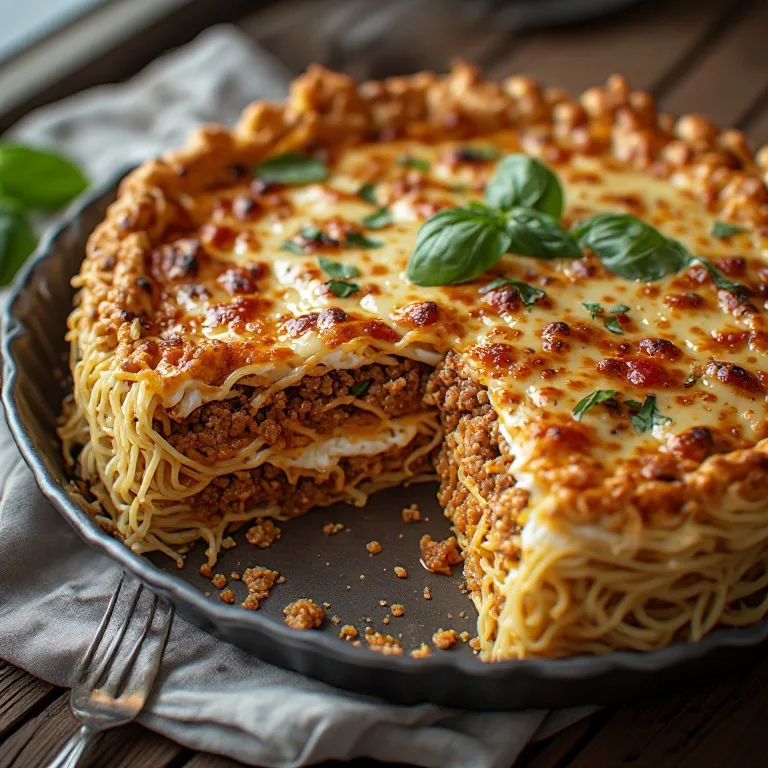
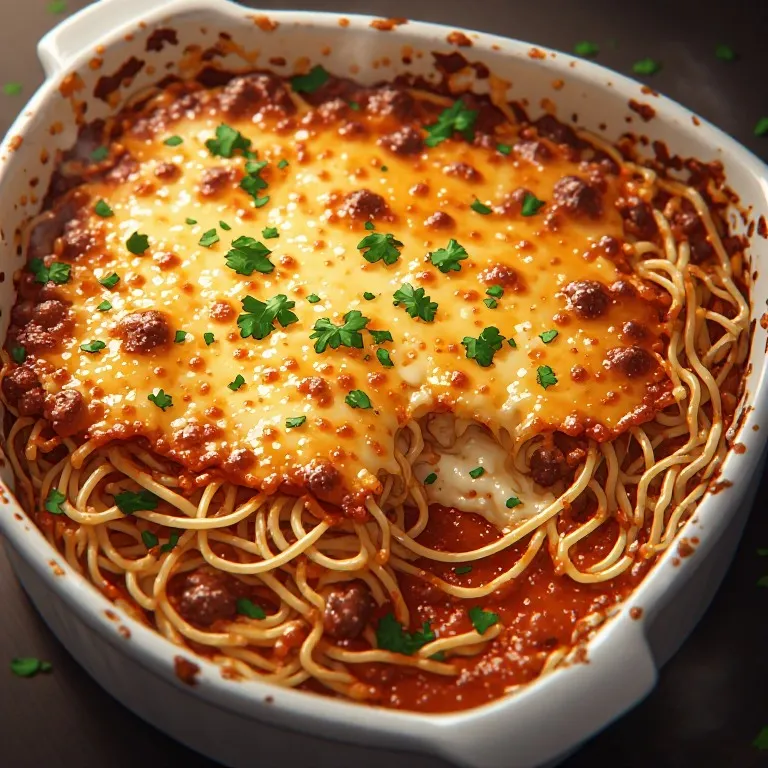
The viral TikTok spaghetti pie — spaghetti mixed with egg and parmesan forms a sturdy crust, then layers of ricotta, meat sauce, and mozzarella fill it. Bake in a springform pan, release the ring, and slice it like a real pie. Here's why it actually holds together.

Medium Prep: 20 min Cook: 30 min Total: 50 min8 servings ~$4.50/serving
Prep20 min
Cook30 min
Total50 min
Servings
8
At home~$4.50/serving
vs
Restaurant~$20.25/serving
You save ~78%

The Story Behind the Recipe

Spaghetti pie has a longer history than the TikTok crowd realizes. It was a staple of 1970s American home cooking — a clever way to stretch leftover pasta into a second meal that actually looked like something. The technique of binding cooked spaghetti with eggs into a moldable "crust" appeared in community cookbooks and on the back of pasta boxes for decades. Then in 2024 and 2025, two things happened simultaneously: TikTok creators started filming the springform-ring release moment (the dramatic reveal when the ring drops away to show a neat circle of pasta, perfectly holding its shape), and the food internet collectively rediscovered that binding eggs into pasta is genuinely useful, not just retro. The videos got tens of millions of views because the payoff shot — the cross-section of golden pasta crust, white ricotta, dark meat sauce, and melted mozzarella in clean layers — is one of the best-looking food reveals in the format.

What TikTok popularized was the springform pan specifically, not just any baking dish. The key improvement over the casserole version is that the springform's removable ring forces you to wait for the pie to set before unmolding, and the result is a freestanding slice that shows every layer cleanly. The technique that makes it work is simple: the pasta-egg-Parmesan mixture needs to be pressed firmly against the bottom and sides of the pan while it's hot (cold spaghetti won't compress evenly), and then the 10-minute rest before slicing is non-negotiable. Restaurants charge $18–22 for a serving of baked pasta this composed. This version costs about $2.50 per slice to make at home and — with the right resting time — holds together just as cleanly.

Nutrition Facts

Per serving (8 servings)
Calories415
Total Fat17g
Total Carbs37g
Dietary Fiber3g
Sugars7g
Protein26g
Sodium670mg

* Estimated values based on standard recipe preparation. Actual values may vary.

Ingredients

  • Pasta crust
  • Ricotta layer
  • Meat sauce
  • Top layer
  • For the pan

Instructions

💡
Pro tip: This recipe tastes even better the next day. The flavors need time to meld together in the fridge.
❄️
Storage: Keeps in an airtight container in the fridge for up to 2 weeks. Freezer-friendly for up to 3 months.
🎃 Free Halloween cookbook — download now The Copycat Halloween Cookbook A ready-made, photo-illustrated PDF of our best halloween copycat recipes — free to download, no building required. Pay what you want to support if you love it.

Free PDF — instant download. We'll also send new seasonal copycat recipes now and then; unsubscribe anytime. Or just download it →

Viral TikTok Spaghetti Pie — Why It Actually Holds Together

The TikTok spaghetti pie is exactly what it sounds like: spaghetti cooked with eggs and Parmesan to form a sturdy, sliceable crust, then layered with ricotta, meat sauce, and mozzarella, baked in a springform pan, and unmolded for a dramatic reveal. It went viral for the cross-section shot — the clean layers visible in every wedge — and for being genuinely easier to serve at a dinner party than a traditional lasagna.

The technique is borrowed from 1970s American home cooking, updated for a camera. Get the egg-to-pasta ratio right, press the crust firmly into the pan, and don’t skip the rest before unmolding, and it holds together exactly like the videos. Below is everything that actually determines whether your slice stands up or slumps.

Why the Egg Is Non-Negotiable

The entire thing stands or falls on the eggs. Two beaten eggs tossed into a pound-ish of hot spaghetti do the same job the egg does in a frittata: as the pie bakes, the egg proteins set and glue every strand to its neighbors. Skip the egg and you have a pile of noodles that collapses the instant the springform ring comes off — no crust, no slices, no reveal.

The order matters as much as the egg itself. Toss the butter through the hot pasta first so it coats and cools the strands slightly, then add the eggs and Parmesan and keep tossing. Butter-coated, slightly-cooled pasta lets the egg cling evenly instead of scrambling into curds the second it hits a bare-hot noodle. If the mixture looks dry and the egg won’t spread, a splash of reserved pasta water loosens it without thinning the bind.

The Springform Pan Is the Whole Trick

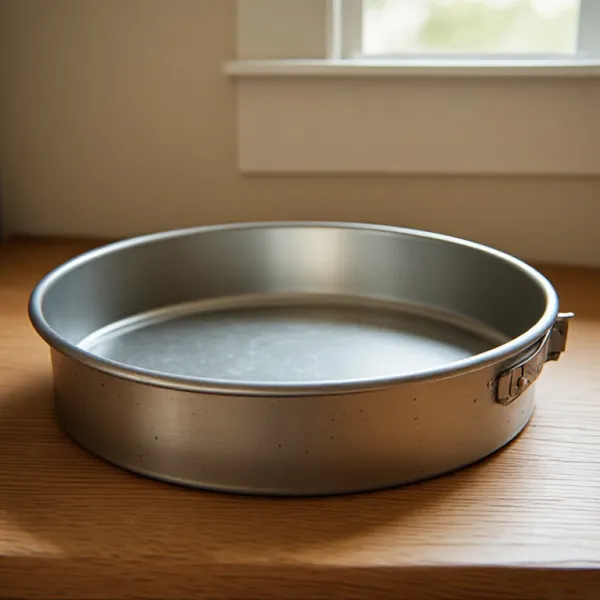
A springform pan is what separates the viral version from the 1970s casserole it grew out of. Its removable ring does two things: it forces the rest (you physically can’t unmold until you release the clasp, so you’re more likely to wait), and it delivers the freestanding, straight-sided slice that photographs like a slice of quiche.

Grease the sides as thoroughly as the base — the pasta crust sticks to any bare spot and tears when you lift the ring, which is the single most common way the reveal fails. Set the pan on a sheet tray before it goes in the oven; springform seams can weep a little fat, and the tray saves your oven floor. No springform? A deep-dish pie plate or a 9×9 dish works for flavor, you just serve it from the dish instead of unmolding.

How to Keep It From Falling Apart

Three variables decide whether a slice holds: the sauce, the press, and the rest. The sauce must be thick — thick enough to mound on a spoon. A watery marinara soaks into the egg-bound crust and softens the structure, so simmer it down uncovered until it stops spreading on the plate. Press the pasta crust firmly into the pan while it’s still hot (cold spaghetti won’t compress evenly), building it a full inch up the sides so each wedge has a wall to lean on. Then rest the baked pie a full 10 minutes — ideally 12 to 15 — before touching the clasp. A pie cut at five minutes sags; the egg needs that time to finish setting.

Make It Ahead for a Crowd

Spaghetti pie is one of the better make-ahead pasta dishes because the egg-set crust reheats without going to mush. Assemble the whole pie, cover it tightly, and refrigerate up to 24 hours; bake straight from cold and add 5–8 minutes. Or bake it fully, cool, and reheat slices in a 350°F oven (not the microwave, which softens the crust). At roughly $2.50 a slice for eight servings, it feeds a table for less than the price of a single baked-pasta entrée at a sit-down Italian restaurant.

Variations Worth Making

Italian sausage crust-to-top: swap the ground beef for sweet or hot Italian sausage removed from its casings — it’s pre-seasoned and adds more depth than plain beef. A 50/50 beef-and-sausage mix is the best of both.

All-cheese (no meat): skip the meat sauce and use a thick roasted-vegetable marinara — mushrooms, zucchini, and eggplant give it enough body that nobody misses the meat.

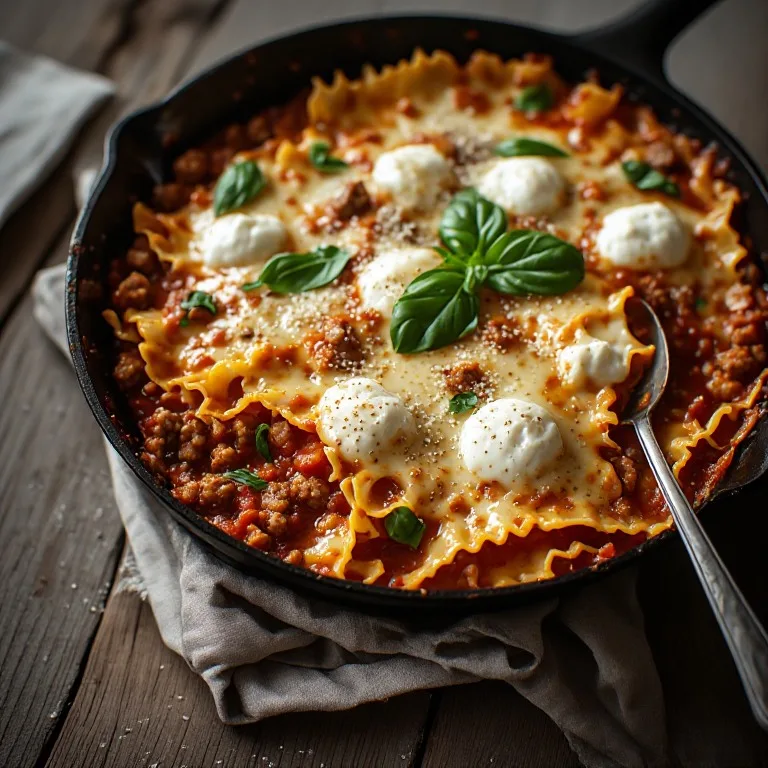
Baked-ziti style top: scatter a handful of torn fresh mozzarella over the shredded low-moisture mozzarella for molten pools on top, and finish the last two minutes under the broiler for a browned, blistered surface.
🥗

Make It Healthier

Love Spaghetti Pie but want a lighter version? Try these simple swaps:

  • ✓Use 90/10 lean ground beef or ground turkey instead of regular ground beef to cut about 4g of fat per serving without any difference in texture in a saucy pie.
  • ✓Swap half the pasta (6 oz) for cooked spaghetti squash strands — the squash blends in visually, the crust holds, and you cut about 80 calories per serving while adding potassium.
  • ✓Use part-skim ricotta instead of whole-milk and part-skim mozzarella instead of full-fat — saves about 3g fat per serving with no perceptible difference once everything is baked.
  • ✓Add 2 cups of finely chopped spinach to the meat sauce in the last 5 minutes of cooking — it disappears into the sauce, adds iron and fiber, and nobody knows.

Frequently Asked Questions

What if I don't have a springform pan?

A 9-inch deep-dish glass pie plate or a 9x9 baking dish works well — you serve the pie directly from the dish instead of unmolding it. The presentation is more casserole than pie-reveal, but the flavors are identical. Bake the same time and temp; use the same 10-minute rest before cutting.

Can I make the viral TikTok spaghetti pie ahead?

Yes — this is actually one of the best make-ahead pasta dishes. Assemble the entire pie (crust through cheese), cover tightly with plastic wrap, and refrigerate up to 24 hours before baking. Add 5–8 minutes to the bake time when cooking from cold. Or bake it fully, cool completely, and reheat individual slices in a 350°F oven for 10 minutes. Microwaving works but softens the crust.

Why did my spaghetti pie fall apart when I sliced it?

Two likely causes: the sauce was too watery (runny sauce saturates the pasta crust), or the pie wasn't rested long enough. For the sauce, cook it down until it's thick enough to mound slightly on a spoon. For the rest, don't rush past 10 minutes — ideally 12–15. A third cause is pressing the pasta crust too loosely — use real pressure when forming it, especially at the base where the slices will sit.

Can I use Italian sausage instead of ground beef?

Italian sausage (removed from casings) is arguably better — it's pre-seasoned and adds more flavor depth than ground beef needs. Use sweet Italian for a milder pie, hot Italian for heat. You can also do a 50/50 mix of ground beef and sausage. Remove from casings and treat exactly like ground beef in the recipe.

What's the difference between TikTok spaghetti pie and million dollar spaghetti?

Different animals. Million dollar spaghetti is a layered casserole baked in a 9x13 dish — no distinct crust, cut into squares, served like lasagna. TikTok spaghetti pie uses a springform pan, the pasta itself forms a structural crust that holds when unmolded, and it slices into wedges. The visual is the point: the viral version is about the cross-section reveal and the freestanding slices. Million dollar spaghetti prioritizes maximum cheesiness in a shareable casserole.

Love this recipe? Share it!

Free PDF: our 12 most-wanted copycat recipes — instant download.

Made it? Buy us a coffee

Every recipe here is free, with no paywalls. If this one was a hit at your table, a small tip keeps new copycats coming.

$

Ratings & Reviews

—
No ratings yet

Rate this recipe

Click a star to rate

Leave a Review

0/500

CS

Copycat Spices Editorial

Researched + fact-checked. Every recipe on Copycat Spices is built from published sources — official ingredient lists, brand-published recipes, interviews and food-science references — and fact-checked before it goes live, then written as clear, step-by-step instructions for home cooks of all skill levels.

Learn more about our mission →