

Pin It

Viral TikTok Yuzu Honey Cold Brew (The New Espresso Lemonade)

Viral TikTok Yuzu Honey Cold Brew (The New Espresso Lemonade)
Jump to Recipe
Prep 5 min Cook 0 min Serves 1
Quick answer: Add 1 tablespoon yuzu juice and 1 tablespoon honey (or honey syrup) to the bottom of a tall glass. Stir until the honey dissolves. Fill the glass with ice. Pour in 1 cup of cold brew coffee — slowly, over the back of a spoon, so it floats on top of the citrus base rather than mixing in immediately. Top with 2 to 3 ounces of sparkling water for the fizzy version, or leave still. Stir once before drinking. The yuzu lifts the bitterness out of the cold brew and replaces it with a floral, tart brightness that tastes expensive but isn't.

Shop the tools

Gear matched to this recipe. These are Amazon affiliate links — we may earn a small commission if you buy, at no extra cost to you.

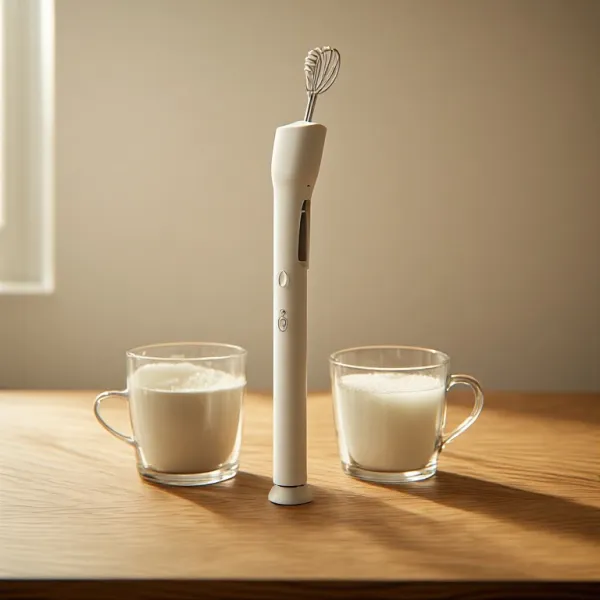
As an Amazon Associate, Copycat Spices earns from qualifying purchases. Product images are generic illustrations, not the exact item listed.

Viral TikTok Yuzu Honey Cold Brew (The New Espresso Lemonade)

The viral TikTok yuzu honey cold brew: Japanese citrus juice + honey syrup + cold brew, served over ice with sparkling water or yuzu cold foam. Coffee shops charge $9 for this. Made at home it costs under $1.50 a glass.

Easy Prep: 5 min Cook: 0 min Total: 5 min1 servings ~$4.50/serving
Prep5 min
Cook0 min
Total5 min
Servings
1
At home~$4.50/serving
vs
Restaurant~$20.25/serving
You save ~78%

The Story Behind the Recipe

The viral TikTok yuzu honey cold brew: Japanese citrus juice + honey syrup + cold brew, served over ice with sparkling water or yuzu cold foam. Coffee shops charge $9 for this. Made at home it costs under $1.50 a glass.

Nutrition Facts

Per serving (1 servings)
Calories95
Total Fat0g
Total Carbs24g
Dietary Fiber0g
Protein0g

* Estimated values based on standard recipe preparation. Actual values may vary.

Ingredients

  • The cold brew base
  • The yuzu honey base (per serving)
  • Optional additions (pick one per serving)
  • For the yuzu cold foam version (the upscale variation)
  • For DIY cold brew (makes 4 servings, takes 12–18 hours but 2 minutes of hands-on time)

Instructions

💡
Pro tip: This recipe tastes even better the next day. The flavors need time to meld together in the fridge.
❄️
Storage: Keeps in an airtight container in the fridge for up to 2 weeks. Freezer-friendly for up to 3 months.
🎃 Free Halloween cookbook — download now The Copycat Halloween Cookbook A ready-made, photo-illustrated PDF of our best halloween copycat recipes — free to download, no building required. Pay what you want to support if you love it.

Free PDF — instant download. We'll also send new seasonal copycat recipes now and then; unsubscribe anytime. Or just download it →

The coffee shop version costs $8 to $10. The at-home version costs about $1.40 per glass.

That is the core of why this drink went viral: TikTok creators figured out that yuzu juice — a Japanese citrus with a flavor genuinely unlike anything else in the Western pantry — is the ingredient responsible for the entire character of those elegant iced drinks at trendy coffee bars, and it comes in a bottle that costs $12 and lasts 25 servings.

What yuzu actually tastes like (and why it matters for coffee)

Yuzu is not a substitute for lemon. People reach for lemon when they see yuzu in a recipe and don’t have it, but the two fruits produce completely different results in coffee.

Lemon juice turns cold brew harsh. Its sharp acidity interacts badly with coffee’s tannins — the drink tastes sour and metallic, which is why “lemon iced coffee” has never caught on despite years of baristas trying it with espresso.

Yuzu’s acidity is softer and more rounded, loaded with floral terpene compounds that read as complexity and brightness rather than sourness. The result in cold brew is a drink that tastes lifted — cleaner, more interesting, more expensive — without actually tasting citrusy in any jarring way. The yuzu hides in the background and makes the coffee taste better.

This is the same effect bartenders noticed years before coffee shops caught on: yuzu replaces lemon in almost any cocktail and makes it taste more sophisticated with less effort.

The three versions worth making

Classic yuzu honey cold brew — the foundation. Yuzu juice + honey, cold brew poured over. Balanced between coffee and citrus, satisfying in every season.

Yuzu cold brew fizz — add 2 to 3 ounces of sparkling water after the cold brew. The carbonation lifts the drink into different territory: lighter, more refreshing, closer to the café drinks that sparked the TikTok trend in the first place. The visual (cloudy layers of citrus + dark cold brew + fizzing bubbles) photographs particularly well.

Yuzu cold foam cold brew — the premium version. Whipped yuzu cream floats on top of still cold brew. Each sip delivers cold brew through a silky, floral foam layer. This is the $10 coffee shop drink, made in 3 minutes at home.

All three start from the same base. Choose based on what you have and what the moment calls for.

Where to find yuzu juice

Most large grocery stores now carry it in the refrigerated juice section (Whole Foods almost always has it). H-Mart and other Asian grocery stores stock multiple brands year-round. Yuzuco is the most reliable bottled brand with a clean single-ingredient formula. Amazon carries it if local options fall short.

Important: yuzu ponzu (like Kikkoman’s) contains soy sauce and is a savory condiment — not the same thing. Yuzu kosho is a fermented chile-citrus paste — also not the same. You want plain bottled yuzu juice, or yuzu concentrate.
Frequently Asked Questions

What exactly is yuzu, and where do I find it in the US?

Yuzu (Citrus junos) is a small, intensely aromatic citrus fruit native to Central China and East Asia, cultivated primarily in Japan and Korea. It looks like a small, slightly bumpy grapefruit, about the size of a tangerine, with a yellow to greenish-yellow rind. The flavor is genuinely unique — most people describe it as a combination of lemon, grapefruit, and mandarin orange, but that undersells the complexity: yuzu has a distinctive floral, almost perfumed quality and a tartness that is rounder and less aggressive than lemon. It is one of the key flavors in Japanese cuisine, used in ponzu sauce, yuzu kosho, dressings, and desserts, and it's been adopted by high-end Western restaurants and bars over the past decade. In the US, fresh yuzu is extremely rare (briefly available at some Japanese specialty grocers in winter) and prohibitively expensive when found. Bottled yuzu juice is the practical option: it's available at H-Mart, Mitsuwa, Marukai, and many Asian grocery stores, as well as at Whole Foods in the refrigerated juice section and on Amazon (Yuzuco is the most widely available brand with a clean, single-ingredient formula). The bottle is relatively affordable and has enough juice for 20 to 25 servings of this recipe. One important distinction: yuzu ponzu (Kikkoman's yuzu-flavored ponzu) contains soy sauce and is a savory condiment — it cannot be used in this drink. Similarly, yuzu kosho is a fermented paste of yuzu peel and chiles, not juice, and is used as a condiment rather than a drink ingredient.

Why does yuzu work with cold brew when regular lemon doesn't?

Regular lemon juice added to coffee turns the coffee sour in a harsh, unpleasant way — the sharp malic and citric acid in lemon interacts with the tannins in coffee to create astringency and a metallic aftertaste. Espresso lemonades work because the espresso's concentrated flavor overwhelms the harshness; standard cold brew, being milder and less concentrated, is more sensitive. Yuzu's acidity is softer and more balanced — it contains more floral aromatic compounds (primarily nootkatone and other terpenes) relative to its acid content, which means the citrus character comes through as brightness and complexity rather than sourness. Cold brew is also lower in acidity than hot-brewed or iced coffee (the cold extraction process produces fewer acidic compounds), which means it can absorb the yuzu's gentler acid without tipping into unpleasant sourness. The result is a drink where the yuzu reads as lift and fragrance rather than tang — it makes the cold brew taste cleaner and more interesting rather than just tart.

Can I use yuzu powder, yuzu cordial, or other yuzu products instead of bottled juice?

Several yuzu products are available, and they vary in how well they work for this recipe. Yuzu cordial (pre-sweetened yuzu juice, typically 20 to 30% sugar) can substitute for both the yuzu juice and honey in one — use 2 tablespoons of cordial and skip the honey, tasting to adjust sweetness. The flavor is slightly less fresh-tasting than straight yuzu juice but perfectly acceptable. Yuzu powder (dried, ground yuzu peel or zest) can add yuzu aroma but doesn't provide the juice's acidity or volume — it works as a garnish or to boost flavor but not as a direct substitute. Yuzu simple syrup (sold at some specialty food stores) replaces the honey syrup; use the same 2-tablespoon ratio. Yuzu kosho and yuzu ponzu are savory condiments — do not use them in this drink. Yuzu tea (the Korean yuja-cha, a sweet marmalade-like preserve) can be used by dissolving 1.5 tablespoons in the glass; it's sweeter and thicker than straight juice but has a genuine yuzu flavor and is widely available at Korean grocery stores and on Amazon.

What cold brew concentrate ratio should I use, and does the brand matter?

For this recipe, you want ready-to-drink cold brew, not undiluted concentrate — concentrate is typically 1:1 ratio (double strength) and needs to be diluted with water before using. If your cold brew says 'concentrate' or 'brew ratio 1:1,' add an equal amount of cold water to dilute it first, then use the diluted cold brew in this recipe. As for brands: medium-dark roast cold brews work best because their chocolate and caramel notes are complementary to the yuzu's floral character, whereas bright, fruity light-roast cold brews (common in specialty coffee) can create a cluttered flavor. Among widely available brands, Chameleon Organic Cold Brew (medium roast), Stumptown Cold Brew Coffee (medium-dark), and La Colombe Draft Latte (if using the black version without cream) all work well. Standard grocery store private-label cold brew is fine. The one thing to avoid is flavored cold brew — vanilla cold brew or mocha cold brew will compete with the yuzu rather than letting it shine.

How long does yuzu juice last once opened, and can I pre-make the yuzu honey syrup?

Bottled yuzu juice, once opened, keeps in the refrigerator for 3 to 4 weeks. It may darken slightly in color as it oxidizes, but the flavor remains good. The pre-made honey yuzu syrup — equal parts honey and water with yuzu juice added, stored in a sealed jar in the refrigerator — keeps for 2 to 3 weeks and is the most efficient way to prep for multiple drinks without measuring every day. The syrup ratio: combine ¼ cup warm water, ¼ cup honey, and 3 tablespoons yuzu juice; stir until the honey fully dissolves; cool and store in a jar. Each serving uses 2 tablespoons of this syrup, so a single batch makes about 6 to 8 drinks. If you want to make a full glass in 30 seconds once the syrup exists, this prep is worth doing.

What's the difference between the sparkling version and the still version?

The still version (cold brew + yuzu honey, no sparkling water) is richer and more concentrated — the coffee flavor is stronger and the yuzu comes through in a denser, more lingering way. It is the closer equivalent to standard iced coffee. The sparkling 'yuzu cold brew fizz' version is lighter, more refreshing, and more drink-forward — the carbonation adds a liveliness that makes the whole thing feel closer to a specialty coffee shop drink, and it dilutes the cold brew slightly so the yuzu character is more prominent relative to the coffee. In warmer weather, the fizzy version is more refreshing; in cooler weather, the still version is more satisfying as a coffee. Both went viral on TikTok simultaneously but through different creators — the still version from coffee enthusiasts, the fizzy version from coffee-shop-dupe creators trying to recreate drinks from trendy urban cafés.

Is this caffeinated? How much caffeine compared to a regular iced coffee?

Yes — this is a full-caffeine coffee drink. One cup of cold brew contains roughly 150 to 200 mg of caffeine, which is on the higher end compared to a standard iced coffee (around 100 to 140 mg) because cold brew is made at a higher coffee-to-water ratio and then served as-is. If you use a cold brew concentrate and dilute it, the caffeine will be closer to 100 to 150 mg per serving. For context, a standard 8-oz drip coffee contains approximately 95 to 165 mg of caffeine; a Starbucks grande cold brew contains around 205 mg. The yuzu honey has no effect on caffeine content. If you want a half-caffeine version, replace half the cold brew with cold brew decaf (this blends seamlessly and is difficult to detect by taste). For a fully caffeine-free version that keeps the flavor profile, substitute cold brew decaf entirely — the yuzu honey combination works identically.

Love this recipe? Share it!

Free PDF: our 12 most-wanted copycat recipes — instant download.

Made it? Buy us a coffee

Every recipe here is free, with no paywalls. If this one was a hit at your table, a small tip keeps new copycats coming.

$

Ratings & Reviews

—
No ratings yet

Rate this recipe

Click a star to rate

Leave a Review

0/500

CS

Copycat Spices Editorial

Researched + fact-checked. Every recipe on Copycat Spices is built from published sources — official ingredient lists, brand-published recipes, interviews and food-science references — and fact-checked before it goes live, then written as clear, step-by-step instructions for home cooks of all skill levels.

Learn more about our mission →