How to Tell If Zucchini Is Bad
Quick answer
Bad zucchini is soft, wrinkled, and slimy, with dark sunken spots, mold, or a sour smell. A firm zucchini with a small blemish is fine once trimmed.
Signs Zucchini has gone bad
- Soft, squishy ends or middle. Fresh zucchini is firm all over. Soft spots usually start at the blossom end and spread inward.
- Slimy skin. A slick, sticky surface shows bacterial growth. Toss it.
- Dark, sunken, or wet spots. Water-soaked pits or black patches are rot. Cut away a small one on an otherwise firm zucchini with an inch of margin; discard if it’s large or the flesh is wet.
- White or gray mold. Fuzz at the stem or in cracks means mold. Zucchini is watery, so mold can spread inside, and the whole zucchini should go.
- Sour or fermented smell. Fresh zucchini has almost no smell. A sour or musty odor means spoilage.
- Brown, mushy, or stringy flesh with a bitter taste. Cut it open. Brown, soft, watery flesh or a very bitter taste means discard it. Bitterness in zucchini can be a sign of compounds you shouldn’t eat.
Looks weird, but it's fine
- Small surface scratches. Shallow scars or scratches are cosmetic. They don’t affect the flesh.
- Slightly wrinkled skin. Mild wrinkling means moisture loss. It’s fine if the zucchini is firm and the inside is moist and pale.
- Oversized with big seeds. Huge zucchini are tougher and seedier. Scoop out the seeds, and they’re good for baking and grating.
How long does Zucchini last?
| Where | How long | Note |
|---|---|---|
| Fridge | 4–5 days | whole, unwashed |
| Fridge | 2–3 days | cut, covered |
| Freezer | 10–12 months | shredded or blanched slices |
How to store it
- Keep zucchini whole, unwashed, and dry in a perforated bag in the crisper drawer.
- Don’t store it near ethylene producers like apples or tomatoes, which speed up decay.
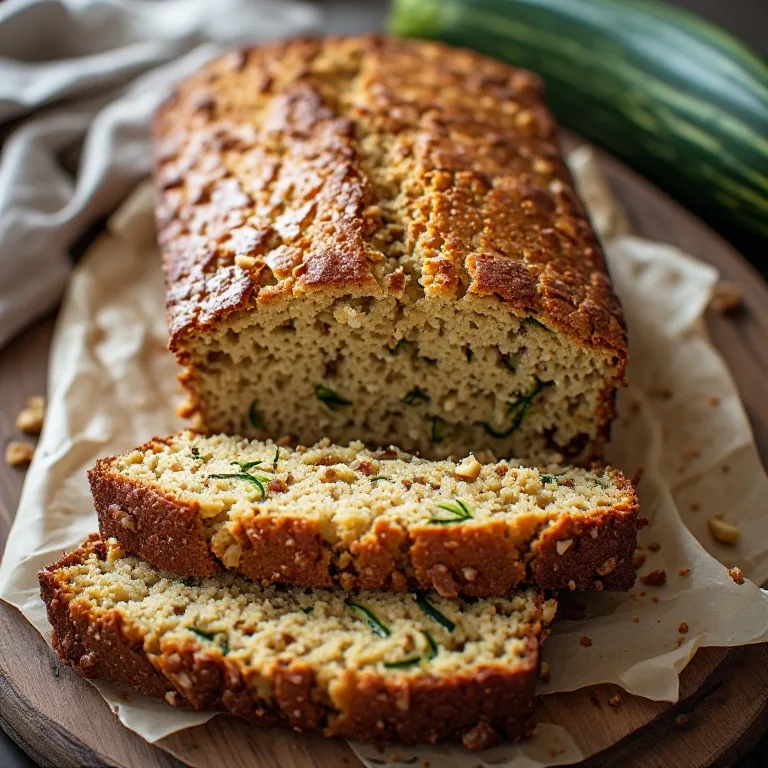
- Shred and freeze extras in measured portions for baking and fritters. Squeeze out excess water after thawing.
Use it up before it turns


Frequently asked questions
Can you eat a soft zucchini?
If it’s only slightly soft and has no slime, mold, or odor, it’s okay for cooked dishes. If it’s mushy, leaking, or smells bad, throw it out.
Is a bitter zucchini safe?
A strongly bitter zucchini should be discarded. Spit out a bitter bite and don’t eat more.
Why is my zucchini wrinkled?
Wrinkles mean the zucchini has lost water. If it’s still firm and inside is clean, it can be cooked. If it’s squishy or slimy, it’s spoiled.
More food freshness guides
General guidance based on USDA FoodKeeper. Storage times are estimates and conditions vary. When in doubt, throw it out.