Pin It

Copycat Cheesecake Factory Crispy Chicken Costoletta

Copycat Cheesecake Factory Crispy Chicken Costoletta
Jump to Recipe
Prep 20 min Cook 30 min Serves 2
Quick answer: The Cheesecake Factory Crispy Chicken Costoletta is lightly breaded and sautéed to a golden crust, served with lemon sauce, mashed potatoes, and fresh asparagus. 'Costoletta' is the Italian word for cutlet — a thin, pounded piece of chicken that cooks fast and develops a large surface area for the crust. The restaurant uses a panko-based coating laced with Parmesan and lemon zest, then pan-fries each cutlet in olive oil until the crust is deeply golden and crispy. The lemon sauce is a simple cream sauce built on a garlic-butter roux, finished with chicken stock, lemon juice, and a touch of Dijon mustard. At the restaurant, a full serving runs approximately 1,800 calories. The home version here runs roughly 800 calories per plate with full mashed potatoes and asparagus. The most important technique: pound the chicken to an even ¼-inch thickness before breading — it is what makes this a costoletta rather than an ordinary breaded chicken cutlet. Thicker cutlets will undercook in the center before the crust browns properly, or overbrown the crust trying to cook through.

Copycat Cheesecake Factory Crispy Chicken Costoletta

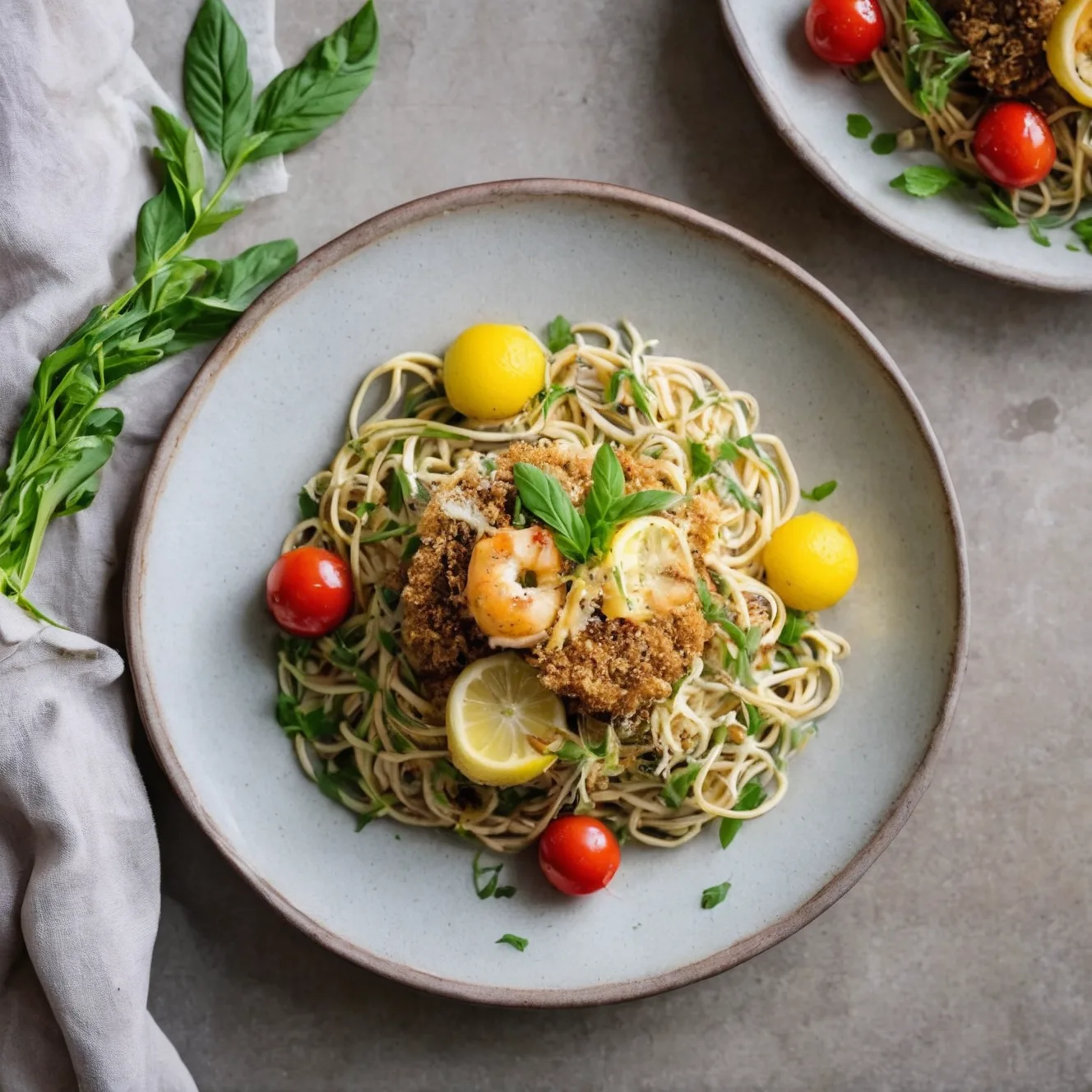
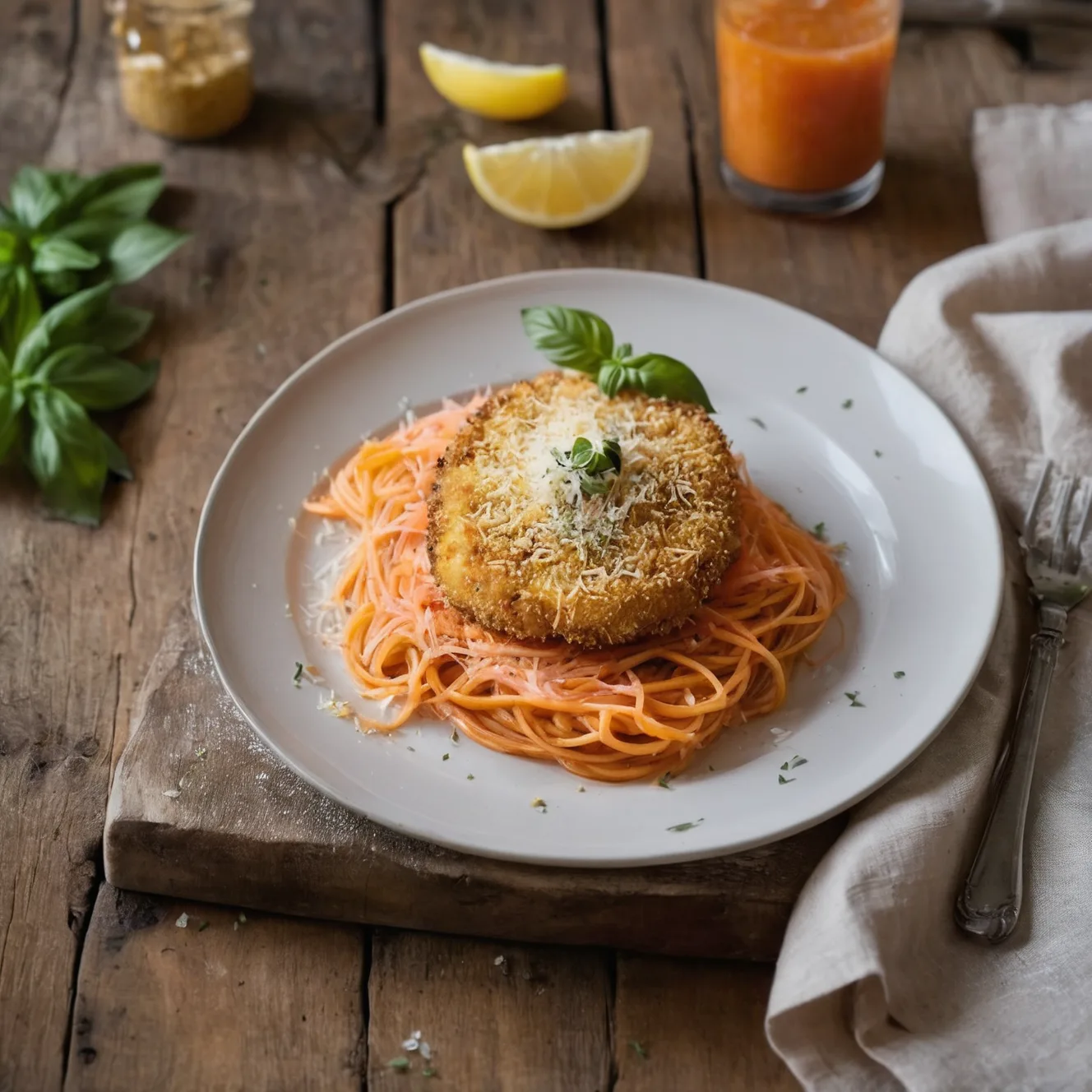
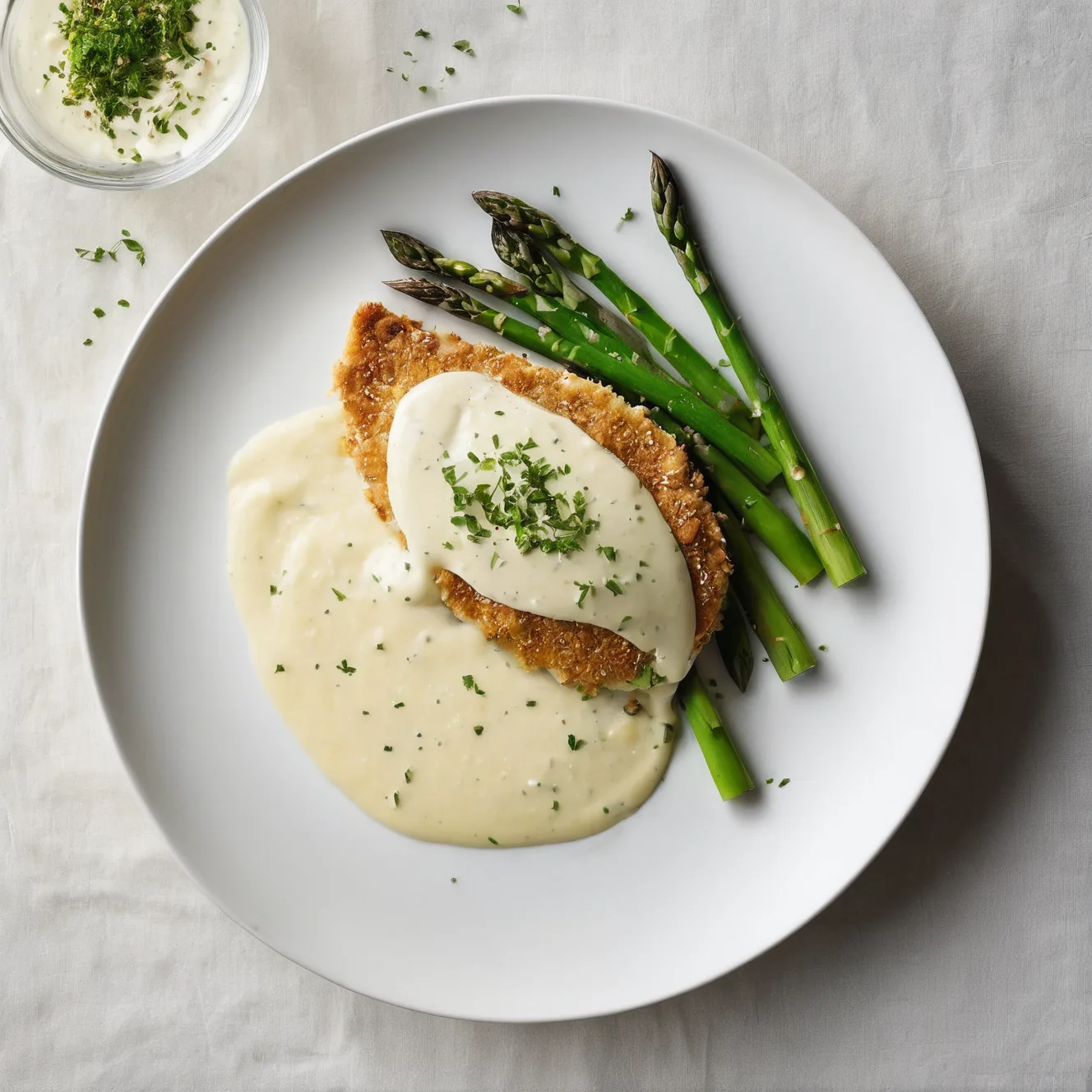
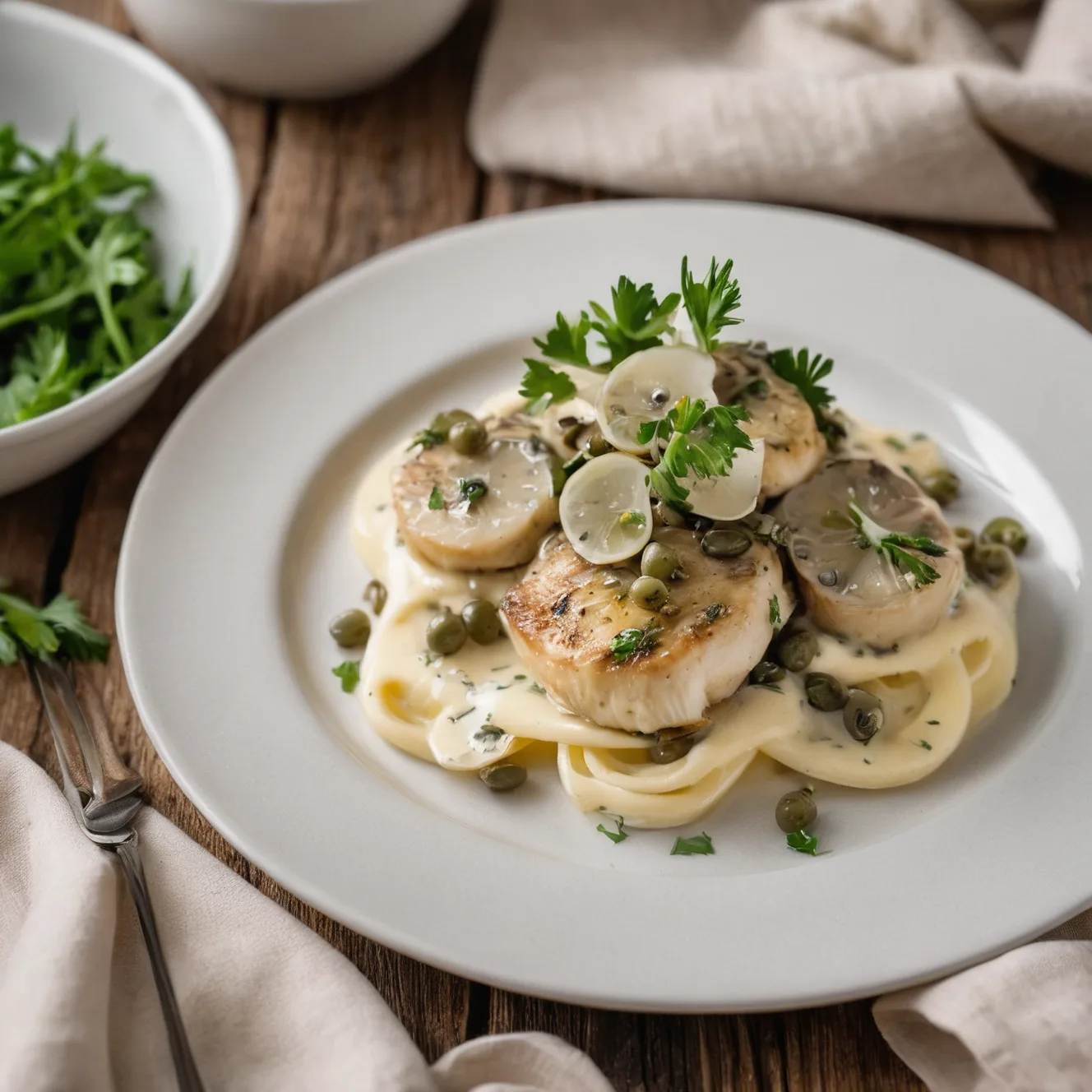
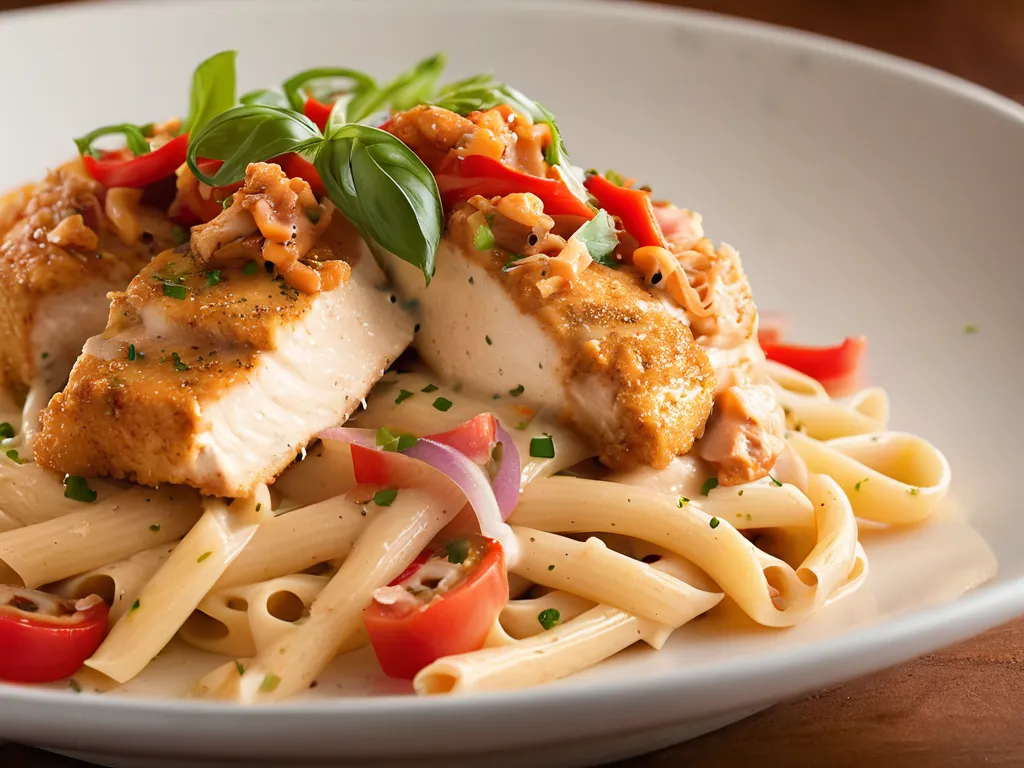
The Cheesecake Factory's Crispy Chicken Costoletta at home: thin-pounded chicken breasts in a panko-Parmesan-lemon zest crust, pan-fried until deeply golden, then finished in a silky lemon cream sauce and plated over garlic mashed potatoes with fresh asparagus.

Medium Prep: 20 min Cook: 30 min Total: 50 min2 servings ~$4.50/serving
Prep20 min
Cook30 min
Total50 min
Servings
2
At home~$4.50/serving
vs
Restaurant~$20.25/serving
You save ~78%

Ingredients

Instructions

💡
Pro tip: This recipe tastes even better the next day. The flavors need time to meld together in the fridge.
❄️
Storage: Keeps in an airtight container in the fridge for up to 2 weeks. Freezer-friendly for up to 3 months.
~350-550 cal/serving · Rich & Indulgent🔥

The Story Behind the Recipe

The Cheesecake Factory calls their version Crispy Chicken Costoletta, and the name is doing some work. Costoletta is not marketing language — it is the Italian word for cutlet, specifically a thin, pounded cutlet that is breaded and pan-fried. The shape and thickness are the technique. A costoletta is not a thick chicken breast with breadcrumbs pressed on the outside; it is a piece of chicken that has been physically restructured — pounded to ¼-inch flatness — so that the surface area is dramatically larger than the mass of meat underneath.

This matters for every part of the dish. A thin cutlet fries in 3–4 minutes per side. A thin cutlet develops crust across nearly 100% of its surface area. A thin cutlet absorbs the lemon cream sauce at the edges as it sits on the plate rather than sitting above it, disconnected. Getting the thickness right is the difference between a mediocre breaded chicken and something genuinely worth making.

Pounding: Why ¼ Inch and Not Less

Pounding chicken to ¼ inch is the standard for costoletta-style cuts. Thinner (⅛ inch) and the chicken dries out in the time it takes the panko to brown — you need some meat mass to stay moist. Thicker (½ inch) and the center is still undercooked when the crust achieves the right deep golden brown that makes the dish worth eating.

Pound from the center outward, not in the same spot repeatedly. The goal is even thickness across the entire surface, not a thin center surrounded by thick edges. A zip-lock bag keeps the work surface clean and prevents the chicken from tearing.

The Panko-Parmesan-Lemon Crust

The coating is three things: flour as a dry adhesive layer, egg wash as the binder, and panko mixed with Parmesan and lemon zest as the exterior.

The Parmesan in the panko mixture does two things — it browns more deeply than plain breadcrumbs (the sugars and proteins in Parmesan are additional browning agents) and it adds a savory, umami depth to the crust that you would not get from panko alone. Use finely grated Parmesan, not the coarser shredded variety. Fine Parmesan distributes evenly through the panko; coarse shreds clump and fall off during frying.

The lemon zest in the coating is not redundant with the lemon in the sauce. The zest is in the crust, which means it toasts slightly as the panko browns. Toasted lemon zest has a warmer, more floral citrus note than raw zest. When you eat the dish, you are getting raw lemon from the sauce and toasted lemon from the crust — two different expressions of the same citrus.

Press the panko firmly into both sides of each cutlet and do not rush the 5-minute rest on the rack. This is the step most home cooks skip, and it is what keeps the coating attached through the fry. The egg layer partially dries during the rest and bonds the panko to the flour. If you skip the rest and drop the cutlet straight into oil, the coating contracts faster than the adhesive layer sets, and sections of crust detach.

Building the Lemon Cream Sauce

The sauce is a standard pan sauce built on a garlic-butter roux, but the balance of lemon to cream is what determines whether it tastes like restaurant food or like something flat and oversauced.

Start with butter and minced garlic — cook the garlic until it smells fragrant but does not color. Add flour and cook it out for a full minute (this prevents a raw flour taste in the finished sauce). Whisk in the chicken broth gradually, followed by the heavy cream. The slow addition of liquid, whisked constantly, prevents lumps from the roux.

Add lemon juice last, after the sauce has come together, so you can control the level. Three tablespoons produces a sauce that reads as clearly lemony without being sour. The Dijon mustard serves as a flavor bridge — it rounds out the sharpness of the lemon and adds a savory element that keeps the sauce from reading as one-note. If you taste the sauce and it seems flat, the answer is almost always more salt and more lemon juice, not more cream.

The Asparagus, Not Green Beans

The Cheesecake Factory serves Crispy Chicken Costoletta with fresh asparagus. Many copycat recipes substitute green beans — a reasonable swap if asparagus is unavailable, but not the restaurant preparation.

Asparagus has a slight bitterness that green beans lack. Against a rich cream sauce, that bitterness is a functional contrast — it gives each bite somewhere to go after the richness. Green beans are sweeter and softer; they blend with the sauce rather than cutting through it.

Cook the asparagus in a very hot pan with just olive oil, salt, and pepper. You want color — light char on the tips, some browning on the sides. Three to four minutes over high heat achieves this. Do not move the asparagus constantly; let it sit long enough to develop browning before tossing. Overcooked asparagus is the only real failure mode; pull it when it still has slight snap.

Plating and Timing

The lemon cream sauce will soften the crust. This is not avoidable — it is the nature of cream sauce on a breaded cutlet — but it is manageable. Plate fast, spoon the sauce over the chicken just before it goes to the table rather than while it sits in the kitchen, and serve immediately. The first two minutes after plating are when the crust is at its best: fully golden, structurally intact, still shattering when you cut through it.

After that, the sauce does its job — it migrates into the crust, into the mashed potatoes, and the plate becomes something saucier and more unified. Both moments are worth eating. The first is closer to the restaurant; the second is better for soaking into the potatoes.
Nutrition Facts

Per serving (2 servings)
Calories800
Total Fat38g
Total Carbs54g
Dietary Fiber5g
Sugars4g
Protein58g
Sodium960mg

* Estimated values based on standard recipe preparation. Actual values may vary.

🥗

Make It Healthier

Love Cheesecake Factory Crispy Chicken Costoletta but want a lighter version? Try these simple swaps:

  • Substitute half-and-half for heavy cream in the lemon sauce to save about 50 calories per serving with minimal flavor difference.
  • Use Yukon Gold potatoes with whole milk instead of cream in the mash — Yukon Golds are naturally buttery and need less fat to taste rich.
  • Bake the breaded cutlets instead of pan-frying: place on a well-oiled rack over a baking sheet, spray the tops lightly with cooking spray, and bake at 425°F for 15–18 minutes. The crust will not be as deeply golden but will still be crispy.
  • Serve the asparagus without oil — steam it instead of sautéing to save 120 calories across both servings, then squeeze fresh lemon over it to compensate for the missing browning flavor.

Equipment You'll Need

Meat mallet or heavy pan

Essential for pounding the chicken to ¼-inch — this is what makes it a costoletta and gives the large crispy surface area the dish is known for

Three shallow dishes

Breading station: flour, egg wash, panko-Parmesan mix — each must be wide enough to fit the pounded cutlet flat

Large heavy skillet (12-inch)

Stainless steel or cast iron preferred over nonstick for pan-frying — produces better browning; nonstick doesn't get hot enough to properly crisp panko

Wire rack

Rest breaded cutlets before frying, and rest fried cutlets after — keeps crust crispy rather than steaming it soft on paper towels

Instant-read thermometer

Thin cutlets can reach 165°F in 3–4 minutes; overcooking a ¼-inch breast produces rubber — pull exactly at temp

Frequently Asked Questions

What does 'costoletta' mean and how is it different from regular breaded chicken?

Costoletta is the Italian word for cutlet — derived from 'costola' (rib or side), originally referring to a bone-in chop pounded flat. In Italian cooking, a costoletta is defined by two things: the thin, even thickness (typically ¼ inch) achieved by pounding, and the breading applied to the pounded surface. The pounding is the critical step. It is not just for tenderness — it dramatically increases the surface area of the chicken, which means a higher crust-to-meat ratio on every bite. A thick chicken breast fried whole has much more center meat relative to crust; a costoletta is nearly all crust-to-surface contact. The Cheesecake Factory's version follows this correctly: the chicken is pounded to an even ¼-inch slab, breaded in a panko-Parmesan-lemon zest coating, and sautéed rather than deep-fried. The result is a cutlet with a shatteringly crispy exterior across every inch of the top and bottom surface, which is what distinguishes it from a thick chicken breast simply dunked in breadcrumbs.

What is in the Cheesecake Factory's lemon sauce?

The Cheesecake Factory officially describes the sauce as a 'lemon sauce.' The copycat consensus from food bloggers who have reverse-engineered it points to a cream-based lemon butter sauce built on a garlic roux: butter, minced garlic, flour (to thicken), chicken broth, heavy cream, lemon juice, and Dijon mustard. The Dijon is subtle — you taste a slight savory depth without identifying mustard specifically. The sauce should be pourable but coating — it runs off a spoon in a continuous ribbon, not drips. If it breaks (fat separates), the heat was too high when you added the cream; let it cool slightly before adding dairy. The ratio that consistently produces the right balance: 1 cup chicken broth, ½ cup heavy cream, 3 tablespoons lemon juice. This gives a sauce that is clearly lemony but not mouth-puckering, with enough cream to coat the chicken and mashed potatoes without being cloying.

What sides does Cheesecake Factory serve with Chicken Costoletta?

The official menu lists mashed potatoes and fresh asparagus. Many home copycat recipes incorrectly substitute green beans — the restaurant serves asparagus. For the asparagus, trim the woody ends (snap where they naturally break, usually 2–3 inches from the bottom), then sauté in olive oil over high heat for 3–4 minutes until tender-crisp with some char, or roast at 425°F for 10–12 minutes. The mashed potatoes are standard creamy style — butter, warm cream, garlic, salt. Together, the two sides are chosen to contrast: the asparagus provides a slight bitterness and textural snap that cuts through the rich lemon cream sauce; the mashed potatoes absorb the sauce that pools under the chicken.

What is the difference between panko and regular breadcrumbs for this recipe?

Panko breadcrumbs produce a visibly different crust — coarser, flakier, with more air pockets. When panko fries in oil, each flake crisps independently and creates a shaggy, textured surface with significantly more surface area than fine breadcrumbs. The result is crunchier and stays crispy longer (fine breadcrumbs absorb steam from the chicken quickly and go soft; panko's structure resists this). For Chicken Costoletta specifically, panko is the right choice because the thin cutlet cooks so quickly — the exterior needs to brown and crisp in the same 3–4 minutes the interior reaches temperature. Fine breadcrumbs would either underbrown or burn trying to catch up. Japanese-style panko (the standard grocery store variety) is correct; Italian-seasoned breadcrumbs contain too many fine particles. Mix your own seasoning into plain panko.

How do I keep the breading from falling off while frying?

Two causes of breading failure: skipping the flour step and not resting the breaded cutlet before frying. Flour is not optional — it dries the surface of the chicken and gives the egg wash something to grip. Without flour, the egg rolls off wet chicken and takes the panko with it. After dredging in flour, shaking off excess is important too — a thick flour layer creates a pasty coating that separates. Egg wash (beaten egg, not just egg white) forms the adhesive layer between flour and panko. After breading, rest the cutlets on a rack for at least 5 minutes before frying. This sets the coating. If you fry immediately, the thermal shock can cause the outer coating to contract faster than the inner egg layer, creating splits where breading lifts. The resting period lets the egg partially dry and bond the layers. Do not skip it.

Can I make this ahead of time or reheat it?

The costoletta is best eaten within 10 minutes of cooking — the crust starts softening once plated with the sauce. If you need to hold it briefly, keep the fried cutlets on a rack in a 200°F oven (uncovered) for up to 20 minutes. Do not stack them; the steam from the bottom cutlet softens the crust of the one above it. The lemon sauce reheats well in a small saucepan over low heat with a splash of chicken broth if it has thickened too much in the fridge. For next-day reheating, reheat the cutlets in a 375°F oven on a rack for 8–10 minutes rather than microwaving — the microwave steams the crust soft. The mashed potatoes reheat well in a covered pan with a splash of cream, stirring over low heat.

How many calories are in the Cheesecake Factory Crispy Chicken Costoletta?

The restaurant version of the Crispy Chicken Costoletta is approximately 1,800 calories per plate, according to Fatsecret and CalorieKing — a figure consistent with the Cheesecake Factory's well-documented calorie density across its menu. The home version in this recipe runs roughly 800 calories per plate with standard mashed potato portions and a full bunch of asparagus split two ways. The largest differences between restaurant and home: the restaurant version almost certainly fries in more oil and uses a richer cream sauce, and portions mashed potatoes more generously. The home sauce uses ½ cup heavy cream, which contributes roughly 200 calories across two servings; the restaurant likely uses more. If you want to trim further, substitute half-and-half for heavy cream in the sauce (saves about 50 calories per serving) and use Yukon Gold potatoes with milk instead of cream in the mash.

Love this recipe? Share it!

Shop the tools

Gear matched to this recipe's equipment list. We may earn a small commission if you buy through these links — at no extra cost to you.

As an Amazon Associate, Copycat Spices earns from qualifying purchases.

Free PDF: our 12 most-wanted copycat recipes — instant download.

Ratings & Reviews

No ratings yet

Rate this recipe

Click a star to rate

Leave a Review

0/500

CS

Copycat Spices Test Kitchen

Every recipe on Copycat Spices is developed and tested in our home test kitchen. We reverse-engineer beloved restaurant dishes and refine each one until the flavors and the instructions work reliably for home cooks of all skill levels.

Learn more about our mission →