Pin It

Copycat Chili's Chicken Fajitas

Copycat Chili's Chicken Fajitas
Jump to Recipe
Prep 15 min Cook 20 min Serves 4
Quick answer: Chili's Chicken Fajitas get their restaurant-quality char and smoky depth from three things most home recipes miss: (1) a soy-lime-Worcestershire marinade with a small amount of liquid smoke — it is what replicates the flat-top grill's smokiness without an outdoor grill; (2) a separate soy-lime finishing sauce added to the vegetables at the end of cooking, which glazes them and gives them a flavor different from the chicken; (3) a preheated cast-iron sizzle platter (400°F oven for 15 minutes) that creates the dramatic tableside sizzle. Chili's serves the plate with warm flour tortillas, pico de gallo, sour cream, shredded cheddar, and guacamole. About 510 calories for the fajita portion itself — the chicken, peppers, and onions, before tortillas and toppings (Chili's published figure); 30 minutes total (plus marinade time); serves 4.

Copycat Chili's Chicken Fajitas

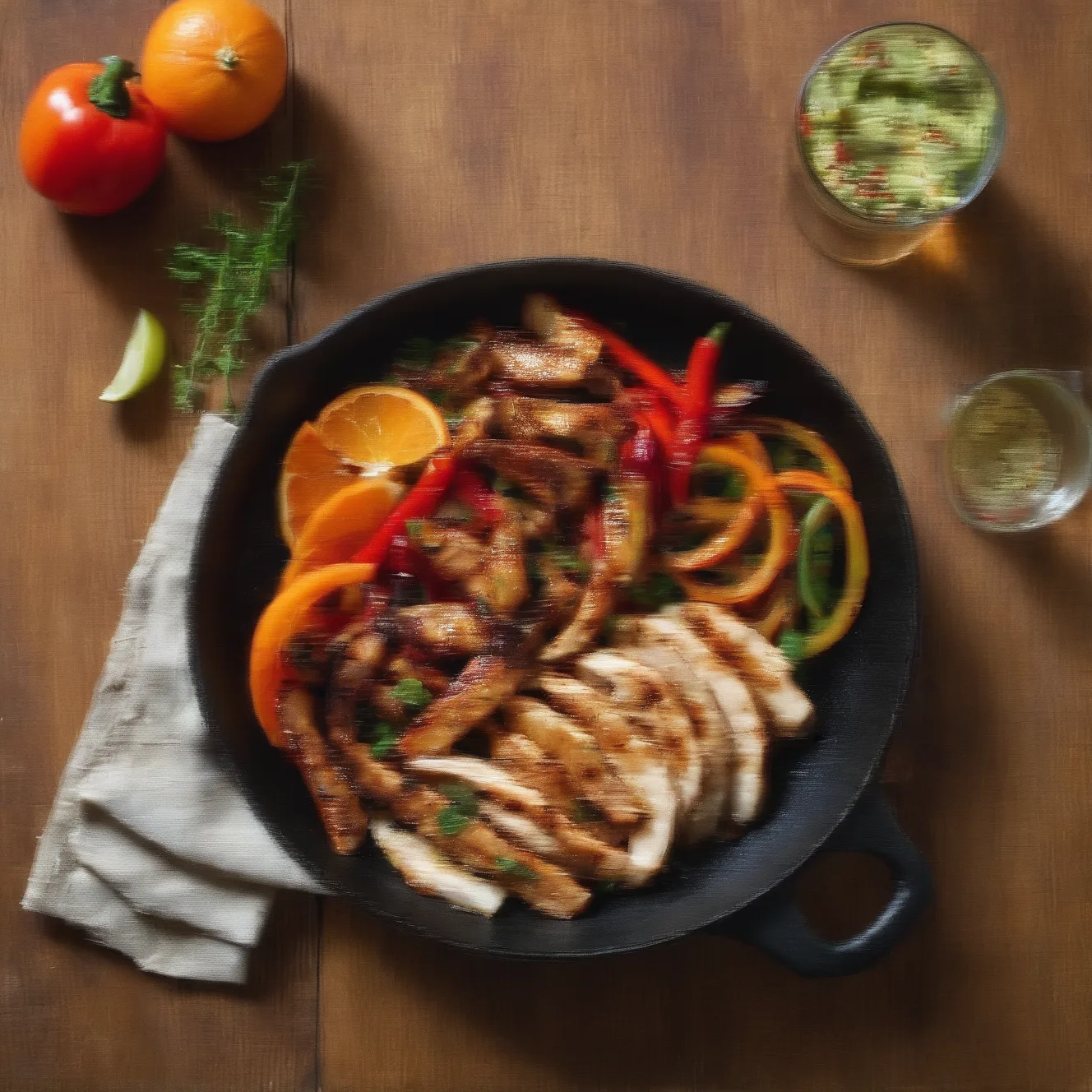
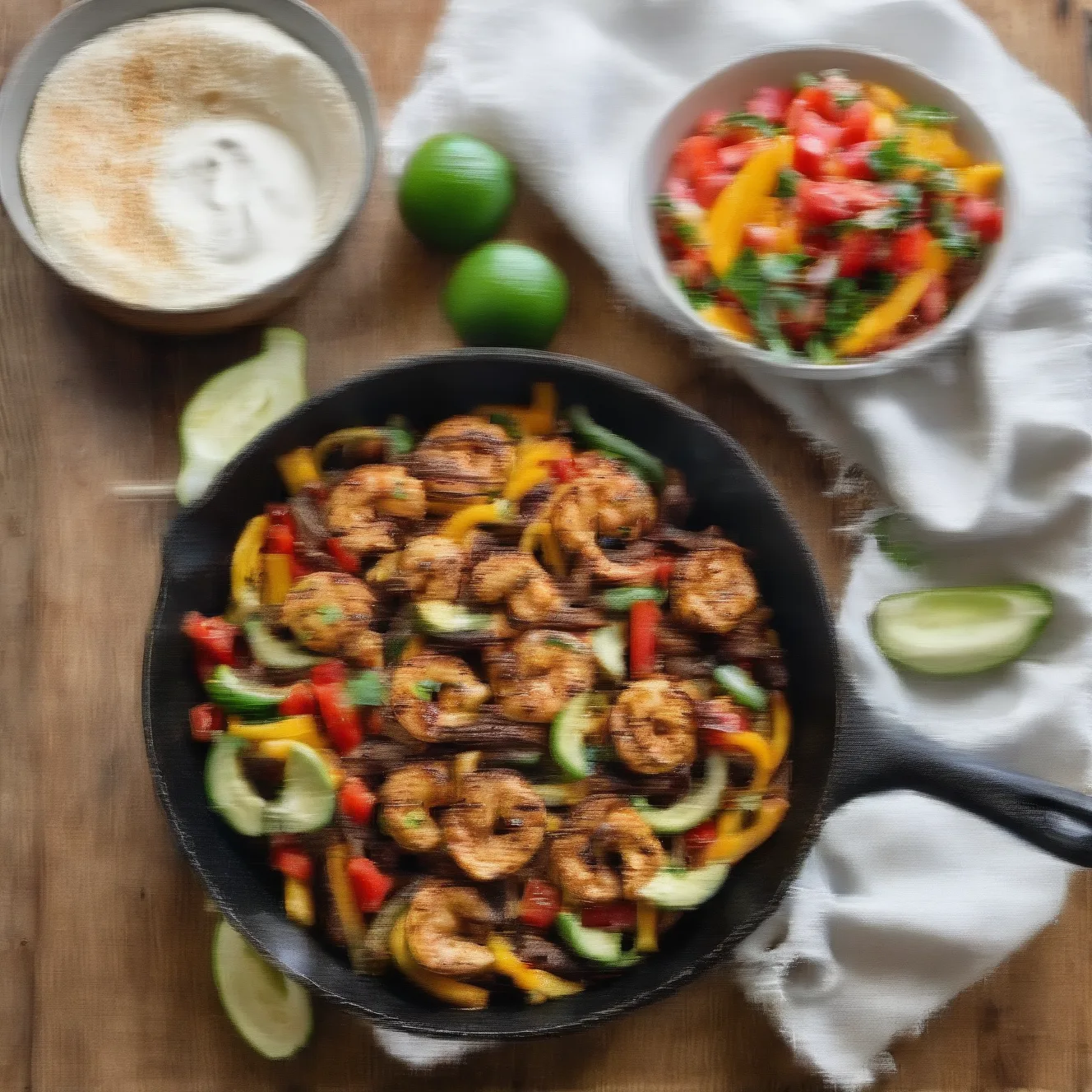
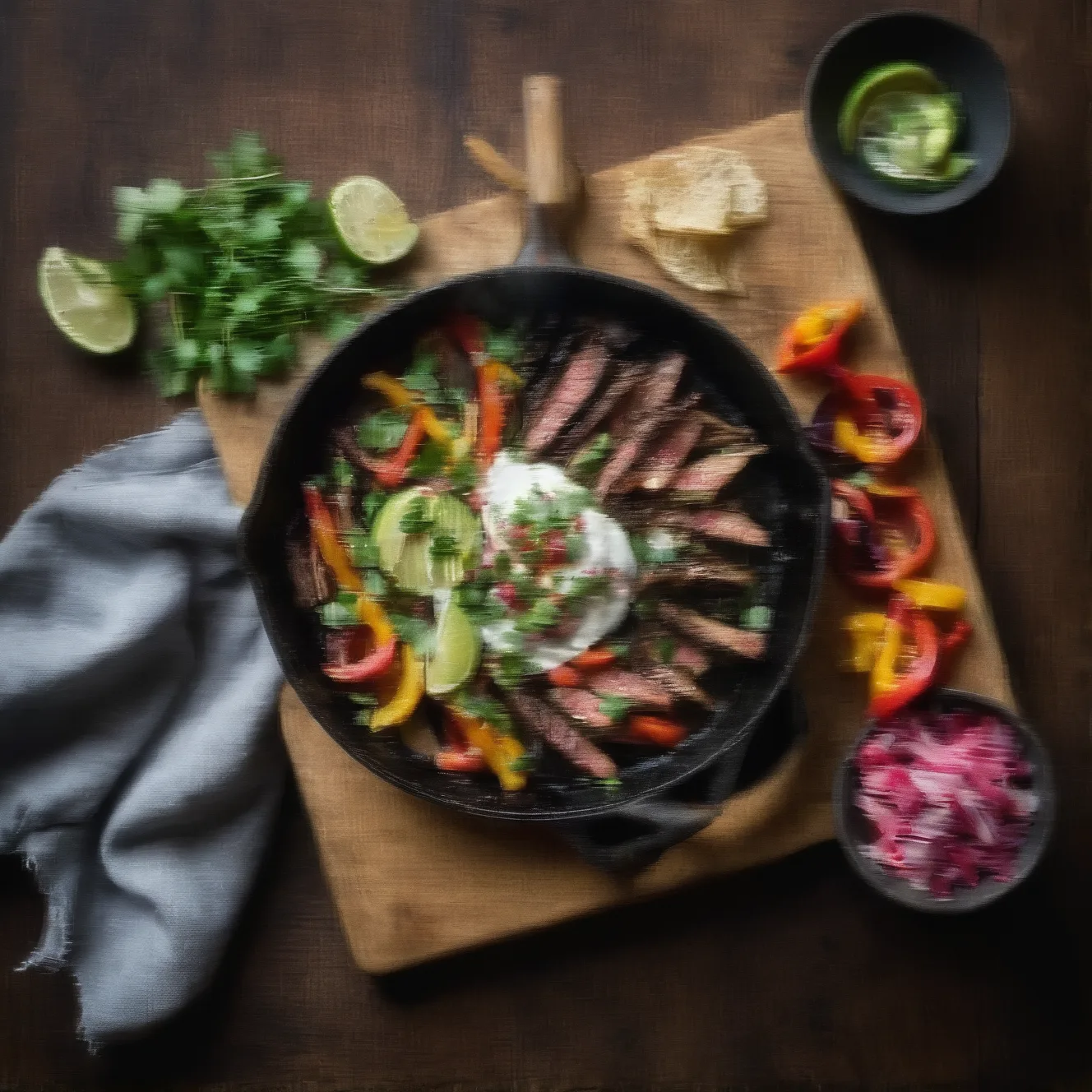
The accurate home copycat of Chili's Chicken Fajitas: a soy-lime-Worcestershire marinade that mimics the restaurant's flat-top char, separately cooked charred peppers and onions, and a preheated cast-iron platter that actually sizzles when it hits the table.

Easy Prep: 15 min Cook: 20 min Total: 35 min4 servings ~$4.50/serving
Prep15 min
Cook20 min
Total35 min
Servings
4
At home~$4.50/serving
vs
Restaurant~$20.25/serving
You save ~78%

Ingredients

Instructions

💡
Pro tip: This recipe tastes even better the next day. The flavors need time to meld together in the fridge.
❄️
Storage: Keeps in an airtight container in the fridge for up to 2 weeks. Freezer-friendly for up to 3 months.
~350-550 cal/serving · Rich & Indulgent🔥

The Story Behind the Recipe

Chili’s Chicken Fajitas have been a menu staple since the restaurant introduced sizzling fajitas to casual dining in the 1980s — the screaming-hot cast-iron platter arriving at your table, vegetables and chicken still visibly cooking, became a signature of the brand. The recipe is deceptively simple, but getting it right at home requires understanding two things that most copycat versions miss.

The first is the marinade. Generic fajita marinades are lime juice, cumin, and chili powder. The copycat marinades that get closest to Chili’s add soy sauce and Worcestershire — both umami-forward ingredients that add deep savory flavor and, more importantly, promote the Maillard browning that makes restaurant fajitas look and taste different from home versions. A commercial flat-top grill runs at 400–450°F and transfers heat instantly across a wide surface; your home skillet needs the extra help of soy’s amino acids to produce comparable browning.

The second is heat. Fajita chicken and vegetables need the absolute highest heat your stovetop can generate. Medium-high is not sufficient. The pan should be smoking before the food goes in, and food should be added in small enough batches that the pan temperature doesn’t drop. Crowded, low-temperature cooking produces steamed, gray vegetables and chicken — not the charred, caramelized result that makes fajitas worth ordering at a restaurant.

The sizzle platter is the theatrical third element. It’s not just presentation — the residual heat of a 400°F preheated cast-iron plate continues cooking the food as you bring it to the table and build your first tortilla, which is why the first bite is always the hottest. If you don’t have a dedicated fajita sizzle plate, a 10-inch cast-iron skillet works identically.

What Makes Chili’s Chicken Fajitas Different

Most restaurant fajitas outside of Texas use flank steak as the original protein (the dish originated in the Texas cattle industry, where “fajita” referred to the skirt steak cut given to ranch hands). Chili’s built their version around chicken breast as the primary protein — lighter, leaner, and faster on a flat-top grill. The chicken-forward approach became so popular it defined the casual-dining fajita category.

Three specific choices separate Chili’s version from generic fajitas:

The marinade includes soy sauce, Worcestershire, and liquid smoke. Soy and Worcestershire add glutamates — the same savory compounds that make aged parmesan, mushrooms, and miso deeply satisfying. The liquid smoke (just 1/2 teaspoon) replicates the smoky depth of Chili’s commercial flat-top without a backyard grill. Most tested copycat sources flag liquid smoke as the ingredient that closes the gap between “tastes like fajitas” and “tastes like Chili’s fajitas specifically.” Lime juice tenderizes and brightens; white vinegar sharpens the acidity without adding citrus flavor.

The vegetables get their own separate finishing sauce. After charring the peppers and onions on high heat, the closest copycat versions finish them with a small sauce — water, soy sauce, lime juice, salt, and pepper — that simmers down and glazes the vegetables. This gives the vegetables a flavor profile distinct from the chicken, rather than the two tasting like the same marinade applied differently. Most home recipes skip this step and toss the vegetables in leftover chicken marinade instead, which muddies the flavor distinction between the two components. The char on bell peppers adds a faint bitterness that balances the sweet onion and the lime in the finish sauce.

The platter arrives at the table still cooking. The cast-iron plate is preheated to the same temperature as the grill. When the cooked food hits it, the sizzle is the sound of residual surface moisture flashing to steam — not raw food cooking on the platter. The food is already done; the sizzle is theater that also extends the heat window at the table.

Building the Perfect Fajita Tortilla

The standard Chili’s build from the inside out: a warm 6-inch flour tortilla as the base, a smear of sour cream (this goes on the tortilla, not on top, so it stays put), a small spoonful of guacamole, 3–4 strips of chicken, a few strips of peppers and onions, a pinch of shredded cheddar, and a spoonful of pico de gallo on top. A squeeze of fresh lime over everything at the end.

The sour cream placement is the thing most home cooks skip — they pile it on top as a garnish, where it slides off the filling. Spreading it directly on the tortilla before adding the filling glues everything together and distributes the cool creaminess through every bite.

Make It a Full Chili’s Meal

These fajitas pair naturally with the other Chili’s dishes in the catalog: Chili’s Queso as an appetizer, Chili’s Texas Cheese Fries for a side, or Chili’s Skillet Queso for extra dipping. For a Chili’s dessert, the Molten Lava Cake is the obvious finish.

For other sizzling Tex-Mex at home, the Chipotle Chicken Burrito Bowl and Chipotle Steak use similar high-heat techniques on a stovetop or grill pan.
Nutrition Facts

Per serving (4 servings)
Calories510
Total Fat24g
Total Carbs18g
Dietary Fiber4g
Sugars6g
Protein38g
Sodium980mg

* Estimated values based on standard recipe preparation. Actual values may vary.

🥗

Make It Healthier

Love Chili's Chicken Fajitas but want a lighter version? Try these simple swaps:

  • Use chicken thigh instead of breast — thighs have slightly more fat but are more forgiving on high heat and harder to dry out
  • Skip the sour cream and use plain Greek yogurt instead — same creamy cooling contrast, about 60% fewer calories
  • Use corn tortillas instead of flour — they are lower in calories, gluten-free, and add an authentic corn flavor
  • The guacamole is the highest-calorie accompaniment; a 2-tablespoon portion keeps the fat in check without sacrificing flavor

Equipment You'll Need

Cast-iron skillet or fajita sizzle plate

Essential for the char on vegetables and chicken — thin pans lose heat when food is added; cast iron stays hot

Heavy oven mitts

The sizzle plate reaches 400°F in the oven — standard kitchen mitts are not sufficient

Heat-safe trivet

For carrying the screaming-hot sizzle plate safely from oven to table

Instant-read meat thermometer

Chicken breast overcooks quickly at high heat; pull at exactly 165°F

Frequently Asked Questions

What is in Chili's chicken fajita marinade?

Chili's does not publish its exact fajita marinade, but the tested copycat versions that come closest converge on the same build: lime juice, white vinegar, soy sauce, Worcestershire sauce, neutral oil, liquid smoke, garlic, and a spice blend of cumin, chili powder, smoked paprika, cayenne, onion powder, salt, and pepper. Two ingredients that most home recipes leave out: soy sauce (adds umami and promotes Maillard browning that mimics the restaurant flat-top's char) and liquid smoke (a small amount — 1/2 teaspoon — replicates the smoky depth of a commercial grill without a backyard barbecue setup). Marinate for at least 30 minutes; overnight in the refrigerator gives the deepest flavor penetration. Pierce the chicken with a fork before marinating to help the brine work into the meat.

What peppers and onions does Chili's use for fajitas?

Chili's uses a combination of green bell pepper, red bell pepper, and yellow onion — the same classic Tex-Mex trio that gives fajitas their recognizable sweet-and-slightly-bitter vegetable mix. The key is cooking them on extremely high heat (as hot as your burner will go) in a dry or barely-oiled cast-iron pan until they develop significant char on some edges. The char is not a mistake — it is the flavor. Do not crowd the pan and do not stir constantly. Let the vegetables sit undisturbed for 60–90 seconds at a time to pick up color. Crowded, constantly-stirred vegetables steam instead of char and taste completely different.

How do you get the sizzle like Chili's when you serve fajitas at home?

Chili's uses a heavy cast-iron platter or sizzle plate that has been preheated to an extremely high temperature in a commercial salamander or oven. To replicate this at home: place a cast-iron skillet or a cast-iron fajita sizzle plate (sold at restaurant supply stores and Amazon) in a 400°F oven for at least 15 minutes before serving. Use oven mitts and carry it to the table on a heat-safe trivet. Add the cooked chicken and vegetables directly onto the screaming-hot platter just before serving — the cold food hitting the hot iron produces the sizzle. Serve immediately.

Does Chili's use chicken breast or chicken thigh for fajitas?

Chili's uses boneless, skinless chicken breast for their fajitas. Chicken thigh is juicier and more forgiving over high heat (it's harder to dry out), and makes an excellent copycat substitution if you prefer it — the flavor difference is slight once the marinade and char are applied. If using chicken breast, slice it thin (about 1/4 inch) across the grain before marinating, or pound it to even thickness before cooking to prevent the outside from overcooking while the center finishes. If using thigh, the marinade and sear time are identical.

What comes with Chili's Chicken Fajitas?

Chili's serves Chicken Fajitas with warm flour tortillas (6-inch, two or three per plate), house-made pico de gallo, sour cream, shredded cheddar cheese, and guacamole. The sides come in individual cups alongside the sizzling platter — not layered on top of the chicken. A squeeze of fresh lime is standard on the platter itself. Some locations also serve with a small side of pickled jalapeño slices. The fajita portion itself — chicken, peppers, and onions — is about 510 calories per Chili's published nutrition; the tortillas and toppings push a fully built plate closer to 1,100 calories.

Can you make Chili's chicken fajitas in an air fryer or oven?

The air fryer works well for the chicken: air fry at 400°F for 10–12 minutes, flipping at the 6-minute mark, until internal temperature reaches 165°F. The high circulating heat mimics the dry char of a flat-top grill. For the vegetables, spread them on a sheet pan and broil on high for 8–10 minutes, stirring once at the halfway point. Neither method matches the depth of char from a screaming-hot cast-iron pan, but both produce acceptable results without a hot stovetop. In both cases, marinate the chicken first — the flavor comes from the marinade more than the cooking method.

Why do my homemade fajitas taste bland compared to Chili's?

Four things most home versions miss: (1) No liquid smoke in the marinade — this is the ingredient that adds the smoky depth of a commercial flat-top grill; without it, chicken fajitas taste bright and herby but lack bottom-end smokiness. (2) No soy sauce or Worcestershire — these add umami depth that lime juice and dried spices alone can't replicate. (3) Insufficient heat — fajitas require the highest heat your stovetop can produce; medium-high is not enough for proper char. If your pan does not start smoking before the chicken goes in, turn it up. (4) Skipping the vegetable finishing sauce — the best copycat versions finish the peppers and onions with a separate soy-lime reduction that gives them a distinct flavor from the chicken; without it, the vegetable side of the plate tastes flat.

Love this recipe? Share it!

Shop the tools

Gear matched to this recipe's equipment list. We may earn a small commission if you buy through these links — at no extra cost to you.

As an Amazon Associate, Copycat Spices earns from qualifying purchases.

Free PDF: our 12 most-wanted copycat recipes — instant download.

Ratings & Reviews

No ratings yet

Rate this recipe

Click a star to rate

Leave a Review

0/500

CS

Copycat Spices Test Kitchen

Every recipe on Copycat Spices is developed and tested in our home test kitchen. We reverse-engineer beloved restaurant dishes and refine each one until the flavors and the instructions work reliably for home cooks of all skill levels.

Learn more about our mission →