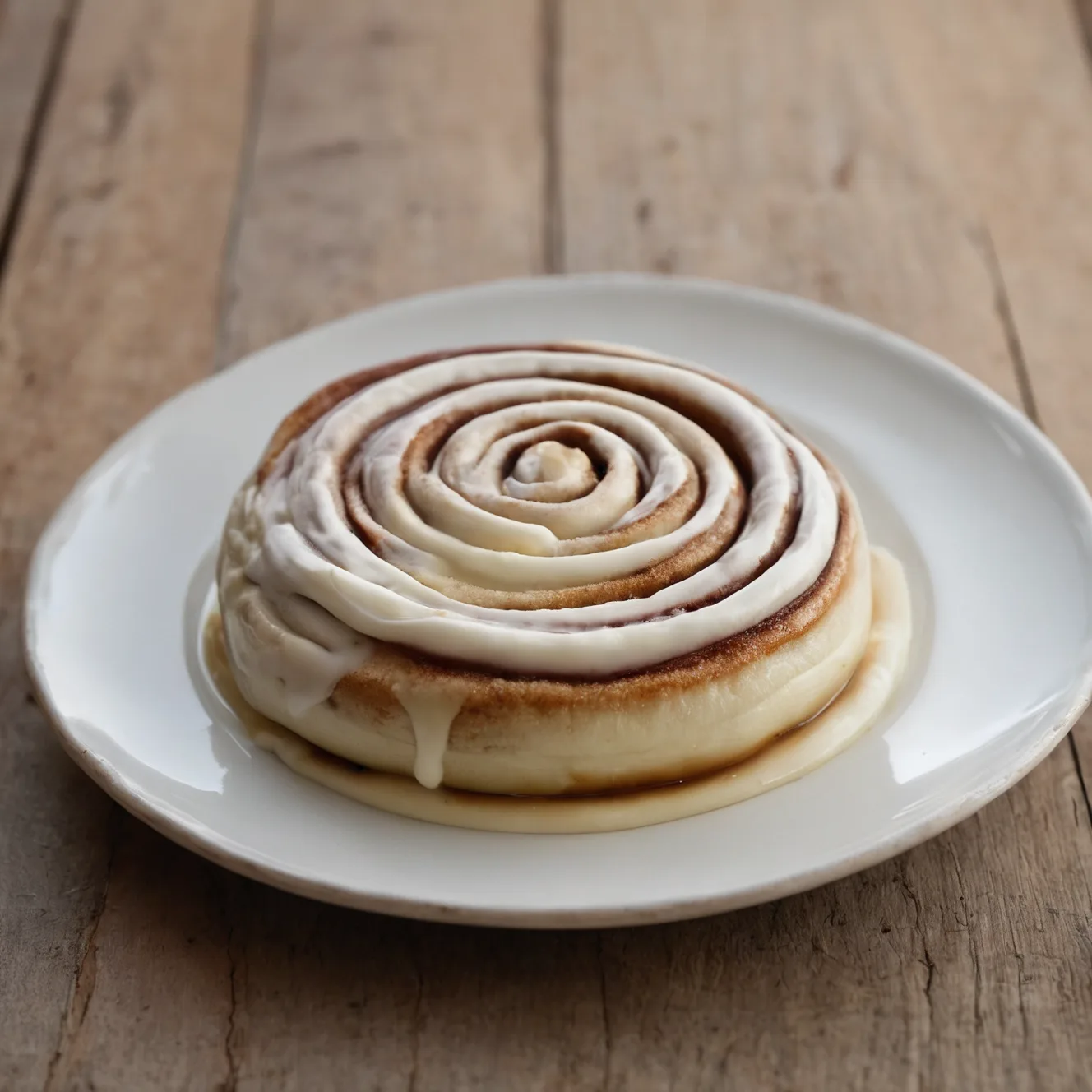
TL;DR: Cinnabon’s Classic Roll is an enriched yeasted dough, a bold cinnamon-brown-sugar filling, and cream cheese frosting applied while still warm. The three things that actually make it taste like Cinnabon: (1) use Korintje or Vietnamese cinnamon — standard grocery-store cinnamon is too mild; (2) soft butter for the filling, never melted; (3) frost immediately out of the oven. Makes 12 rolls for about $1.10 each.
Cinnabon opened its first bakery on December 4, 1985 at SeaTac Mall in Federal Way, Washington. Founders Rich and Greg Komen hired baker Jerilyn Brusseau to develop the recipe. Brusseau worked with spice supplier Crescent Spices to test multiple cinnamon varieties, landing on a Korintje cinnamon from Sumatra chosen for having the highest volatile oil content — and therefore the most intense, aromatic flavor — of any variety tested. Cinnabon brands this blend “Makara cinnamon,” and the recipe hasn’t changed.
This matters for home bakers because the cinnamon is the one ingredient that cannot be approximated with something pulled from the back of a spice cabinet. If the cinnamon isn’t fresh and bold, the rolls will taste competent but not memorable. Get the cinnamon right and everything else follows.
The Cinnamon
Standard grocery-store cinnamon is almost always Chinese cassia — cheaper, mass-produced, with a lower volatile oil content and a slightly sharp, one-dimensional flavor. Cinnabon’s cinnamon has a higher oil content, which produces more aroma, a warmer sweetness, and what people describe as a “rounder” flavor without the slight harshness cassia can have.
The two best substitutes:
Vietnamese (Saigon) cinnamon is the closest match in terms of intensity. It has the highest volatile oil content of commercially available cinnamon, an almost spicy-warm quality, and is widely stocked at Penzeys, World Market, and increasingly at grocery stores. Smell it first — it should be aggressively fragrant.
Ceylon cinnamon is milder and more floral, almost delicate. It’s the “true” cinnamon of culinary tradition, prized in Mexico and Sri Lanka. It won’t replicate Cinnabon’s bold approach, but it’s an interesting variation.
Whichever you use, check the freshness. Cinnamon loses its volatile oils over months in a cabinet. If it doesn’t smell powerful when you open the jar, it will not taste powerful in the rolls.
The Filling: Soft Butter, Not Melted
The filling is three ingredients — butter, brown sugar, cinnamon — and the only thing that matters is the state of the butter.
Softened butter (room temperature, able to be spread like thick cream) stays exactly where you put it on the dough surface. It coats every square inch evenly, and the brown sugar and cinnamon adhere to it uniformly from edge to edge.
Melted butter flows. The moment you tilt the dough or start rolling, liquid butter migrates to the low end of the surface. The sugar follows. By the time you’ve rolled and cut the log, some layers have a thick band of filling and others have barely any. Some of the butter has run out entirely and is pooling at the bottom of the baking pan.
The fix: take the butter out of the refrigerator an hour before you need it. It should leave an indentation when you press it but not feel warm or greasy. If you’re in a rush, cut it into thin slices and spread them across a plate — they’ll soften in about 15 minutes at room temperature.
The Roll: Tight, Even, Sealed
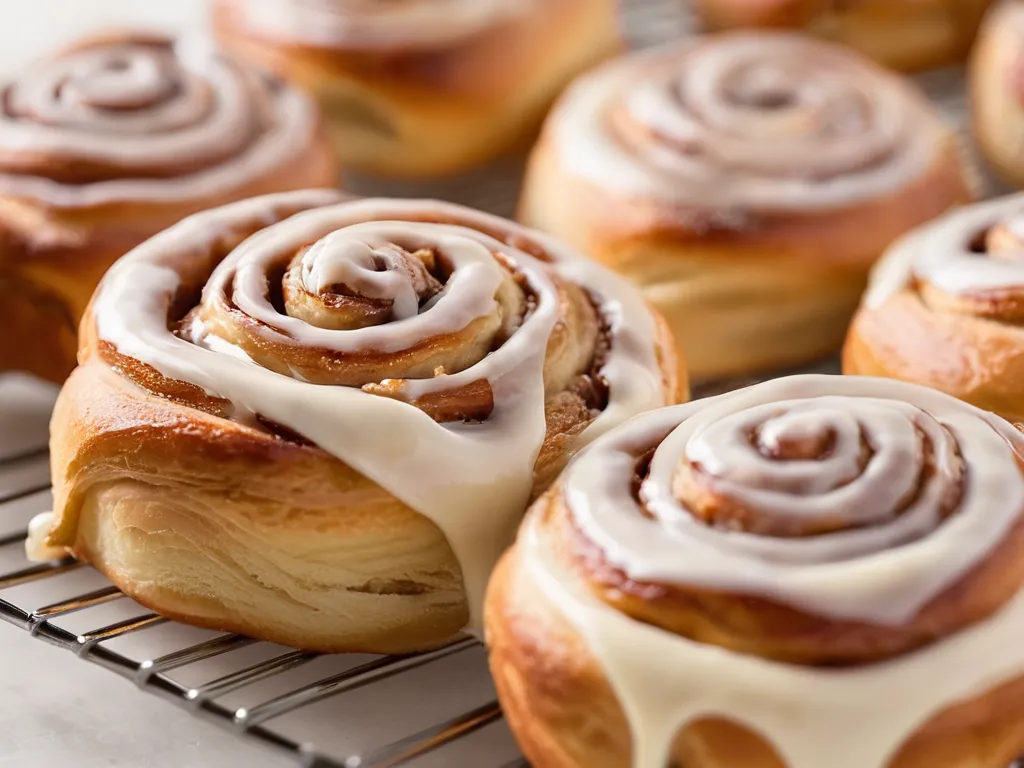
The classic Cinnabon roll is tight — you can see many thin layers when you pull apart the spirals. Getting there requires rolling the dough up firmly and evenly from the long edge.
Roll from one end to the other, moving across the width of the dough in short sections rather than trying to roll the whole thing at once. Keep consistent tension — firm enough that there are no gaps between layers, but not so tight that the dough tears. When you reach the bare 1/2-inch strip you left for the seam, press it firmly along the entire length of the log to seal.
Cutting the log without squashing it requires bypassing a knife. A knife, even a sharp one, compresses the dough as it cuts. Dental floss (unflavored) slides clean: loop it under the log, cross the ends over the top, and pull outward in one smooth motion. The log stays perfectly round.
The Bake: Pale Is Correct
Cinnabon rolls should look underbaked when they come out of the oven. The tops will be a very pale gold — not the rich caramel-brown of dinner rolls or sandwich bread. The centers, when pressed, will feel slightly soft.
This is intentional. Cinnabon uses convection baking, which circulates hot air and cooks the interior faster than the exterior. A conventional home oven runs at 325°F to achieve a similar result. The internal temperature of a finished roll — 185–190°F — ensures the dough is fully cooked despite how it looks on the surface.
If you bake until the tops are golden-brown, the interior layers will have dried out. Cinnamon rolls go from perfectly soft to noticeably dry in about 5 extra minutes. Use a thermometer the first time to calibrate your oven.
The Frosting: Immediately and Generously
Cinnabon’s cream cheese frosting has a specific quality that home versions often miss: it’s simultaneously a frosting and a glaze. Applied to hot rolls, it partially melts and flows into the gaps between layers, coating surfaces that frosting would never reach if the rolls had cooled first.
This effect only works on hot rolls. Within 3 minutes of coming out of the oven, spread half the frosting across the tops. Let it sit for 30 seconds — you’ll see it start to liquify slightly at the edges where it meets the hot surface — then spread the rest. The frosting penetrates the roll and sets as the rolls cool, creating that characteristic glossy, layered interior.
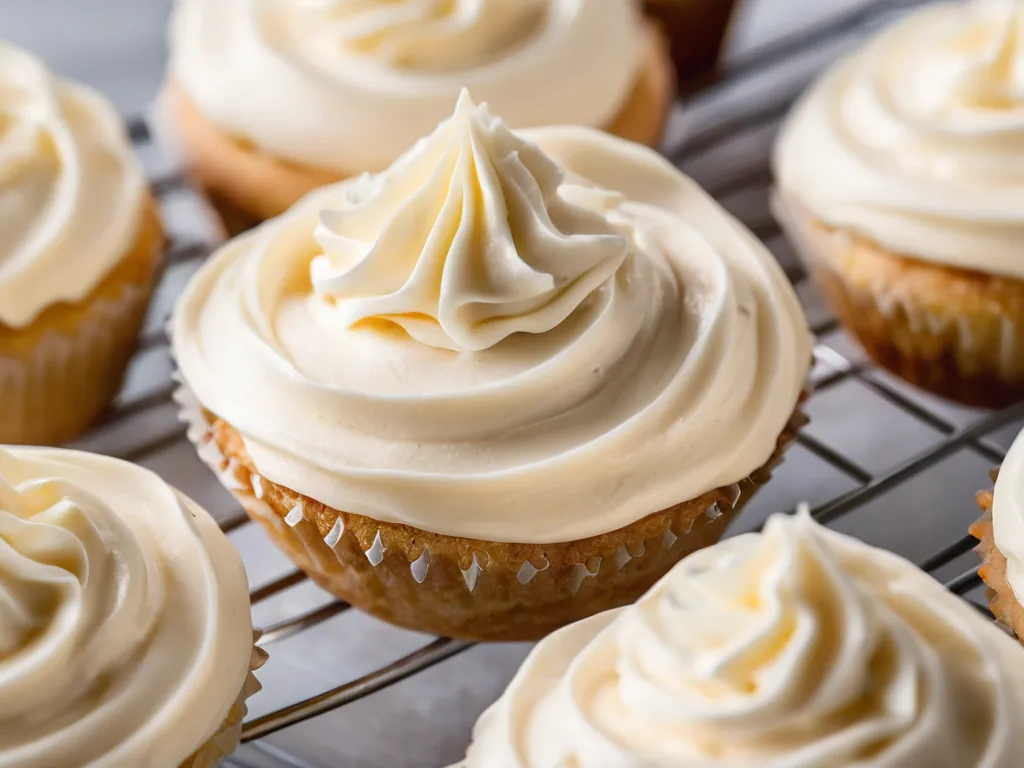
The frosting itself is not complicated: room-temperature cream cheese and butter beaten smooth, powdered sugar, vanilla. The salt is not optional — it balances the sweetness and brings out the cream cheese tang. One tablespoon of heavy cream at the end gives it a spreading consistency that flows slightly rather than plopping.
Cost and Yield
The full recipe produces 12 rolls using approximately $13–14 in ingredients at current prices: flour, butter (3 uses across the recipe), eggs, cream cheese, brown sugar, milk, vanilla, cinnamon, yeast.
At $1.10–1.15 per roll vs. $6–8 at a mall Cinnabon location, the home version costs 85–90% less. Airport Cinnabon locations in 2026 often charge $8–9 per roll.
The nutrition figures above are for the home recipe as written, producing 12 rolls that are somewhat smaller than Cinnabon’s official 241g Classic Roll. Cinnabon’s official single-roll nutrition: 880 calories, 129g carbs, 37g fat, 12g protein, 1,150mg sodium. If you want to match Cinnabon’s exact size, reduce the recipe to 9 rolls instead of 12.
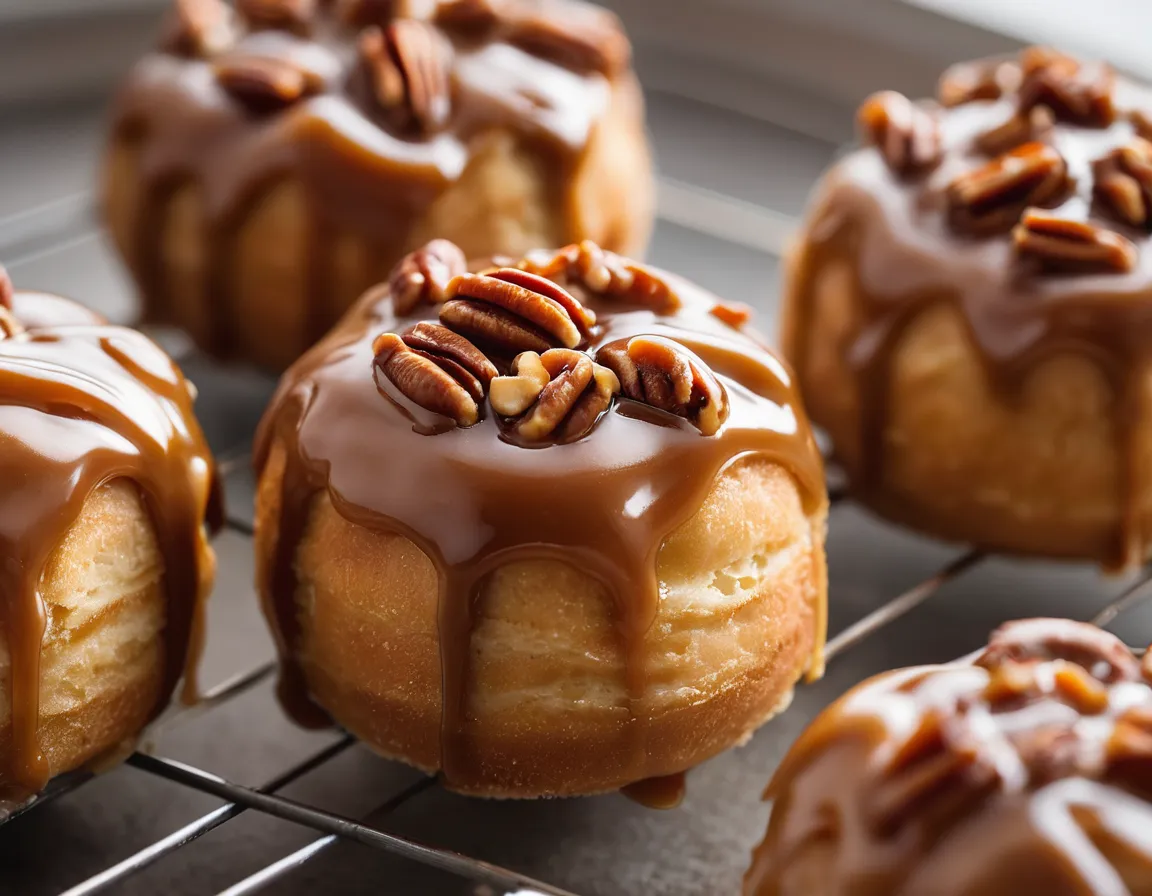
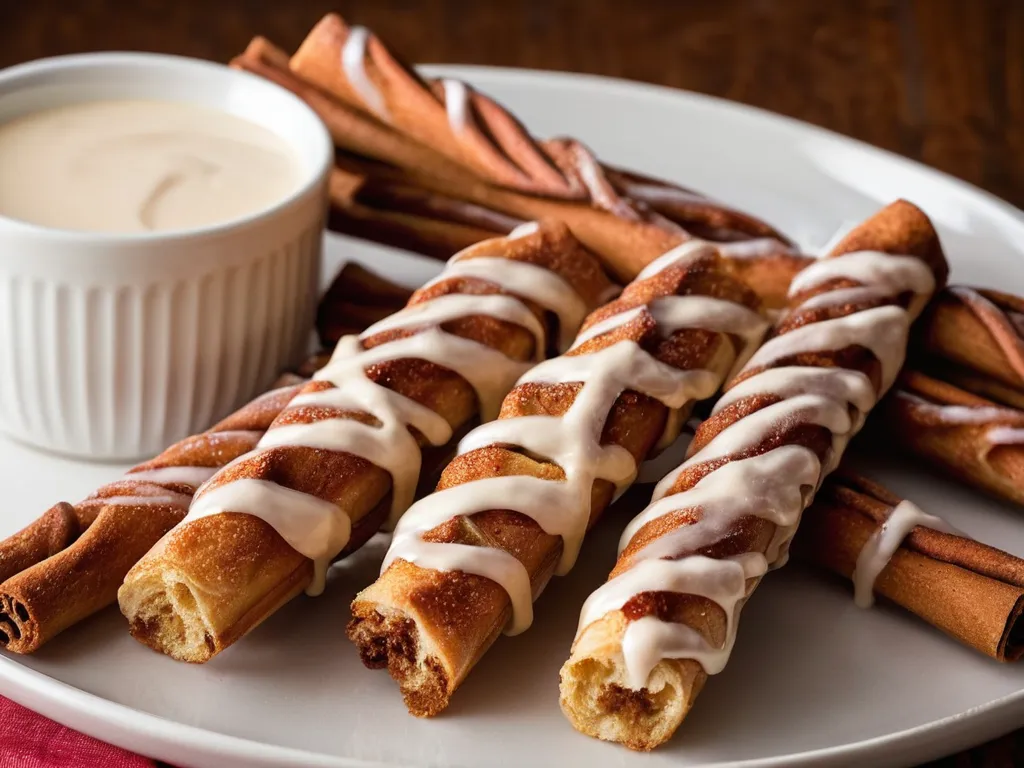
For more from Cinnabon’s menu: the Cinnabon Caramel Pecanbon swaps the cream cheese frosting for a caramel-pecan topping; the Cinnabon Cinnamon Sticks use the same dough in a pull-apart stick format with a cream cheese dip.