
Costco (Kirkland) Rotisserie Chicken
Active prep: 10 minutes (+ 12–24 hours dry brine, mostly hands-off) Cook time: 80 minutes Servings: 6
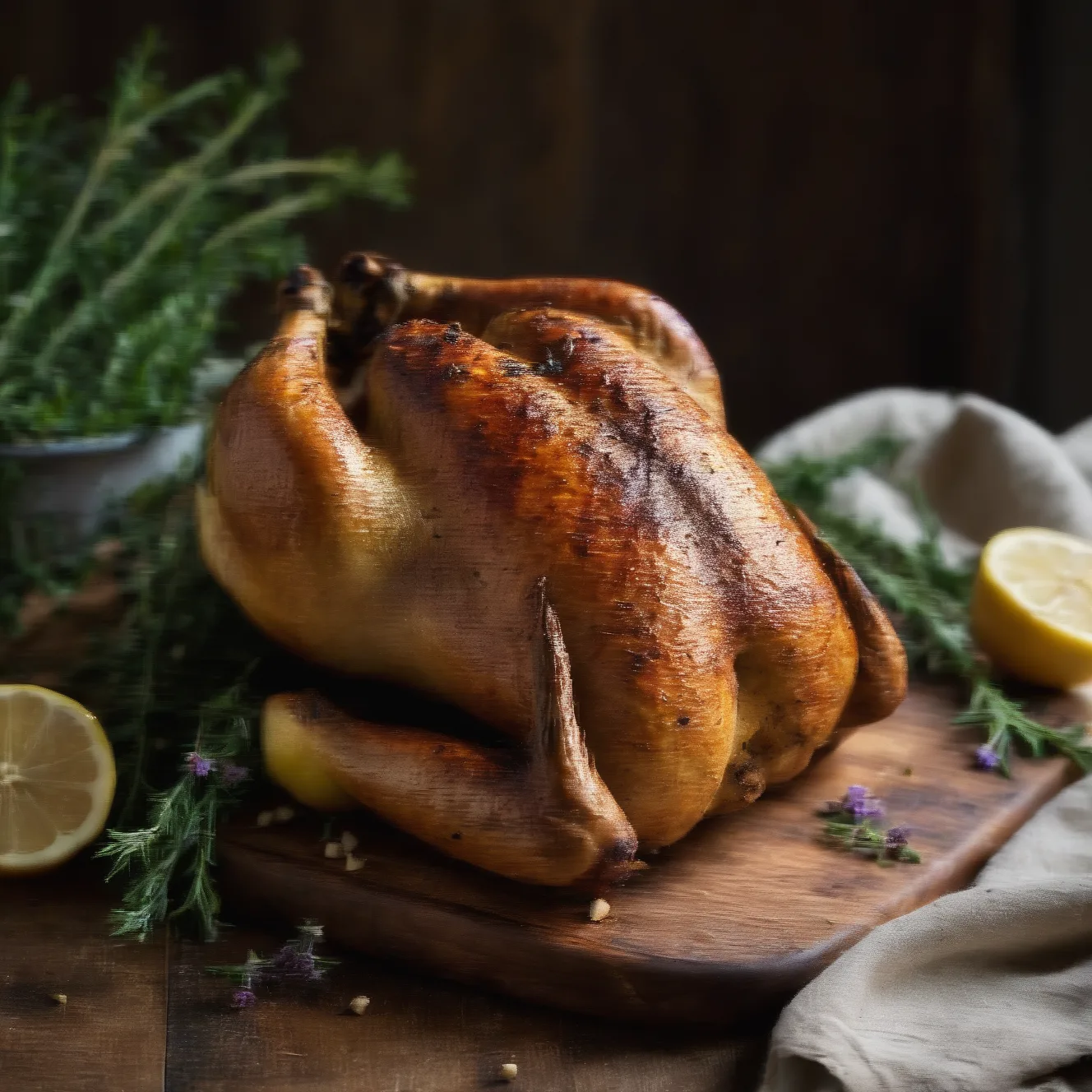
Costco sold 157.4 million rotisserie chickens worldwide in 2025, the company reported at its January 2026 annual meeting. The price has stayed at $4.99 for well over a decade. By any measure, it is one of the most successful food items in American grocery history — and the reason it tastes like it does is almost entirely one thing: injection brining. A saline solution is pumped directly into the muscle before roasting, carrying seasoning deep into the meat in a way a surface rub never reaches.
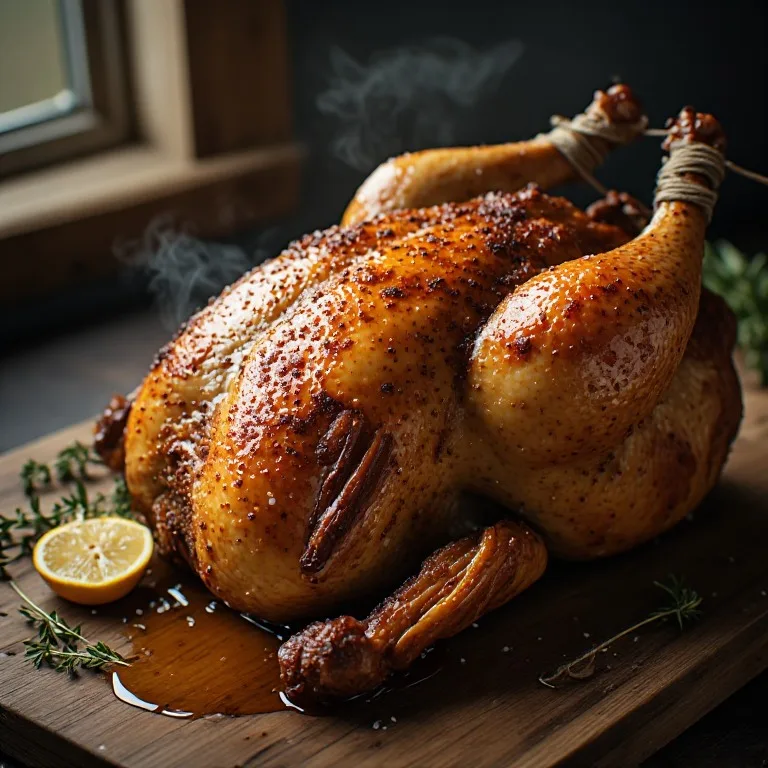
At home, a 12–24 hour dry brine gets you to the same place. Salt applied under the skin and on the surface is slowly drawn into the muscle fibers overnight. The skin dries out in the refrigerator air. You roast it on a rack at high heat and then moderate heat. What comes out of the oven is a deeply seasoned, genuinely juicy bird with crackling golden skin — better than a warehouse-held bird in every way except price.
Why This Copycat Works
The dry brine is doing Costco’s injection work. Injection brining carries salt deep into the muscle faster than diffusion alone. Dry brining works more slowly, but over 12 hours the salt rehydration cycle moves salt well into the interior of the breast and thigh. Season the bird at noon, roast it the next evening — the meat tastes seasoned from the inside.
Skin-drying is built into the brine. A chicken that goes from packaging straight to the oven has wet skin. Steam from wet skin creates a barrier that prevents the Maillard reaction (browning) and keeps the skin soft. Leaving the chicken uncovered in the refrigerator for 12 hours dries the exterior completely. The high-heat roasting start then crisps it immediately.
Two temperatures, two jobs. Twenty minutes at 425°F renders the subcutaneous fat and starts the browning. Dropping to 375°F lets the thigh reach 165°F without blowing out the breast. Using one temperature for the whole cook can’t do both well — high heat all the way through overdries the breast; low heat the whole way gives you pale, soft skin.
Simple seasoning on purpose. Costco’s chicken doesn’t taste herby or complex. It tastes like chicken, well-seasoned with salt and a little paprika and garlic. This recipe stays close to that profile. Add herbs if you want — a little dried thyme or rosemary is good — but resist the impulse to make it into something else. The restraint is the point.
The $4.99 Chicken That Costs Costco $30 Million a Year
Costco sells its rotisserie chicken below cost. A former CFO, speaking to the Seattle Times, put the foregone margin at $30–40 million per year at the peak of the inflation period, when wholesale chicken prices rose but the $4.99 price stayed fixed. The strategy is explicit: the chicken drives warehouse visits. Every customer who enters to pick up a bird walks through a 150,000-square-foot store and typically buys a cart of other goods.
The Nebraska poultry complex, opened in 2019 at a cost of roughly $450 million, was built specifically to shield this strategy. It supplies Costco’s own stores with birds it raises and processes internally, insulating the price from wholesale market swings. At full capacity the plant handles about 100 million chickens a year — roughly 40% of Costco’s total annual need.
Whether or not you have a Costco membership, this recipe gives you the same juicy, simply-seasoned bird — and the pan drippings that a warehouse steam case doesn’t.
Using Your Leftover Rotisserie Chicken
A 4–5 lb bird yields roughly 3 lbs of cooked meat: two large bone-in breasts, two thighs, two drumsticks, and two wings. After feeding six, there’s usually a half-pound or more of pulled meat left. Options in order of effort:
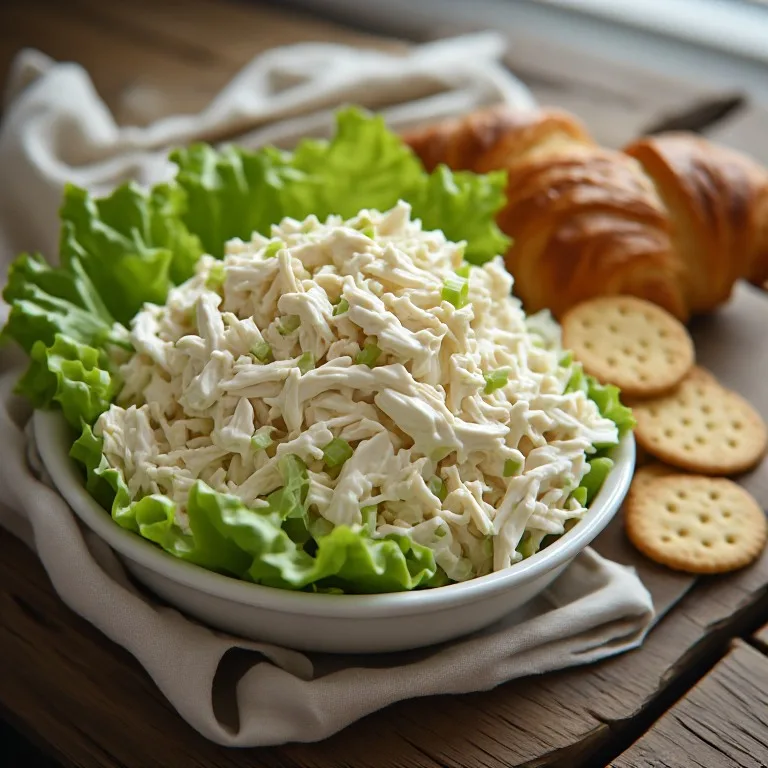
- Chicken salad — pull the meat, mix with mayonnaise, celery, salt, and pepper. Done in 5 minutes.
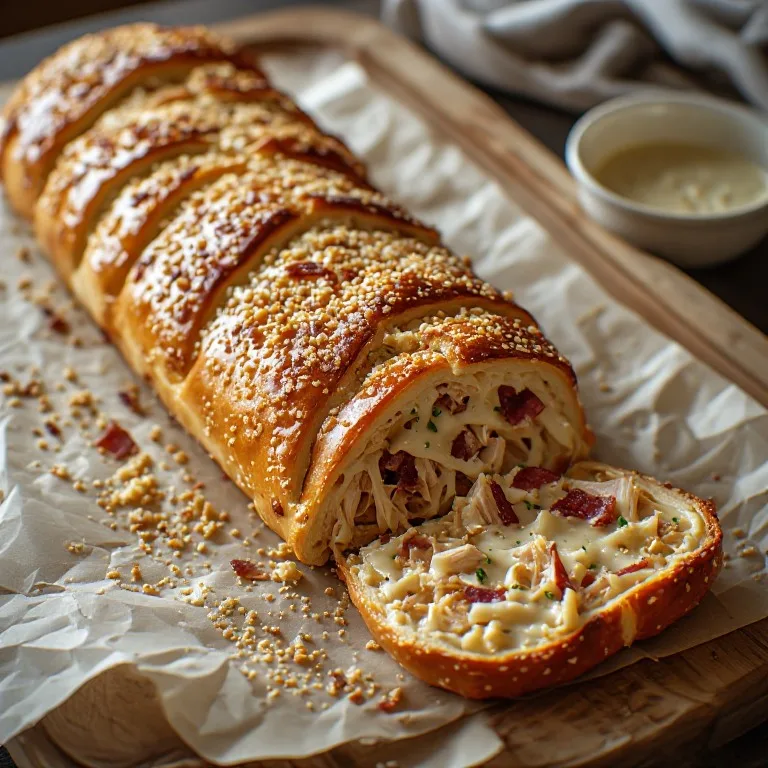
- Chicken pot pie — leftover meat goes straight into the filling without any pre-cooking.
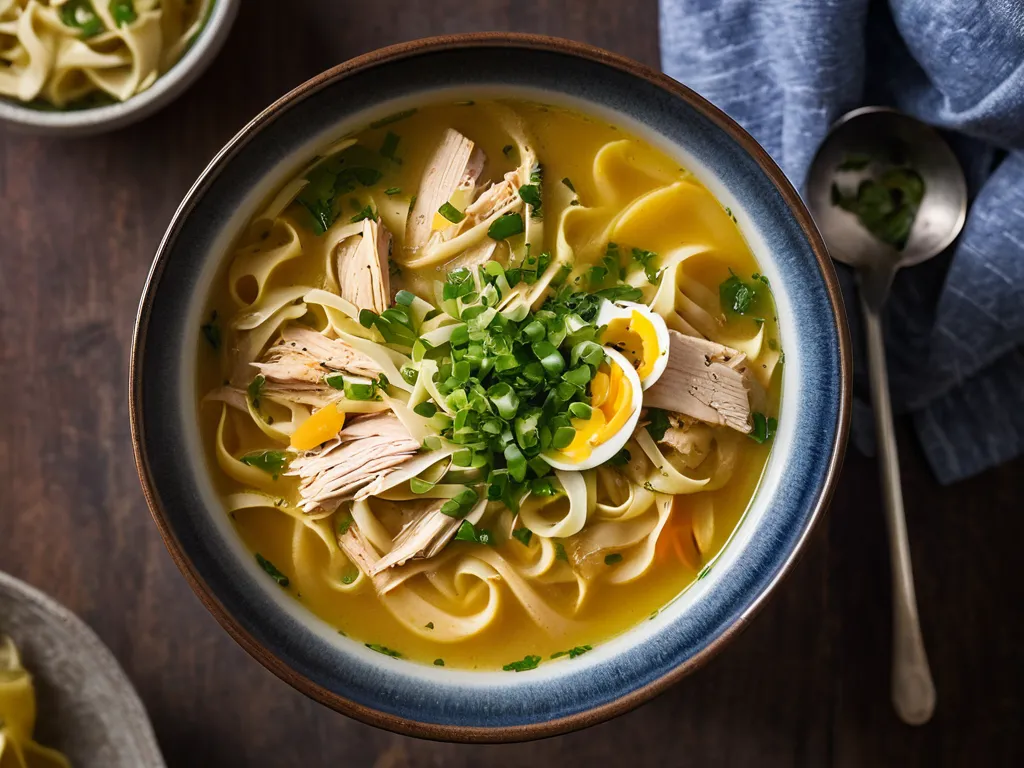
- Chicken noodle soup — simmer the carcass first, then add pulled meat to the strained broth.
- Grain bowls — sliced breast over rice or farro with whatever vegetables you have.
The carcass itself is worth keeping. Simmer it in water with an onion, a few celery stalks, and a carrot for 2–3 hours, strain it, and you have a quart of good homemade chicken stock.