

Pin It

Marie Callender's Chicken Pot Pie

Marie Callender's Chicken Pot Pie
Jump to Recipe
Prep 35 min Cook 50 min Serves 6
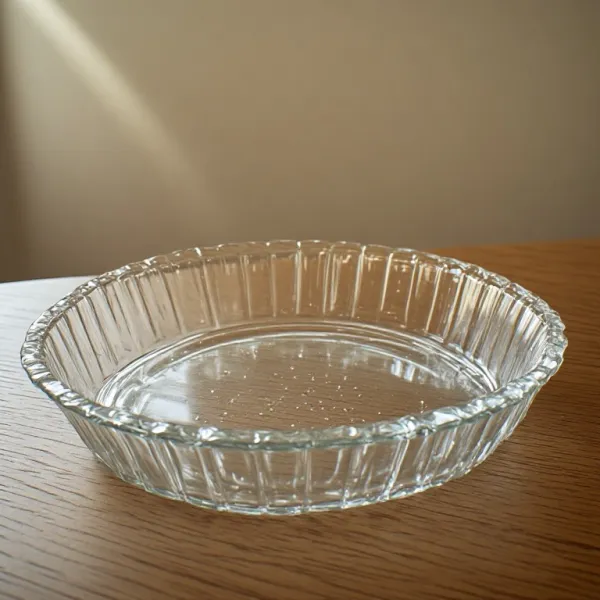
Quick answer: Marie Callender's chicken pot pie uses a butter-and-shortening double crust (cold fat, handled minimally) and a filling that's deliberately simple — seasoned only with salt and pepper, thickened with a flour roux, and built with chicken broth plus whole milk. Sauté diced onion, celery, and carrots in 4 tablespoons butter, stir in 5 tablespoons flour, then whisk in 2½ cups low-sodium chicken broth and ⅔ cup whole milk until thick. Add cooked chicken (1-inch pieces), pre-cooked diced potato, and frozen peas. The filling flavor comes entirely from the broth — no dried herbs. Line a 9-inch deep-dish pie plate with the bottom crust, spoon in the cooled filling, top with the second crust, crimp, cut 4 steam vents, brush with egg wash, and bake at 425°F for 30–35 minutes until deep golden-brown. Rest 15 minutes before slicing.

Marie Callender's Chicken Pot Pie

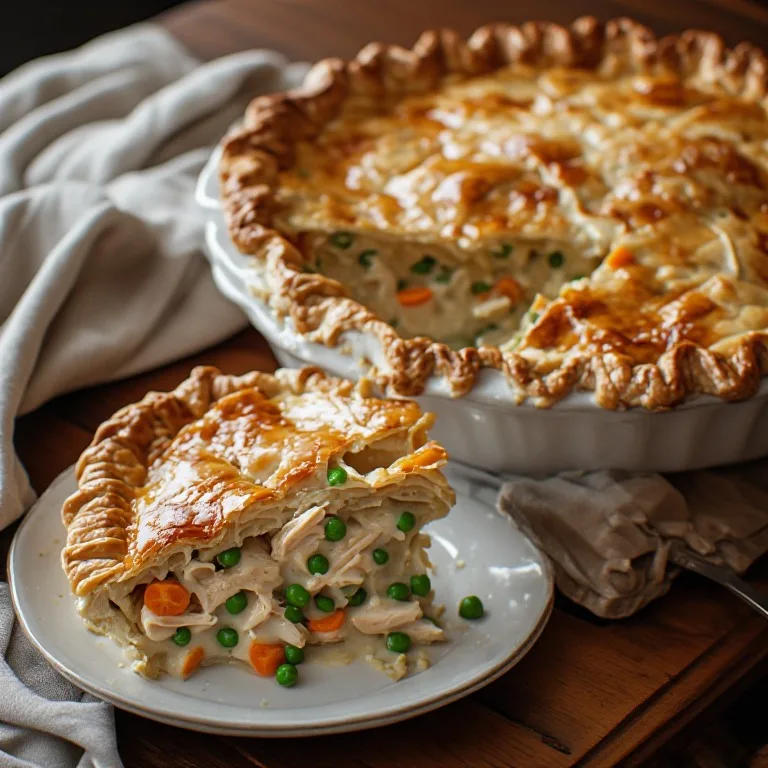
Marie Callender's chicken pot pie is a deep-dish double-crust pie with an ultra-flaky butter-and-shortening crust and a filling thick enough to hold its shape when sliced. The detail most copycats miss: no herbs — just salt, pepper, and good chicken broth with a little whole milk.

Medium Prep: 35 min Cook: 50 min Total: 1h 25m6 servings ~$4.50/serving
Prep35 min
Cook50 min
Total1h 25m
Servings
6
At home~$4.50/serving
vs
Restaurant~$20.25/serving
You save ~78%

The Story Behind the Recipe

Marie Callender (born in South Dakota) started her pie business in 1948 in Long Beach, California — not a restaurant, but a wholesale bakery. She and her husband Cal sold their car for $700 to rent a WWII Quonset hut, and their son Don delivered pies to local restaurants by bicycle. The wholesale business grew into a brand. The first Marie Callender's restaurant opened in 1964 in Orange, California. By the 1980s the chain had expanded to hundreds of locations across California and the Southwest, famous for its glass-dome pie cases, the deep-booth dining room, and those individual chicken pot pies baked in ceramic crocks. Marie died in 1995 at age 88. The chain went through a 2019 Chapter 11 restructuring and is now run by Elite Restaurant Group out of Mission Viejo, California — 23 locations remain as of 2026, most in California with a few in Nevada, Utah, and Idaho.

The frozen grocery pot pies (sold nationwide under the Marie Callender's name by ConAgra) are a different product. Reviewers consistently note that the frozen version has drier chicken, watery gravy, and a compressed crust compared to the restaurant. The restaurant serves individual ceramic-crock pot pies made to order, with a from-scratch crust and a clean, simple filling that gets its flavor almost entirely from the chicken broth — no herbs beyond salt and pepper. That deliberate simplicity is what most copycat recipes miss. This home version makes a family-size 9-inch pie instead of individual crocks (easier for home baking), but the filling and crust technique are kept close to the original. It serves 6 for about $18–22 in groceries.

Nutrition Facts

Per serving (6 servings)
Calories650
Total Fat38g
Total Carbs53g
Dietary Fiber4g
Sugars7g
Protein28g
Sodium810mg

* Estimated values based on standard recipe preparation. Actual values may vary.

Ingredients

  • For the double crust
  • For the filling

Instructions

💡
Pro tip: This recipe tastes even better the next day. The flavors need time to meld together in the fridge.
❄️
Storage: Keeps in an airtight container in the fridge for up to 2 weeks. Freezer-friendly for up to 3 months.
🎃 Free Halloween cookbook — download now The Copycat Halloween Cookbook A ready-made, photo-illustrated PDF of our best halloween copycat recipes — free to download, no building required. Pay what you want to support if you love it.

Free PDF — instant download. We'll also send new seasonal copycat recipes now and then; unsubscribe anytime. Or just download it →

Marie Callender’s Chicken Pot Pie

Prep time: 35 min Cook time: 50 min (30 min crust + 20 min filling) Rests: 15 min before cutting Serves: 6

Marie Callender’s chicken pot pie is famous at home, not just at the restaurant. It’s the pot pie people grew up with — whether they ate it at a Marie Callender’s table in California or from the grocery store’s freezer section. The restaurant version was always better: a real double-crust pie, with filling thick enough to hold its shape when sliced. This recipe replicates that version.

The Two Things That Actually Matter

The crust is butter AND shortening. Most home pot pie recipes default to all-butter (for flavor) or all-shortening (for ease). Marie Callender’s uses both. Butter contributes flavor and produces the steam-layered flakiness you can see in a cross-section of the baked crust. Shortening has a higher melting point, which means it stays solid longer during mixing and rolling — giving you more working time and a more forgiving dough that rolls without cracking. The combination is what professional pie bakers have relied on for decades: the flavor of butter, the structural resilience of shortening. Keep both very cold. Stop mixing while the dough still looks rough and uneven — smooth dough is overworked dough.

The filling is deliberately simple. Most pot pie recipes season the filling with thyme, sage, Herbes de Provence, garlic, or some combination of herbs. Marie Callender’s doesn’t. The filling is seasoned with salt and pepper only — the flavor comes entirely from the chicken broth. This is the detail most copycat recipes miss. Use a good-quality low-sodium broth (or better, homemade), because the broth does all the work: it builds the sauce, carries the chicken flavor through every bite, and determines whether the finished pie tastes flat or rich. The deliberate simplicity is what makes it taste like comfort food rather than a seasoned dish.

The Crust Technique, Step by Step

The enemy of flaky pie crust is heat. Fat that melts into the flour before the oven produces a tender-mealy texture — not the steam-layered flaky texture you’re after. The shortening gives you more margin than an all-butter crust, but the principle is the same: keep everything cold, work fast. Every step is designed to prevent premature melting:

  • Cut the butter into cubes and the shortening into pieces; chill both in the freezer for 10 minutes before adding to the flour.
  • Use ice water — fill a glass with water and ice and let it sit while you prep the flour.
  • Work quickly with fingertips, pressing the fat chunks flat rather than rubbing them in. The finished mixture should have visible, irregular pieces — not an even sandy texture.
  • Stop adding water the moment the dough holds together. Press a handful in your palm; it should barely cohere, not feel smooth or plastic.
  • Rest the dough at least 30 minutes in the refrigerator before rolling. This chills the fat back down and lets the gluten relax so the dough rolls without springing back.
Why the Filling Must Cool Before Assembly

Filling going into raw pastry should be warm, not hot. Hot filling:

  1. Melts the butter in the raw bottom crust, preventing it from baking dry and flaky
  2. Creates steam inside the sealed pie during assembly, partially cooking the top crust before it goes into the oven

Let the filling cool to roughly room temperature (15–20 minutes off the heat) before spooning it in. The filling will thicken further as it cools, which is correct — it will loosen again in the hot oven.

Filling Variations

The classic potato-peas-carrots filling is what Marie Callender’s uses, but the technique scales to variations cleanly:

Turkey pot pie: swap the chicken for leftover Thanksgiving turkey (dark and white meat mixed). This is the one variation where a single herb earns its place — stir 1 tablespoon of chopped fresh sage into the finished filling for a leftovers-forward note.

Add mushrooms: 1 cup of cremini mushrooms, sliced and sautéed until golden before you add the onions, adds a meaty depth that stands up well to the clean, broth-based filling.

No potato: omit the potato and increase the carrots to 1 cup and peas to 1½ cups for a lighter, more vegetable-forward filling.

Reheating Leftovers

The baked pie reheats better than most pot pies because the thick filling doesn’t turn watery. Cover the pie with foil and warm at 350°F for 20–25 minutes until heated through. Individual slices reheat well in a microwave at 50% power for 2–3 minutes, covered loosely with a paper towel — full power makes the crust tough and the filling splatter.

Related Recipes

The Cracker Barrel Chicken Pot Pie is a close cousin — also a double-crust deep-dish pie — but uses Herbes de Provence and Better Than Bouillon as its signature differentiators; the filling is slightly less thick. The KFC Chicken Pot Pie uses a single top-crust style and a different, more heavily seasoned filling. For a related comfort-food dinner, Boston Market Rotisserie Chicken gives you the starting ingredient — make it on a Sunday, use the leftovers for this pot pie on Monday.
🥗

Make It Healthier

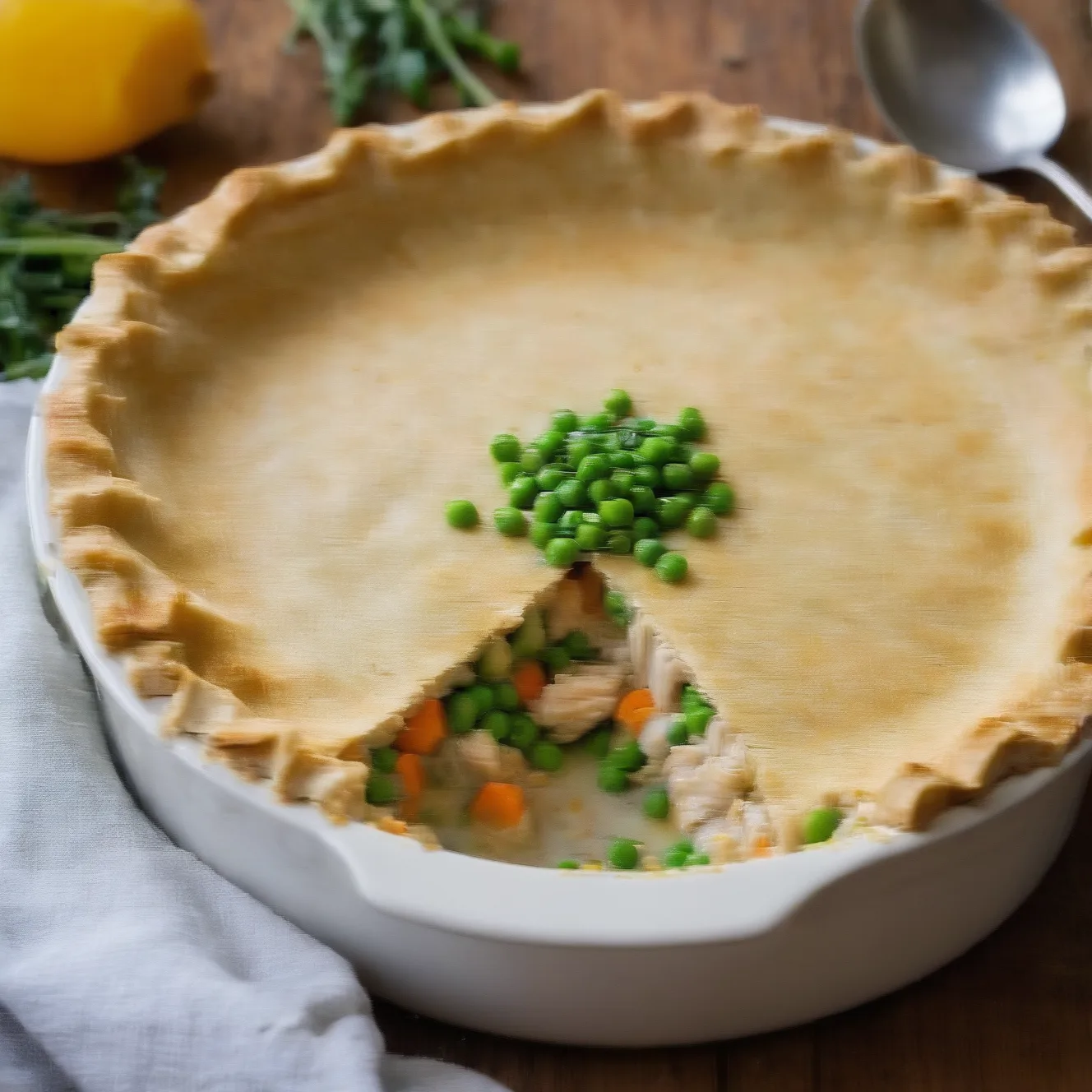
Love Marie Callender's Chicken Pot Pie but want a lighter version? Try these simple swaps:

  • ✓Skip the top crust and bake the filling in a 9-inch dish topped with 6 refrigerated biscuits instead — the biscuits bake in the same 425°F oven in about 12–14 minutes, saving roughly 150 calories and 15g of fat per serving while keeping the comfort-food format intact.
  • ✓Stretch the recipe to 8 servings by adding 1 extra cup of frozen peas and an additional ½ cup of diced potato — the filling stays satisfying and the per-serving calorie count drops to roughly 490.
  • ✓Use 2% milk instead of whole milk in the filling — the sauce will be only slightly less thick (the roux is doing most of the work), and you save about 10 calories and 1g of fat per serving, which adds up across 6 servings.
  • ✓For a lower-sodium version, use homemade unsalted chicken broth or a store-bought no-sodium-added version — the filling gets nearly all of its sodium from the broth, so this change alone can cut the sodium per serving from about 810mg to under 400mg without any flavor loss if the broth is well-made.

Frequently Asked Questions

What makes Marie Callender's chicken pot pie different from other pot pies?

Two things: the crust blend and the simple filling. The Marie Callender's crust uses cold butter and cold shortening together — butter for flavor, shortening for the high-melting-point stability that makes the crust forgiving to roll and produces a flaky rather than mealy texture. The filling is deliberately simple: seasoned only with salt and pepper, thickened with a flour roux, and built with chicken broth and whole milk rather than heavy cream. No herbs. The flavor comes entirely from the broth quality — which is why a good low-sodium chicken broth matters. The chain's frozen grocery pies use the name but not the recipe; the restaurant version has a superior, made-from-scratch crust and a more concentrated filling.

Can I use store-bought pie crusts instead of making homemade?

Yes — refrigerated pie crusts (like Pillsbury) work and save 20 minutes. The texture won't be quite as flaky as an all-butter homemade crust, but the filling is the same. If using store-bought, keep them cold until you're ready to line the pan — a warm, soft crust tears easily. The one adjustment: standard refrigerated pie crusts are sized for a 9-inch pie plate, not a deep-dish plate. If your deep-dish plate is significantly wider, the crust may not cover the sides without some gentle stretching.

What chicken works best — rotisserie, poached, or raw?

Rotisserie chicken is the easiest and best-tasting option: the pre-cooked, slightly roasted flavor adds depth that plain poached chicken doesn't have. Use the breast meat for clean, large chunks; reserve the dark meat for another use or mix it in for richer flavor. If you're poaching chicken yourself, season the water generously (salt, a bay leaf, a few peppercorns) and poach just until cooked through — about 15–18 minutes for breasts at a gentle simmer. Raw chicken should not be added to the filling; it won't cook through inside a 30-minute pot pie bake.

Why does the filling need to be thick before it goes into the crust?

The crust bakes in 30–35 minutes at 425°F. If the filling is brothy going in, that liquid steams the bottom crust from below and produces a soggy, underdone crust floor — the structural failure most pot pie recipes suffer from. A thick filling behaves more like a solid during baking: it holds its shape, steams less aggressively, and the bottom crust has a chance to bake through. Pull the filling off the heat when it coats a spoon heavily — thicker than you think you'll want it, because the bake will loosen it slightly as it heats. A properly thick filling also means a slice that holds together on the plate rather than collapsing into soup.

Why use both butter and shortening in the crust?

Butter contributes flavor and water content — when that water turns to steam in the oven, it creates the visible layers in a flaky crust. But butter has a low melting point, which means a warm kitchen or warm hands will start melting it into the flour before it ever sees the oven, turning a potentially flaky crust into a greasy, dense one. Shortening has a higher melting point and stays solid longer during mixing and rolling, which gives you more working time without the fat smearing into the flour. Combining both gets you flavor from the butter and structural resilience from the shortening — which is why the butter+shortening blend is what professional pie bakers (and Marie Callender's) have relied on for decades. The key regardless of fat type: keep everything very cold, work quickly, and stop mixing while the dough still looks rough and uneven.

Can I make the pot pie ahead of time?

Yes — several ways. You can make the filling up to 2 days ahead and store it refrigerated; it thickens further overnight, which is actually a benefit. You can assemble the full, unbaked pie and refrigerate it for up to 24 hours; add 5–10 minutes to the bake time since it goes in cold. You can also freeze the unbaked assembled pie for up to 3 months — bake from frozen at 400°F for 60–70 minutes, covering the crust edges with foil for the first 30 minutes to prevent burning. The baked pie reheats well: cover with foil and warm at 350°F for 20–25 minutes, or slice individual portions and microwave on 50% power for 2–3 minutes.

Are Marie Callender's restaurants still open?

Yes — as of 2026, 23 Marie Callender's restaurants remain open: 19 in California, plus locations in Nevada, Utah, and Idaho. The chain went through a 2019 Chapter 11 bankruptcy restructuring under the Perkins & Marie Callender's corporate parent and is now operated by Elite Restaurant Group based in Mission Viejo, California. The restaurant chain and the frozen grocery brand (sold nationwide by ConAgra under the Marie Callender's name) have been separately owned for decades. The restaurants are best known for their pies and comfort-food mains — chicken pot pie, turkey dinner, and the seasonal rotating fruit and cream pies are the signature items. At its peak in the 1980s and early 1990s, the chain had hundreds of locations.

Love this recipe? Share it!

Free PDF: our 12 most-wanted copycat recipes — instant download.

Made it? Buy us a coffee

Every recipe here is free, with no paywalls. If this one was a hit at your table, a small tip keeps new copycats coming.

$

Marie Callender's is a trademark of its owner, used here only to describe the dish this recipe recreates. This is an independent copycat written in our own words — Copycat Spices is not affiliated with, endorsed by or sponsored by Marie Callender's.

Ratings & Reviews

—
No ratings yet

Rate this recipe

Click a star to rate

Leave a Review

0/500

CS

Copycat Spices Editorial

Researched + fact-checked. Every recipe on Copycat Spices is built from published sources — official ingredient lists, brand-published recipes, interviews and food-science references — and fact-checked before it goes live, then written as clear, step-by-step instructions for home cooks of all skill levels.

Learn more about our mission →