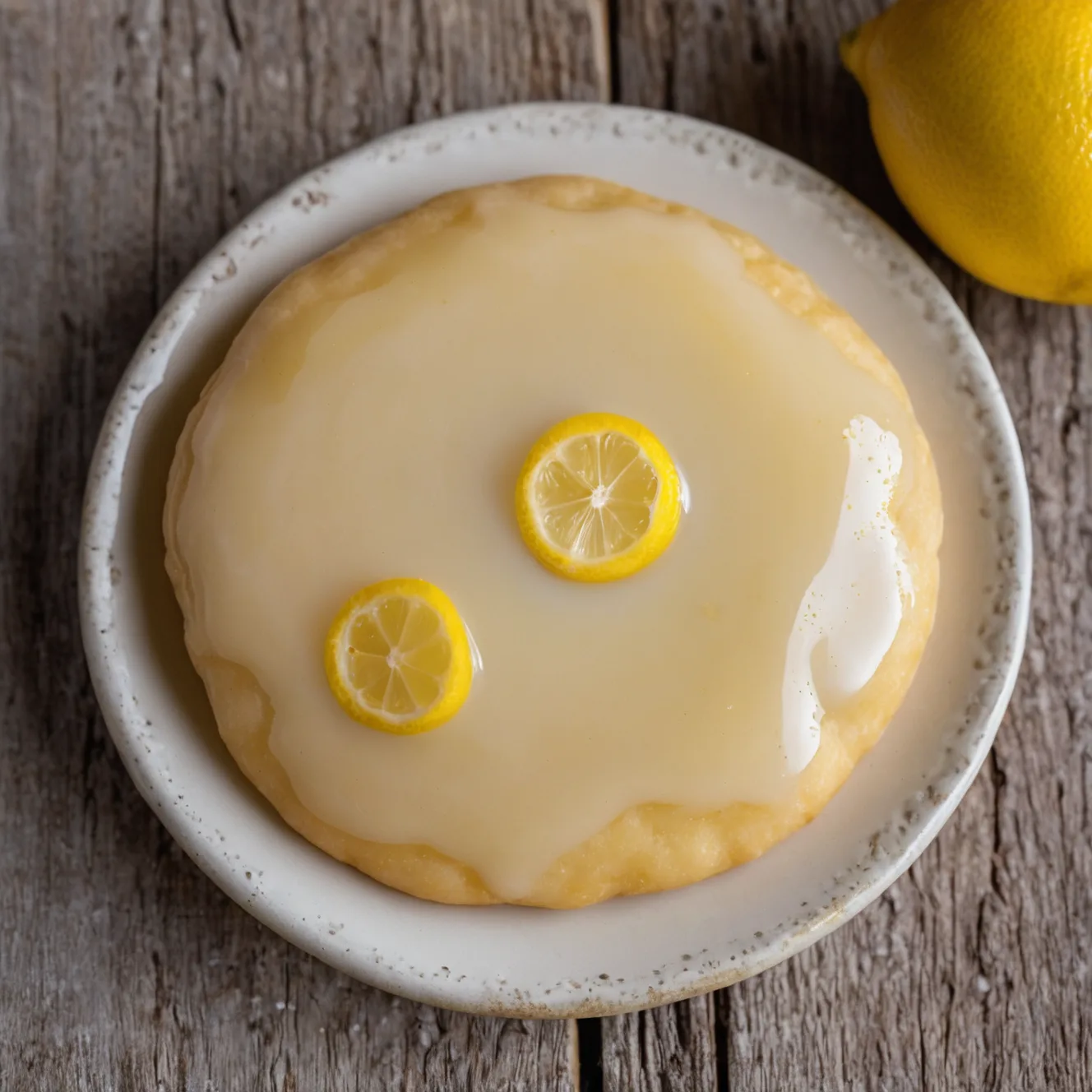
Crumbl Lemon Glaze Cookie
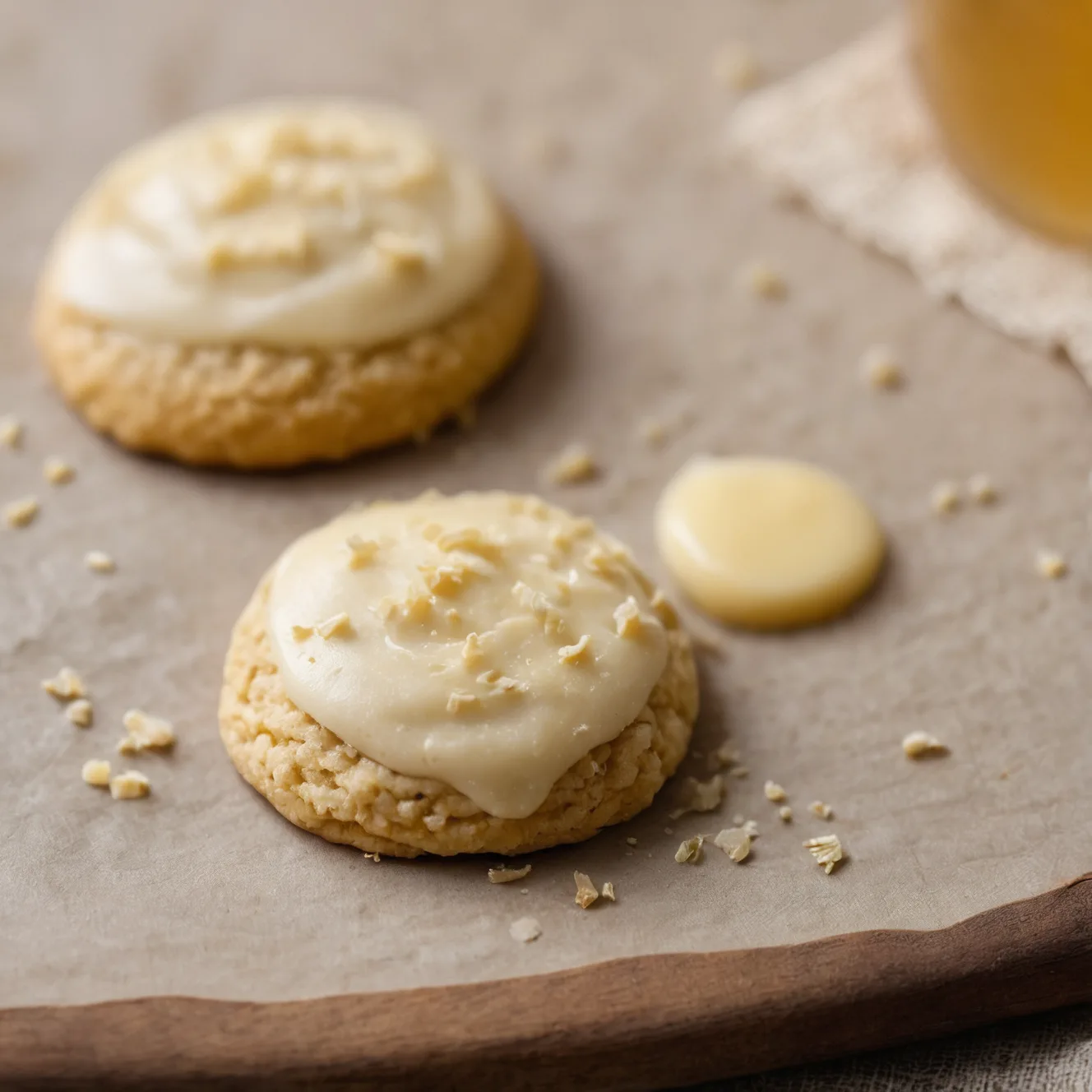
TL;DR: Crumbl’s lemon glaze cookie is a thick, oversized lemon sugar cookie under a soft poured glaze — chewy from bread flour, bright from double lemon (juice + zest + extract), with the glaze applied warm to hot cookies for a bakery finish. The one technique that makes or breaks it: rub the lemon zest into the granulated sugar before creaming with butter. This takes 2 minutes and produces lemon flavor in every bite rather than occasional bursts near a chunk of zest. Apply the glaze immediately when the cookies come out of the oven. They set in 30 minutes.
Crumbl launched in Logan, Utah in 2017 and built its brand on a rotating weekly menu that turned choosing cookies into a weekly ritual. Today the format is six permanent classics plus four flavors that rotate in every week, drawn from a library of 250-plus recipes. Every Sunday evening Crumbl reveals the coming week’s lineup on Instagram — and when a fan favorite returns to the rotation, the posts fill with comments from people who’ve been waiting for it.
The lemon glaze cookie is one of those returning favorites. It appears several times a year, most often in spring and summer, and generates consistent demand both for Crumbl sales and for search traffic on copycat recipe sites. It’s not one of the six permanent classics (those are the Milk Chocolate Chip, Pink Sugar, Snickerdoodle, Chocolate Crumb with Oreo, Brownie Batter, and Celebration Cake), which means the only reliable way to have it whenever you want it is to make it yourself.
At its core, it’s a thick lemon sugar cookie — not a chocolate chip cookie with lemon flavoring, not a shortbread, but a dedicated lemon-forward sugar cookie with a distinct chew from bread flour and a glaze that provides the visual appeal and a second hit of lemon on top.
The Technique That Changes Everything: Sugar Blooming
Most lemon cookie recipes add zest as part of the wet ingredients — tossed in with the eggs and juice. Sugar blooming is different: the zest goes into the granulated sugar first, before any butter or liquid touches it.
The reason this matters is chemistry. Lemon zest’s flavor comes almost entirely from volatile aromatic compounds stored in small oil glands in the outer colored layer of the peel (the flavedo). The two primary flavor compounds are limonene (fresh, bright citrus) and citral (intensely lemon, slightly floral). When you rub zest into sugar crystals, the sharp edges of the sugar physically break open those oil glands and the released oils bind to the sugar crystals — a process of physical entrapment rather than chemical bonding.
The result is that the flavor becomes distributed through the sugar itself rather than existing in discrete pieces of zest. When you cream that lemon sugar with butter, the flavor distributes evenly through every gram of dough. Add the zest with the wet ingredients instead, and you get bright lemon in bites near a piece of zest and muted lemon elsewhere.
Two minutes of finger-rubbing. The technique is common in professional pastry; it’s one of those things that looks simple on paper and makes an obvious difference in the finished product.
Creamed Butter vs. Brown Butter: Why This Recipe Uses Creamed
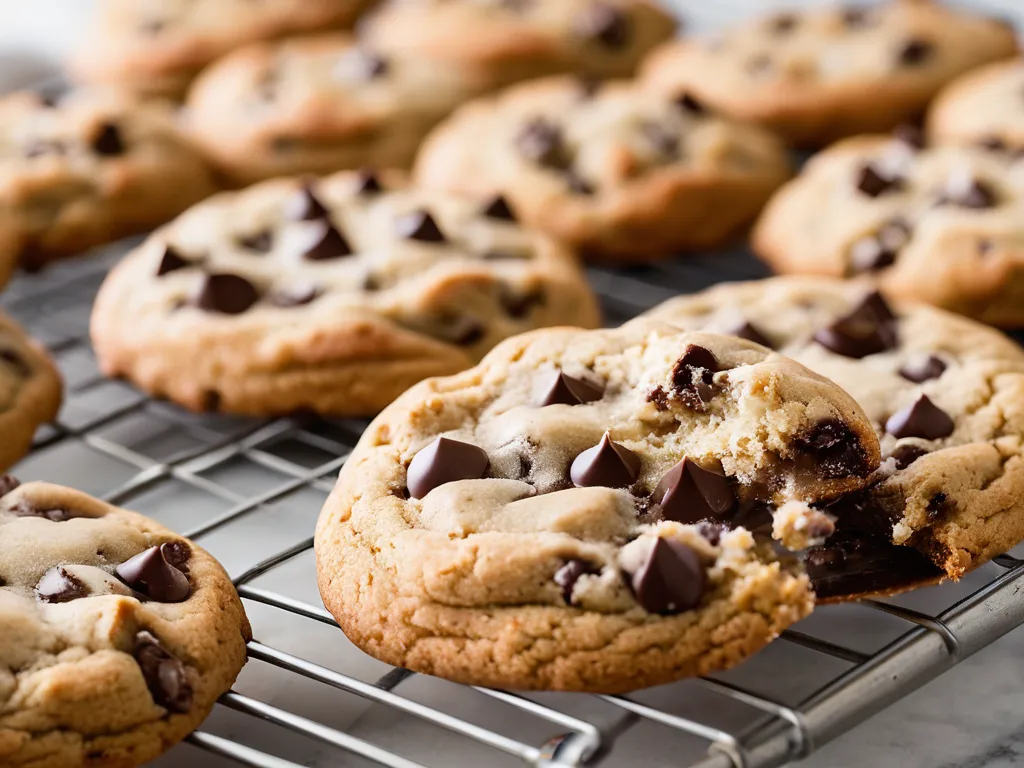
The Crumbl chocolate chip cookie recipe on this site uses browned butter as an upgrade over Crumbl’s production recipe. The lemon glaze cookie is different — this recipe uses creamed butter, not browned butter, and it’s the right call here.
Browning butter adds nutty, toffee aromatic compounds (diacetyl, pyrazines) that pair beautifully with chocolate and caramel-forward cookies. With lemon, those same compounds compete with rather than complement the citrus notes — the nuttiness muddles the clean brightness that makes a lemon cookie what it is.
Creamed butter, by contrast, is flavor-neutral. Its job is structural: when you beat softened butter with sugar at high speed for 3–4 minutes, the sugar crystals cut through the fat and create millions of tiny air pockets. Those air pockets are why the cookie has lift and a slightly open crumb rather than being a dense, flat disc. Creaming time matters — less than 3 minutes means fewer air pockets, a denser cookie, and less rise. More than 5 minutes starts to over-aerate and can produce a cookie that collapses in the oven.
The butter must be genuinely softened — not melted, not cold from the fridge. Properly softened butter (65–68°F) indents when pressed but doesn’t squish or feel greasy. Cold butter doesn’t cream; melted butter doesn’t hold the air pockets created by creaming.
Bread Flour: What It Does and Whether You Need It
Bread flour (protein content 12–14%) produces more gluten during mixing than all-purpose flour (10–12%). Those extra gluten strands create a chewier, more elastic crumb that holds together when you bite through the thick cookie. The texture Crumbl is known for — cookies that have an interior you can feel resistance in, not just a soft collapse — comes from both the oversized format and higher-protein flour.
Bread flour result: Chewier, denser, more bakery-style. The closest match to Crumbl’s texture.
All-purpose flour result: Slightly more tender and cake-like, still very good. If you regularly bake cookies with all-purpose and prefer the texture you’re familiar with, stay with it.
The cornstarch in this recipe works with either flour: it coats flour protein strands and inhibits gluten development at the margins, keeping the cookie tender despite the chew from the bread flour. The combination of bread flour (for chew) and cornstarch (to prevent toughness) is what produces the specific bakery texture — chewy but not hard, soft but not cakey.
Building the Lemon Flavor: Three Sources
This recipe uses lemon flavor from three separate sources, which is the only way to get the depth Crumbl’s cookie has:
Lemon zest (sugar bloomed): Provides the volatile aromatic compounds — the bright top-note freshness. The flavedo contains the aromatic oils; the pith (white layer) is bitter and should never go into the dough. Zest only the colored outer layer.
Fresh lemon juice: Provides acidity and a secondary flavor character. The acid in lemon juice slightly reacts with the baking soda (an alkaline leavener), producing CO₂ bubbles and a small amount of lift. It also contributes a faint tang that balances the sweetness of the sugar cookie base.
Lemon extract: Provides intensity. Lemon extract is typically made by extracting lemon oil into alcohol, producing a concentrated flavor source that doesn’t add moisture to the dough. It’s the “volume knob” for lemon intensity — a small amount amplifies the zest and juice character rather than adding a new flavor note. Do not use lemon flavoring (imitation) instead of lemon extract — the synthetic compound responsible (ethyl methyl phenylglycidate) tastes artificial next to real lemon zest and juice.
The glaze adds a fourth round of lemon: fresh juice and zest in the butter-sugar glaze, applied on top. This is the lemon forward flavor at first bite — you taste the glaze before the cookie.
The Glaze: Timing and Consistency
The glaze is the most time-sensitive step in the recipe: it must go on hot cookies, and it must be the right consistency to flow without running off the edge.
Consistency: The goal is pourable but not watery — thicker than water, thinner than frosting, roughly the texture of warm fudge sauce or a light caramel sauce. Start at the powdered sugar and lemon juice amounts in this recipe; they produce the right consistency. If the glaze thickens as it sits off the heat (powdered sugar absorbs moisture over time), whisk in milk or cream one teaspoon at a time to loosen it. If it’s too thin, sift in additional powdered sugar a tablespoon at a time.
Temperature timing: The cookies need to be glazed within 2–3 minutes of coming out of the oven while the surface is still hot. Hot surface + warm glaze = the glaze settles evenly, adheres, and flows to the edges without pooling in the center. Room-temperature surface + warm glaze = the glaze runs too thin at the edges and can drip off the sides. Once the glaze sets (30–45 minutes), it goes from liquid to a soft-firm coating with a slight sheen — matte rather than wet-looking.
Glaze coverage: 2 tablespoons per cookie covers the top surface with a layer that’s visible and adds meaningful flavor. 1 tablespoon per cookie is a thin coat — visible but lighter. The lemon slice is placed on the wet glaze immediately, where it sinks slightly and adheres as the glaze sets around it.
Crumbl Lemon Cookie vs. Other Lemon Cookie Styles
| Crumbl Lemon Glaze | Italian Lemon Ricotta | Classic Lemon Icebox | |
|---|---|---|---|
| Base | Thick sugar cookie | Soft, pillowy | Thin, crispy shortbread |
| Flour | Bread flour | All-purpose | All-purpose |
| Lemon source | Zest + juice + extract | Zest + juice | Zest |
| Topping | Poured warm glaze | Powdered sugar or thin icing | None |
| Texture | Chewy-firm | Cakey, very soft | Crispy, crumbly |
| Size | 4–5 oz | 1–1.5 oz | 0.5–1 oz |
| Serve temp | Room temp | Room temp | Room temp |
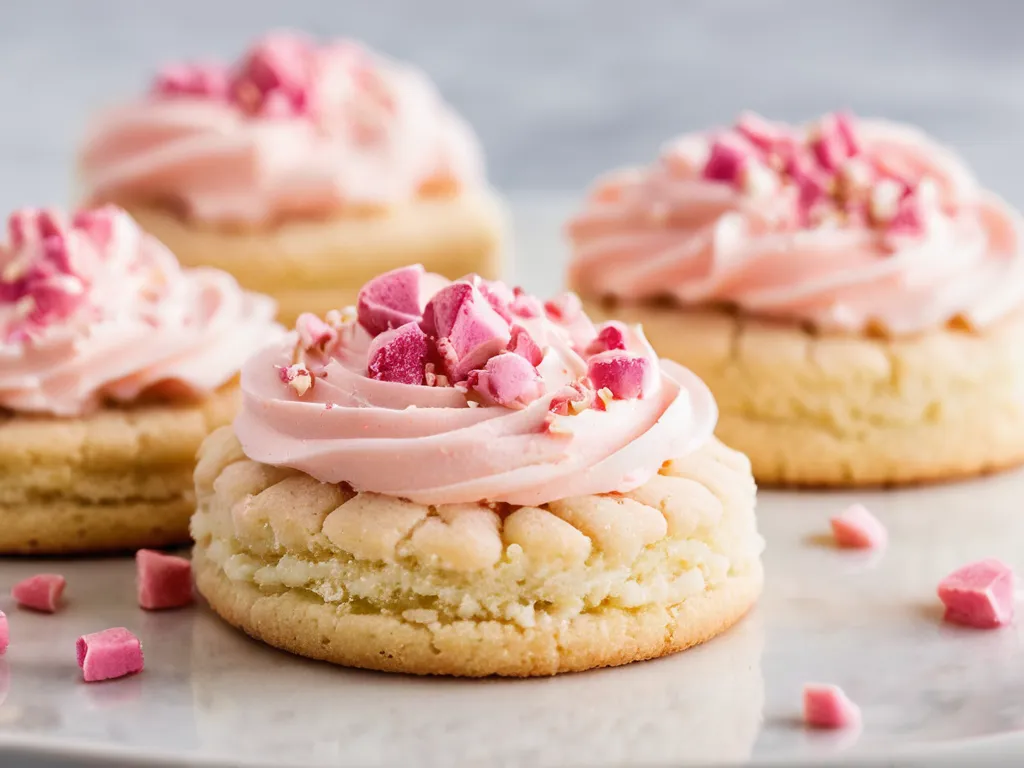
The Crumbl pink sugar cookie is the closest structural relative — both are large sugar cookies from Crumbl’s framework — but the pink sugar uses almond extract (not lemon) and is served cold with a chilled almond frosting rather than a warm poured glaze. The technique and dough base are different enough that they’re distinct recipes rather than variations.
What Can Go Wrong (and How to Fix It)
Cookies spread too thin: Butter was too warm (above 70°F) when you creamed it. Next batch: use butter at 65°F. You can also refrigerate the shaped cookie discs for 20–30 minutes before baking.
Cookies are cakey and don’t have chew: Creamed too long (over 5 minutes), or used too much baking soda. Stay at the recipe amounts and 3–4 minutes of creaming.
Lemon flavor is faint: Skipped the sugar blooming step, or the lemons were old (older citrus has less aromatic oil in the zest). Use lemons that feel heavy for their size — that indicates more juice and more volatile compounds in the zest.
Glaze is grainy: Powdered sugar wasn’t sifted. Clumped powdered sugar doesn’t dissolve evenly in the butter-lemon mixture. Always sift first.
Glaze ran off the sides: Applied to a cooled cookie. The glaze must go on hot — see timing section above.
Glaze too thick to spread: Made too far ahead and cooled. Rewarm gently over low heat and whisk in a teaspoon of lemon juice or milk to loosen.
Make-Ahead Options
Dough: The dough can be made up to 48 hours ahead and refrigerated, covered tightly. Let it sit at room temperature for 15 minutes before portioning if it’s very stiff. Alternatively, portion into balls, freeze on a parchment-lined sheet until solid (1 hour), then transfer to a freezer bag — they keep up to 2 months. Bake from frozen at 325°F for 14–15 minutes.
Glaze: Make fresh — the glaze is best made and applied on the same day. It can be made up to 2 hours ahead and kept warm (or rewarmed) over very low heat, stirring before use.
Baked cookies (unglazed): Freeze well for up to 2 months in airtight containers. Thaw at room temperature 30 minutes, then glaze. The glaze on a thawed cookie behaves the same as on a freshly baked one as long as you apply it at room temperature (not straight from the freezer).
More Crumbl and Lemon Recipes
For Crumbl’s other permanent classics at home, the Crumbl chocolate chip cookie covers the thick bakery format with a brown butter upgrade, and the Crumbl pink sugar cookie recreates the cold-served almond-frosted version. For lemon desserts beyond Crumbl, the Cheesecake Factory lemon raspberry cheesecake covers a restaurant-style citrus dessert, and whipped lemonade is a simple lemon-forward summer drink from the same flavor family.