
Hellmann’s Real Mayonnaise
Prep time: 5 min Cook time: 0 min Makes: 1 cup (16 tablespoons)
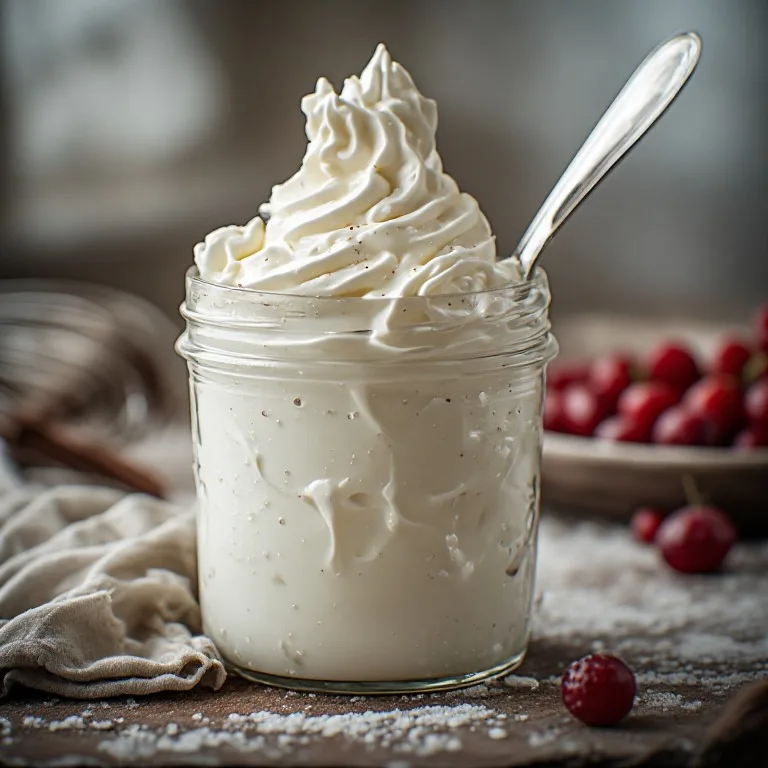
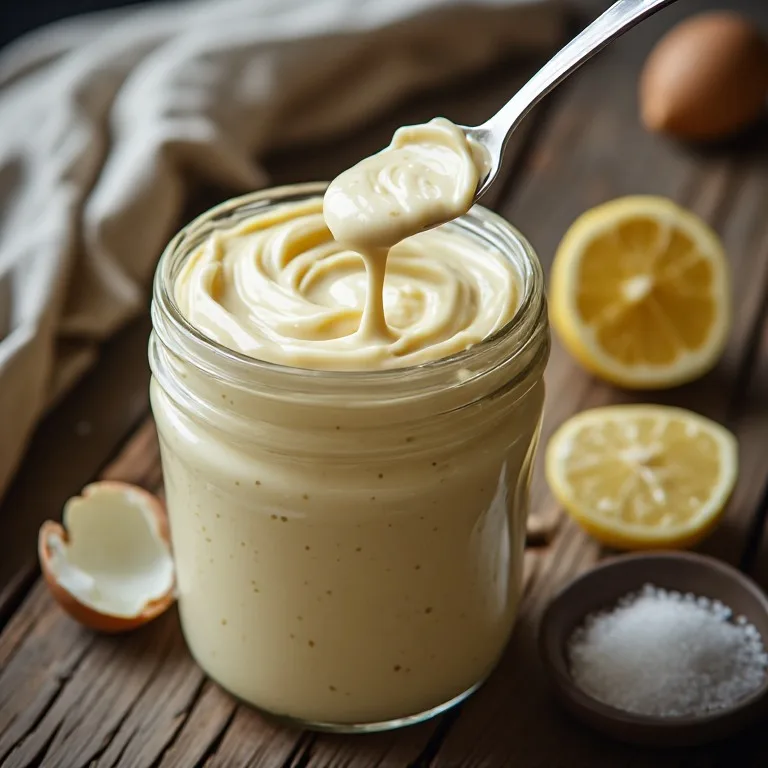
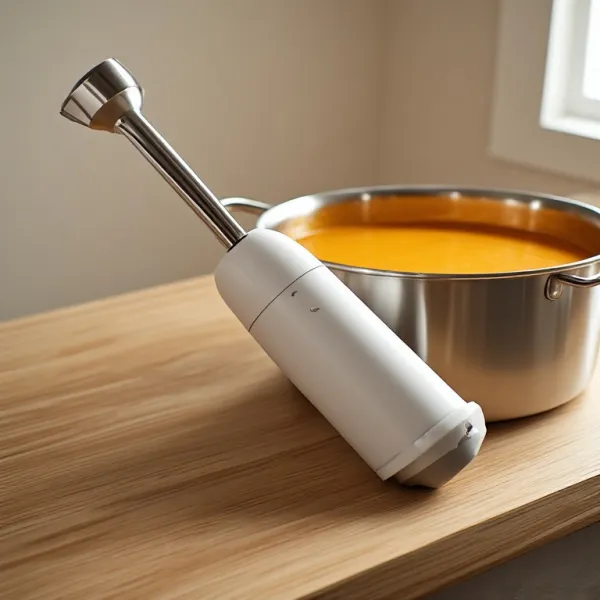
Hellmann’s Real Mayonnaise is the benchmark American condiment — mild, creamy, slightly tangy, and versatile enough to go on anything from a club sandwich to a potato salad. The good news: homemade mayo that tastes like the jar is genuinely simple. One whole egg plus a yolk, neutral oil, distilled white vinegar, and a little lemon juice, emulsified in 20 seconds with an immersion blender. No EDTA, no water filler, and noticeably more flavor than the jar.
The one thing that makes this work every time: hold the immersion blender still at the bottom for the first 10 seconds. Move it too soon and the oil overwhelms the egg before the emulsion has formed.
What’s Actually in Hellmann’s Real
The jar’s ingredient list is: soybean oil, water, whole eggs, distilled vinegar, egg yolks, salt, sugar, lemon juice concentrate, calcium disodium EDTA (to protect quality), natural flavors. Noteworthy details:
Both whole eggs and separate yolks — most homemade mayo recipes use only yolks, but Hellmann’s uses both. The white adds structure and a cleaner, less eggy flavor. This recipe uses 1 whole egg + 1 yolk to match.
Water is ingredient #2 — commercial mayo is diluted with water to reduce cost and lower the per-tablespoon calorie count. Homemade mayo skips the water, producing a richer product at about 120 calories per tablespoon (vs. Hellmann’s 90). This isn’t a flaw — it’s just more concentrated. If you want to match the calorie count exactly, see the note in Healthier Tips.
Soybean oil, not olive — neutral oil is what gives Hellmann’s its mild flavor. Extra-virgin olive oil produces a distinctly bitter, olivey mayo that tastes nothing like the jar. Use soybean oil, vegetable oil, or light canola for the closest result.
The “Real” designation has legal weight — the FDA’s standard of identity for mayonnaise requires at least 65% vegetable oil by weight, plus egg yolk and an acidifying ingredient. Hellmann’s “Light” and their “with Olive Oil” varieties don’t meet this standard; they’re technically “mayo dressings.”
The Immersion Blender Method (Foolproof)
The jar method works because of physics: the blender head sitting flat on the bottom creates a high-shear zone directly around the eggs, which are enclosed by oil above. When you run the blender without moving it, it builds a stable emulsion at the bottom before any oil above can intrude. Once that emulsion is established, lifting the blender slowly pulls the remaining oil through and incorporates it.
The most common mistake is lifting the blender immediately after turning it on — this allows unincorporated oil to rush down from above before the emulsion has formed a base strong enough to absorb it.
A second common mistake is using a container that’s too wide. The jar should be just wide enough for the blender head. A wide mixing bowl spreads the oil in a thin layer; the blender won’t be able to create enough shear to form the emulsion from the bottom up. A wide-mouth pint mason jar is the gold standard.
Traditional Drizzle Method (For Whisk, Food Processor, or Stand Mixer)
If you don’t have an immersion blender, the drizzle method works — it just requires more patience:
- Combine egg, yolk, vinegar, lemon juice, salt, sugar, and dry mustard in a bowl. Whisk to combine.
- Start adding oil drop by drop — literally one drop at a time for the first 2–3 tablespoons. This is the step most people rush, and rushing it causes the batch to break.
- Once the mixture looks thick and opaque (after ~3 tablespoons of oil), switch to a thin, steady stream while continuing to whisk.
- Whisk until all the oil is incorporated.
A food processor with the motor running does the same thing: drizzle through the feed tube, starting with drops.
Safety: The Raw Egg Question
Raw eggs carry a small Salmonella risk — estimated at roughly 1 in 20,000 eggs in the US. For most healthy adults, this is very low. For immunocompromised individuals, pregnant people, young children, and the elderly, the recommendation is to use pasteurized-in-shell eggs. Davidson’s Safest Choice is the main US retail brand, available at Walmart, Whole Foods, Kroger, and many major chains. They look identical to regular eggs, taste the same, and work identically in this recipe. The FDA’s advice: when in doubt, use pasteurized.
How to Fix Broken Mayo
Broken mayo — oil and watery liquid separated, looking curdled — is salvageable. Crack a fresh egg yolk into a clean bowl and whisk for 30 seconds. Then, whisking constantly, add the broken mayo drop by drop at first, then in a thin stream — exactly like starting a new batch. The fresh yolk absorbs the broken emulsion and re-emulsifies it. This works because you’re giving the oil a fresh, intact emulsifier to bind to.
Alternatively, if you used the immersion blender method and the batch broke: add 1 teaspoon of ice water and run the blender again from the bottom — cold water sometimes rescues a slightly broken emulsion by increasing viscosity around the egg proteins.
Storage and Shelf Life
Refrigerate immediately after making, in a clean sealed jar. Use within 1 week. The vinegar lowers the pH enough to inhibit most bacteria, but egg quality degrades over time — after 5–7 days, the flavor can become slightly sulfurous or off. Commercial Hellmann’s lasts months because it contains EDTA and is made under tightly controlled conditions. Mark the date on your jar.
What to Use It On
The most satisfying use of fresh homemade mayo is exactly where Hellmann’s goes: on a good sandwich (BLT, club, turkey), as the base for KFC coleslaw or chicken salad, in potato salad dressings, and as the base for Hidden Valley Ranch dressing. Homemade mayo mixed with Heinz ketchup — 1:1 ratio, plus a splash of Worcestershire and a pinch of garlic powder — makes a classic burger sauce that surpasses most restaurant versions.