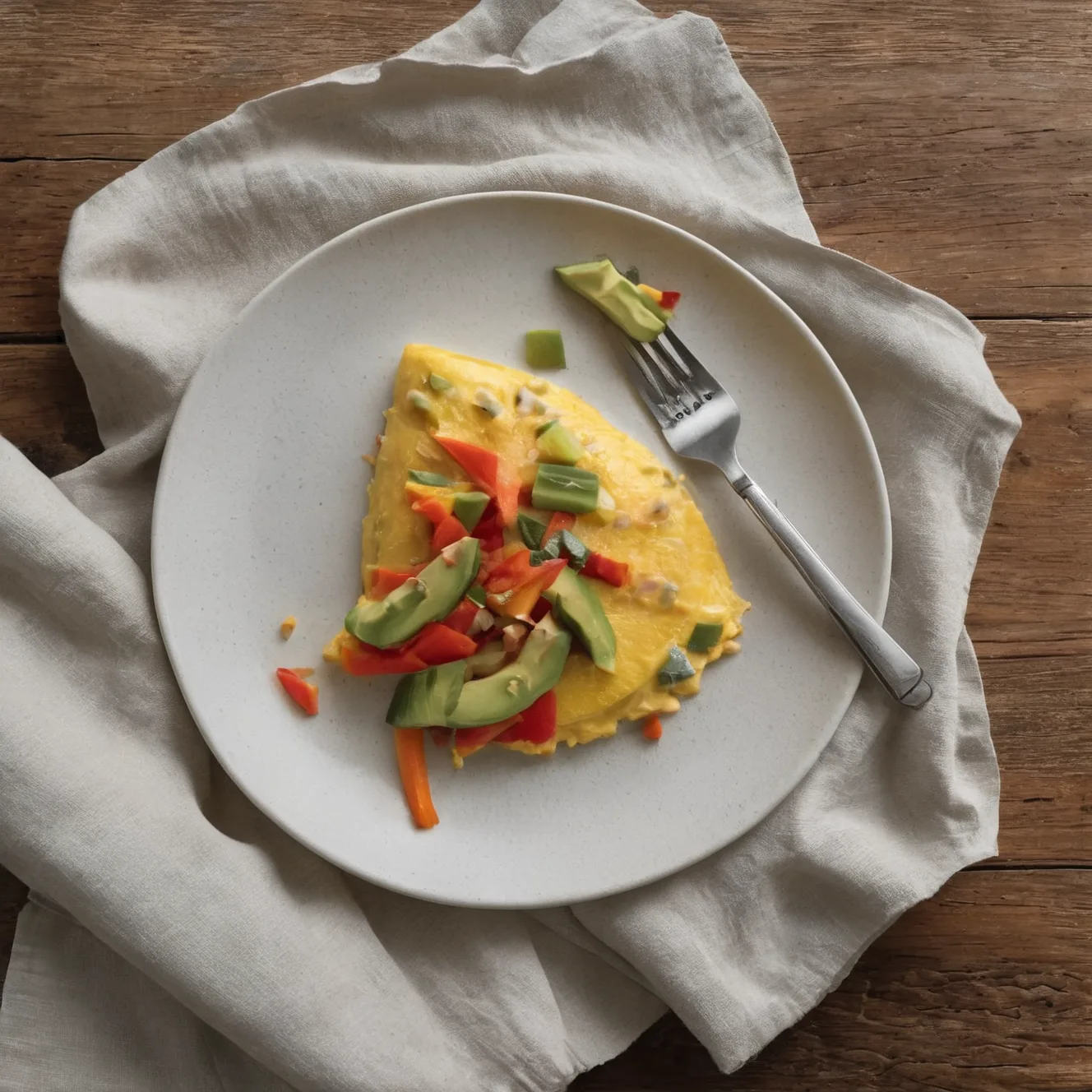
Copycat IHOP Spicy Poblano Omelette (Shredded Beef, Not Chicken)
Prep time: 20 min | Cook time: 30 min | Makes: 2 omelettes | Cost: ~$12.99/omelette at IHOP vs. ~$10 per omelette at home
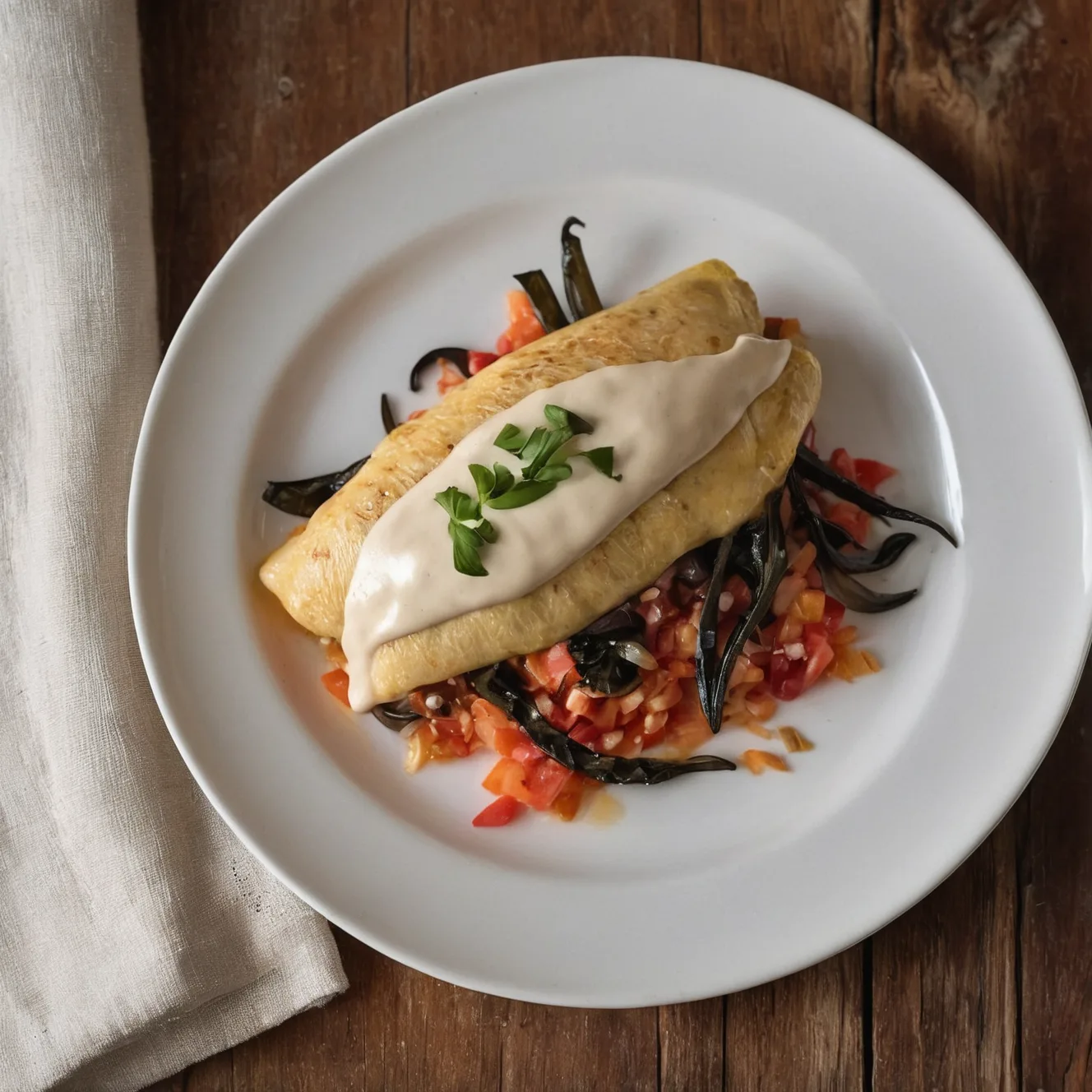
The IHOP Spicy Poblano Omelette is part of the Stuffed ‘N Stacked lineup and is built around four elements that set it apart from every other omelette on the menu: shredded beef (not chicken), fire-roasted Poblanos (plural, not just a strip of bell pepper), Serrano peppers diced into the filling rather than served on the side, and a Poblano cream sauce in place of plain sour cream.
Restaurant price is approximately $12.99, with roughly 990–1,020 calories and 2,270mg sodium — nearly a full day’s sodium in a single plate, which is the health stat worth knowing before ordering. Home cost for two is about $20 total, or roughly $10 per omelette.
TL;DR:
- Shredded beef, not chicken — sear + quick braise, or use leftover pot roast
- Fire-roast both Poblanos until blistered; skip this and the omelette tastes like a regular pepper scramble
- Make the Poblano cream ahead (charred Poblano + sour cream + lime + garlic, blended smooth)
- Serranos are INSIDE the filling, not served whole on the side — the heat is non-optional
- Add avocado slices just before folding, not during the steam step
- Steam-set the top with a lid on low for 90 seconds; fold when the surface goes matte
- 2 tablespoons of dry pancake mix per 3-egg omelette gives the IHOP-style sturdier shell
What Makes This Different From the Chicken Fajita Omelette
The Chicken Fajita Omelette and the Spicy Poblano are the two Poblano-based omelettes in IHOP’s Stuffed ‘N Stacked lineup, and they share a structure — Poblano peppers, red bell, onion, Jack & Cheddar, Serrano, sour cream product — but they are genuinely different dishes.
Protein: The Chicken Fajita uses grilled, fajita-seasoned chicken breast cut into strips — a quick-cooking protein with a lean, savory character. The Spicy Poblano uses shredded beef — braised, tender, fatty, with a richer base flavor. The beef is the dominant flavor in this omelette in a way that chicken breast isn’t in the other; it shifts the overall profile from “bright and fajita-forward” to “rich and earthy.”
Serrano placement: In the Chicken Fajita, one whole Serrano is grilled and served on the plate as an optional heat garnish. In the Spicy Poblano, the Serranos are chopped and cooked into the vegetable filling — the heat is distributed throughout, not optional. This changes the experience significantly: you can avoid the Serrano in the Chicken Fajita; you cannot in this one.
The cream element: The Chicken Fajita finishes with plain sour cream and salsa. The Spicy Poblano finishes with Poblano cream — a smoothly blended sauce made from a charred Poblano and sour cream. The difference is visible (green rather than white) and substantial in flavor.
Avocado: The Spicy Poblano includes fresh avocado in the filling. The Chicken Fajita doesn’t.
The Shredded Beef: What It Is and the Fast Way to Make It
IHOP lists this simply as “shredded beef.” The texture and context indicate braised, pulled beef — not diced roast beef slices, not seasoned ground beef, not a steak strip. Ground beef in an omelette is a common copycat shortcut and it produces a completely different result: crumbly, dense, and without the long-strand pull that makes the filling substantial.
The 20-minute stovetop braise: Thin flank steak (or thinly sliced chuck) can be seasoned with cumin, chili powder, garlic, and oregano, seared over high heat for 2–3 minutes per side, then covered with a splash of beef broth and braised on medium-low for 10–12 minutes until fork-tender enough to shred. The result shreds into loose, juicy strands that work exactly right inside the omelette.
Shortcuts that work: If you have leftover pot roast, brisket, or braised short rib in the refrigerator, use it. Warm the beef with a tablespoon or two of broth to keep the strands moist; season it with cumin and garlic if the original seasoning was neutral. Some grocery stores sell pre-seasoned braised beef in the refrigerated meat section — these are useful time-savers if the seasoning leans Mexican (cumin, chili).
What doesn’t work: Pre-sliced deli roast beef, canned beef, or taco-spiced ground beef. None of these has the right texture or fat distribution.
The Poblano Cream: IHOP’s Signature Element
The Poblano cream is the element most home versions skip entirely — most copycat recipes either omit it or substitute plain sour cream, which produces a visually and flavor-different result.
The home version is straightforward: char one small Poblano pepper (separate from the peppers you’ll use in the filling) until the skin is completely blistered and blackened, let it steam for 5 minutes to loosen the skin, then peel and blend it smooth with sour cream, a garlic clove, lime juice, and a pinch of salt. The result is a pale green, pourable cream with an earthy-smoky undertone.
Make it first — it takes 15 minutes and can be refrigerated for up to 3 days. The flavor deepens overnight as the charred pepper compounds infuse the cream fully. A batch made 24 hours ahead tastes noticeably more complex than one made the same day.
The practical substitution if you can’t make the cream: stir a teaspoon of canned chipotle pepper in adobo sauce into regular sour cream, then blend smooth. It’s smokier and spicier than the Poblano version but closer in character than plain sour cream.
Fire-Roasting Poblanos at Home
Both filling Poblanos need to be fire-roasted before going into the omelette. The step takes 4–5 minutes and produces the earthy, slightly smoky flavor that defines the dish. Without it, sautéed Poblano strips taste grassy and slightly bitter — you can tell immediately.
Gas burner method: Hold the pepper or the strips over the flame with tongs and rotate every 30–45 seconds until blistered on all sides. For whole peppers (used for the cream), this produces full char coverage. For strips going into the filling, you can char the whole peppers first, then cut them — or char the strips directly in a dry hot skillet, which is faster.
Broiler method: Lay whole peppers or strips on a sheet pan, position 4 inches under the broiler element, and broil for 8–10 minutes, turning once at the halfway point. Less dramatic char but sufficient for the flavor compounds you need.
Electric/induction method: A dry cast-iron skillet over maximum heat works well for strips. Press the strips down with a spatula to maximize contact. Don’t move them for 2–3 minutes; flip once for another 2 minutes. The char won’t be as even as direct-flame but the flavor outcome is the same.
Serrano Peppers — Inside the Filling, Not Optional
In this omelette, the Serranos are diced and cooked into the vegetable filling. One or two finely diced Serranos added to the pepper-and-onion sauté creates heat that’s distributed through every bite. At the restaurant’s spice level, two Serranos with seeds removed produces a consistent moderate-high heat. One Serrano with seeds is a moderate heat. Two Serranos with seeds is significantly hot.
Serrano at 10,000–23,000 Scoville units is meaningfully hotter than jalapeño at 2,500–8,000. The “spicy” in the name is not decorative. If you’re heat-sensitive, use one Serrano with seeds removed and skip the substitution with jalapeño (the flavor profile is genuinely different — Serrano has a brighter, crisper heat than jalapeño’s broader burn).
The seeds are where most of the capsaicin concentrates; removing them gives you Serrano’s distinctive heat character at a reduced intensity rather than eliminating it entirely.
Common Mistakes
Using ground beef. This produces a crumbly, dense filling with none of the long-strand texture that makes shredded beef work in an omelette. Ground beef also releases more fat as it cooks, making the omelette greasy. Use braised and shredded beef.
Skipping the Poblano cream. The Poblano cream is listed separately from the filling for a reason — it’s a distinct element with its own flavor, not a garnish. Using plain sour cream makes a visibly and noticeably different omelette.
Not fire-roasting the Poblanos. Sautéed Poblano strips taste grassy and slightly raw in comparison to fire-roasted ones. The charring step is what gives this omelette its earthy character.
Substituting jalapeños for Serranos. Jalapeños are milder and produce a rounder, broader heat without Serrano’s crisper edge. If jalapeños are all that’s available, use two whole ones with seeds to approximate the heat level.
Adding avocado before the steam step. Avocado slices placed in the filling before the lid goes on will cook to mush in 90 seconds over even low heat. Add them at the very end, on top of the vegetable filling, just before folding.
Rushing the beef braise. Undercooked flank steak won’t shred — it will be chewy and slice rather than pull. Give it the full 10–12 minutes at a covered medium-low simmer until a fork meets almost no resistance.
Make-Ahead Plan
The two most time-intensive components — shredded beef and Poblano cream — both make ahead perfectly. Braise and shred the beef up to 3 days ahead; store with a tablespoon of the braising liquid to keep it moist. Make the Poblano cream up to 3 days ahead; it improves with time.
The morning of: char the filling Poblanos and cook the vegetable filling (10 minutes). Then each omelette takes 5 minutes from egg crack to plate.
Cost Breakdown
| Item | Approx. cost |
|---|---|
| ¾ lb flank steak | $8–9 |
| 3 Poblano peppers | $3 |
| Eggs, butter, onion, bell pepper | ~$3 |
| Avocado | $1.50 |
| Jack & Cheddar cheese | $2 |
| Sour cream, lime, Serranos | ~$2 |
| Total (serves 2) | ~$20–21 |
| Per omelette | ~$10–11 |
IHOP charges approximately $12.99 per Spicy Poblano Omelette, and sides come separately. Home cost per omelette lands around $10–11 — a modest saving on its own, but you also control the sodium (the restaurant’s biggest downside) and can scale the recipe up cheaply, since the seasonings, Poblano cream, and braise method cost almost nothing to double.
More IHOP Omelette Recipes
The Spicy Poblano and Chicken Fajita are the two Stuffed ‘N Stacked Poblano omelettes. If you want to compare notes:
- IHOP Chicken Fajita Omelette — the same Stuffed ‘N Stacked format with grilled chicken instead of beef, and Serrano on the side rather than in the filling. Runs about 911 calories and 1,860mg sodium. Good starting point if this one is too rich.
- IHOP Colorado Omelette — four-pork-protein omelette with green peppers, onions, and tomatoes. Completely different flavor direction from the Poblano cluster.
- IHOP Big Steak Omelette — hash browns stuffed inside with sirloin strips and mushrooms. The heaviest item in the lineup.
- IHOP Bacon Temptation Omelette — bacon-forward with no spice. The mild end of the lineup.
- IHOP Buttermilk Pancakes — the two-leavener technique that makes IHOP pancakes noticeably taller than home versions. Make them alongside to complete the plate.
See all IHOP copycat recipes →