


Copycat IHOP Big Steak Omelette (Hash Browns Go Inside)
Prep time: 20 min Cook time: 25 min Servings: 2
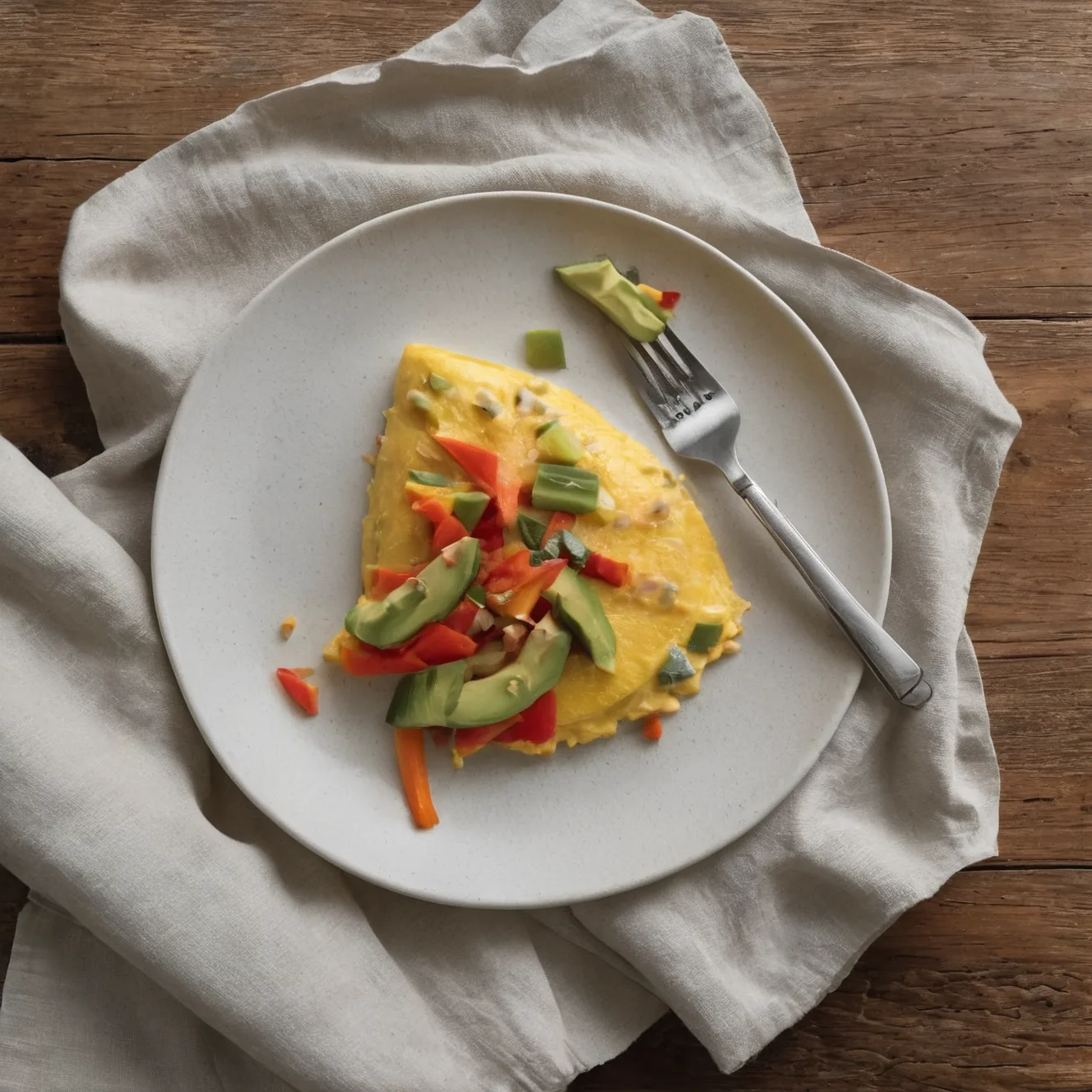
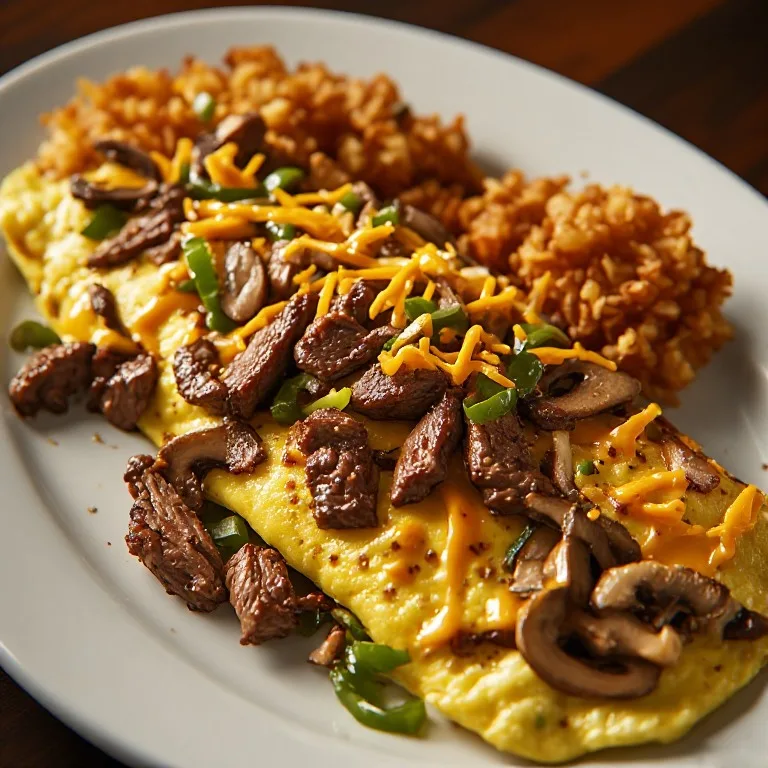
The IHOP Big Steak Omelette is one of the more unusual things on IHOP’s omelette menu, and the reason is structural: the hash browns are stuffed inside the omelette, not served alongside it. Shredded crisped potato goes into the filling along with thin-sliced sirloin steak, sautéed mushrooms, green peppers, onions, and fresh tomatoes — all wrapped in egg with shredded cheddar and salsa on the side.
At approximately $17.49 (prices vary by location), two at home come to under $14 in ingredients. The calorie count is approximately 1,040 per omelette, with the hash browns inside contributing a significant portion.
What Makes This One Different From IHOP’s Other Omelettes
The Big Steak Omelette and the Colorado Omelette share the same shell — the same three-egg base, same cheddar cheese, same green peppers, onions, and fresh tomatoes, same salsa alongside. After that they diverge completely.
The Colorado Omelette is built on four pork proteins: ham, bacon, breakfast sausage, and shredded roast beef. It’s filling-forward, heavily seasoned by the meats themselves, with no hash browns inside and no mushrooms.
The Big Steak Omelette uses a single protein — beef sirloin — plus hash browns and mushrooms. The hash browns provide the starch that usually sits on the plate next to an omelette; the mushrooms add an earthy depth that none of the pork meats in the Colorado provide. The result is closer to a steak-and-vegetable plate wrapped in egg than a traditional diner omelette.
The IHOP Egg Secret: Pancake Batter
This isn’t a rumor — IHOP prints it right on the menu. The disclosure reads: “Omelettes and Breakfast Burritos & Bowls are made with a splash of our famous buttermilk & wheat pancake batter!” (Their scrambled eggs, for the record, are pancake-batter-free — it’s an omelette-specific technique.)
To replicate it at home, use roughly 2 tablespoons of dry buttermilk pancake mix per 3-egg omelette. The baking powder and baking soda in the mix do two things: they create a sturdier egg structure that holds together under a heavy filling, and they produce a slightly fluffier, more substantial exterior than plain beaten egg alone. The egg tastes mildly richer than a standard omelette without reading as “pancake.”
This is the most commonly missed technique in copycat IHOP omelette recipes. Most home versions produce a thinner, more delicate egg shell that tears at the fold when the filling is dense. Adding 2 tablespoons of any dry buttermilk pancake mix — Bisquick, Hungry Jack, store brand — fixes this.
The Hash Brown Problem
Three of the omelette’s filling ingredients release water during cooking: mushrooms (about 92% water by weight), the steak (releases juices while it rests), and the tomatoes if they’re cooked. Inside an omelette, under a steam-trapping lid, any excess moisture turns the interior wet and soft. That’s the central technical problem with this recipe, and it has three specific solutions.
Mushrooms: Cook them in a hot, dry pan — no oil, no butter — until all the liquid they release has fully evaporated. This takes about 4–5 minutes and reduces them to roughly half their raw volume. Skipping this step means the mushrooms dump water into the filling during the 90-second steam step.
Hash browns: Cook them crispier than you would normally serve them. The lid-steam step softens their exterior slightly; starting them fully crispy means they retain structure inside the omelette rather than going limp.
Tomatoes: Don’t cook them at all. Fresh diced tomatoes go in raw at assembly, seeds removed, so they stay firm and don’t release liquid during the steam step. Sautéed tomatoes inside an omelette turn to hot, watery pulp.
The Steak
IHOP’s menu describes the filling simply as “steak” without specifying the cut. Copycat sources most consistently point to flank steak — it has pronounced beef flavor, sears well at high heat, and slices cleanly thin across the grain. Top sirloin is equally workable and slightly more tender. Either choice produces a result that holds its own against sautéed mushrooms, cheddar, and the egg.
The critical factor isn’t the cut; it’s the thickness and the rest. Strips should be no wider than about a quarter inch so they fan across the filling surface rather than creating dense pockets. The steak also needs to rest fully — at least 5 minutes — before slicing. Slicing while still hot transfers surface juices into the filling, which the steam step amplifies into visible liquid inside the omelette.
Ribeye works but brings extra fat that renders into the pan during searing and can feel heavy inside the egg. Avoid pre-cut “stew beef” cubes — the wrong shape and too thick regardless of the cut.
The Lid Method
IHOP cooks omelettes on a commercial flat-top griddle where radiant heat from the surrounding surface helps set the top of the egg without a cover. At home, only the bottom of the pan gets direct heat. The lid solves this: once the filling is in, a lid traps steam and sets the top in about 90 seconds on low heat. No flipping required — and a fully loaded steak-and-hash-brown omelette would break apart attempting a flip anyway.
The lid-done test: lift it and look at the surface. It should be matte — no wet sheen, no visible liquid. Glossy means 30 more seconds. Matte means fold it now.
Tips
-
Cook the hash browns first, keep them warm. They take the longest; starting them first means they’re ready when the steak is resting and the mushrooms are done.
-
Don’t salt the mushrooms until after they’ve dried out. Salt draws out water and slows evaporation. Wait until the pan is dry from the mushroom liquid, then season.
-
One omelette at a time. Two eggs in one larger pan means a thinner egg layer that sets too fast at the edges before the center is ready to fold. A 10-inch pan and three eggs gives the right thickness.
-
Warm plate for serving. A cold plate drops the surface temperature of the omelette almost immediately and makes the cheese stop melting. Run the plate under hot water for 30 seconds and dry it before plating.
What Comes With It at the Restaurant
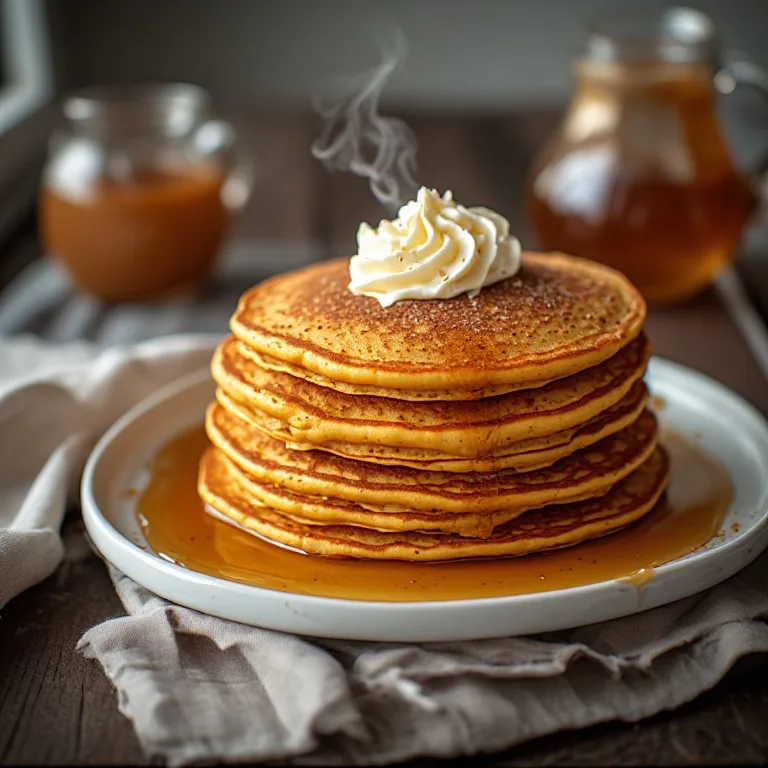
IHOP serves omelettes as a combo with two buttermilk pancakes and a choice of hash browns on the side — in addition to the hash browns already stuffed inside the omelette. The combo full plate runs to roughly 1,400+ calories once pancakes and side hash browns are added. The 1,041-calorie figure is for the omelette itself with the internal hash browns. If you want the pancakes alongside, the IHOP Buttermilk Pancakes recipe covers the two-leavener technique and griddle timing.
Storage
The omelette doesn’t reheat well as a finished dish. The filling stores well: refrigerate the steak strips, mushroom-pepper mixture, and hash browns separately for up to 3 days. Each morning, reheat the filling components and hash browns in a skillet, beat fresh eggs, and assemble. Active time drops to about 8 minutes when the filling is pre-made.
More IHOP copycat recipes: Buttermilk Pancakes · New York Cheesecake Pancakes · Chicken and Waffles · Stuffed French Toast
See all IHOP copycat recipes →