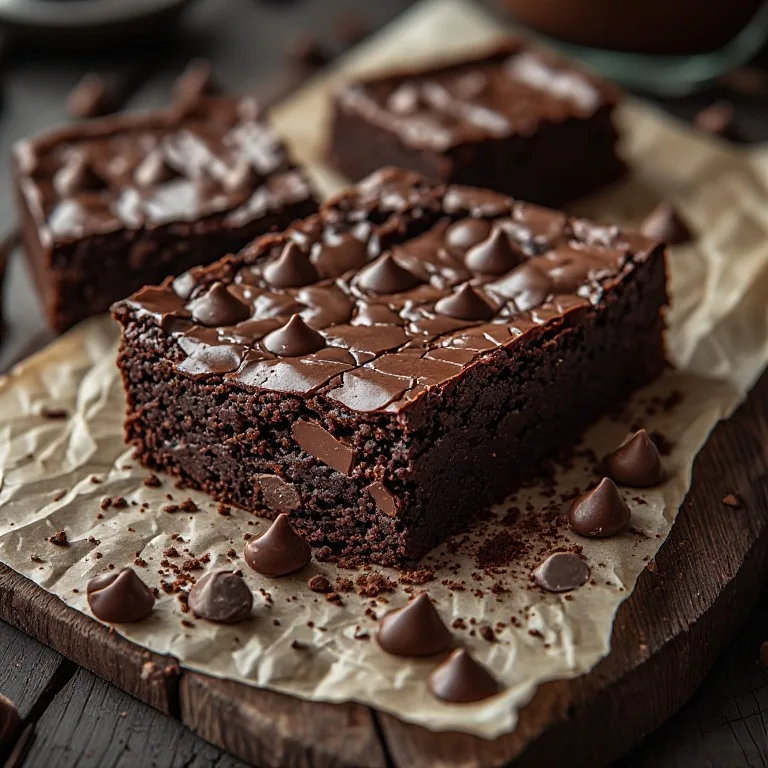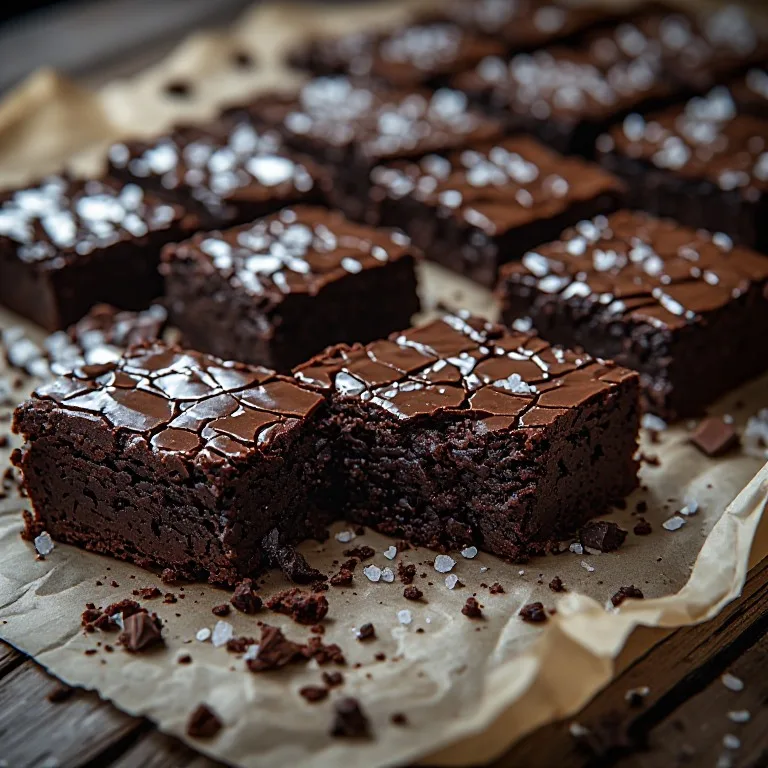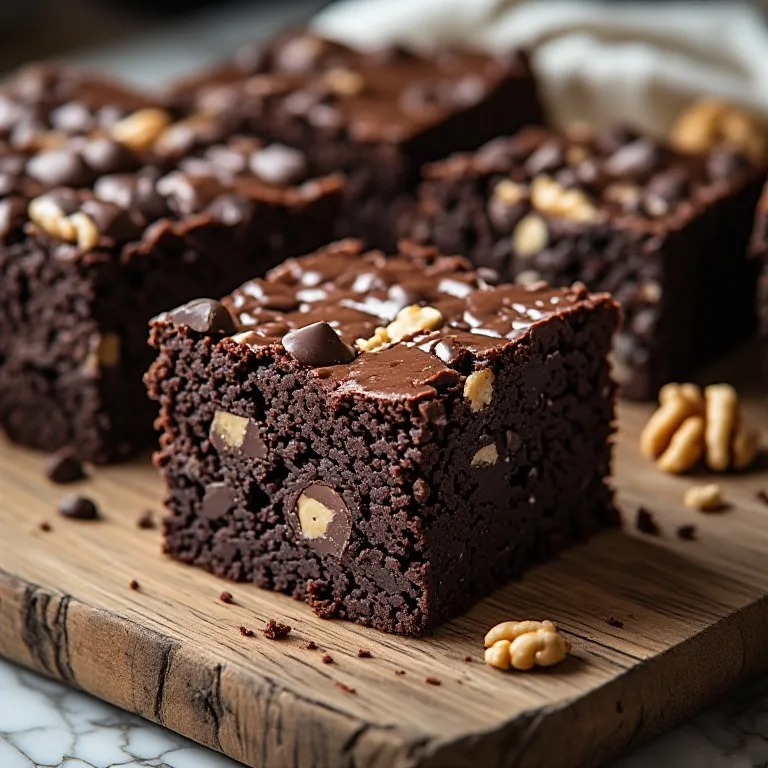



Ina Garten’s Outrageous Brownies are exactly what the name says: a full pound of butter, nearly two pounds of chocolate, and a half-sheet pan’s worth of the densest, fudgiest brownies you can make at home — the recipe that sold 1,000 a week at her Hamptons shop for almost twenty years.
Why a Full Pound of Butter
The recipe feels unreasonable until you understand where it came from. Garten developed it for a specialty food store, where she was making brownies in commercial quantities every day. The ratios weren’t designed for a home kitchen serving eight — they were designed to produce a consistent product at scale, with a shelf life long enough for a retail case. When she adapted the recipe for The Barefoot Contessa Cookbook (1999), she kept the proportions, because it turned out that what made the brownies work commercially was exactly what made them extraordinary at home: an enormous quantity of real chocolate, a full pound of butter for fat and richness, and enough batter to fill a half-sheet pan.
You can reduce both. The result is good brownies. It’s not the same thing.
The Instant Coffee Secret
The most common question about this recipe is whether the brownies taste like coffee. They don’t. Three tablespoons of instant coffee granules dissolve into the egg mixture before any chocolate goes in, and they’re fully absorbed into nearly two pounds of chocolate before the batter is done. What you taste is more, deeper, richer chocolate — not coffee, not mocha, just an intensity that’s difficult to achieve with chocolate alone.
Garten is specific that it’s instant coffee granules, not brewed coffee — brewed coffee would add water to a batter built around an exact fat ratio. (Instant espresso powder is a fine, slightly more intense swap at the same quantity.) The mechanism is real: the coffee’s bitterness and aroma compounds enhance the perception of chocolate’s own bitterness and complexity. It’s the same reason pastry chefs add a little coffee to chocolate cake batters, and why high-end chocolate bars describe “coffee notes” as a flavor complement. Garten uses three full tablespoons — far more than a hint — because she wanted an effect you could rely on, not a subtle one.
The Flouring Technique
Garten includes a specific instruction that many home bakers skip and then wonder why their brownies have all the chips at the bottom: toss the remaining chocolate chips and walnuts in the remaining ¼ cup of flour before folding them into the batter.
The logic is simple. Dense mix-ins are heavier than the batter and will sink during baking unless something slows them down. A light flour coating creates a slightly rough, dry surface on each piece that grips the surrounding batter. The chips and walnuts stay distributed throughout the slab rather than accumulating in a dense bottom layer. This is a well-established baking technique that shows up in coffee cakes, muffins, and fruit breads — Garten just makes it explicit. Don’t skip it.
Rap the Pan — Don’t Skip It
Halfway through baking, Garten does something most brownie recipes never mention: after the first 20 minutes, she pulls the pan and raps it hard against the oven shelf before sliding it back for the final 15. It looks like an odd step, but it has a purpose. As the brownies bake, pockets of air and steam collect between the pan and the batter and in the center of the slab. Left alone, they leave the finished brownies puffed, uneven, or faintly hollow. The rap collapses those pockets so the whole slab settles into the flat, dense, fudgy layer the recipe is famous for. One or two firm taps is enough.
How to Know When They’re Done
Outrageous Brownies are meant to be fudgy, not cakey — but that fudginess comes from the chocolate-and-butter ratio and the chill after baking, not from pulling them out raw. Garten’s instruction is precise and worth following exactly: bake 20 minutes, rap the pan, bake about 15 minutes more, and take them out when a toothpick inserted near the center comes out clean. Her own note is blunt: “Do not overbake.”
That gives you a narrow but forgiving window — roughly 35 minutes total in a 12x18 pan at 350°F. Start checking a couple of minutes early, because ovens vary, and pull them the instant the toothpick comes clean. A minute or two past that point is where these cross from dense-and-fudgy into dry, and the whole pound of butter can’t save an overbaked brownie.
The Mandatory Chill
Garten specifies chilling before cutting, and this is not optional. At room temperature, fresh-baked brownies are fragile — the interior is still soft and they crumble when you try to cut clean squares. After an hour in the refrigerator (better: overnight), the chocolate and butter firm up, and a warm knife cuts through them in straight, clean slices. The chilled texture — dense, firm, fudgy — is also the intended eating texture. If you prefer a softer bite, give the cut squares 20 minutes on the counter to take the chill off before serving.