


Pin It

Ina Garten's Outrageous Garlic Bread

Ina Garten's Outrageous Garlic Bread
Jump to Recipe
Prep 10 min Cook 27 min Serves 8
Quick answer: Make sure your oven is clean (it can smoke at this temperature), then preheat to 450°F. Melt 12 tablespoons (1½ sticks) unsalted butter in a small saucepan over low heat; add the peeled cloves of 1 whole head of garlic, cover, and cook 20 minutes, stirring occasionally, until very tender but not browned. Transfer to a bowl, cool slightly, and mash the garlic into the butter with a fork. Stir in 1 cup freshly grated Parmesan, 2 tablespoons minced fresh parsley, 2 teaspoons grated lemon zest, ¼ teaspoon crushed red pepper flakes, 1½ teaspoons kosher salt, and ½ teaspoon black pepper. Split a 20–24-inch baguette lengthwise, score each half diagonally without cutting through, and spread the garlic butter generously over the cut sides. Cut each half crosswise at a score, place cut-side up on a parchment-lined sheet pan, and bake 5–7 minutes until the topping is bubbly and starting to brown and the bread is crisp. Finish with fleur de sel and serve warm.

Shop the tools

Gear matched to this recipe. These are Amazon affiliate links — we may earn a small commission if you buy, at no extra cost to you.

As an Amazon Associate, Copycat Spices earns from qualifying purchases. Product images are generic illustrations, not the exact item listed.

Ina Garten's Outrageous Garlic Bread

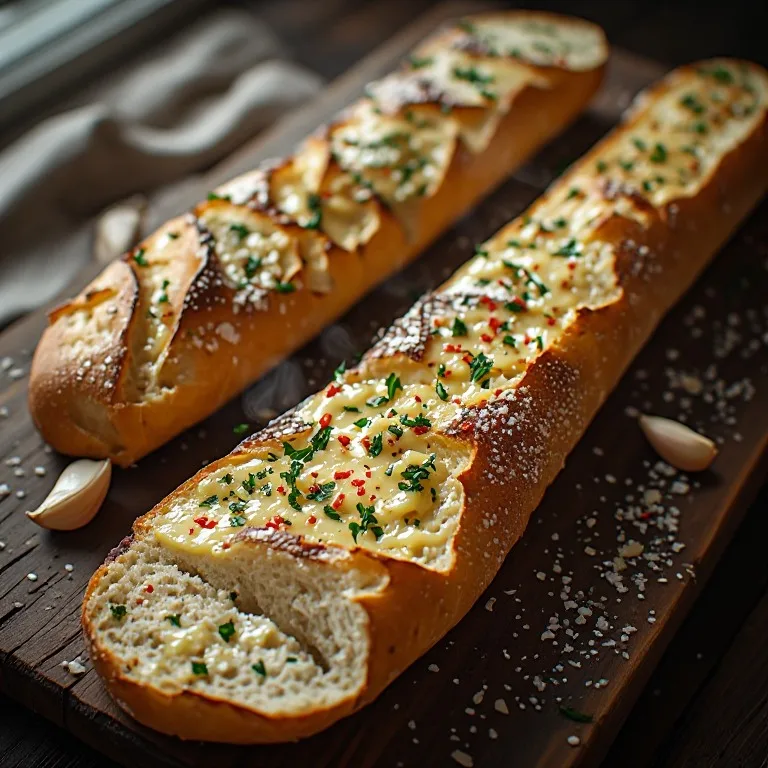
Ina Garten's Outrageous Garlic Bread from Modern Comfort Food — an entire head of garlic gently cooked in a stick and a half of butter until sweet and tender, then mashed with lemon zest, Parmesan, and red pepper flakes, spread on a scored baguette and baked at 450°F. One full head of garlic is not a mistake: slow-cooking it in the butter melts away the raw bite and leaves a deep, savory richness.

Easy Prep: 10 min Cook: 27 min Total: 37 min8 servings ~$3.50/serving
Prep10 min
Cook27 min
Total37 min
Servings
8
At home~$3.50/serving
vs
Restaurant~$15.75/serving
You save ~78%

The Story Behind the Recipe

Ina Garten published Outrageous Garlic Bread in Modern Comfort Food (2020), the cookbook she wrote during the early months of the pandemic from her home in East Hampton. She described it as exactly the kind of cooking she had been craving: generous, comforting, and unapologetically indulgent. The recipe calls for an entire head of garlic — not a clove or two, a full head — along with a stick and a half of butter, lemon zest, Parmesan, fresh parsley, and a pinch of red pepper flakes. It drew a wave of coverage the moment the book came out, with food writers and home cooks reporting that even people who normally kept garlic bread at arm's length went back for a second piece.

The technique is the reason the name sticks, and it's the opposite of most garlic bread. Instead of rubbing raw garlic on toast, Garten gently cooks a whole head of peeled cloves in melted butter — covered, on low heat, for a full 20 minutes — until the garlic is soft enough to mash with a fork. That slow bath is what turns an alarming quantity of garlic sweet and mellow rather than sharp. She mashes the garlic into the butter, stirs in lemon zest, Parmesan, parsley, and red pepper flakes, then spreads it thickly on a split, diagonally scored baguette and bakes it at 450°F for just 5 to 7 minutes until bubbling and golden. A sprinkle of fleur de sel at the end is the finishing touch. The lemon zest is the detail people notice but rarely predict: two teaspoons brighten the butter, cut through the fat, and make the finished bread taste more alive without tasting remotely citrusy.

Nutrition Facts

Per serving (8 servings)
Calories345
Total Fat22g
Total Carbs28g
Dietary Fiber1g
Sugars1g
Protein6g
Sodium610mg

* Estimated values based on standard recipe preparation. Actual values may vary.

Ingredients

Instructions

💡
Pro tip: This recipe tastes even better the next day. The flavors need time to meld together in the fridge.
❄️
Storage: Keeps in an airtight container in the fridge for up to 2 weeks. Freezer-friendly for up to 3 months.
🎃 Free Halloween cookbook — download now The Copycat Halloween Cookbook A ready-made, photo-illustrated PDF of our best halloween copycat recipes — free to download, no building required. Pay what you want to support if you love it.

Free PDF — instant download. We'll also send new seasonal copycat recipes now and then; unsubscribe anytime. Or just download it →

Ina Garten’s Outrageous Garlic Bread calls for a full head of garlic — not a clove or two — slowly cooked in a stick and a half of butter, then mashed with Parmesan, lemon zest, and red pepper flakes. It’s outrageous by design, and it works because of how the garlic is prepared, not despite it.

Why a Whole Head of Garlic Works

The default objection to this recipe is the quantity: a full head of garlic, every clove, in one batch of garlic bread. It sounds like a punch in the face. It isn’t — because none of that garlic goes on the bread raw.

The slow cook does the work. You melt the butter in a saucepan, add all the peeled cloves, cover the pot, and let them cook on low heat for a full 20 minutes until they’re soft enough to mash with a fork. Over that time the harsh, sulfurous compounds that give raw garlic its bite break down, and the cloves turn sweet, nutty, and mellow — closer to roasted garlic than to the sharp hit of a raw clove. By the time you mash the garlic into the butter and spread it on the bread, the flavor is deep and rich rather than pungent. People who claim they don’t love garlic bread have been surprised.

The Lemon Zest Detail

Garten’s recipes often have one ingredient that looks like a flourish but is actually doing structural work. In this recipe it’s the lemon zest.

Two teaspoons of grated zest go into the butter with everything else. The finished bread doesn’t taste lemony. The zest’s volatile citrus oils largely cook off in the oven. What remains is brightness — a sharpness that cuts through the fat of the butter and the richness of the melted Parmesan, making each bite feel more distinct rather than heavy. Without it, the bread tastes slightly blunter. With it, the crust has a cleanness that makes you want another piece.

Temperature and Technique

The 450°F baking temperature is high and the bake is short — just 5 to 7 minutes. At that heat, the butter bubbles almost immediately, the Parmesan begins to brown, and the crust crisps without the interior drying out. Because the window is so narrow, this is a recipe to stand near: start checking at 5 minutes, since the difference between “perfect” and “burnt edges” is under a minute at this temperature. A lower temperature — say, 375°F, which most garlic bread recipes use — softens the bread without crisping it and gives you a mushy result rather than a shattering crust.

Two practical notes: (1) Garten explicitly says to make sure the oven is clean before preheating to 450°F — old grease residue smokes at this temperature. (2) Finish each piece with a sprinkle of fleur de sel or flaky sea salt as it comes out, and serve it immediately. A minute on the board is fine; five minutes is not, because the butter re-solidifies slightly as the temperature drops, making the texture denser and less appealing.

Parmesan — Freshly Grated Only

The recipe calls for a full cup of freshly grated Italian Parmesan, and pre-shredded won’t behave the same way. Pre-shredded Parmesan is coated with anti-caking starch, which keeps it from melting smoothly and instead leaves a gritty layer rather than a crust. Freshly grated — either on a Microplane or the fine side of a box grater — stirs cleanly into the garlic butter, then melts into the bread surface as a thin, savory, golden crust.

What This Goes With

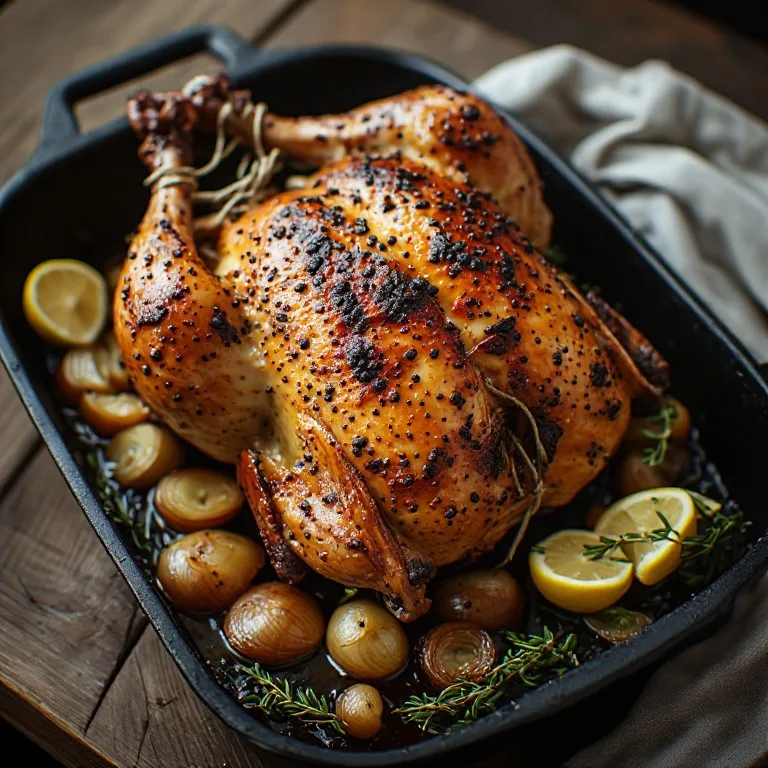
The obvious pairing is any Italian-American main: pasta al pomodoro, braised short ribs, roast chicken, white bean soup. The garlic flavor is assertive enough that it works best alongside something with sauce or fat to meet it — not as a side to a delicate fish or a simply dressed salad. Garten serves it as a dinner-party side dish, often alongside her Weeknight Bolognese.
🥗

Make It Healthier

Love Ina Garten's Outrageous Garlic Bread but want a lighter version? Try these simple swaps:

  • ✓Cut the butter to 8 tablespoons (1 stick) and cook the garlic in 4 tablespoons of good olive oil alongside it. The oil carries the garlic flavor just as well, brings a fruitier note that works with the lemon zest, and trims about 50 calories and 5g of saturated fat per serving.
  • ✓Use a whole-grain or seeded demi-baguette instead of a white one: you get more fiber per slice and a nuttier flavor that holds up well against the bold garlic butter. The crust browns just as well at 450°F.
  • ✓Trim the Parmesan to ½ cup instead of 1 cup: you lose about 27 calories and 1.8g of saturated fat per serving and the garlic butter flavor still carries the bread. Half the cheese still forms a visible crust as the topping bubbles.
  • ✓Skip the finishing fleur de sel and go easy on the kosher salt in the butter — between the Parmesan and a full cup of it, the bread is already well-seasoned, and cutting the added salt is the simplest way to lower the sodium per slice.

Frequently Asked Questions

What makes Ina Garten's Outrageous Garlic Bread different from regular garlic bread?

Three things separate it. First, the garlic is slow-cooked — a full head of peeled cloves is simmered in melted butter, covered, for 20 minutes until completely tender, then mashed into the butter. That gentle cook eliminates the sharpness of raw garlic; what you taste is deep, mellow, sweet garlic with no bite. Second, lemon zest. Two teaspoons brighten the very rich butter without making the bread taste citrusy — it just makes the finished slice taste more alive. Third, a full cup of freshly grated Parmesan goes into the butter, creating a savory, lightly golden crust as it bubbles at 450°F, and a finishing sprinkle of fleur de sel adds a little crunch and salinity at the end.

Do you really need a whole head of garlic?

Yes. A typical head of garlic has 10–14 cloves, which sounds alarming but isn't. Because the cloves are gently cooked in butter for 20 minutes before they ever touch the bread, the garlic mellows dramatically — the compounds that create raw garlic's sharpness break down over that slow, low heat, leaving a sweet, deeply savory note rather than a pungent one. Using three or four cloves gives you a completely different — much quieter — result. The recipe is named 'outrageous' for a reason.

Why does the recipe say to make sure the oven is clean?

At 450°F, any grease splatter or residue already on the oven floor or walls will smoke and potentially set off a smoke alarm. Garten's original headnote specifically warns about this. If your oven has residue, either clean it first or reduce the temperature to 425°F and add 2–3 extra minutes of baking time. The bread will still brown well; it just won't develop quite as pronounced a char at the edges.

Can you make Ina Garten's garlic bread ahead of time?

The cooked garlic butter is ideal for making ahead: prepare it through the mashing-and-seasoning step up to 3 days ahead and refrigerate in an airtight container, or freeze for up to 2 months. Let it come back to room temperature so it's spreadable. The assembled bread (butter spread on the split baguette) can be wrapped and refrigerated for several hours before baking — just add 2–3 minutes since you're starting from cold. The baked bread doesn't hold well; serve it immediately after it comes out of the oven.

What is the role of the lemon zest in this recipe?

Lemon zest is the detail that surprises people. The finished bread doesn't taste lemony at all — the zest's citrus flavor largely dissipates in the oven. What remains is a brightness that cuts through the richness of the butter and Parmesan, making each bite taste sharper and more distinct. It's the same function lemon zest plays in pasta or in many cheese sauces: it lifts the fat without adding noticeable acid. Without it, the bread tastes slightly heavier and one-dimensional.

What kind of bread works best?

Garten specifies a 20–24-inch crusty French baguette. The length matters because a standard American supermarket baguette (about 18 inches) is shorter and thinner; a proper French-style baguette has a thicker crust that holds the butter without becoming soggy, and the larger cut surface means more of the good stuff. Scoring each split half diagonally before baking lets you spread the butter into the cuts and makes the pieces easy to pull apart. Avoid a very soft Italian loaf — it absorbs too much butter and turns greasy rather than crisp.

Love this recipe? Share it!

Free PDF: our 12 most-wanted copycat recipes — instant download.

Made it? Buy us a coffee

Every recipe here is free, with no paywalls. If this one was a hit at your table, a small tip keeps new copycats coming.

$

Ratings & Reviews

—
No ratings yet

Rate this recipe

Click a star to rate

Leave a Review

0/500

CS

Copycat Spices Editorial

Researched + fact-checked. Every recipe on Copycat Spices is built from published sources — official ingredient lists, brand-published recipes, interviews and food-science references — and fact-checked before it goes live, then written as clear, step-by-step instructions for home cooks of all skill levels.

Learn more about our mission →