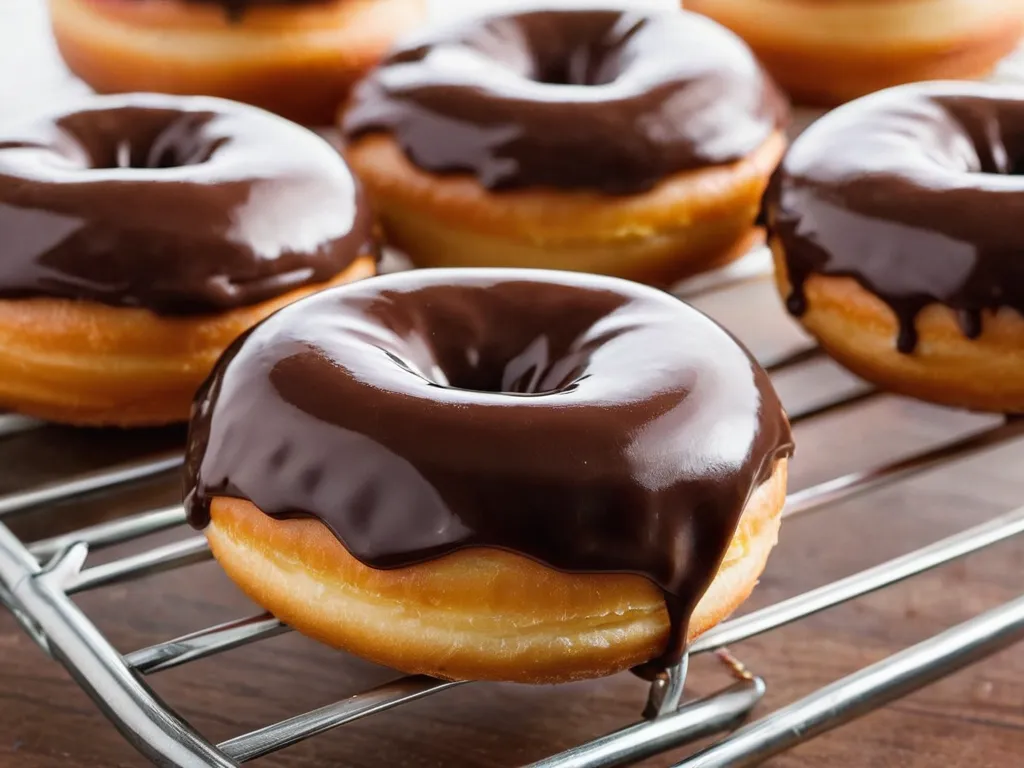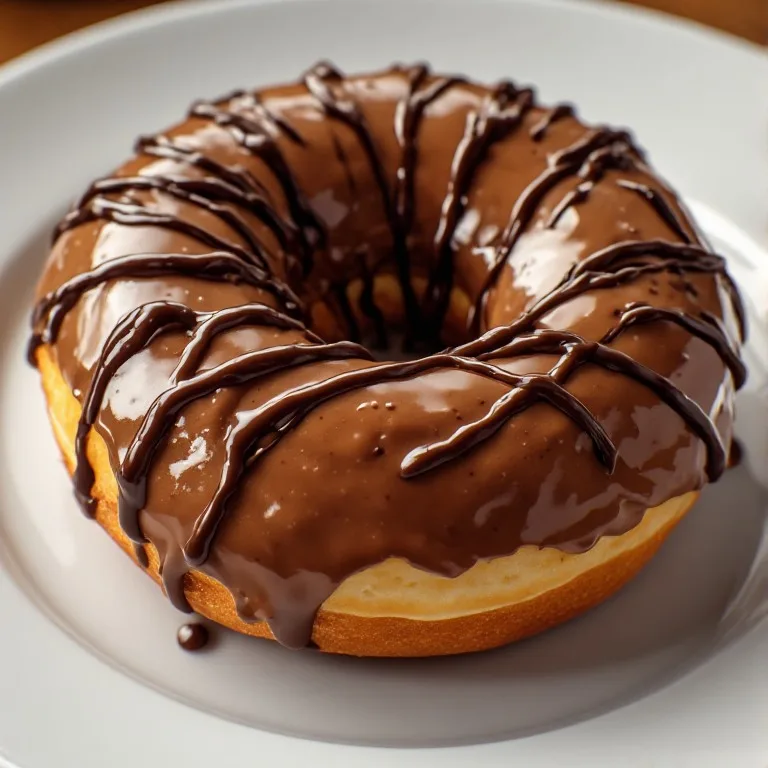


Krispy Kreme’s Cafe Mocha Doughnut is the only ring doughnut in the fall 2026 Autumn Seasonal Collection — a distinction that shapes both how it’s built and how you eat it. While the Maple Cheesecake and Biscoff Cookie Butter are filled shell doughnuts (piped full of Kreme inside), and the Pumpkin Spice Cake is a dense cake donut, the Cafe Mocha starts from the same enriched yeast dough as KK’s Original Glazed and is fried as a classic ring with a center hole.
The flavor comes from three stacked elements on the exterior: a dark chocolate glaze that replaces the standard Original Glaze, an espresso buttercreme swirl piped across the top, and a mocha bean — a single chocolate-covered coffee bean — pressed into the center of the swirl. There is nothing inside the dough itself. All the mocha character is on the surface, concentrated into a few bites at the top of the ring before you hit the plain yeast dough underneath.
Why a ring instead of a filled shell
KK’s choice to make the Cafe Mocha a ring rather than a shell doughnut is a flavor decision as much as a format one. Coffee and chocolate pair best when they hit simultaneously and quickly, not when they require biting through a thick outer layer to reach a filling inside. On a ring doughnut, the first bite gives you all three elements at once: yeast dough, chocolate glaze, and espresso buttercreme. The flavors don’t unfold in sequence the way they do with a shell doughnut; they stack.
The mocha bean extends this logic. It is not decoration — a crunchy, bitter-roasted coffee bean in the middle of a sweet buttercreme swirl is a textural and flavor counterpoint. The shell of dark chocolate around the bean slightly delays the coffee hit; then the roasted bitterness arrives and cuts through the sugar. On a filled doughnut, that contrast would be diluted by the cream inside. On a ring, with no interior filling to moderate the sweetness, the mocha bean’s bitterness does real work.
The buttercreme vs. the Kreme distinction
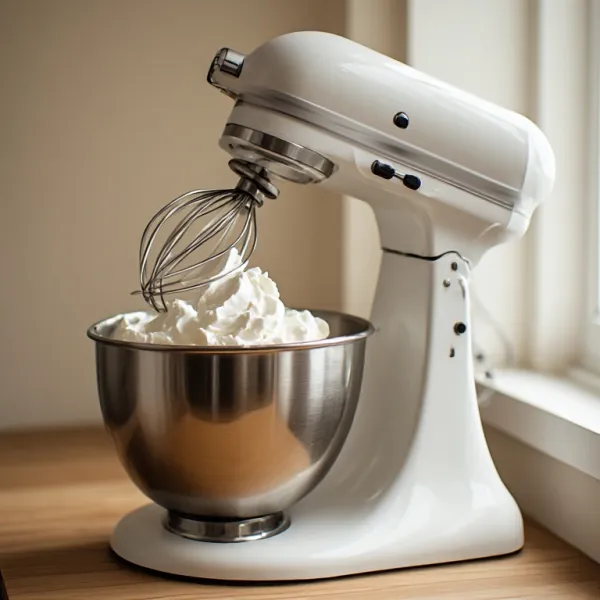
The coffee topping on the Cafe Mocha is called a buttercreme swirl, not a Kreme — and the distinction matters for how you make it at home. KK’s Kreme fillings (in the Maple Cheesecake and Biscoff doughnuts) are soft and pipeable into a doughnut’s interior: typically cream cheese or pastry cream-based, light enough to move through a piping tip under gentle pressure and stay set when chilled. Buttercreme is fundamentally different: butter beaten with powdered sugar until stiff, stiff enough to pipe on top of a surface and hold its swirled shape at room temperature for hours without collapsing flat.
That stiffness is the technical requirement here. The espresso buttercreme swirl has to hold its peak through display, purchase, and transport — KK’s doughnuts sit in an open case, not refrigerated. Butter-based buttercreme accomplishes this because the butterfat stays semi-solid at room temperature (around 68–72°F), while cream-based fillings would slowly lose their structure.
For the home version, the critical step is the butter temperature. Butter that is even 5–10 degrees below room temperature will not aerate properly when beaten — the fat won’t hold the air bubbles that give buttercreme its light, smooth texture. You will get a heavy, slightly pasty result. Butter that is too warm (softened but starting to look shiny or pooling at the edges) will aerate briefly and then collapse into a greasy, separated mass. The target: your finger can press cleanly into the butter block and leave a full indent with no resistance, but the block still holds its shape.
Building the mocha flavor from the outside in
Coffee is a volatile flavor compound — it fades under heat and blooms in fat. Dutch-process cocoa has the opposite behavior: its alkalized pH makes it stable under heat, producing a clean, deep chocolate flavor even in a cooked glaze, while its darker color gives the glaze an opaque, matte-approaching richness rather than a flat brown.
The two flavors — roasted cocoa in the glaze, espresso in the buttercreme — work together because they occupy different positions in the bite. The glaze is the first contact: cool, thin, slightly firm. The buttercreme swirl sits on top, warmer and softer, with a concentrated coffee flavor that intensifies the chocolate underneath rather than competing with it. The mocha bean comes last, at the center of the swirl, with the most direct roasted-coffee character of the three.
Instant espresso powder (not regular instant coffee) is the correct choice for the buttercreme. Standard instant coffee granules are larger and coarser — they dissolve unevenly in cold fat and leave gritty spots in the finished buttercreme. Espresso powder is finely ground and dissolves completely when stirred into a small amount of warm heavy cream before being beaten into the butter. The warm cream step is not optional; trying to beat dry espresso powder directly into the butter leaves it unevenly distributed.
The star tip matters
A plain round piping tip will pipe a rope of buttercreme across the top of the doughnut — a straight, cylindrical bead, not a swirl. The distinctive look of the Cafe Mocha requires an open-star tip (1M or 2D are standard Wilton sizes), which cuts the buttercreme into parallel ridges as it exits the tip. When you spiral that ribbed stream from the outer edge to the center, the ridges create the dimensional swirl that holds the mocha bean in place at the peak. Without the ridges, the mocha bean slides off a smooth buttercreme surface.
The piping motion: position the tip 1/4 inch above the chocolate glaze at the outer edge of the doughnut, start the spiral moving inward (counterclockwise or clockwise — whichever feels natural), and maintain consistent pressure on the bag throughout. Release pressure completely before lifting the tip at the center to avoid a tail. The mocha bean presses into the soft buttercreme immediately after piping — within 30 minutes, the exterior of the buttercreme crusts slightly and the bean won’t embed cleanly.
The full Krispy Kreme fall 2026 lineup
The Cafe Mocha launched alongside three other Autumn Seasonal doughnuts on August 11, 2026, all available at participating US and Canada locations through the fall season while supplies last:
- Cafe Mocha (new for 2026) — the only ring in the collection: Original Glazed dough, chocolate glaze, espresso buttercreme swirl, mocha bean.
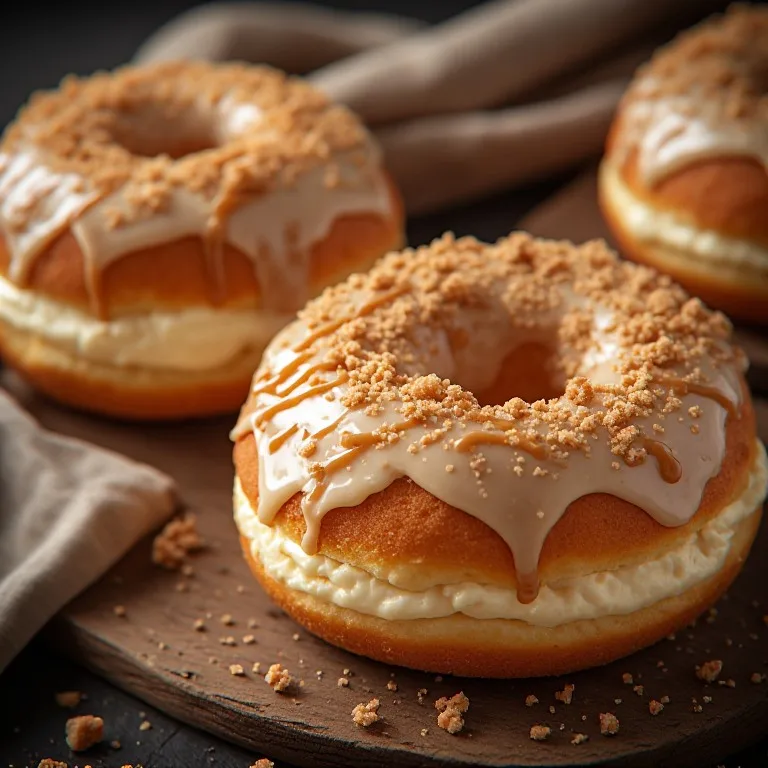
- Maple Cheesecake (new for 2026) — a filled shell doughnut with cream cheese Kreme, maple icing, and graham crunch.
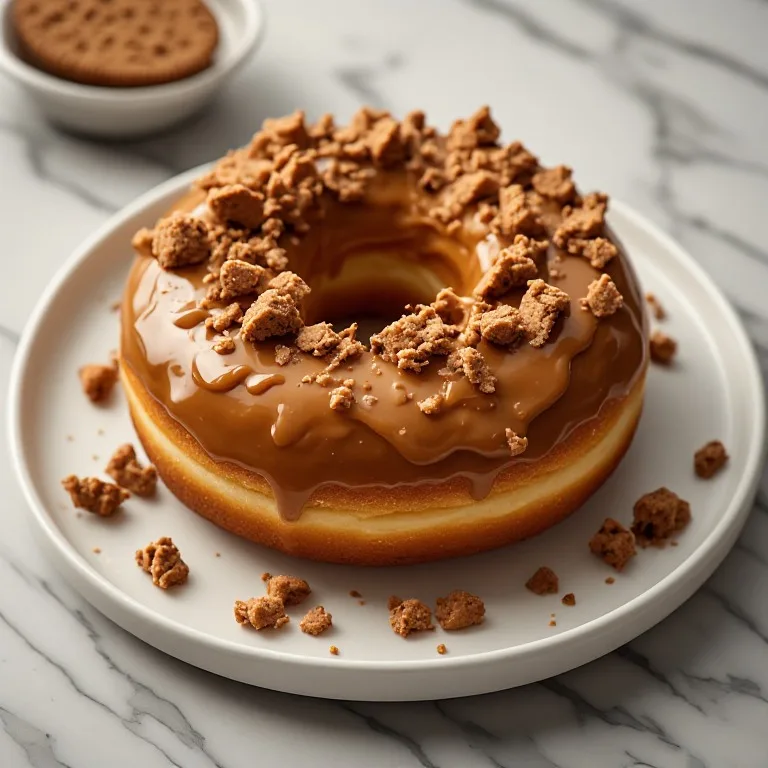
- Biscoff Cookie Butter (returning) — a filled shell doughnut with speculoos Kreme, cookie butter icing, and crushed Biscoff pieces.
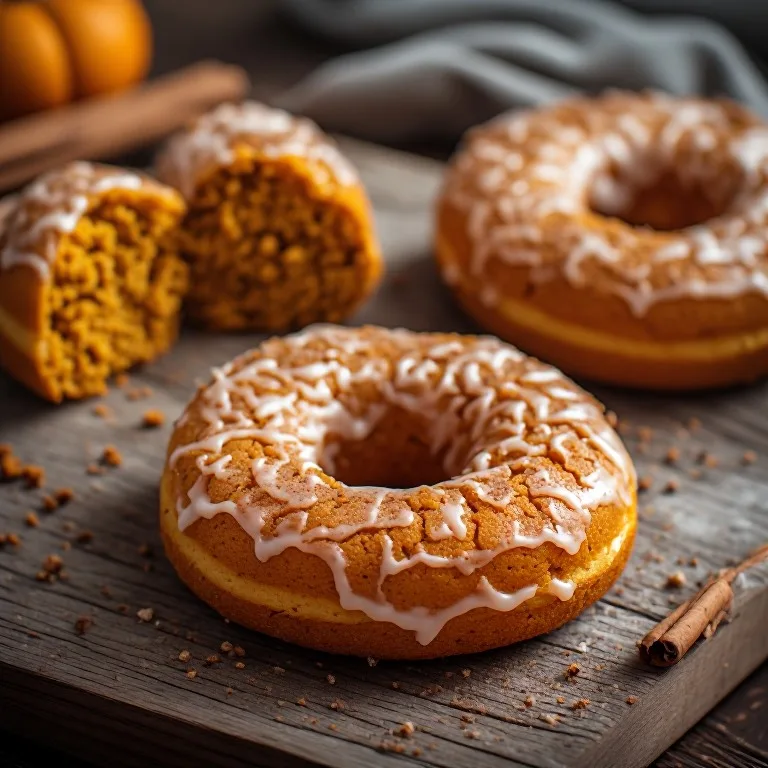
- Pumpkin Spice Cake (returning) — an Old Fashioned-style cake donut with craggy ridges under KK’s Original Glaze.
Of the four, the Cafe Mocha is the least sweet — the bitter-roasted mocha bean and dark chocolate glaze balance the buttercreme, where the others lean fully into dessert sweetness.
More Krispy Kreme fall 2026 copycats
- Krispy Kreme Maple Cheesecake Doughnut Copycat — cream cheese Kreme, maple icing, and graham crunch in a filled shell.
- Krispy Kreme Biscoff Cookie Butter Doughnut Copycat — triple speculoos hit: filling, icing, and crumble.
- Krispy Kreme Pumpkin Spice Cake Doughnut Copycat — the returning cake donut with Original Glaze.
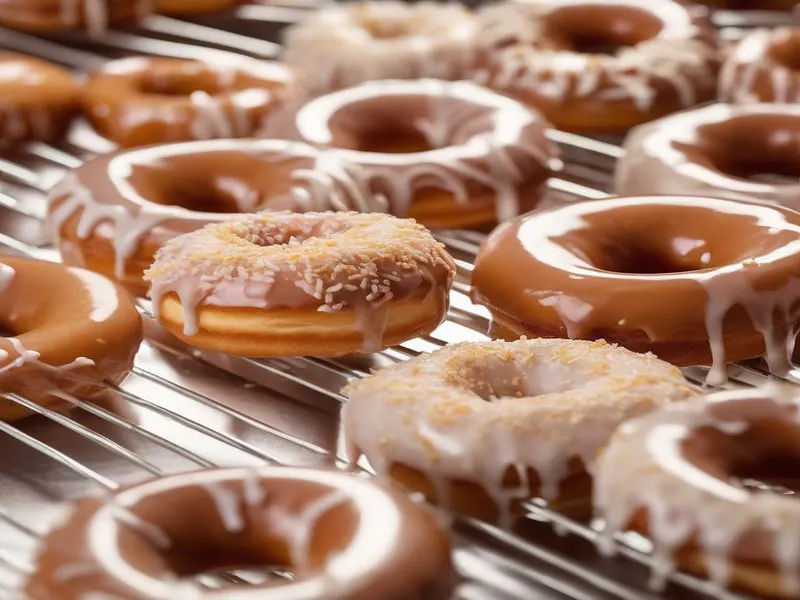
- Krispy Kreme Glazed Doughnuts Copycat — the foundational Original Glazed dough this ring is built from.
- Krispy Kreme Chocolate Iced Doughnut Copycat — the closest year-round KK doughnut, and the calorie baseline for the Cafe Mocha.