
Pin It

Lindt Lindor Milk Chocolate Truffles

Lindt Lindor Milk Chocolate Truffles
Jump to Recipe
Prep 25 min Cook 10 min Serves 24 truffles
Quick answer: Homemade Lindt Lindor truffles require two separate chocolate preparations: a loose, high-cream ganache for the melting center (1 cup heavy cream heated and poured over 8 oz milk chocolate, stirred smooth, then chilled 3 hours until scoopable), and a milk chocolate shell made from 12 oz of melted milk chocolate for dipping. Scoop the chilled ganache into generous 1-inch balls (about 20g each, so one batch makes roughly 24), freeze 45 minutes until firm, then dip in the melted chocolate and let set at room temperature — not in the refrigerator — so the shell forms with a proper snap rather than a waxy coating. The ratio of cream to chocolate in the center is what makes the difference: a standard ganache uses 2 parts chocolate to 1 part cream and sets firm; Lindor's soft center needs a near 1:1 ratio so it stays loose and melts instantly at body temperature.

Shop the tools

Gear matched to this recipe. These are Amazon affiliate links — we may earn a small commission if you buy, at no extra cost to you.

As an Amazon Associate, Copycat Spices earns from qualifying purchases. Product images are generic illustrations, not the exact item listed.

Lindt Lindor Milk Chocolate Truffles

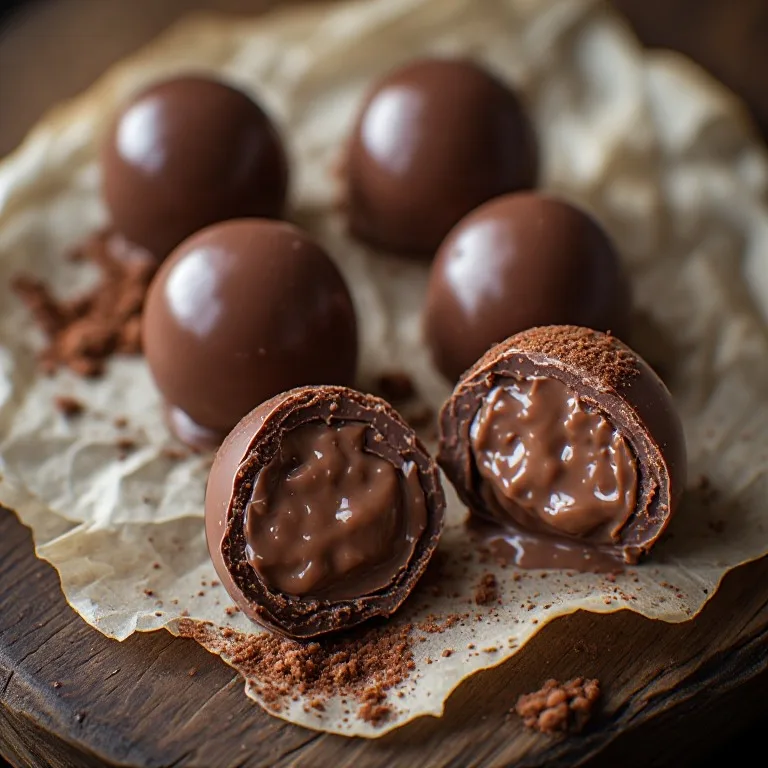
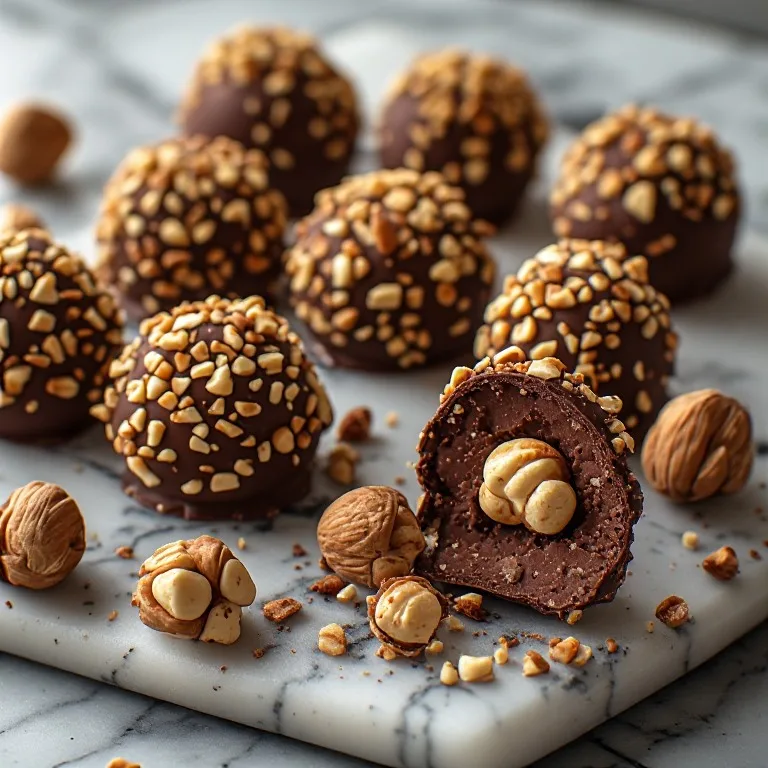
Homemade Lindor milk chocolate truffles: a thin, snapping milk chocolate shell around a loose, instantly-melting ganache center. Makes about 24 truffles — the key is a higher-cream ganache ratio and letting the shells set at room temperature, not in the fridge.

Medium Prep: 25 min Cook: 10 min Total: 35 min24 truffles servings ~$2.80/serving
Prep25 min
Cook10 min
Total35 min
Servings
24
At home~$2.80/serving
vs
Restaurant~$12.60/serving
You save ~78%

The Story Behind the Recipe

Lindt & Sprüngli introduced the Lindor name in 1949, originally on a chocolate bar. The round ball truffle debuted in the late 1960s as a seasonal Christmas item — Lindt's own history pages give both 1967 and 1969, and the company confirms it was first conceived as a chocolate Christmas-tree ornament. The name combines "Lindt" with the French word for gold, "or," and the product became the brand's defining item worldwide, now sold in more than 60 countries.

A bag of Lindor milk chocolate truffles runs about $13–$17 for a 12–15 oz bag (roughly 25–35 pieces) at US grocery stores — around 45–50 cents a truffle. Making them at home with good bar chocolate costs about the same, so this isn't really about saving money: it's about fresher truffles, control over the chocolate you use, and a homemade gift that beats a store bag. The two things that actually make Lindor taste different from other truffles are the ganache ratio (much softer than standard) and the thin shell (set at room temperature, never chilled before the chocolate hardens). Both are easy to replicate at home.

Nutrition Facts

Per serving (24 truffles servings)
Calories160
Total Fat10g
Total Carbs17g
Dietary Fiber1g
Sugars14g
Protein2g
Sodium25mg

* Estimated values based on standard recipe preparation. Actual values may vary.

Ingredients

  • For the ganache center
  • For the chocolate shell

Instructions

💡
Pro tip: This recipe tastes even better the next day. The flavors need time to meld together in the fridge.
❄️
Storage: Keeps in an airtight container in the fridge for up to 2 weeks. Freezer-friendly for up to 3 months.
🎃 Free Halloween cookbook — download now The Copycat Halloween Cookbook A ready-made, photo-illustrated PDF of our best halloween copycat recipes — free to download, no building required. Pay what you want to support if you love it.

Free PDF — instant download. We'll also send new seasonal copycat recipes now and then; unsubscribe anytime. Or just download it →

The Lindt Lindor Milk Chocolate Truffle is one of the most recognizable gift chocolates in the world: a thin, snapping milk chocolate shell around a ganache center that melts almost instantly at body temperature. This recipe makes about 24 truffles. A store bag of milk chocolate Lindor runs about $13–$17 for 12–15 oz, and making them at home with good chocolate costs about the same — so you do it for fresher truffles, better chocolate, and a gift you made yourself, not to save money.

The round ball truffle debuted in the late 1960s as a seasonal Christmas product. The melt-in-your-mouth quality comes entirely from the ganache ratio: significantly more cream than a standard truffle filling.

What Makes Lindor Different From Other Truffles

Two technical things separate a Lindor from any other chocolate truffle.

The ganache ratio. A standard firm ganache — the kind used in cocoa-dusted truffles — uses 2 parts chocolate to 1 part cream. It sets firm enough to roll and hold its shape. Lindor’s center uses a near 1:1 ratio (equal parts cream and chocolate by weight). That higher cream content keeps the center loose and fluid at room temperature, so it melts in about one second at body temperature instead of needing to be chewed.

The shell sets at room temperature. Lindt’s shells are thin and have a genuine snap because the chocolate is allowed to crystallize slowly at room temperature, forming stable cocoa butter crystals. Chilling the shells in the refrigerator as they set causes a different crystal structure — the surface goes matte and slightly waxy, and the snap becomes a bend. This is the most common mistake in home truffle recipes.

The Process in Three Stages

Stage 1: Make and chill the ganache (10 min active, 3 hours passive). Heat cream until steaming, pour over chocolate, rest 2 minutes, stir smooth from the center out. Add butter and salt. Chill in a shallow dish, plastic wrap pressed to the surface, for 3 hours until scoopable.

Stage 2: Scoop and freeze (10 min active, 45 min passive). Scoop ganache into 1-inch balls and roll smooth. Freeze solid — 45 minutes minimum. Frozen centers hold their shape during dipping; a soft center collapses.

Stage 3: Dip and set at room temperature (15 min active, 45 min passive). Melt the shell chocolate with 1 tsp oil until just fluid. Dip each frozen ball, let excess drip, set on parchment at room temperature for 30–45 minutes until fully hardened.

Gifting

Line a gift box with mini cupcake liners and arrange the truffles in rows. Store at cool room temperature for up to a week, or refrigerate for up to 3 weeks. If refrigerated, set out 20 minutes before serving.

A batch of 24 uses roughly $15–$20 of good milk chocolate plus a cup of cream, and fits comfortably in a standard 5×7 gift box.
🥗

Make It Healthier

Love Lindt Lindor Milk Chocolate Truffles but want a lighter version? Try these simple swaps:

  • ✓Use 70% dark chocolate for both the ganache and the shell instead of milk chocolate — you cut about 20% of the sugar and add flavonoids, and the intense dark chocolate flavor makes the truffles feel more indulgent, not less.
  • ✓Reduce the batch to 12 truffles by halving the ganache recipe and using only 6 oz of coating chocolate — the prep time is the same but you end up with a more intentional, smaller gift box rather than 24 truffles available to snack on.
  • ✓Roll the finished truffles in cocoa powder, crushed freeze-dried raspberries, or flaky sea salt instead of adding a second coat of chocolate — it cuts 30–40 calories per truffle by skipping the thick shell and adds a flavor contrast the store version doesn't have.
  • ✓Swap 2 tablespoons of the heavy cream for full-fat coconut cream to make a dairy-free version — the coconut flavor is barely perceptible in milk chocolate ganache, and it sets to the same silky texture.

Frequently Asked Questions

What is inside a Lindt Lindor truffle?

A Lindt Lindor milk chocolate truffle has a thin, hard milk chocolate outer shell and a soft, loose ganache center made from milk chocolate and cream. The center has a notably higher cream-to-chocolate ratio than standard truffles, which is why it melts almost instantly when it hits your tongue rather than needing to be chewed. The official ingredient list for the US milk chocolate variety includes sugar, vegetable fat, cocoa butter, cocoa mass, whole and skim milk powder, lactose, soy lecithin, and vanillin. In homemade versions, the center is replicated with heavy cream and high-quality milk chocolate in roughly equal proportions by weight.

Why does the Lindor truffle center stay so soft?

The ganache ratio is the key. A standard firm ganache (the kind used for truffles you roll in cocoa powder) uses about 2 parts chocolate to 1 part cream by weight — it sets firm enough to scoop and roll. Lindor's center stays almost liquid because it uses a 1:1 ratio (equal parts cream and chocolate by weight), which keeps the ganache soft and fluid at room temperature and melts at body temperature in seconds. The combination of the soft center with the hard outer shell creates the dramatic textural contrast the truffle is known for.

How do I get my homemade truffles to have a shiny, snapping shell?

Two things matter: chocolate quality and setting temperature. Use bar chocolate (not chips) and let the dipped truffles set at room temperature (65–70°F), not in the refrigerator. Chocolate contains cocoa butter, which crystallizes differently at different temperatures. Setting at room temperature creates stable beta crystals that produce a glossy surface and a clean snap. Refrigerating chocolate as it sets causes different crystal forms and condensation, which produces a dull, sometimes streaky surface and a waxier texture. If you want to speed up setting, a brief 10-minute refrigerator chill is fine — but pull them out before they're fully cold.

Can I use chocolate chips instead of bar chocolate?

Technically yes, but the result is noticeably worse. Chocolate chips are formulated with extra stabilizers (often additional soy lecithin or palm oil) that help them hold their shape during baking — which means they resist melting smoothly and can make the ganache slightly grainy and the shell slightly thick and waxy. Bar chocolate (and baking wafers or callets) melt cleanly, combine with cream without separating, and produce a ganache and a shell that match the texture of the original. If chips are all you have, they work in a pinch; for a gift or a comparison to the actual Lindor truffle, use bar chocolate.

How far ahead can I make Lindt Lindor truffles?

You can make them up to 3 weeks ahead and keep them refrigerated in an airtight container with parchment between layers. The ganache center is stable for that window, and the shell protects the texture. Let them come to room temperature for 15–20 minutes before serving — cold ganache doesn't melt the same way and the truffle loses the contrast between the shell and the liquid center that makes it distinctive. For a gift, the truffles hold well at cool room temperature (under 68°F) for about a week without refrigeration.

When were Lindt Lindor truffles invented?

The Lindor name appeared in 1949, first on a chocolate bar. The now-iconic round ball truffle was introduced by Lindt & Sprüngli in the late 1960s — Lindt's own history pages give both 1967 and 1969 — as a seasonal Christmas product, originally conceived as a chocolate Christmas-tree ornament. The name 'Lindor' combines 'Lindt' with 'or,' the French word for gold. The product became a year-round item over subsequent decades and is now Lindt's most recognized product globally, sold in more than 60 countries and available in over 20 flavor varieties.

What is the difference between Lindt Lindor milk chocolate and dark chocolate truffles?

The shell and center are both made with the respective chocolate type — a milk chocolate Lindor has a milk chocolate shell and milk chocolate ganache center; a dark chocolate Lindor has a dark chocolate shell and dark (typically 60%) chocolate ganache center. The dark version has a noticeably more intense, slightly bitter flavor and about 10–15% less sugar per truffle. The texture of the center is similar in both — the soft-melt quality comes from the cream-to-chocolate ratio, not the type of chocolate. In homemade versions, you can adjust the darkness of both the shell and the center independently.

Love this recipe? Share it!

Free PDF: our 12 most-wanted copycat recipes — instant download.

Made it? Buy us a coffee

Every recipe here is free, with no paywalls. If this one was a hit at your table, a small tip keeps new copycats coming.

$

Lindt is a trademark of its owner, used here only to describe the dish this recipe recreates. This is an independent copycat written in our own words — Copycat Spices is not affiliated with, endorsed by or sponsored by Lindt.

Ratings & Reviews

—
No ratings yet

Rate this recipe

Click a star to rate

Leave a Review

0/500

CS

Copycat Spices Editorial

Researched + fact-checked. Every recipe on Copycat Spices is built from published sources — official ingredient lists, brand-published recipes, interviews and food-science references — and fact-checked before it goes live, then written as clear, step-by-step instructions for home cooks of all skill levels.

Learn more about our mission →