

Pin It

Little Debbie Christmas Tree Cakes

Little Debbie Christmas Tree Cakes
Jump to Recipe
Prep 45 min Cook 14 min (plus 30-min freeze + 20-min set) Serves 12–14 cakes
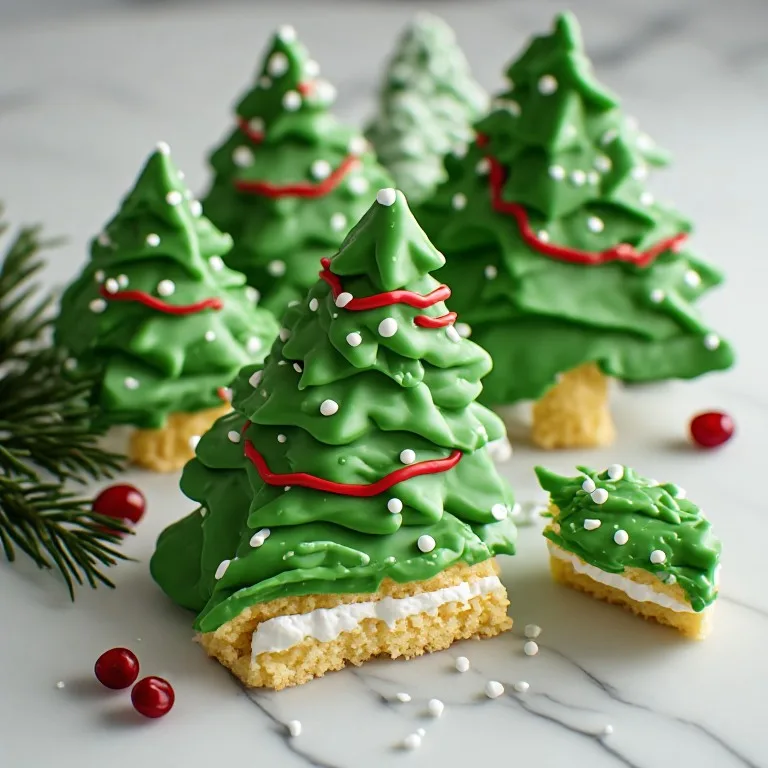
Quick answer: Bake a thin yellow butter sponge cake on a parchment-lined half-sheet pan at 350°F for 12–14 minutes. Cool completely, then use a 3-inch Christmas tree cookie cutter to punch out as many trees as possible (usually 28–32 pieces). Make a marshmallow cream filling by beating 1/2 cup softened butter, 1 cup powdered sugar, 1/2 cup marshmallow fluff, and 1/2 teaspoon vanilla until smooth. Pipe or spread filling onto the flat side of half the trees, then press the remaining trees on top (matching pairs). Place assembled cakes on a wax-paper-lined pan and freeze for 30 minutes — this step is essential, not optional. Meanwhile, melt 16 oz white candy melts with 1 tablespoon coconut oil; tint with green gel food coloring. Dip each frozen cake with a fork, let excess drip off, and set on wax paper. While still slightly tacky, pipe red icing in a zigzag or stripe across each tree. Let set fully at room temperature, about 15 minutes. Home cost is about $6–8 for 12–14 cakes, versus roughly $3 for a 5-count store box — a comparable cost per cake, but the homemade version is noticeably more buttery and the filling is thicker.

Shop the tools

Gear matched to this recipe. These are Amazon affiliate links — we may earn a small commission if you buy, at no extra cost to you.

As an Amazon Associate, Copycat Spices earns from qualifying purchases. Product images are generic illustrations, not the exact item listed.

Little Debbie Christmas Tree Cakes

The copycat Little Debbie Christmas Tree Cakes — soft yellow butter sponge sandwiched with sweet marshmallow cream, coated in green vanilla candy icing, decorated with red stripe accents. A 5-count grocery box runs about $3; this recipe makes 12–14 for roughly $6–8 — a comparable cost per cake, and they taste fresher and more buttery. The one technique that matters: freeze the assembled sandwiches for 30 minutes before dipping so the filling holds its shape and the green candy coating sets crisp and smooth.

Intermediate Prep: 45 min Cook: 14 min (plus 30-min freeze + 20-min set) Total: 59 min12–14 cakes servings ~$4.50/serving
Prep45 min
Cook14 min (plus 30-min freeze + 20-min set)
Total59 min
Servings
12
At home~$4.50/serving
vs
Restaurant~$20.25/serving
You save ~78%

The Story Behind the Recipe

McKee Foods introduced the Christmas Tree Cake as a seasonal offering in 1985, and it went on to become the Little Debbie brand's signature holiday product — the company marked its 40th anniversary in 2025. Like all Little Debbie snack cakes, it was designed to be shelf-stable for weeks and priced low enough to be an everyday treat rather than a specialty purchase; today it sells in individually wrapped twin packs, typically a 5-count box for around $3. The cake is a simplified version of a classic snack-cake construction: a soft yellow sponge with a sweet white cream filling, wrapped in a thin icing shell and decorated to match the season. It became one of the brand's best-selling seasonal items, sharing the same basic cake-and-cream format as Little Debbie's spring and Valentine's editions.

The biggest difference between the original and a homemade version is the coating. Little Debbie's factory icing is a poured sugar glaze — a thin, crackly shell formulated to apply in a continuous curtain at industrial speed and harden in seconds. At home, the closest equivalent is white candy melts (or white almond bark) thinned with a small amount of coconut oil. Candy melts set to a similar crisp, smooth shell and tint readily with gel food coloring without seizing. The other meaningful upgrade in this recipe is the filling: where the original uses a mixture of shortening, sugar, and artificial flavor to hit its shelf-life requirements, this version uses real butter and marshmallow fluff — noticeably richer and less waxy, though it needs refrigeration after day two. The key assembly step is the freeze before dipping: a soft, room-temperature cake collapses when you try to dip it in warm candy. Thirty minutes in the freezer firms the sandwich enough that the dip takes 3–5 seconds and the coating sets nearly on contact.

Nutrition Facts

Per serving (12–14 cakes servings)
Calories245
Total Fat12g
Total Carbs34g
Dietary Fiber0g
Sugars26g
Protein2g
Sodium115mg

* Estimated values based on standard recipe preparation. Actual values may vary.

Ingredients

  • For the sponge cake
  • For the marshmallow cream filling
  • For the green candy coating
  • For decoration

Instructions

💡
Pro tip: This recipe tastes even better the next day. The flavors need time to meld together in the fridge.
❄️
Storage: Keeps in an airtight container in the fridge for up to 2 weeks. Freezer-friendly for up to 3 months.
🎃 Free Halloween cookbook — download now The Copycat Halloween Cookbook A ready-made, photo-illustrated PDF of our best halloween copycat recipes — free to download, no building required. Pay what you want to support if you love it.

Free PDF — instant download. We'll also send new seasonal copycat recipes now and then; unsubscribe anytime. Or just download it →

Little Debbie Christmas Tree Cakes

Prep: 45 minutes | Bake: 14 minutes | Freeze + set: 45 minutes | Makes: 12–14 cakes

Little Debbie Christmas Tree Cakes have been a seasonal staple since 1985 — a 5-count grocery box runs about $3, roughly 60 cents a cake. This recipe makes 12–14 for about $6–8 in ingredients — a comparable per-cake cost, noticeably more buttery and fresher-tasting, with considerably thicker filling.


The Four Parts

The cake is a thin yellow butter sponge — butter, sugar, eggs, flour, and milk. Baked on a half-sheet pan at 350°F for 12–14 minutes, it comes out pale, pliable, and soft. Don’t overbake; the cake should be set but not golden.

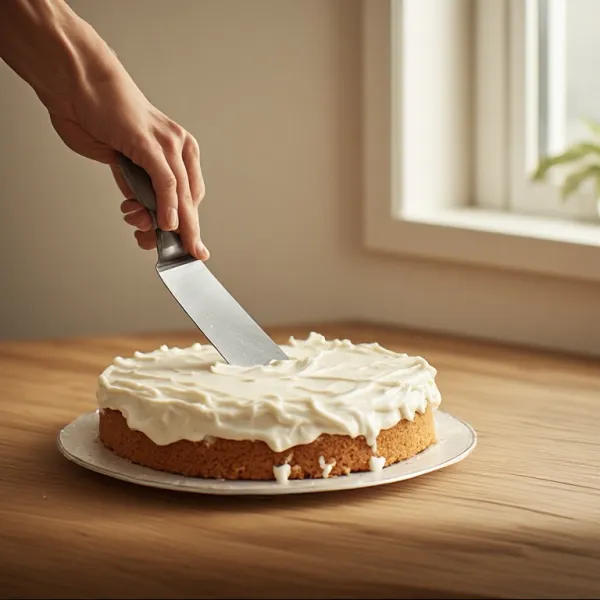
The filling is marshmallow cream: butter, powdered sugar, marshmallow fluff, and vanilla. Where the original uses vegetable shortening for shelf stability, this version uses real butter — richer and more perishable, which is the trade-off. The filling should be thick enough to pipe and not ooze under pressure.

The coating is white candy melts tinted green with gel food coloring. Gel, not liquid — water-based food coloring causes candy melts to seize into a grainy paste immediately. Thin the candy melts with a tablespoon of coconut oil so they flow cleanly off the fork when dipping.

The decoration is a red icing stripe. It goes on after the coating fully sets — if you pipe onto wet candy, the colors bleed.


The Technique That Makes or Breaks It: The Freeze

Every dipped cake recipe has one bottleneck, and this one is the freeze. Assemble the sandwiches, put them on a parchment-lined pan, and freeze uncovered for 30 minutes. This does three things:

  1. Firms the filling. Soft marshmallow cream at room temperature will push out of the sides the moment a fork touches the cake. Frozen filling is solid.
  2. Chills the cake. The cold surface causes the warm candy coating to set in about 10–15 seconds on contact — fast enough to get a smooth, complete shell before the coating runs off the edges.
  3. Locks the shape. A room-temperature cake flexes; a frozen cake is rigid enough to handle with a fork without cracking.

One caveat: let the frozen cakes sit at room temperature for 60–90 seconds before dipping to allow surface condensation to evaporate. Drops of ice condensation will streak the coating or cause it to seize. One or two minutes of breathing room prevents it.


Related Holiday Baking

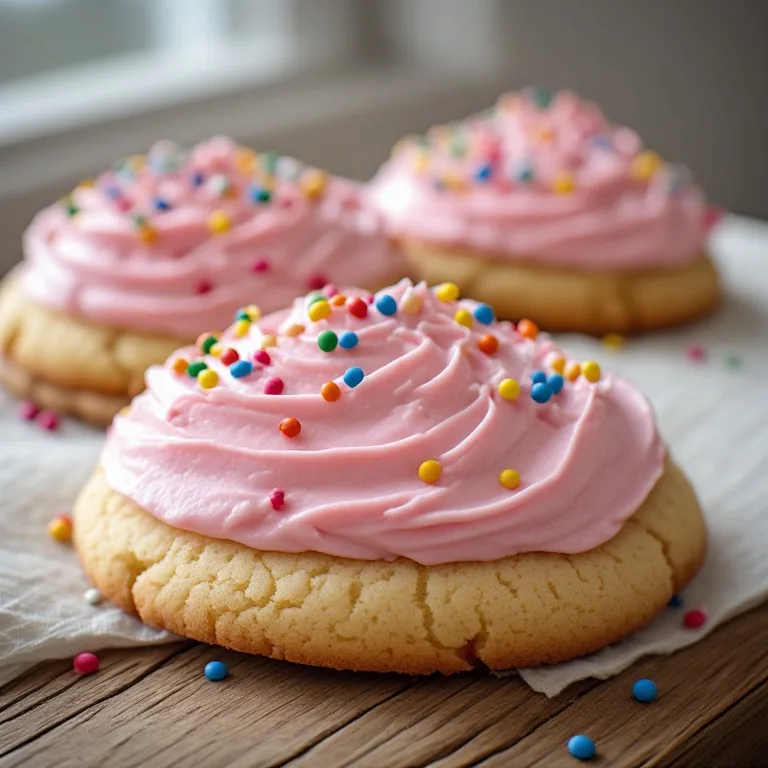
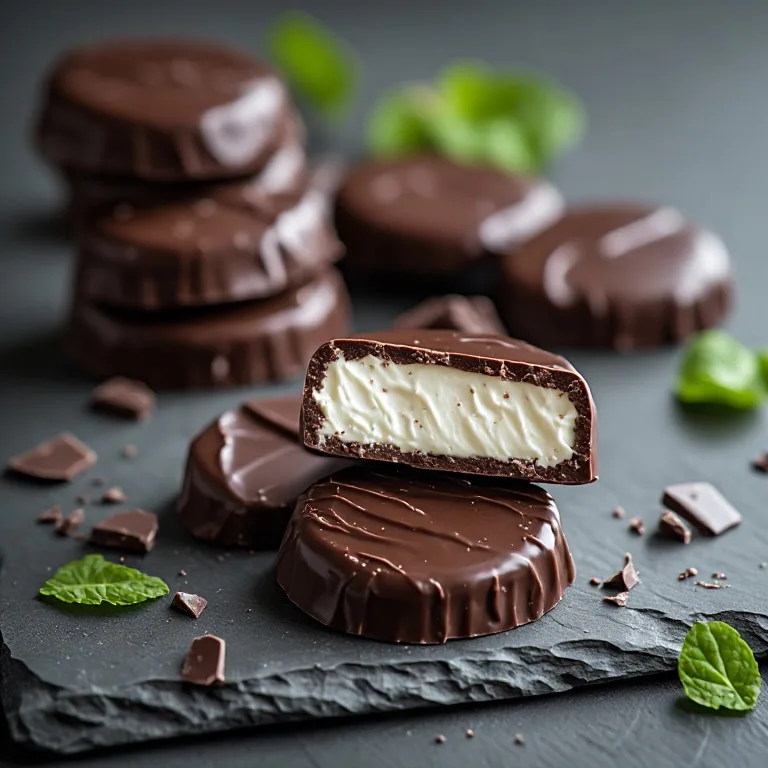
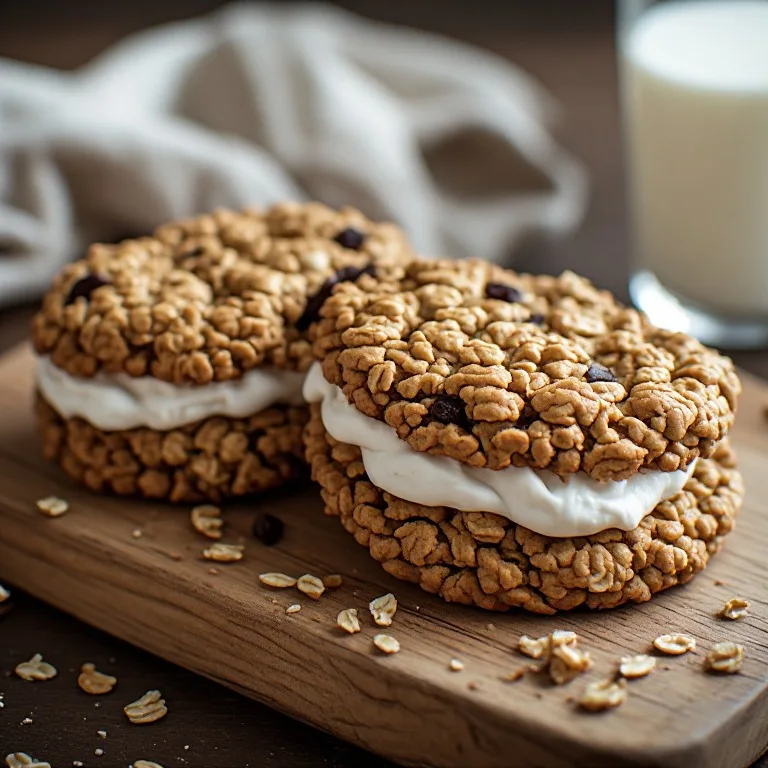
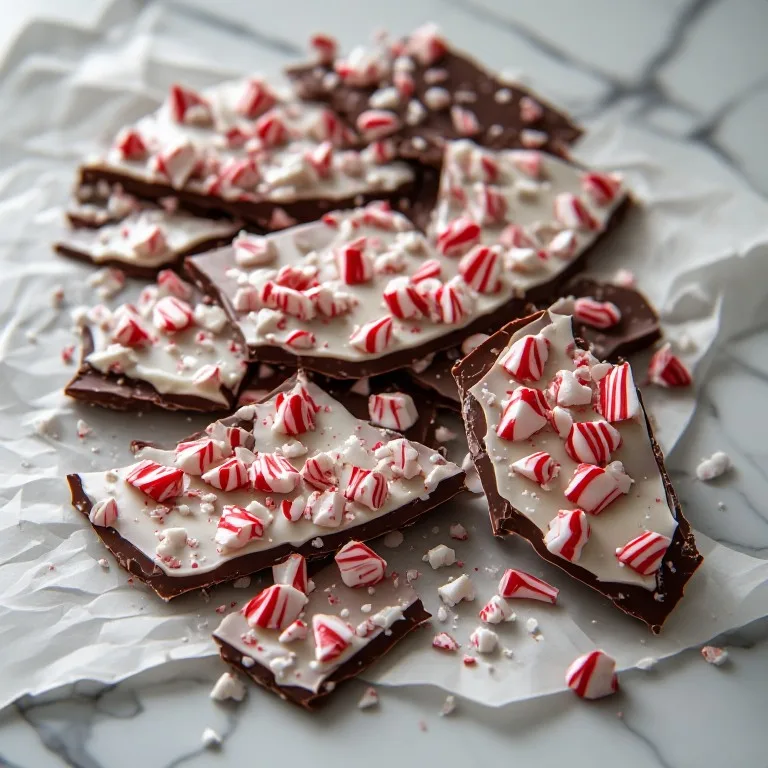
For more iconic Christmas sweets at home: Williams-Sonoma Peppermint Bark uses the same candy melt technique but simpler (no freezing step); Lofthouse Frosted Sugar Cookies cover another classic grocery-store seasonal treat; Little Debbie Oatmeal Creme Pies cover the original year-round item from the same brand. York Peppermint Patties are a good companion gift-box option.
🥗

Make It Healthier

Love Little Debbie Christmas Tree Cakes but want a lighter version? Try these simple swaps:

  • ✓Use 50% less filling — a thin layer of marshmallow cream is enough for flavor; going lighter drops about 30–40 calories per cake and keeps the sandwich from becoming overwhelmingly sweet.
  • ✓Cut the cakes slightly smaller with a 2.5-inch cutter instead of 3-inch — you get the same satisfaction with about 20% fewer calories per piece.
  • ✓Swap white candy melts for a thin layer of melted white chocolate made with cocoa butter — white chocolate has slightly more cocoa butter (real fat) and slightly less sugar than candy melts, and it sets with a cleaner snap.
  • ✓Skip the red icing decoration and use a single dried cranberry or a red sprinkle pressed into the wet coating as a star — it works as a topper and reduces added sugar by a small amount per cake.

Frequently Asked Questions

What are Little Debbie Christmas Tree Cakes made of?

The original Little Debbie Christmas Tree Cake has four components: a soft yellow sponge cake (enriched with vegetable oil and eggs), a white cream filling (made with shortening, sugar, and artificial vanilla), a thin icing shell (a sugar glaze with green coloring), and red icing decoration on top. The cakes are individually wrapped and shelf-stable for several weeks at room temperature, which requires the filling to be made with shortening rather than butter and the coating to be a thin, dry sugar glaze rather than chocolate. This copycat version uses real butter in the filling and white candy melts for the coating for better flavor at the cost of shorter shelf life.

Why do I need to freeze the cakes before dipping?

Candy melt coating is applied warm (about 105–110°F). A room-temperature assembled sandwich at that point contains a soft butter-and-marshmallow filling that will squeeze out the sides the moment you press a fork into it to dip, and the warm coating can also partially melt the cake surface, making it pull away. A 30-minute freeze firms the cake and locks the filling solid. When you dip a frozen cake, the filling stays put, the whole structure holds its shape, and the warm candy coating makes contact with the cold surface and sets within 10–15 seconds — much faster and more controllable than on a room-temperature cake. Don't skip this step.

What kind of green food coloring should I use for candy melts, and how much?

Use gel food coloring, not liquid. Liquid food coloring is water-based, and water causes candy melts to seize — going from smooth and pourable to a thick, grainy paste instantly. Gel coloring is oil-compatible and mixes cleanly into melted candy. Start with about 1/4 teaspoon of leaf-green or Christmas-green gel coloring per 16 oz of melted candy melts, stir thoroughly, and add more in tiny amounts until you reach the color you want. The color looks lighter in the bowl than on the set coating, so go slightly deeper than you think you need. Americolor Leaf Green or Wilton Christmas Red are widely available at grocery stores and craft stores.

Can I use green candy melts instead of tinting white ones?

Yes — pre-colored green candy melts (Wilton sells a Holiday Green variety) work fine and save a step. The tradeoff is that the shade is fixed; if you want a specific color (brighter or darker), tinting white melts gives you more control. Either way, add 1 tablespoon of coconut oil or vegetable shortening per 16 oz of melts to thin the coating to a smooth, dippable consistency — melts straight from the bag are often too thick for a clean dip.

How do I cut even tree shapes from the sheet cake?

Use a 3-inch (or 2.5-inch) metal Christmas tree cookie cutter for consistent results. Let the cake cool completely before cutting — a warm cake crumbles at the edges. To maximize how many trees you get from the sheet (you need an even number so each cake has a top and bottom), plan your cuts before pressing: work from the edges inward, rotate the cutter slightly to interlock the tree shapes where possible, and don't waste any usable area. On an 18×13-inch half-sheet pan you can typically get 28–32 tree shapes — 14–16 assembled cakes. Scraps are the baker's tax; they're good crumbled over ice cream.

What is the red decoration on Little Debbie Christmas Tree Cakes?

The original decoration is a diagonal red icing stripe or zigzag — meant to suggest a ribbon or garland across the tree. In practice, any red icing that pipes from a thin tip or a zip-lock bag with a small corner cut works. Wilton Red Cookie Icing in a squeeze bottle is the most convenient option. You can also use a small amount of white candy melt tinted with red oil-based color (not liquid food coloring). Pipe after the green coating has fully set — if you pipe onto wet candy coating, the red bleeds into the green.

How do I store homemade Christmas Tree Cakes?

Store in an airtight container in the refrigerator for up to 5 days. The butter-based filling needs refrigeration after 2 days at room temperature (the original uses shortening and preservatives for shelf stability; this version doesn't). Remove from the refrigerator 15–20 minutes before serving — cold candy coating is at its best at room temperature, where it snaps instead of cracking dully. For longer storage, freeze individually wrapped cakes in a zip-lock bag for up to 2 months. Thaw at room temperature, still wrapped, for about 20 minutes.

Why are my candy melt coating lumpy or not smooth?

Three common causes: (1) The melts are too thick — melt 16 oz of candy melts, then stir in 1 tablespoon of coconut oil or vegetable shortening to thin them to a smooth, pourable consistency. If still thick, add another teaspoon. (2) Water got in — candy melts seize from any contact with water (condensation from the frozen cakes is enough). Let the frozen cakes sit at room temperature for 60–90 seconds before dipping to allow the surface condensation to evaporate; then dip quickly. (3) The melts overheated — melt in 30-second microwave intervals at 50% power, stirring after each, and stop when the last few lumps remain (they finish melting from residual heat). Candy melts scorched past about 115°F turn grainy and lumpy and can't be fixed.

Love this recipe? Share it!

Free PDF: our 12 most-wanted copycat recipes — instant download.

Made it? Buy us a coffee

Every recipe here is free, with no paywalls. If this one was a hit at your table, a small tip keeps new copycats coming.

$

Little Debbie is a trademark of its owner, used here only to describe the dish this recipe recreates. This is an independent copycat written in our own words — Copycat Spices is not affiliated with, endorsed by or sponsored by Little Debbie.

Ratings & Reviews

—
No ratings yet

Rate this recipe

Click a star to rate

Leave a Review

0/500

CS

Copycat Spices Editorial

Researched + fact-checked. Every recipe on Copycat Spices is built from published sources — official ingredient lists, brand-published recipes, interviews and food-science references — and fact-checked before it goes live, then written as clear, step-by-step instructions for home cooks of all skill levels.

Learn more about our mission →