
Little Debbie Oatmeal Creme Pies (Copycat)
Prep time: 20 min
Cook time: 12 min
Yield: 12 sandwiches
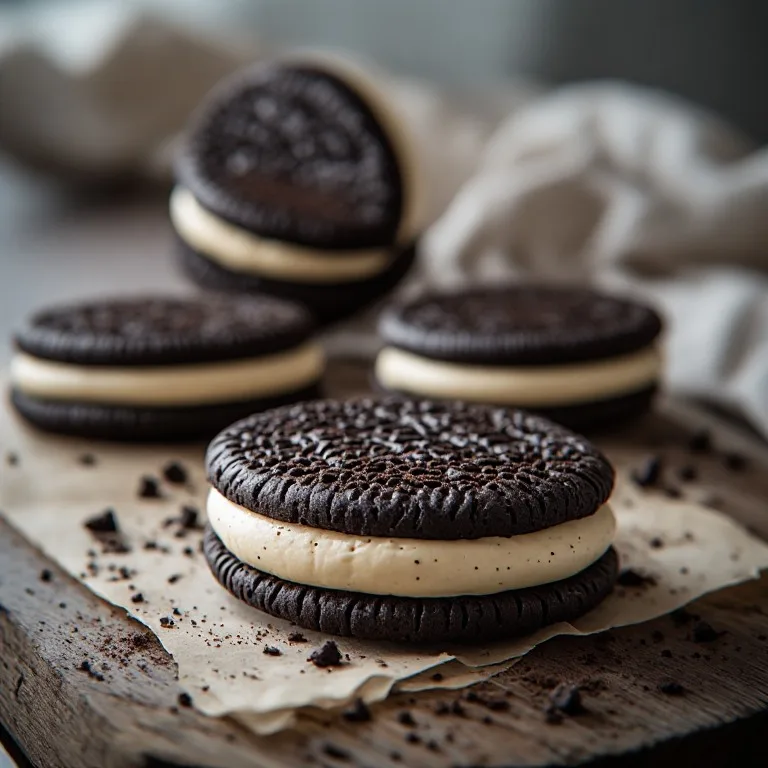
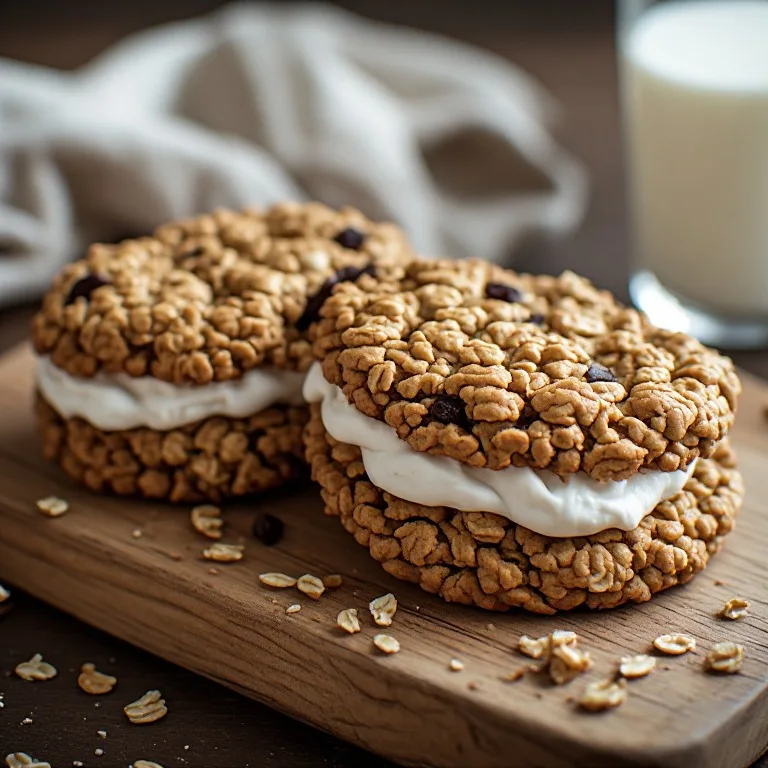
Little Debbie’s Oatmeal Creme Pie is the original lunchbox icon — the soft, dark, chewy oatmeal cookie sandwich with white creme filling that has been on shelves since 1960 and today runs about 37 cents a piece. The homemade version uses real butter in the cookie and the same shortening-plus-marshmallow-fluff filling that gives the original its characteristic texture. The recipe makes 12 sandwiches in under an hour, at a cost of about $8 to $10 in ingredients total — roughly twice what a 12-count box costs at the store ($4 to $5), but with real butter, real molasses, and no artificial preservatives.
The complete recipe is in the recipe card above. What follows covers the three things that actually matter for getting the texture right.
The Underbaking Rule
The single most common mistake with this recipe is pulling the cookies too late. An Oatmeal Creme Pie cookie should be soft and slightly yielding when pressed, not springy and fully set — the same texture as the inside of a just-baked brownie. That texture comes from underbaking.
At 350°F, the cookies are ready at 10 to 11 minutes. At that point the edges will be set and lightly golden, but the centers will look glossy and slightly underdone — as though they need another minute or two. They do not. The cookies continue cooking from the residual heat of the baking sheet for the first 5 minutes after you pull them from the oven. By the time they’re cool enough to handle, the centers will have set completely to that pillowy, chewy texture.
Every oven runs slightly differently. If your first batch comes out crispy after cooling, pull the next batch 1 minute earlier and check again.
Why Molasses + Dark Brown Sugar
Most basic oatmeal cookie recipes use light brown sugar, which has a milder flavor and produces a paler cookie. Little Debbie’s characteristic dark color and the deep, slightly bitter-sweet flavor that distinguishes an Oatmeal Creme Pie from a generic oatmeal drop cookie come from dark brown sugar — which contains roughly twice as much molasses as the light version — plus an additional tablespoon of molasses added directly to the dough.
Dark brown sugar also holds more moisture than light brown or granulated sugar, which keeps the cookie from drying out over the days after baking. This explains part of why Little Debbie’s commercial version stays soft for months inside its sealed wrapper: the ingredient list is engineered around high moisture retention, not just preservatives.
Do not substitute light brown sugar and skip the molasses. The flavor difference is noticeable and the color difference is obvious — the cookies come out the wrong shade of brown.
The Filling: Shortening Is Not Optional
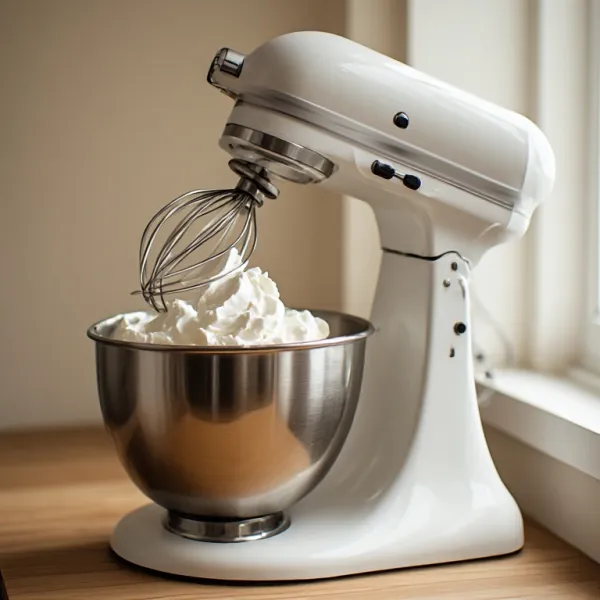
The creme filling in the original Little Debbie is not a standard American buttercream. It is a shortening-based filling with marshmallow creme, sometimes called “Oreo-style creme” by bakers who have reverse-engineered it. The key difference from butter: vegetable shortening has a melting point about 15°F higher than butter, which keeps the filling stiff and white at room temperature without refrigeration.
A filling made entirely from butter works perfectly fine if you plan to eat the sandwiches within a few hours of making them and keep them in a cool kitchen. It will be richer and have more dairy flavor. But it will soften and become greasy in a warm environment and will not hold up at room temperature the way the original does.
The recipe here uses a mix: 3/4 cup shortening for structure and stability, plus 2 tablespoons of real butter for a small amount of dairy richness. The marshmallow fluff lightens the texture and adds a faint vanilla-sweet flavor that is part of what makes the filling taste distinctly like Little Debbie and not like grocery store frosting. Do not skip it or substitute extra powdered sugar.