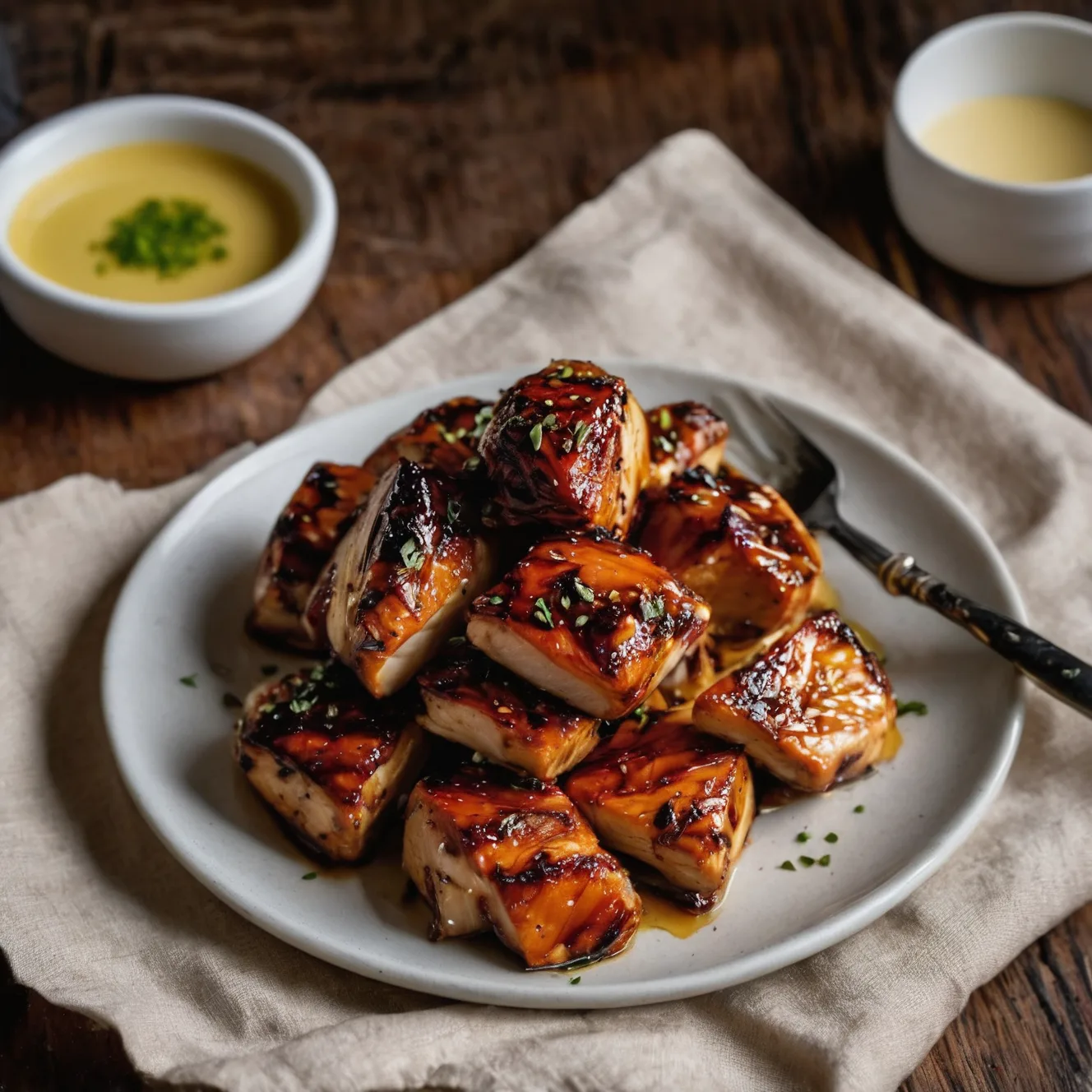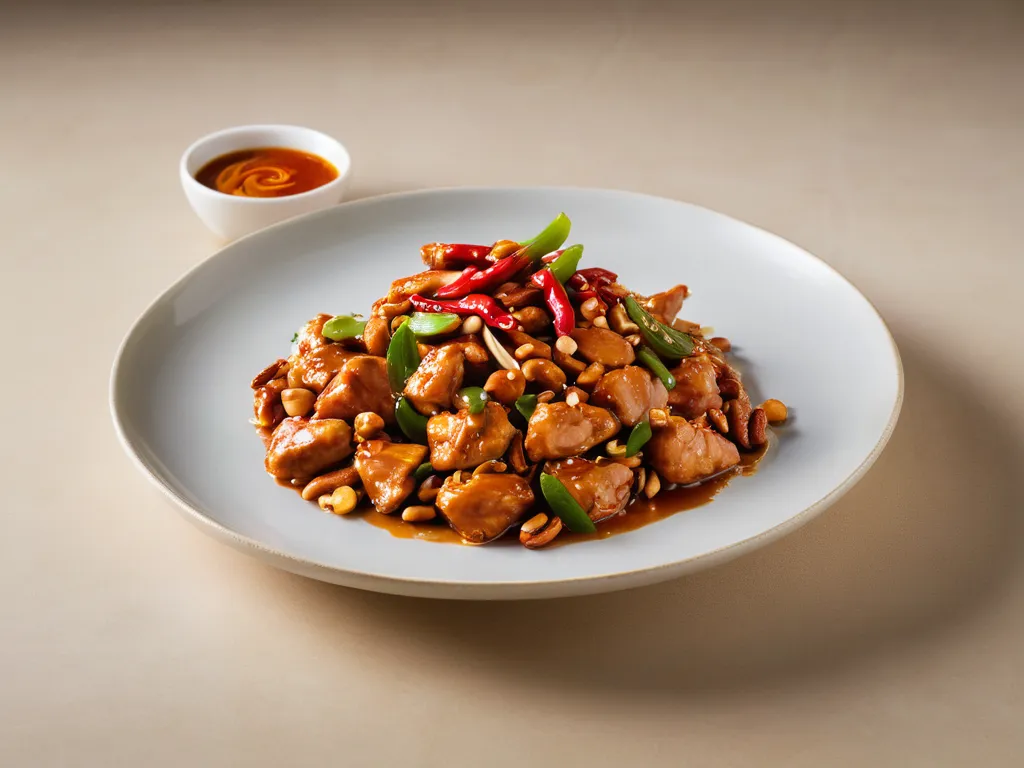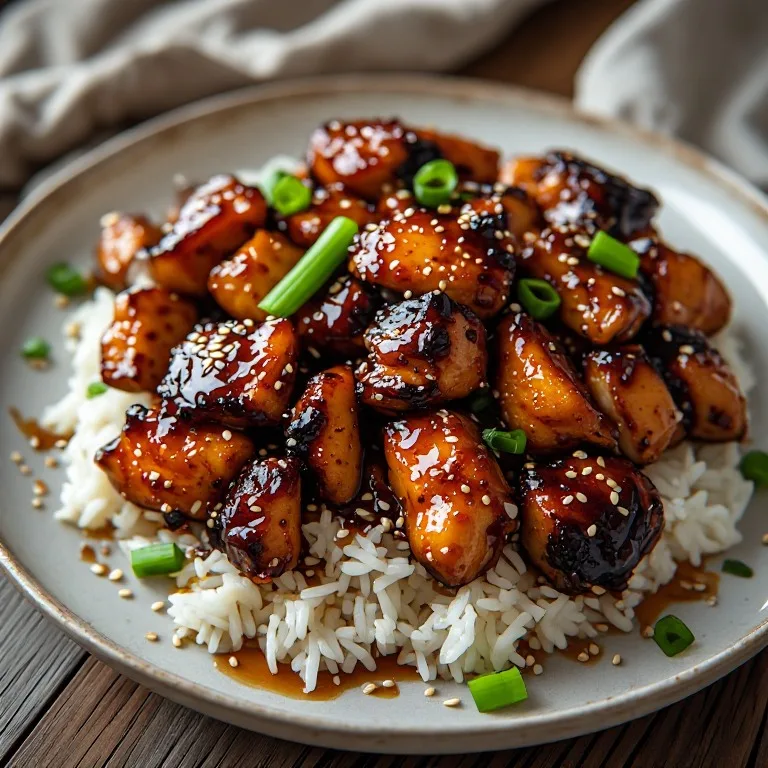



Golden Corral’s Bourbon Street Chicken is the dish people specifically go back to the buffet for. The sweet, dark, sticky glaze clings to every piece of chicken and absorbs into the rice below it — it’s the kind of thing that keeps the plate coming back. This copycat nails the flavor profile with a marinade that does double duty: it seasons the chicken overnight and becomes the pan glaze.
Why Overnight Marinating Is Not Optional
The soy sauce in the marinade acts as a brine, carrying the seasoning past the surface of the meat into the muscle fibers through osmosis. At four hours, you get surface flavor. At eight hours, the flavor goes through. The dark brown sugar and apple juice create a Maillard reaction on the surface during searing that produces the caramelized crust you see on the restaurant version — that crust forms because the sugars in the marinade, not added at the end, are already embedded in the meat surface.
At Golden Corral’s scale, the chicken is almost certainly marinated overnight in large vats before buffet service. The technique isn’t a shortcut — it’s how the dish actually works.
The Sear Is Everything
Most copycat Bourbon Street Chicken recipes skip the proper sear and go straight to simmering in sauce. The result is pale, slightly poached chicken in a loose glaze. Golden Corral’s buffet chicken has a dark, caramelized exterior — that comes from a hot pan and drying the chicken surface before it goes in.
The key: pat the thighs dry before searing. A wet surface produces steam, which drops the pan temperature and produces gray, flabby chicken. A dry surface hits the hot oil and immediately begins browning. The sugars in the marinade accelerate this — they caramelize and slightly char at the edges, producing a complexity that straight teriyaki chicken doesn’t have.
Use a large pan and don’t crowd it. If the thighs overlap even slightly, the steam they produce prevents the crust from forming. Two pounds of thighs should sit in a single layer in a 12-inch skillet; in a smaller pan, sear in two batches rather than one crowded one.
The Sauce Architecture
The Bourbon Street Chicken sauce is in the teriyaki family — soy sauce, sugar, aromatics — but it has more savory depth and less sweetness than restaurant teriyaki. Two things keep it from tipping into candy territory:
- Apple juice instead of sake or mirin. This seems like a substitution, but apple juice is actually more appropriate for this dish. It adds natural acidity (malic acid from the apples) that cuts the brown sugar without adding the sake/mirin flavor profile of Japanese teriyaki. The result tastes closer to a Southern-style barbecue glaze than to Japanese teriyaki.
- Bourbon. Two tablespoons per batch is a small amount and the alcohol cooks off completely, but bourbon adds a vanilla-oak-caramel note that you can’t get from any other single ingredient. It’s the difference between this tasting like a great Asian-inspired glaze and tasting like the specific dish you ate at Golden Corral.
The cornstarch finish takes the sauce from thin and pourable to the glossy, coat-the-chicken consistency of the buffet version. This is what makes leftovers reheat well — a cornstarch-thickened sauce re-glosses with a splash of liquid and 30 seconds of heat rather than breaking or staying watery.
What to Serve With It
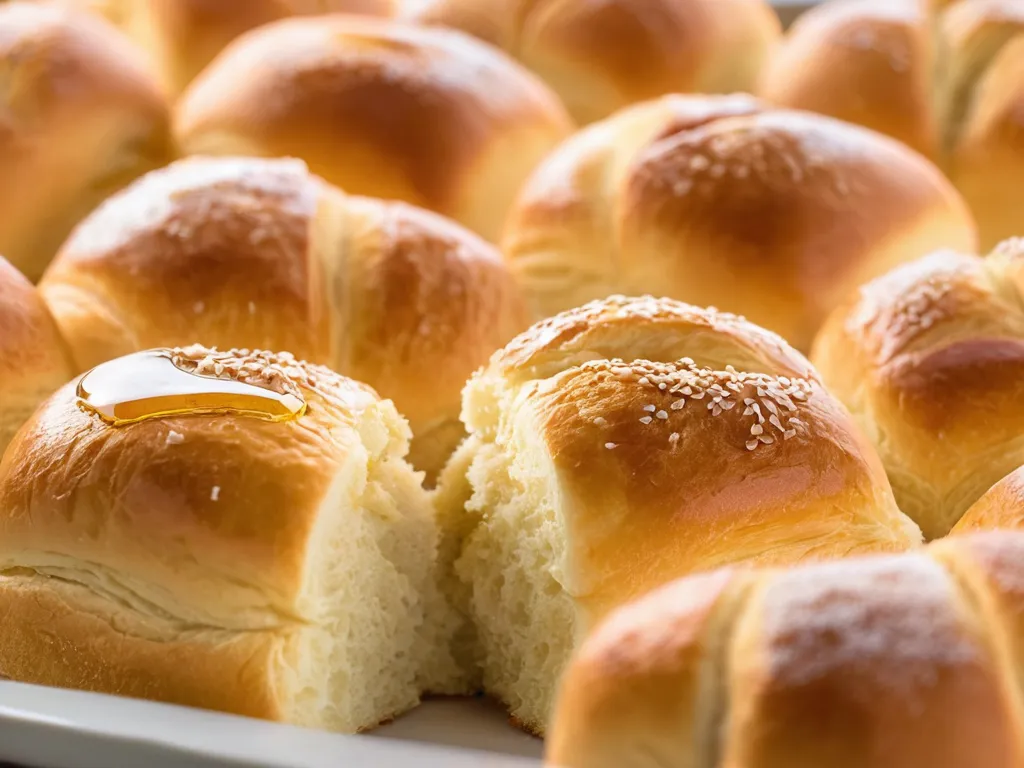
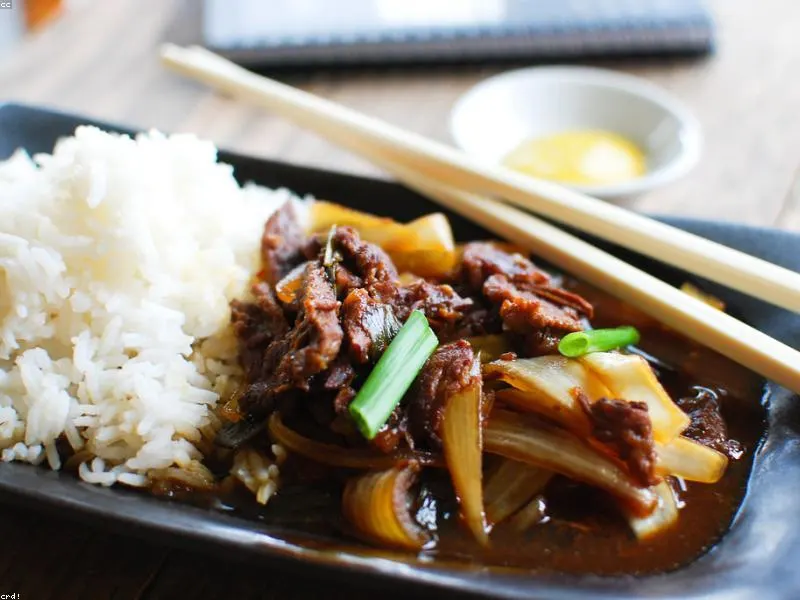
The classic at home is white rice. The sauce absorbs into the rice and the whole plate is unified by the glaze. Golden Corral’s yeast rolls alongside is the full buffet experience in under an hour.
Broccoli is the best vegetable addition — the slight bitterness of broccoli cuts the sweetness of the glaze in a way that green beans or peas don’t. Steam it separately and plate it beside the chicken rather than adding it to the pan; the sauce is dense and will turn the broccoli dark and soft if it cooks in it.
For a complete plate: rice, chicken with glaze spooned over, broccoli, and a yeast roll. That is the Golden Corral experience.