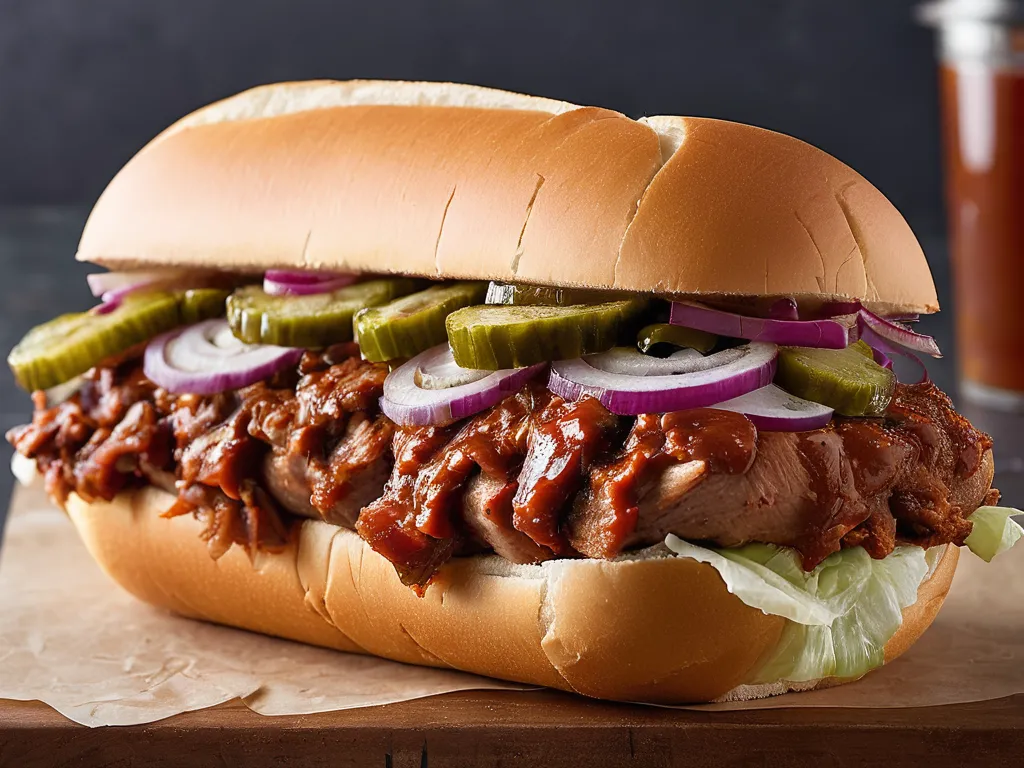
Copycat McDonald’s McRib
TL;DR: Ground pork shoulder, shaped into a rib-rack rectangle, pan-seared, glazed with a smoky-sweet molasses BBQ sauce, and stacked with pickles and white onion on a toasted hoagie roll. 30 minutes start to finish. No app required.
The McRib is a fast food phenomenon less about taste than psychology. McDonald’s introduced it in 1981, quietly pulled it in 1985 after mediocre sales, and then brought it back in 1989 — starting one of the longest-running artificial scarcity campaigns in food marketing history. By the time the “farewell tours” began in 2005, people were mapping McRib availability by zip code and driving to participating locations. McDonald’s billed its 2022 U.S. return as the “Farewell Tour,” and the sandwich has surfaced only sporadically and without a fixed schedule since. But a sandwich this easy to replicate doesn’t need corporate permission.
What Makes the McRib Work
Strip away the nostalgia and you have a straightforward pork sandwich: a ground pork patty in a sweet-smoky BBQ sauce with pickles and onions on a hoagie roll. The elements are simple, but the details matter.
The pork patty is restructured meat — not a pork chop or a pulled-pork pile, but ground pork mixed with salt and water and molded into a uniform shape. McDonald’s uses boneless pork picnic (a shoulder cut) because the fat-to-lean ratio makes the patty hold together and stay juicy at high cooking temperatures. At home, ground pork from the shoulder area does the same job. The mix of salt and ice water extracts binding proteins that hold the patty together through cooking — it’s the same science behind any sausage.
The rib ridges are purely decorative. Those shallow grooves don’t represent actual rib bones. They do, however, create more surface area for browning, which means more crust and more flavor. Press them in with a fork before cooking.
The BBQ sauce is sweet-first, smoke-second. The McDonald’s version leans closer to Kansas City-style than Texas-style — high sugar content, noticeable vinegar tang, and a restrained smoke note. This recipe uses dark molasses and brown sugar for depth and sweetness, white vinegar for the tang, and a combination of liquid smoke and smoked paprika for the smoke layer. Simmer the sauce for five minutes before using it — this is the difference between a flat tasting sauce and one that has integrated, rounded flavor.
The Shape Is the Signature
The McRib looks distinctive because it’s rectangular with ridges — it looks like a rack of ribs if you don’t look too carefully. Getting this at home doesn’t require any special equipment. Form the pork mixture into a rectangle about the width of your hoagie roll and press ridges across it with the back of a fork. The key step is refrigerating the shaped patty for five minutes before cooking. Cold fat browns cleaner than warm fat, and the brief chill helps the binding proteins set so the patty doesn’t fall apart when it hits the pan.
Use a cast-iron skillet if you have one — it retains heat better than a nonstick and produces a deeper brown crust. Do not press down on the patty while it’s cooking. You’re trying to build crust, and pressing squeezes out the rendered fat that would otherwise keep the meat moist.
The Assembly Order Matters
McDonald’s stacks the McRib in a specific order: sauce on the bottom bun, patty, pickles, then onions. The order isn’t random — the pickles sit on top of the patty, where their brine flavors the meat, and the onions go on top of the pickles, where they’re slightly protected from the sauce and stay a bit crisper. Replicate that order. Both the bottom and top buns should have sauce; the sandwich should be generously coated, not just smeared.
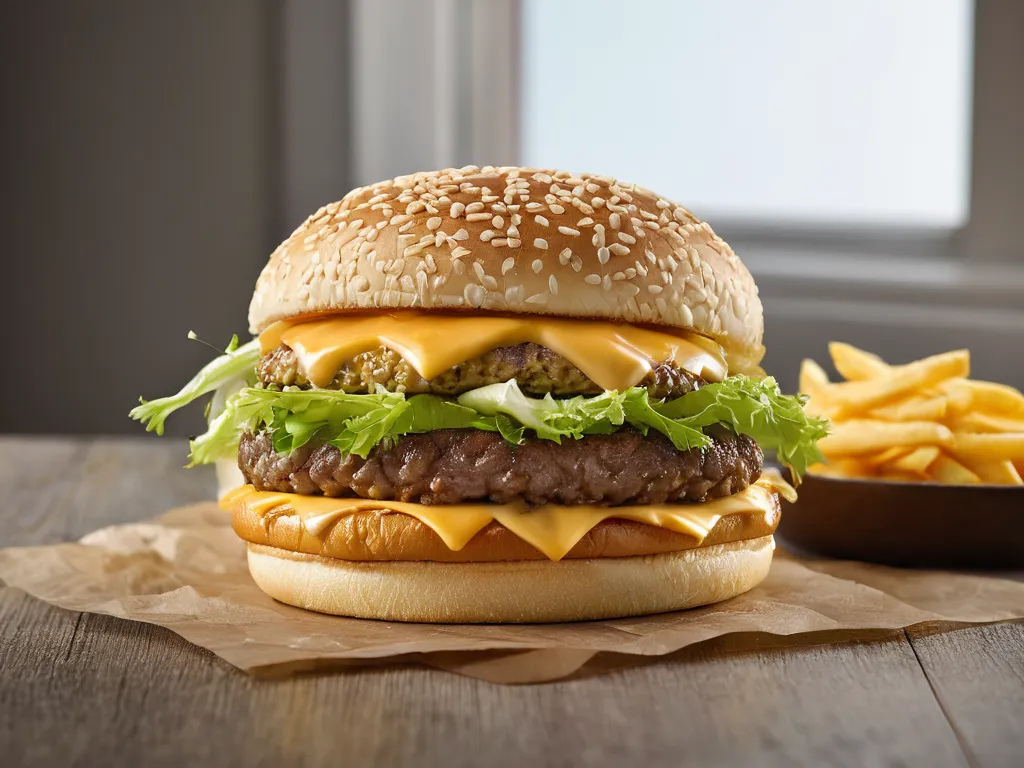
Serve it with copycat McDonald’s fries to complete the combo — the double-fry technique and beef-flavored oil are what make those fries taste right. If you want to add a second sandwich to the lineup, the Big Mac is the other McDonald’s cornerstone worth having in rotation.
Storage and Reheating
Leftover cooked patties refrigerate well for 2 days. Reheat in a skillet over medium-low heat with a splash of water and the pan covered — this keeps the pork moist rather than drying it out. The BBQ sauce reheats fine in the microwave. Do not refrigerate an assembled sandwich; the bun will get soggy. Store components separately.