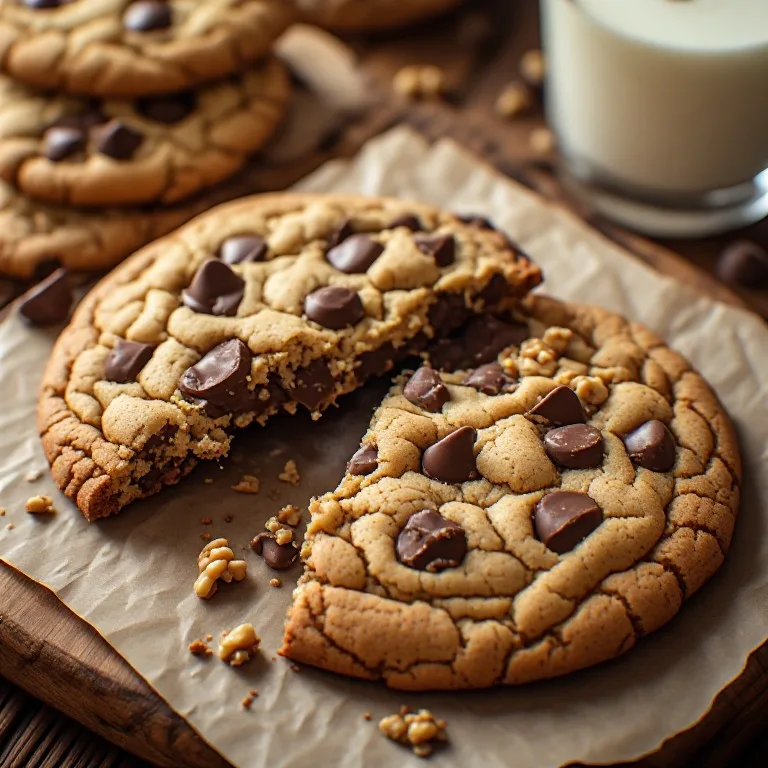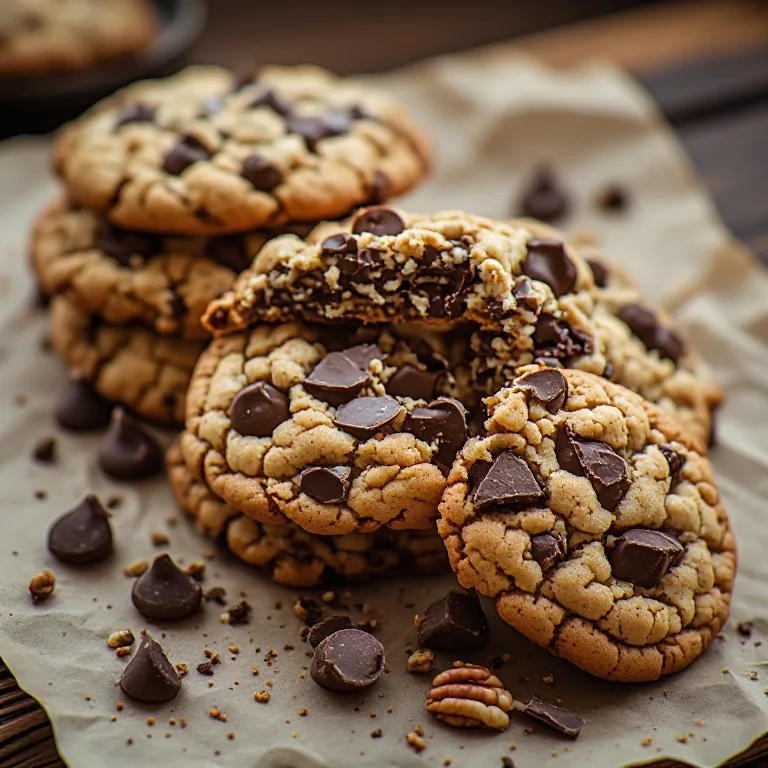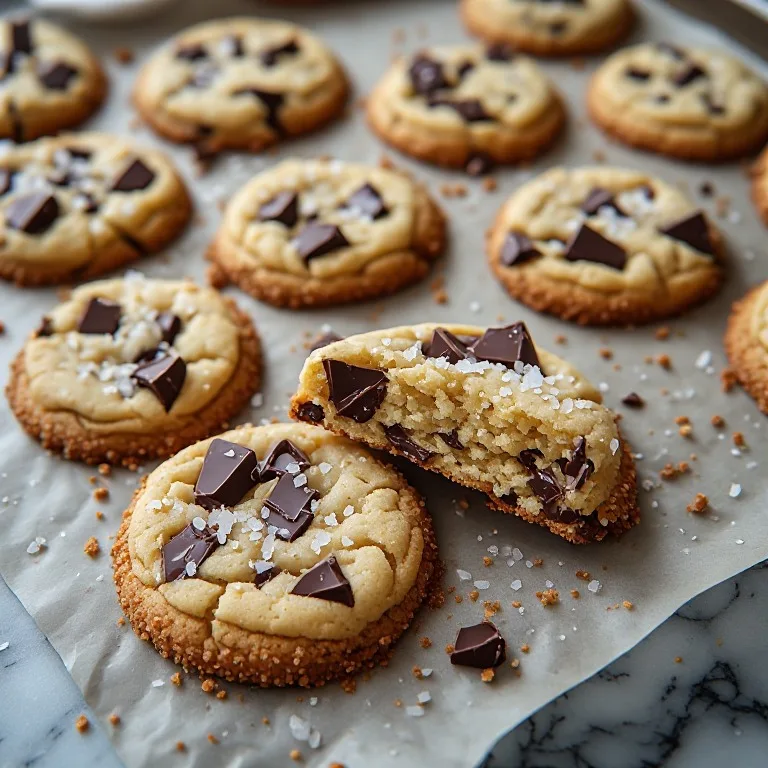
Debbi Fields opened her first cookie shop in Palo Alto, California, in August 1977 — and for the first hour she sold nothing. She walked outside and handed free cookies to passersby. By closing time, the tray was empty. The company eventually grew to more than 650 US retail locations, all built on a single unconventional idea: soft cookies, pulled from the oven before the centers looked done, were better than the crispy ones everyone else was selling.
A home copycat claiming to be the secret recipe spread virally as a chain letter in the 1980s and 1990s. The recipe has no verified connection to the actual commercial formula (which remains proprietary), but the technique it popularized — grinding rolled oats into a flour and blending it with all-purpose flour — produces a cookie that tastes and feels remarkably close to the store product. Forty years of home bakers have arrived at the same conclusion. (The same chain letter mutated into the famous Neiman Marcus “$250” cookie, which uses the identical ground-oats trick plus a grated chocolate bar — the two recipes are cousins.)
| Mrs. Fields store | This recipe | |
|---|---|---|
| Yield | 6-count box | 48 cookies |
| Cost | ~$12–14 per 6 cookies | ~$12 total |
| Texture | Soft center, crisp edge | Identical with proper underbaking |
| Key technique | Proprietary | Ground oats + underbake |
| Bake time | — | 10–12 min at 375°F |
Why ground oats work
All-purpose flour is about 10–12% protein. That protein forms gluten when it gets wet and worked, which builds structure but also chew and toughness. Old-fashioned rolled oats, when ground fine, create an oat flour that’s lower in protein, higher in soluble starch (beta-glucan), and more absorbent. In a cookie dough, this means less gluten development, more moisture retention, and a denser, richer crumb — the interior texture that distinguishes a Mrs. Fields cookie from a Toll House one.
The ground oat flour also contributes a faint nuttiness that disappears behind the chocolate and brown sugar but adds a subliminal depth that straight AP flour can’t match.
The underbaking rule
A cookie that looks done in the oven is overcooked once it cools. The moment you pull the tray from the oven, the cookies are still at 200°F+ in the center. Over the next 5 minutes on the hot parchment, carryover heat raises the interior another 5–10°F, firms the egg proteins, and sets the structure — all without the drying effect of another minute under the heating element.
Pull the cookies when:
- The edges are golden, set, and no longer shiny
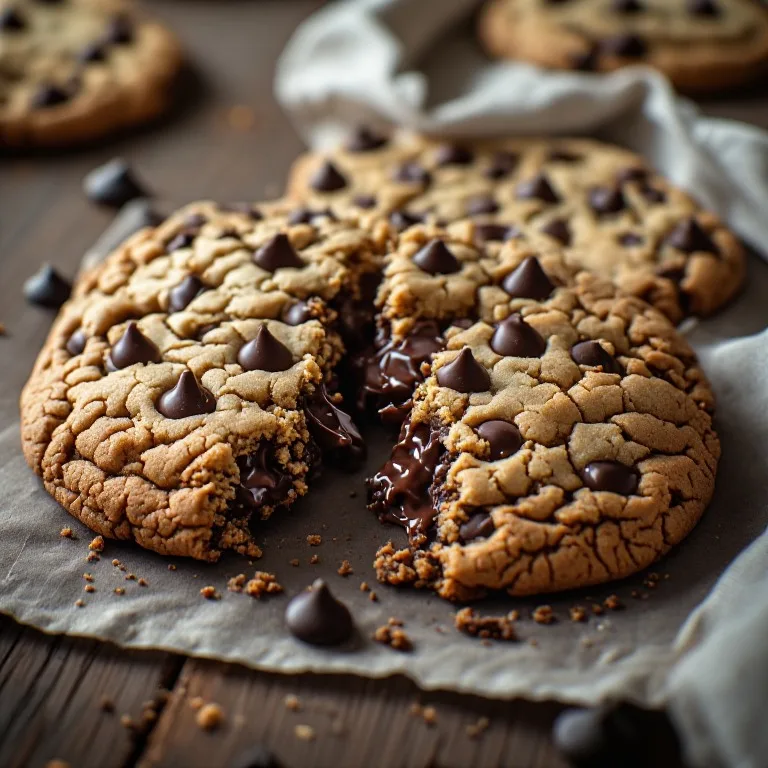
- The centers still look pale, glossy, and slightly raw-looking
- The tops have a few small cracks but the surface still has give
They will look undercooked when you pull them. Leave them on the parchment on a wire rack for 5 minutes. Then test one: the center should be soft and slightly fudgy but not raw or wet. That is the correct result.
This underbake-and-rest rule is the single most transferable skill in chocolate chip cookie baking — it’s the same move behind the warm, soft DoubleTree hotel cookie and the gooey-centered Levain-style thick cookie. Learn to read the glossy center once and you can bake any of them.
Making the dough ahead
The dough improves with rest. Refrigerating it for 24–72 hours allows the flour and oats to fully hydrate and the sugars to begin fermenting slightly, which produces a deeper, more caramelized flavor during baking. Portion the dough into balls first, cover the sheet with plastic wrap, and refrigerate. Bake straight from cold — just add 1–2 minutes to the baking time. Frozen dough balls bake directly from the freezer at 375°F in 13–15 minutes.