
Pin It

Nordstrom Café Tomato Basil Soup

Nordstrom Café Tomato Basil Soup
Jump to Recipe
Prep 15 min Cook 35 min Serves 8
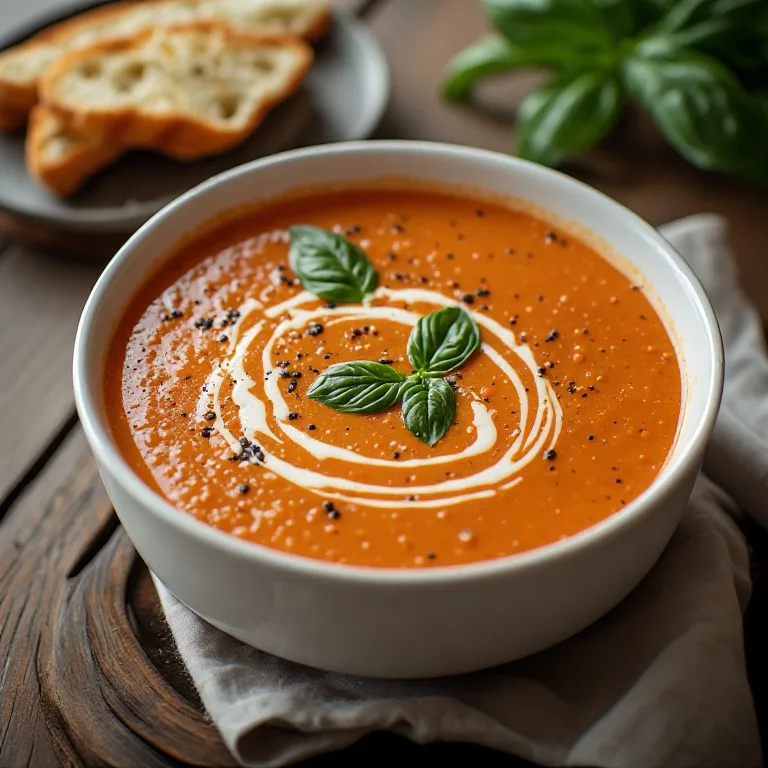
Quick answer: The Nordstrom Café tomato basil soup starts with ½ cup of olive oil — more than you think — and 8 ounces each of finely chopped yellow onion and carrots. Cook them down together for 8 to 10 minutes until very soft. The carrots are the signature move: they dissolve into the soup and replace any added sugar, giving the bisque its characteristic gentle sweetness without tasting sweet. Add 2 teaspoons dried basil, two 28-ounce cans of plum tomatoes with their juice, and 1 quart of vegetable stock. Simmer 25 minutes. Blend completely smooth — the smoothness is non-negotiable; a silky texture is what makes this a bisque and not a chunky soup. Return to the pot, stir in 2 cups of heavy cream, and cook just until heated through. Taste for salt. Finish with a few torn fresh basil leaves. Total time: under an hour, serves 8.

Nordstrom Café Tomato Basil Soup

Nordstrom Café's legendary tomato basil soup — the one shoppers plan lunch around — made at home. The secret is a full 8 ounces of finely chopped carrots cooked into the base, which sweetens and thickens the soup without sugar. Authentic bistro recipe, verified against the version Nordstrom released to the press.

Easy Prep: 15 min Cook: 35 min Total: 50 min8 servings ~$3.50/serving
Prep15 min
Cook35 min
Total50 min
Servings
8
At home~$3.50/serving
vs
Restaurant~$15.75/serving
You save ~78%

The Story Behind the Recipe

Nordstrom Café — called "Café Bistro" on its menus — opened at Westlake Center in Seattle in 1990 as a place for shoppers to pause between floors. Within a few years, the tomato basil soup had eclipsed everything else on the menu. Regulars reported scheduling shopping trips specifically around a bowl at the café counter, and by the mid-1990s the soup had developed a reputation that spread beyond Seattle: food writers called it one of the best tomato soups in the country, and home cooks begged for the recipe in letters to newspapers. Nordstrom eventually shared the recipe with the Seattle Times in the early 2000s, and it spread from there.

The recipe is deceptively simple — eight ingredients — but the ratios are precise. A cup of heavy cream in a home cook's tomato soup is ordinary; two cups in a relatively small pot is a commitment. The olive oil starts at a half-cup, which is restaurant-sized. And the carrots — 8 ounces of them, as much as the onion — are the move most home recipes either skip or halve, then wonder why theirs tastes flat. At a Nordstrom Café, a cup of this soup costs $9 to $12 depending on location. A full pot at home costs roughly $16 and feeds eight.

Nutrition Facts

Per serving (8 servings)
Calories385
Total Fat35g
Total Carbs16g
Dietary Fiber3g
Sugars8g
Protein4g
Sodium720mg

* Estimated values based on standard recipe preparation. Actual values may vary.

Ingredients

Instructions

💡
Pro tip: This recipe tastes even better the next day. The flavors need time to meld together in the fridge.
❄️
Storage: Keeps in an airtight container in the fridge for up to 2 weeks. Freezer-friendly for up to 3 months.
🎃 Free Halloween cookbook — download now The Copycat Halloween Cookbook A ready-made, photo-illustrated PDF of our best halloween copycat recipes — free to download, no building required. Pay what you want to support if you love it.

Free PDF — instant download. We'll also send new seasonal copycat recipes now and then; unsubscribe anytime. Or just download it →

Nordstrom Café’s tomato basil soup is one of those rare restaurant dishes people return to specifically for the soup — scheduling shopping trips around a bowl at the counter. The recipe, which Nordstrom shared with the Seattle press in the early 2000s, turns out to be eight ingredients and under an hour. The version that actually tastes like the Café version depends on two things: using a full ½ cup of olive oil and a full 8 ounces of finely chopped carrots, both more than most home recipes call for.

What Makes This Soup Different

Most tomato soups reach for a pinch of sugar to balance the acid in canned tomatoes. The Nordstrom recipe uses carrots instead — 8 full ounces, equal in weight to the onion. They cook down completely in the olive oil during the first 10 minutes, then simmer with the tomatoes for another 25. By the time you blend, the carrots have dissolved into the soup. You don’t taste carrots in the bowl; you taste a tomato bisque that is noticeably sweeter and more rounded than any version you’ve made before.

The second unusual element is volume. The olive oil starts at ½ cup. The heavy cream ends at 2 full cups. These are restaurant quantities — the kind of ratios that explain why a bowl at the café tastes richer than what comes out of a can at home. Cut either by half and the soup is still good; it just no longer tastes exactly like Nordstrom’s.

The Technique That Matters

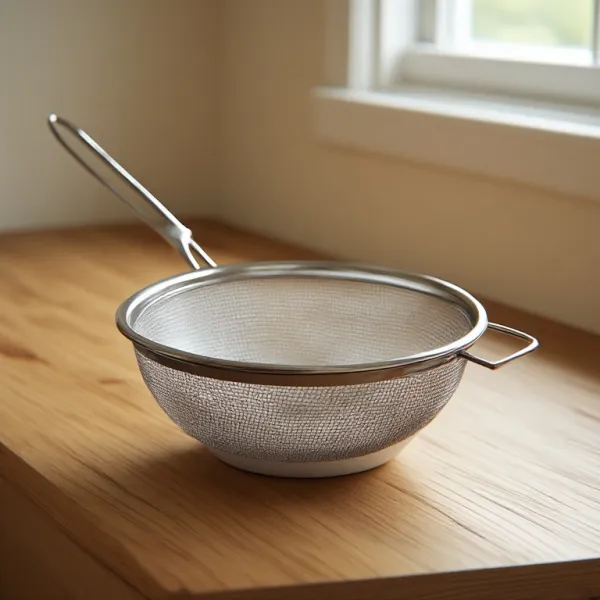
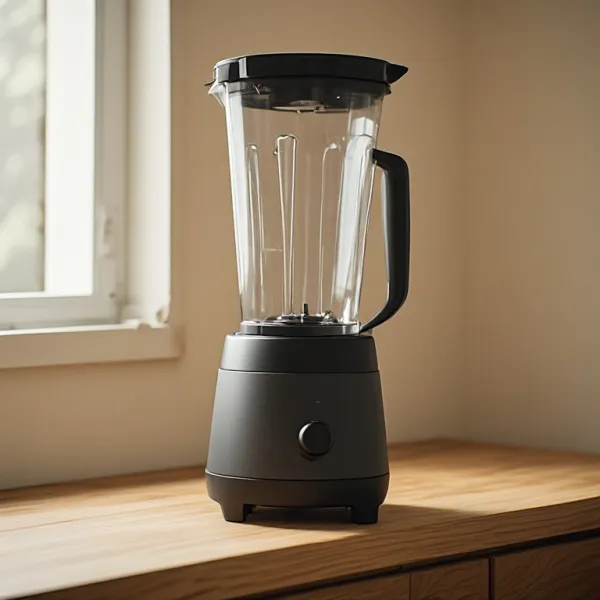
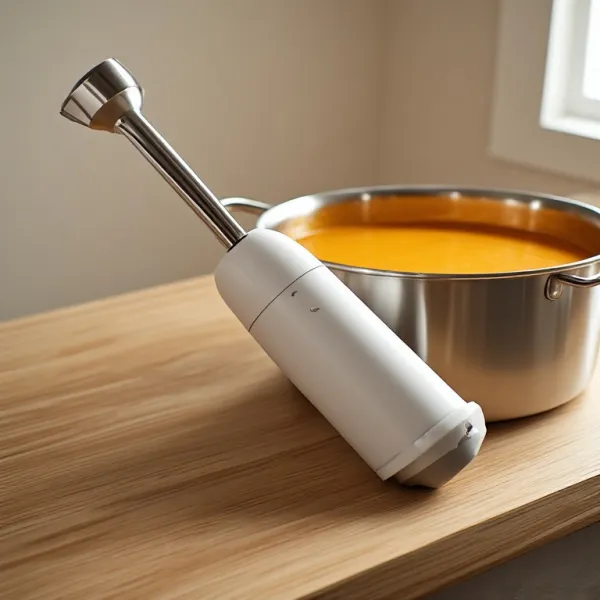
Blend completely, not mostly. The silky, bisque-level texture is inseparable from the soup’s identity. Under-blended soup has a pleasant rustic quality, but it’s a different dish. If you have a standard countertop blender, run it on high for a full 60 seconds per batch. If you’re using an immersion blender, plan for 3 to 4 minutes of continuous blending, moving it in slow circles. For the closest match to what the Café kitchen produces, pass the blended soup through a fine-mesh strainer using a ladle to press the solids through — this step removes any remaining vegetable fibers and produces the smooth, velvet-textured result that distinguishes a bisque from a blended soup.

Two Basils, Two Moments

The recipe uses dried basil while the soup cooks and fresh basil only at the end. The dried basil — 2 teaspoons, briefly toasted in the olive oil with the vegetables — infuses the entire base with a deep, almost savory herb flavor over 25 minutes of simmering. The fresh basil is a garnish, not a flavor driver. This is the opposite of the usual advice to add fresh herbs at the last minute for brightness; here, the fresh leaves are mostly visual. Skip the dried basil and you get a flat tomato cream soup. Skip the fresh basil garnish and you lose a nice finishing note, but the soup’s character is intact.

Serving

The Nordstrom Café serves this soup with Parmesan-garlic crostini: baguette slices brushed with olive oil, rubbed with garlic, topped with shaved Parmesan, broiled until golden. A grilled white cheddar sandwich on sourdough is the most popular home pairing. The soup is rich enough to serve as a main course in medium bowls; in smaller portions it makes an elegant first course for 10 to 12 people from this recipe.

🥗

Make It Healthier

Love Nordstrom Café Tomato Basil Soup but want a lighter version? Try these simple swaps:

  • ✓Substitute half-and-half for heavy cream to cut roughly 120 calories and 14g fat per serving while keeping the soup creamy
  • ✓Reduce olive oil to ¼ cup (down from ½ cup) — the soup will be slightly less rich but the flavor is largely unchanged
  • ✓Use low-sodium vegetable stock and no-salt-added canned tomatoes, then season at the end — reduces sodium by roughly 200mg per serving
  • ✓Swap heavy cream for full-fat coconut cream for a dairy-free version with a subtle natural sweetness that complements the carrots

Frequently Asked Questions

What is Nordstrom Café and why is this soup so famous?

Nordstrom Café — officially 'Café Bistro' — operates inside Nordstrom department stores across the United States. The first café opened at Westlake Center in Seattle in 1990. The tomato basil soup became the Café's signature item within a few years of opening: shoppers started planning lunch stops specifically around it, and food writers included it on lists of the best tomato soups in the country. The recipe was eventually shared by Nordstrom with the Seattle Times, which published it and sent it into wide circulation. Its reputation comes from an unusual set of ratios — more olive oil, more cream, and more carrots than any comparable home-cook tomato soup — that give it a depth and smoothness most tomato soups never reach.

Why does the recipe use so many carrots? What do they actually do?

The 8 ounces of carrots — equal in weight to the onion — serve two functions. First, they add sweetness. Raw plum tomatoes from a can are acidic; adding sugar directly produces a flat, candied taste, while carrots introduce sweetness as a complex flavor note rather than a simple sweetener. Second, the carrots add body: they break down during the simmer and puree into the soup, contributing a subtle starchy thickness that cream alone doesn't provide. The result is a soup that is both sweeter and more substantial than a standard tomato bisque, without tasting like carrots. If you halve the carrots, you'll notice the difference immediately — the soup tastes thinner and sharper.

Dried basil or fresh basil — which one is correct?

Both, at different stages. The authentic Nordstrom recipe uses 2 teaspoons of dried basil added to the vegetables while the soup simmers — dried basil infuses the entire broth over 25 to 30 minutes of cooking and creates the soup's baseline flavor. Fresh basil is used only at the end, torn over the finished soup as a garnish. This is the opposite of what you might expect: fresh herbs are usually added at the end for brightness, but here the fresh basil is really a garnish, not a flavor driver. Using only fresh basil (and adding it to the pot) produces a lighter, more herbal flavor that doesn't match the deep, almost savory basil note in the original. Don't swap them; use both.

Can I make this lighter or dairy-free?

For a lighter version, substitute half-and-half for heavy cream — the soup will still be rich but will have roughly 30% fewer calories per serving. You can also reduce the olive oil from ½ cup to ¼ cup without losing the essential character, though the mouthfeel is slightly less silky. For dairy-free, full-fat coconut cream (the thick cream from a chilled can) is the best substitute — it blends smooth and adds its own gentle sweetness that complements the carrots. Oat cream also works. Avoid cashew cream unless you blend it very thoroughly; undissolved cashew pieces turn grainy in a tomato base.

How do I get the right smooth, silky texture?

Blend thoroughly and in batches if using a standard blender — do not rush this step. The soup needs to be completely smooth, not 'mostly smooth.' For a blender: let the soup cool slightly (10 minutes off heat), fill the blender no more than halfway, hold the lid down with a folded towel, and run on high for at least 60 seconds per batch. An immersion blender works but requires 3 to 4 minutes of continuous blending to reach the right texture; move it in slow circles from the bottom up. For the smoothest possible result, pass the blended soup through a fine-mesh strainer using a ladle to press the solids through — this is what the café kitchen does. It adds 5 minutes and makes a noticeable difference.

Can I use fresh tomatoes instead of canned?

Canned plum tomatoes (Italian-style, packed in juice) are strongly preferred for this recipe. Fresh tomatoes are seasonal, have highly variable sugar and acid content, and require peeling and seeding to avoid bitterness from the skins. San Marzano tomatoes — the Italian DOP-certified variety — are the gold standard for canned tomatoes in a soup like this: they are lower in acid, sweeter, and more flesh-dense than standard canned tomatoes. Look for the 'San Marzano D.O.P.' certification on the can. Standard grocery-store canned plum tomatoes (Hunt's, Muir Glen, etc.) work perfectly well, though the flavor will be slightly less complex. Two 28-ounce cans is the correct amount — 56 ounces total.

How long does it keep and how do I reheat it?

The soup keeps refrigerated for up to 5 days in an airtight container. It freezes well for up to 3 months — freeze before adding the cream if you want maximum flexibility, then stir in the cream when reheating. To reheat from the refrigerator: warm over medium-low heat in a saucepan, stirring occasionally, until just steaming. Do not boil after the cream has been added — boiling can cause the cream to separate and thin the soup. From frozen (without cream): defrost in the refrigerator overnight, reheat over medium heat, then add warm cream and cook 3 minutes. From frozen (with cream): defrost completely, then reheat very gently over low heat.

What should I serve with this soup?

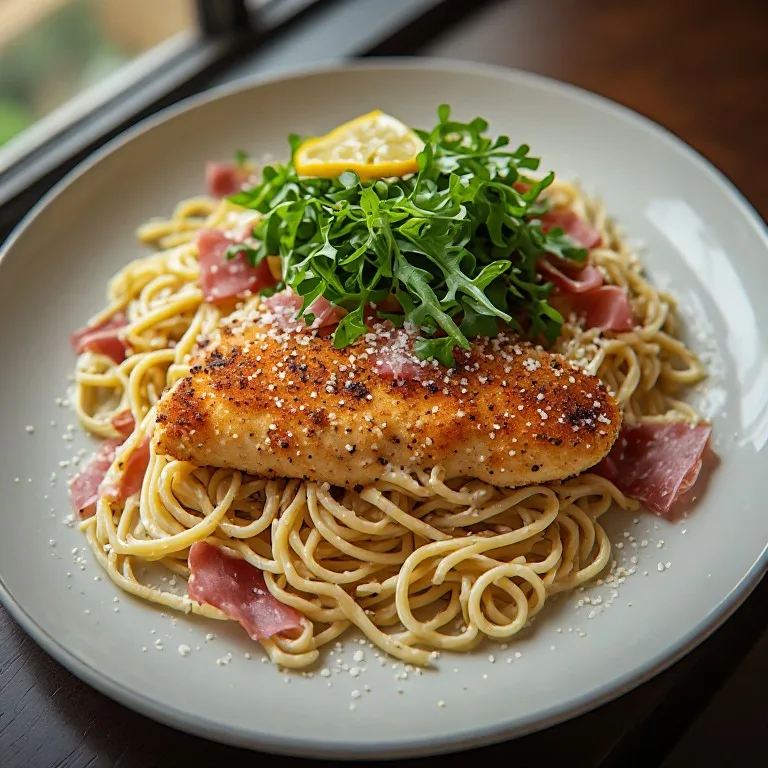
The Nordstrom Café traditionally serves this soup with Parmesan-garlic crostini: brush thick slices of a baguette with olive oil, rub with a cut garlic clove, top with shaved or grated Parmesan, and broil until golden. A grilled cheese sandwich (white cheddar on sourdough) is the most popular pairing outside the restaurant. For a lighter option, serve with crusty bread for dipping or a simple arugula salad with lemon vinaigrette. The soup is rich enough that it functions as a main course with a medium-sized bowl; as a starter, ½-cup portions work for 10 to 12 people from this recipe.

Can I make this in a slow cooker?

Yes, with a modification. Cook the onions and carrots with the olive oil and dried basil in a skillet on the stovetop first (8 to 10 minutes until soft), then transfer to the slow cooker with the tomatoes and stock. Cook on LOW for 6 to 8 hours or HIGH for 3 to 4 hours. Blend smooth, return to the slow cooker on WARM, stir in the heavy cream, and heat for 20 minutes before serving. Skipping the stovetop sauté step and just dumping raw vegetables into the slow cooker produces a less developed flavor — the light caramelization of onion and carrot in olive oil is what builds the soup's baseline depth.

Love this recipe? Share it!

Free PDF: our 12 most-wanted copycat recipes — instant download.

Made it? Buy us a coffee

Every recipe here is free, with no paywalls. If this one was a hit at your table, a small tip keeps new copycats coming.

$

Nordstrom Café is a trademark of its owner, used here only to describe the dish this recipe recreates. This is an independent copycat written in our own words — Copycat Spices is not affiliated with, endorsed by or sponsored by Nordstrom Café.

Ratings & Reviews

—
No ratings yet

Rate this recipe

Click a star to rate

Leave a Review

0/500

CS

Copycat Spices Editorial

Researched + fact-checked. Every recipe on Copycat Spices is built from published sources — official ingredient lists, brand-published recipes, interviews and food-science references — and fact-checked before it goes live, then written as clear, step-by-step instructions for home cooks of all skill levels.

Learn more about our mission →