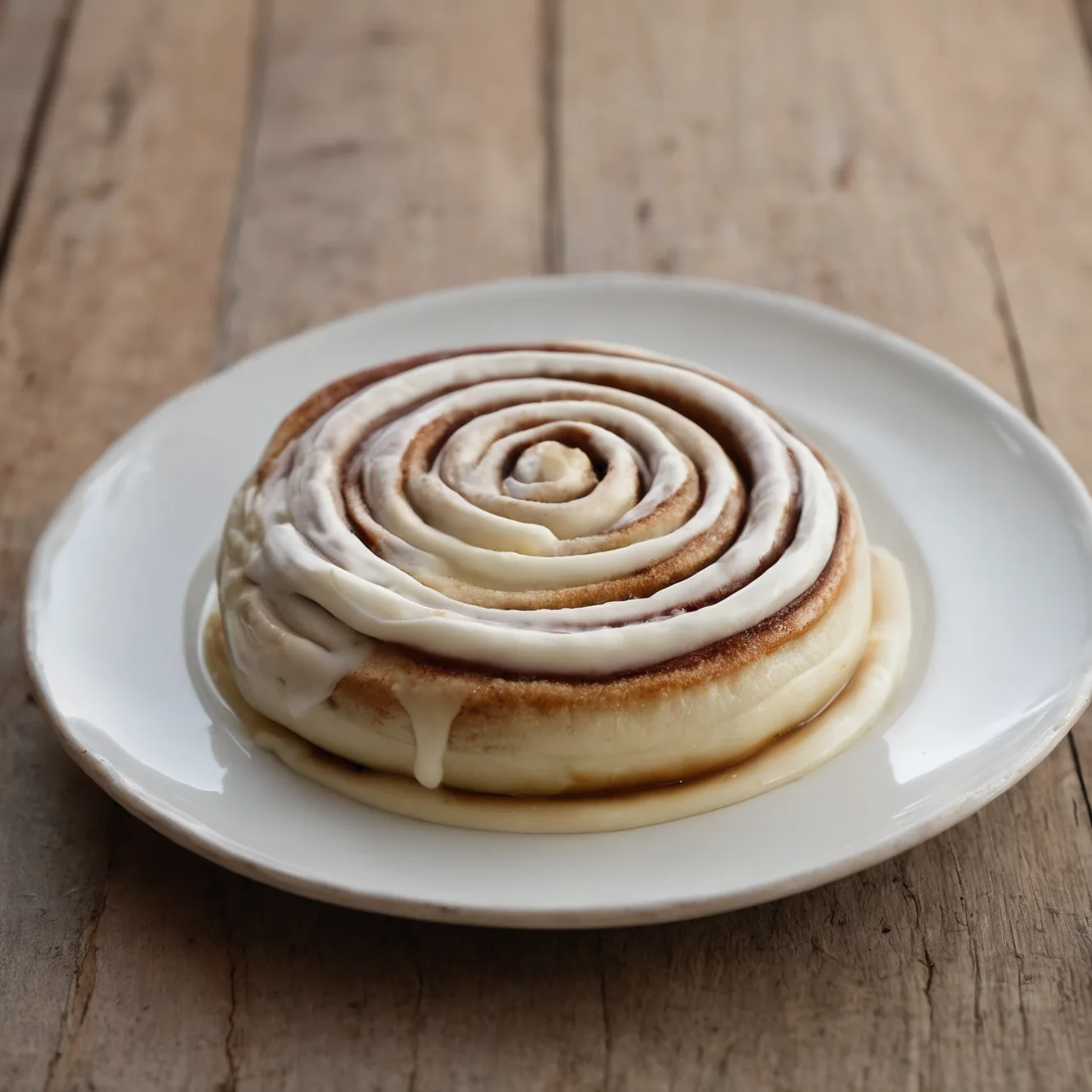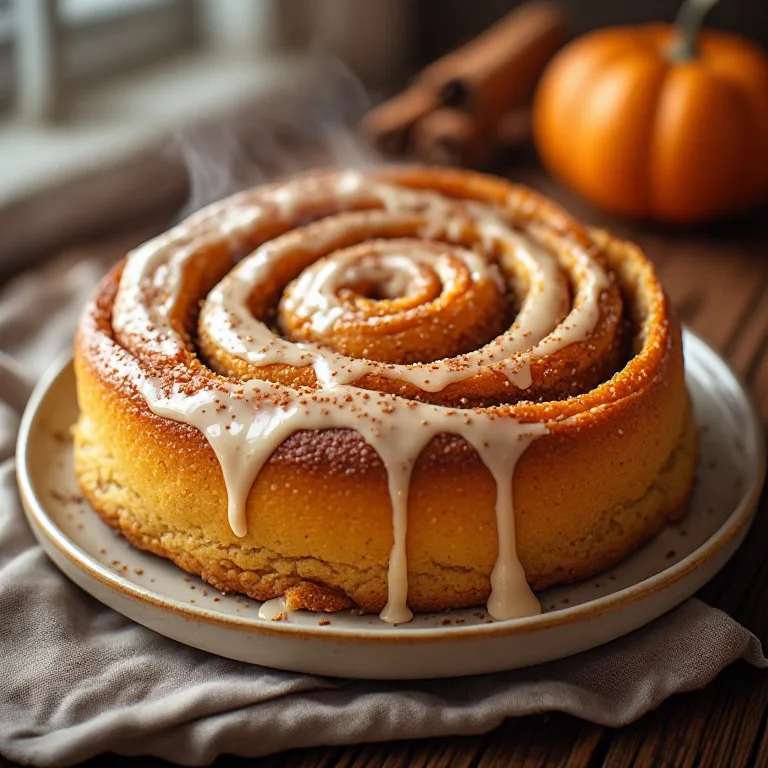

Panera launched the Pumpkin Cinnamon Roll on August 19, 2026, as part of its new fall bakery lineup, alongside a Caramel Pumpkin Slice and the returning Pumpkin Spice Latte. Panera describes it simply: sweet dough stuffed with cinnamon and pumpkin filling, topped with pumpkin spice icing. What made it stand out to early reviewers was one thing they kept noticing — the clove. Not just “warm” or “spiced,” but specifically clove, the aromatic that gives pumpkin pie its signature depth. Most chain pumpkin baked goods lean on a generic pumpkin pie spice that keeps the clove in the background; tasters found Panera’s version brings it forward.
At $4.99 a roll, it’s a bakery-priced treat. A batch of 12 at home costs about $14 in ingredients — $1.25 per roll with the same soft enriched dough, the same orange-swirled filling, and a drippy cream cheese icing that seeps into the spirals instead of sitting as a thick cap on top.
What Makes This Different From a Generic Pumpkin Cinnamon Roll
Most pumpkin cinnamon roll recipes add pumpkin puree only to the filling. This recipe adds it to the dough as well — 1/4 cup of pure pumpkin goes into the enriched dough base, giving the roll a subtle orange tint throughout and a pumpkin flavor in every bite, not just the center spiral.
The filling’s spice ratio is calibrated to match Panera’s clove-forward profile: a 4:1 ratio of cinnamon to cloves. Standard pumpkin pie spice runs about 8:1 or 10:1 cinnamon-to-clove. The higher clove proportion is what makes the roll smell distinctly warm and bakery-forward rather than generic pumpkin-spiced.
The icing is deliberately thin. Panera’s roll comes with what reviewers describe as “drippy” and “liberal” icing — it’s a poured consistency that flows between the spirals while the roll is warm, not a thick frosting applied with a spatula. Cream cheese stabilizes the structure; pumpkin puree adds color and flavor; powdered sugar and milk thin it to the right drip viscosity.
The Butter Barrier Step
The most important step most copycat recipes skip: spread softened butter on the dough before you add the pumpkin filling. Pumpkin puree is wet. When spread directly onto dough, it begins absorbing into the surface during the second rise, soaking the layers and making the interior gummy and the filling prone to pushing out during baking.
Spreading softened (not melted — melted butter runs off) butter first creates a fat layer that slows moisture absorption and keeps the pumpkin filling in the roll rather than in the dough. It also helps each spiral separate cleanly when you cut the baked roll. The extra tablespoon of fat adds flavor and is worth including.
Make-Ahead Notes
These rolls are excellent candidates for an overnight prep. After the rolling and cutting step, arrange the rolls in the parchment-lined pan, cover tightly with plastic wrap, and refrigerate for up to 14 hours. The next morning, pull them from the fridge and let them rest at room temperature for a full 60 minutes before baking — skipping this rest produces unevenly baked rolls with cold centers.
The slow cold rise gives the yeast time to develop organic acids in the dough, adding a subtle complexity that same-day rolls don’t have. Bake fresh and make the icing while the rolls cool; the warm rolls accept the icing better than rolls that have sat for an hour.
For planned-ahead occasions (holidays, brunch), pre-baked unfrosted rolls freeze well for up to two months. Thaw at room temperature, warm in a 300°F oven for 8 minutes, and ice fresh.