
The most famous cinnamon rolls in America didn’t come from a bakery. They came from a cattle ranch near Pawhuska, Oklahoma, and a blog called The Pioneer Woman.
Why This Recipe Makes Seven Pans
Every well-known cinnamon roll recipe scales to a reasonable home batch — one 9×13 pan, maybe two. Ree Drummond’s recipe makes seven round pans — roughly 40 to 50 rolls in all. That is not a mistake or an oversight. It’s the whole philosophy: Ree grew up in a community where neighbors brought neighbors food, and she built her reputation by making enough rolls to give to everyone — the ranch hands, her children’s teachers, the family next door.
The recipe from her 2009 cookbook “The Pioneer Woman Cooks” is exactly what she posted on her blog in the early days, scaled to fill a ranch. At roughly 30 to 40 cents per roll to make at home (versus $5.50 at Cinnabon), the math of giving them away is easy to justify.
If you only want one pan, see the FAQ below for scaling. But once you’ve made the full batch, you’ll understand why the generous version is the right one.
Three Things Most Recipes Get Wrong
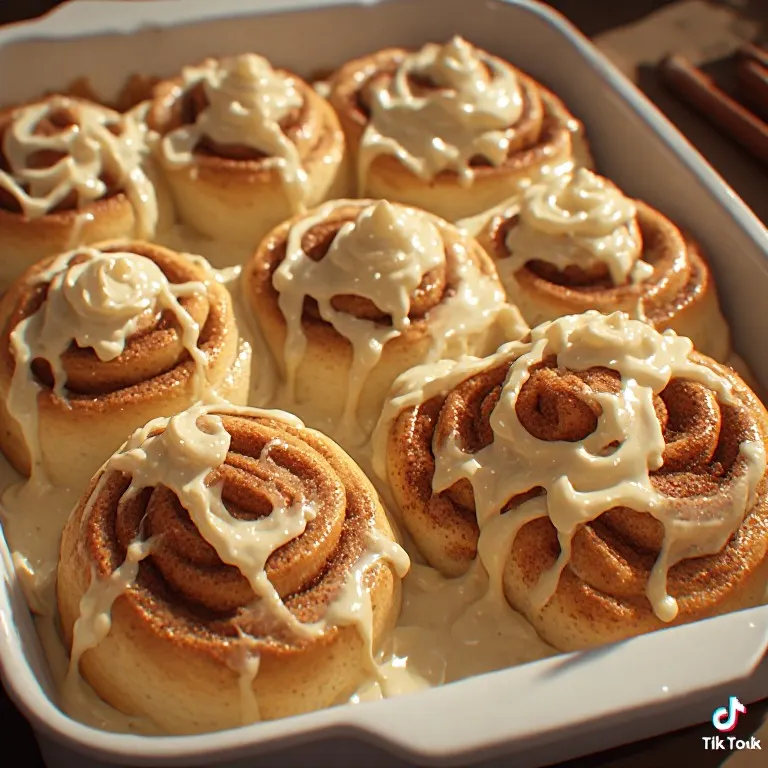
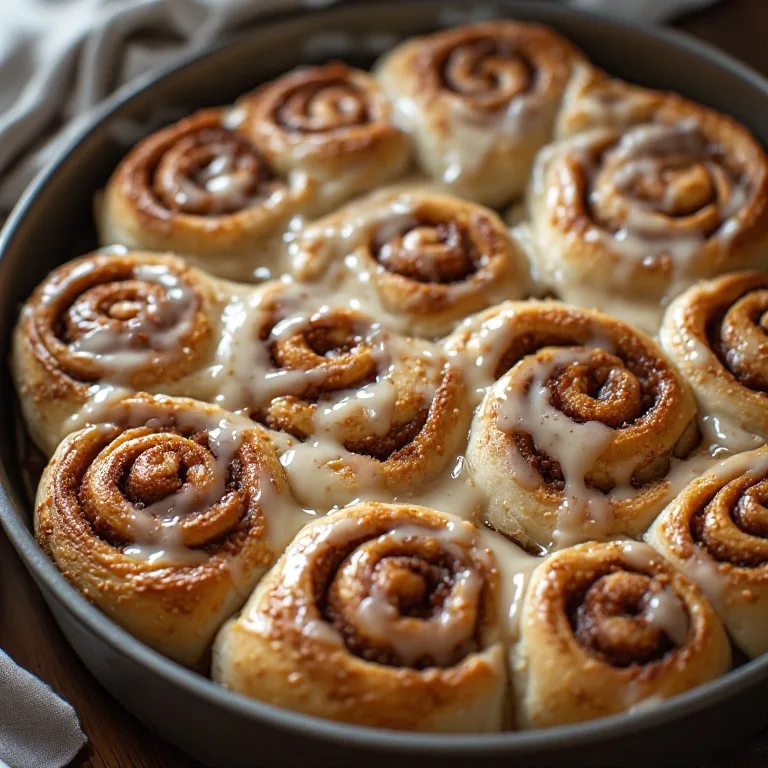
1. They ice the rolls after they’ve cooled. Ree’s glaze is not a frosting — it’s intentionally thin and pourable. It belongs on HOT rolls, fresh from the oven, so it soaks down into every crevice and melds with the buttery layers. Waiting even 10 minutes means the glaze sits on top like a hard shell instead of becoming part of the roll. Pour it the second the pans hit the counter.
2. They omit the coffee from the glaze. The brewed coffee in the glaze is the ingredient most home bakers skip because it seems weird in a sweet roll. Don’t skip it. You don’t taste coffee — you taste a glaze that isn’t sickeningly sweet. The coffee’s slight bitterness and acidity balance 2 pounds of powdered sugar. It’s the same principle as adding salt to caramel: the contrast makes both things taste better.
3. They skip the scalded-milk step. Heating the milk mixture to just below boiling before cooling it and adding yeast isn’t about killing bacteria (modern pasteurized milk doesn’t need that). It denatures the whey proteins in milk that can interfere with gluten development. Scalded-milk doughs are softer and more tender than cold-milk or water-based doughs — and this rolls recipe depends on that tender crumb.
The Dough Is Forgiving
One reason this recipe became a home-cook classic rather than a specialty-bakery recipe is that the dough is genuinely forgiving. It’s higher in fat (from the oil) and sugar than a lean bread dough, which means it tolerates being over- or under-proofed, imprecise rolling, and irregular cut sizes better than most yeasted recipes. If the milk goes a little over 115°F before you add the yeast, it still works. If the first rise goes 90 minutes instead of 60, it still works. The baking soda and baking powder in the second flour addition are a safety net: they provide lift in the oven even if the yeast underperformed.
Giving Them Away
The original recipe specifically calls for disposable round foil pans because they’re made for gifting. You can hand someone the whole pan, lid it with plastic wrap, and tie a ribbon around it. Seven pans from one batch means you can give six away and keep one — which is exactly what Ree Drummond’s neighbors understood they were getting every time she posted a recipe on her blog.
They’re the gift that demonstrates effort without requiring it to look polished.