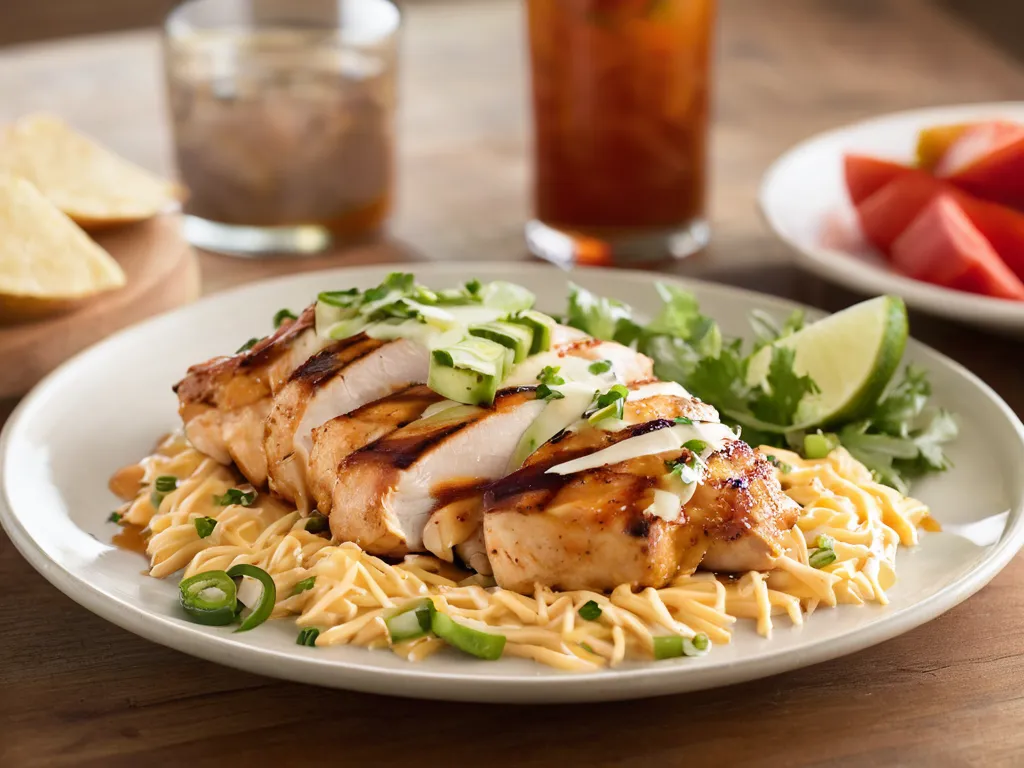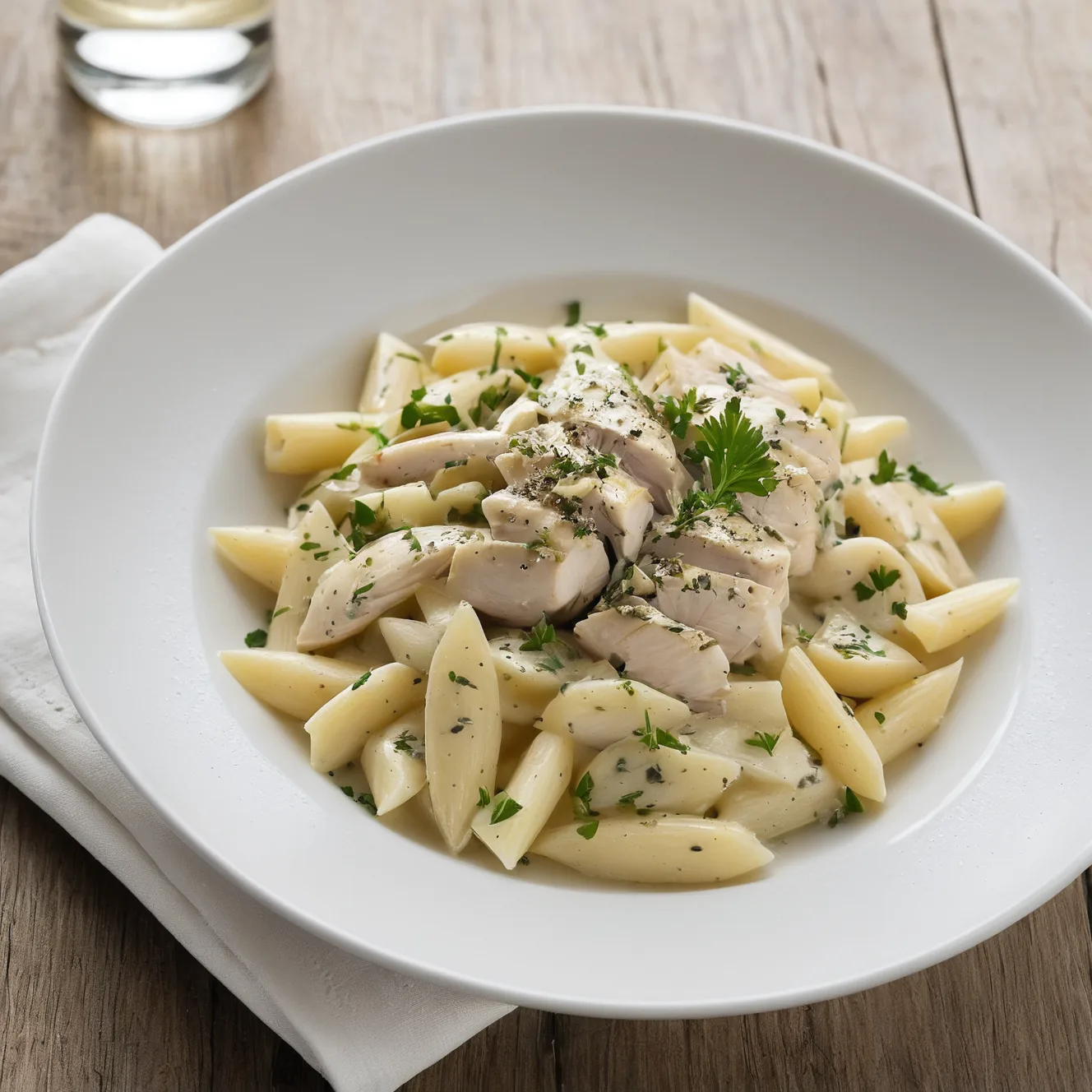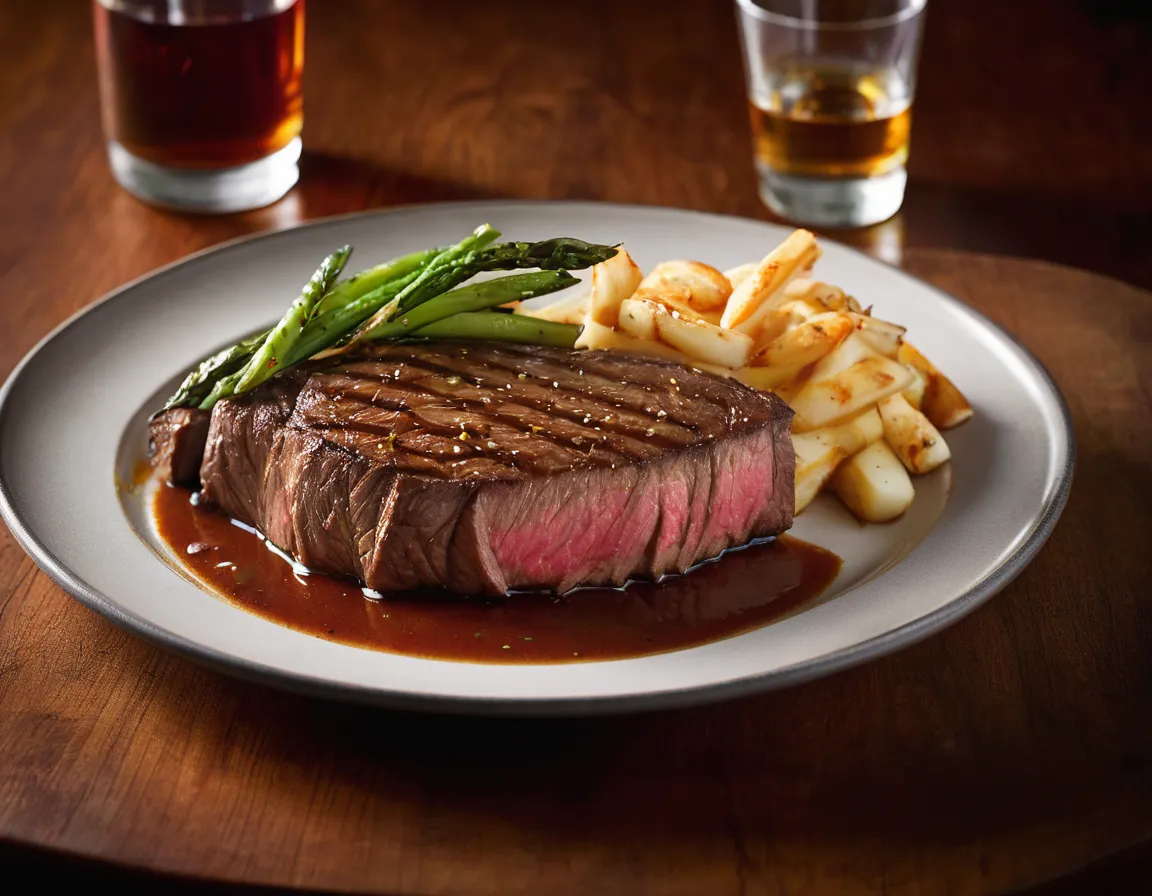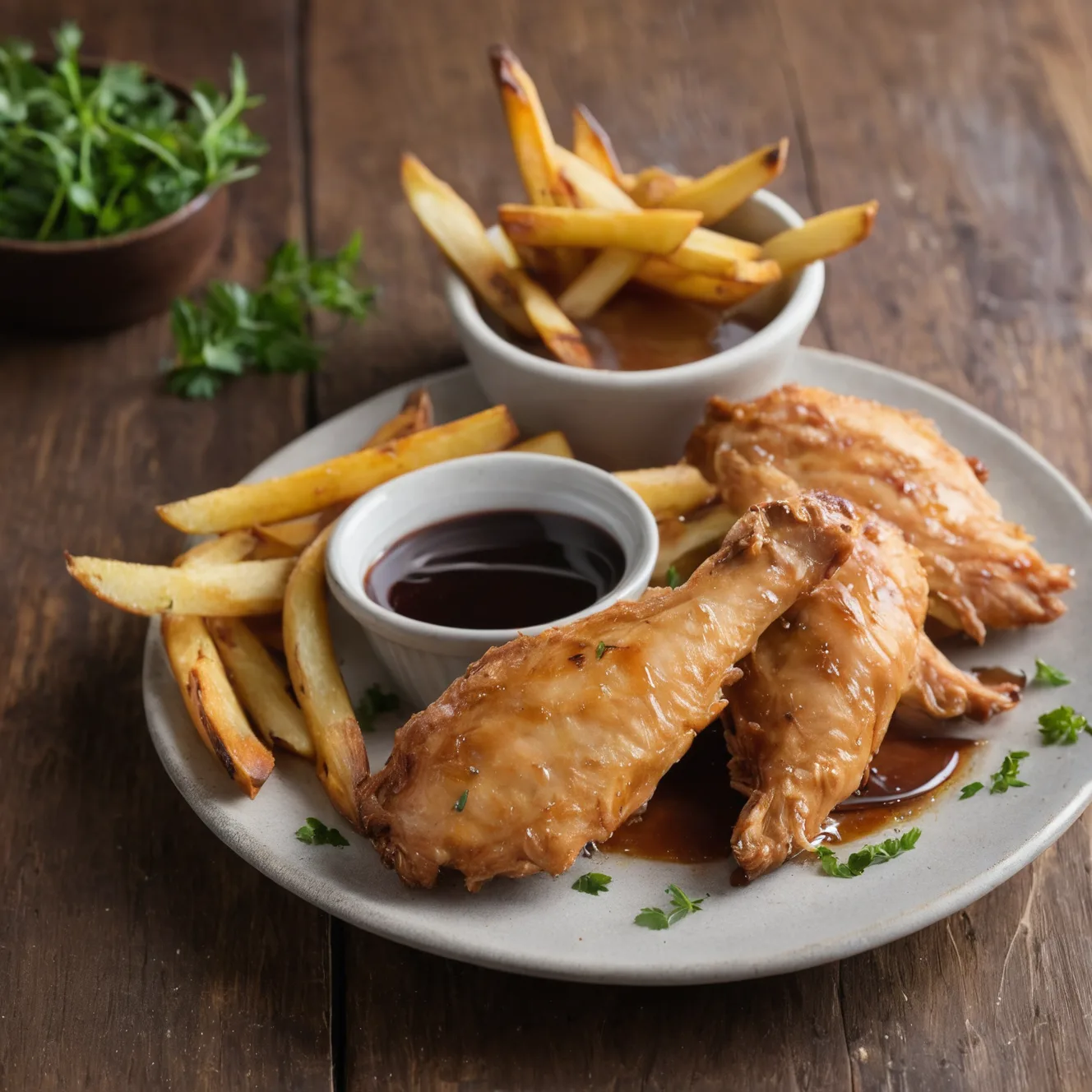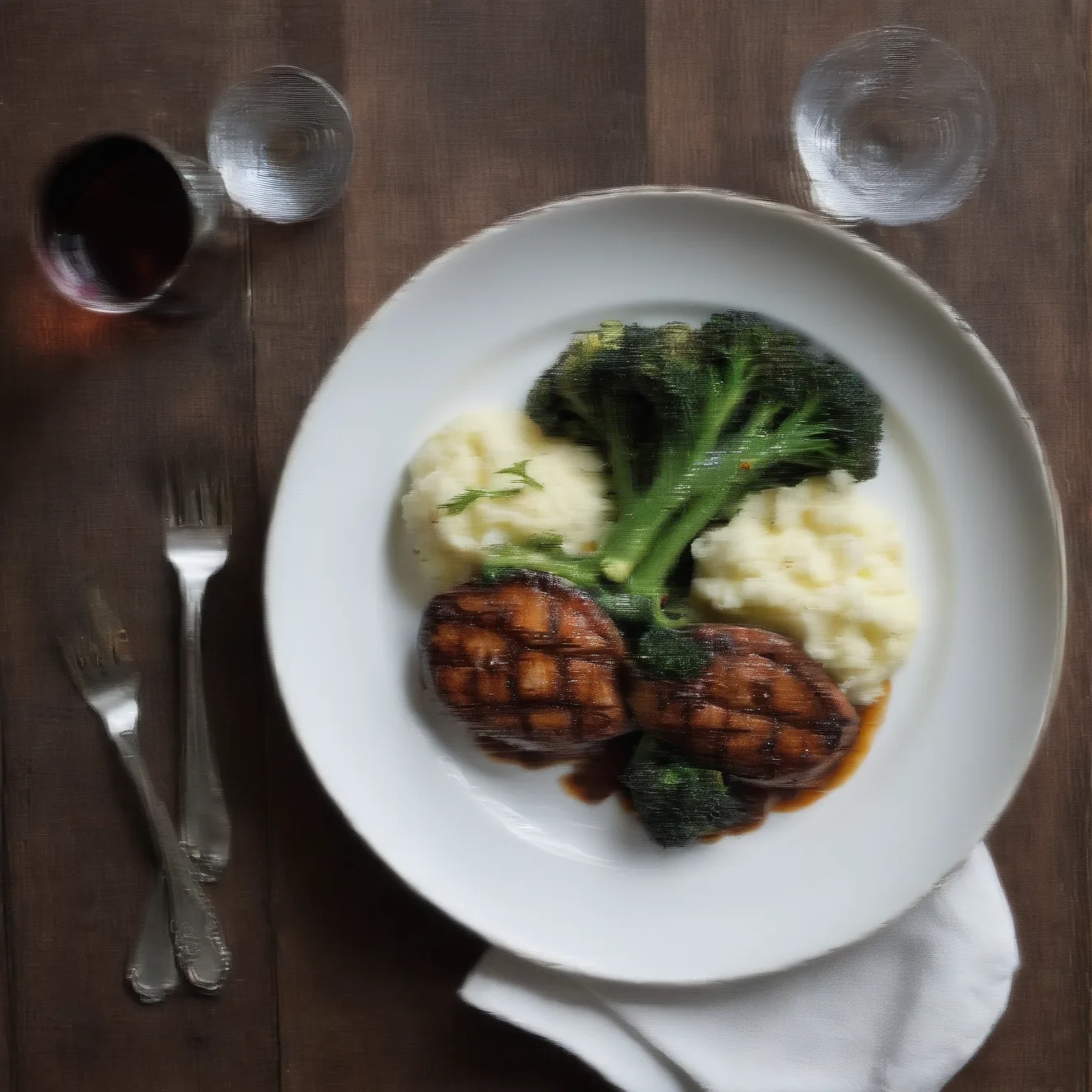
Ruby Tuesday’s Hickory Bourbon Chicken occupied the sweet spot between a backyard BBQ and a proper restaurant dish: a grilled chicken breast that looked simple on the plate but delivered a layered, caramelized glaze with a genuine smoky-bourbon depth. During the chain’s peak years — the 2000s and early 2010s, when Ruby Tuesday operated more than 700 locations — this dish was a reliable menu anchor alongside the Fresh Garden Bar.
The dish is built on three elements that have to work together: a properly grilled chicken breast with light char, a glaze that’s thick enough to lacquer rather than drip, and a double-application technique that gives the sauce two chances to caramelize. Get all three right and it’s one of the most satisfying casual-dining copycats you can make at home.
TL;DR
Make a hickory bourbon glaze (ketchup, brown sugar, bourbon, apple cider vinegar, Worcestershire, liquid smoke — simmer 12–15 minutes until thickened). Grill seasoned chicken breasts to 155°F internal, brush with glaze, cook 2 more minutes, flip, glaze again, pull at 165°F. Rest 5 minutes and brush once more. Serve with garlic mashed potatoes and broccoli. The double glaze is what separates the real thing from thin-sauced imitations.
What “Hickory” Actually Means Here
The word “hickory” in the dish name isn’t a flavor adjective — it’s a specific ingredient: hickory liquid smoke. Real hickory wood smoke is created during slow-smoked BBQ by burning hickory logs or chunks. In a restaurant kitchen or a home kitchen without a smoker, hickory liquid smoke (a condensate of actual hickory smoke dissolved in water) provides the same flavor compound: guaiacol, a phenolic molecule that registers as distinctive wood smoke on the palate.
Wright’s Hickory Liquid Smoke and Colgin Hickory Liquid Smoke are the two most available brands. Wright’s runs slightly more intense; Colgin is a touch milder and sweeter. Either works. The correct dose for this recipe is 1 teaspoon — enough to taste definitively smoky without tasting like the inside of a smokehouse. If you’ve had liquid smoke and found it overpowering before, that was probably an overdose; 1 teaspoon is a precise, controlled amount.
Do not substitute smoked paprika for liquid smoke. Smoked paprika is a dry spice; it adds a smoky-earthy note, but it doesn’t deliver the water-soluble smoke compounds that make the sauce taste authentically wood-smoked. Use both if you want — the smoked paprika in the chicken seasoning adds a visual color and a mild smoke on the surface; the liquid smoke in the glaze provides the deep flavor that carries through to the bite.
The Glaze: Why It Needs to Simmer
The glaze starts from a ketchup base, which means it already has body before it hits the heat — unlike a soy-sauce-based glaze, it won’t be watery straight from mixing. What the 12–15 minutes of simmering accomplishes is cooking out the raw bourbon alcohol, melding the vinegar’s sharpness into the brown sugar sweetness, and concentrating the liquid smoke so it registers as authentic hickory depth rather than a flat chemical note.
How thick is thick enough? Run a spoon through the sauce in the pan — the trail it leaves should stay visible for 2–3 seconds before the sauce closes back together. If it closes immediately, keep simmering. If it’s already set like jam when cold, it’s slightly overdone — thin with a tablespoon of water. The glaze tightens as it cools, so the ideal pan consistency is slightly looser than you want on the plate.
The brown sugar and ketchup both mean the glaze can scorch on high heat. Simmer at medium-low after the initial boil — the sauce should bubble gently, not violently. High-heat simmering can burn the sugars on the pan bottom before the sauce melds evenly.
The Two-Glaze Technique
Most recipes for hickory bourbon chicken apply the sauce once at the end of cooking. The problem: the glaze goes on cold (or room-temperature) chicken that’s already at serving temperature, so there’s no heat to drive caramelization. It sits on the surface as a wet coating rather than lacquering into the chicken.
The two-glaze technique works differently:
First application at 155°F. At this internal temperature, the chicken still has 10°F to go before it’s done — enough time for the glaze to caramelize against the hot chicken surface with the lid closed. The sugars in the sauce undergo Maillard browning, darkening from amber to mahogany, tightening the glaze into the meat rather than sitting on top of it. The result is a slightly crackled, deeply colored crust on one side.
Flip and second application. After flipping, the side that was down (now up) hasn’t been glazed yet. Brush it immediately — within the final 30–60 seconds of cooking — so it gets a brief caramelization pass as the chicken reaches 165°F.
Final off-heat brush. After resting 5 minutes, one more brush while the chicken is still warm. This coat doesn’t caramelize — it stays wet and glossy, giving the dish its restaurant-style sheen and a fresh burst of the full bourbon-smoke flavor that the caramelized coats have mellowed somewhat.
Three layers total: caramelized base, caramelized top, glossy finish. That’s what the restaurant version at its best looked like.
Getting the Chicken Right Before the Glaze
The glaze is the star, but it can’t compensate for a dry, overcooked chicken breast. Two steps prevent that:
Pound to even thickness. A chicken breast thickest at one end and thin at the other is a cooking problem. The thin end reaches 165°F and continues cooking to 175°F+ while you wait for the thick end to catch up. Pound the thick end gently until the breast is a consistent ¾ to 1 inch thick — everything reaches the target temperature at the same time.
Don’t skip the dry-off. Pat the chicken completely dry before seasoning. Surface moisture converts to steam during the first minute of grilling, which prevents the Maillard browning that creates grill flavor. Dry chicken browns; wet chicken steams and turns gray before it colors.
Ruby Tuesday Then and Now
Ruby Tuesday filed for Chapter 11 bankruptcy in October 2020 and emerged significantly smaller — from roughly 700 locations at its peak to fewer than 200 by 2024. The Fresh Garden Bar, which became the chain’s defining feature from the late 1970s onward, survived the restructuring at most locations.
The Hickory Bourbon Chicken was among the entrees that remained on the menu through the restructuring, which says something about how well it worked. A sauce built on a short list of pantry ingredients — ketchup, brown sugar, bourbon, liquid smoke — turns out to be a durable concept. It doesn’t require specialty ingredients, doesn’t go out of style, and rewards the technique investment of the two-glaze method every time.
FAQ
Can I make the glaze ahead of time? Yes — make it up to 5 days ahead and refrigerate in a sealed jar. The flavors meld further overnight, which actually improves the sauce. Warm it gently before using; it tightens significantly when cold.
What if I don’t have bourbon on hand? Tennessee whiskey (Jack Daniel’s) works identically in the glaze — the flavor difference between bourbon and Tennessee whiskey is subtle enough that it disappears in a cooked sauce. Rye whiskey (Bulleit Rye, Old Overholt) shifts the flavor slightly drier and spicier; still excellent. Brandy or dark rum changes the character considerably but is acceptable if that’s what you have.
Can I use chicken thighs? Yes, and they’re arguably better for this dish. Bone-in skin-on thighs take 35–40 minutes on the grill at medium heat; apply the glaze at 165°F internal (thighs are safe and optimal at 170–175°F, not 165°F like breasts). Boneless skinless thighs take 12–14 minutes total; apply the glaze at 155°F like breasts. The higher fat content in thighs carries the bourbon smoke flavor more effectively than breasts.
Why is my glaze burning on the grill? Two causes: grill too hot or glaze applied too early. The glaze’s brown sugar burns above 375°F in direct contact with flames. First, check that you’re on medium-high heat, not high — outdoor grills vary widely and many run hotter than their dial suggests. Second, don’t brush the glaze until the internal temperature is at 155°F. If you apply it earlier, the chicken still has 10+ minutes on the grill, which is too long for a sugar-based sauce at direct heat.