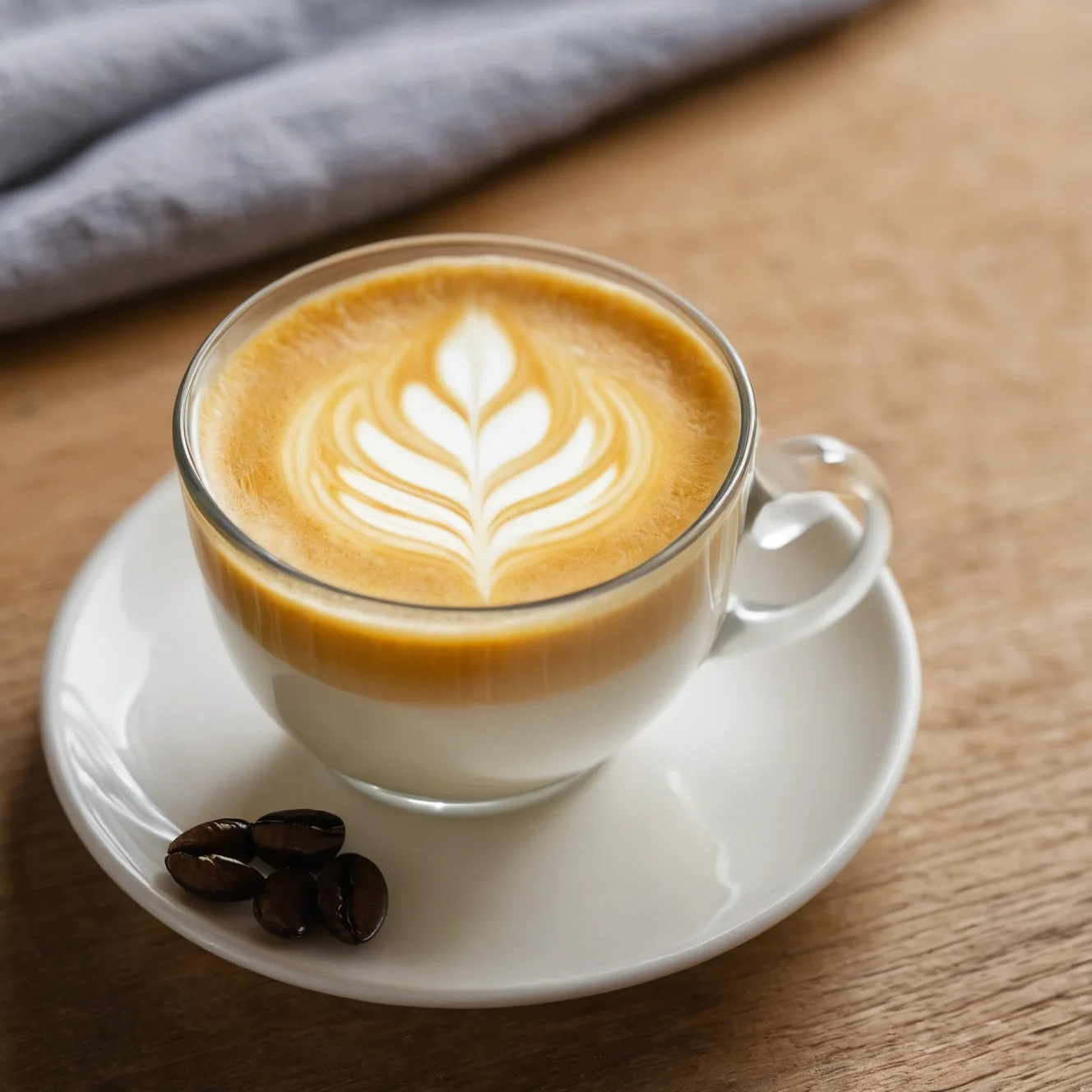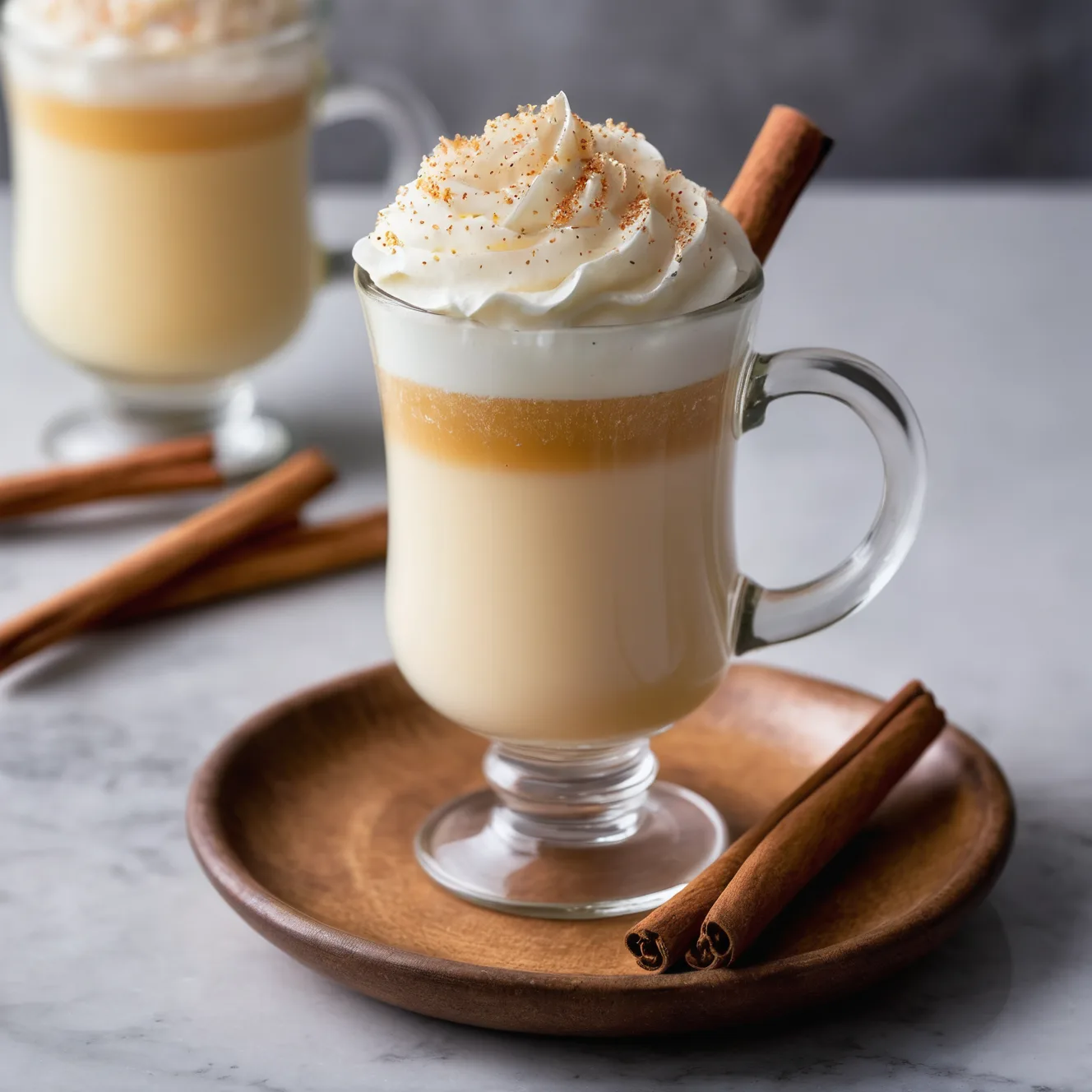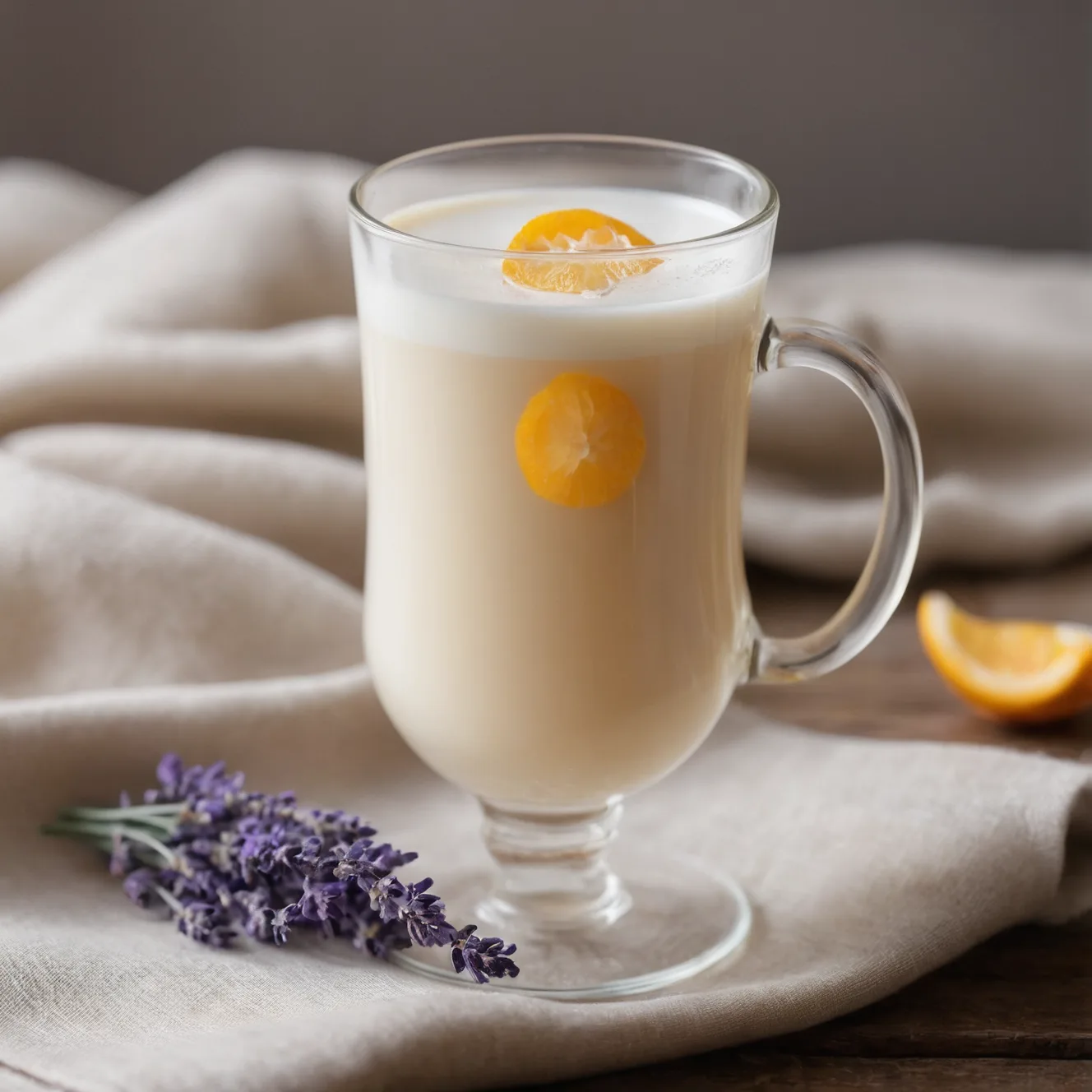
Copycat Starbucks London Fog Tea Latte
Prep: 3 min | Steep: 4 min | Serves: 1 (Grande / 16 oz) | Cost: ~$0.50 per drink vs. $5.50+ at Starbucks
The Starbucks London Fog is, at its core, three ingredients: Earl Grey tea, vanilla syrup, and steamed milk. No espresso. No syrups with a dozen components. No technique that requires professional equipment.
And yet it’s one of the easiest Starbucks drinks to get wrong at home — because the tea needs to be brewed at almost double concentration, and almost every home recipe buries that detail in the middle of a wall of text.
Here is the one thing you actually need to know: two tea bags go into 4 oz of water, not 8 or 10 oz. If you use a full cup of water, you’re making regular-strength Earl Grey tea, and when you add 10 oz of milk to it, the tea flavor becomes barely detectable. The Starbucks version tastes of tea because it’s a concentrate — strong tea, diluted by milk, not the other way around.
TL;DR
- Two Teavana Earl Grey sachets (which contain bergamot + lavender) in 4 oz of hot water, steeped for 3–4 minutes
- 4 pumps vanilla syrup (2 tablespoons) for a Grande; 3 pumps for a Tall
- 10 oz of steamed 2% milk with a light, pourable foam on top
- 180 calories, 40mg caffeine — the lowest-caffeine milk-based latte at Starbucks
- The lavender in Starbucks’ tea is quiet but real — worth seeking out in your grocery store Earl Grey if you want the exact flavor
What makes a London Fog taste like a London Fog
Three things combine in this drink that don’t typically appear together:
Bergamot — the distinctive citrus oil that defines Earl Grey. It comes from the bergamot orange, a small citrus fruit grown almost exclusively in Calabria, Italy. The flavor is citrusy but bitter and floral, not bright and sweet like lemon — closer to the peel of a citrus fruit than the fruit itself. It’s what makes Earl Grey tea smell so distinctive when you open the box.
Lavender — the component that elevates a generic Earl Grey latte to something specifically Starbucks-adjacent. Most grocery-store Earl Grey teas don’t include lavender; they’re just black tea + bergamot. Starbucks uses Teavana sachets that add dried lavender flowers, which adds a second floral note that softens the sharpness of the bergamot. The effect is subtle — you may not consciously identify it as lavender — but side by side with a standard Earl Grey latte, the Starbucks version has a rounder, more complex quality.
Vanilla — the bridge between the floral tea and the dairy. Vanilla syrup is sweeter and more aromatic than plain sugar, and it connects the botanical notes of the tea to the richness of the steamed milk in a way that plain sweetener doesn’t.
The combination of bergamot + lavender + vanilla + milk is, genuinely, a well-considered flavor combination that rewards attention.
The lavender detail: grocery store vs. Starbucks
If you want to match the Starbucks flavor exactly, check the ingredients list on your Earl Grey tea box. You’re looking for “lavender” or “lavender flowers” in the list.
Earl Grey teas that include lavender:
- Bigelow Earl Grey with Lavender (widely available, affordable)
- Harney & Sons Earl Grey Supreme with Lavender (loose leaf; also in bags)
- TWG London Breakfast Tea (high-end, available online)
- The Republic of Tea Earl Grey with Lavender
Earl Grey teas that don’t include lavender (bergamot only):
- Bigelow Earl Grey Classic
- Tazo Earl Grey
- Lipton Earl Grey
- Stash Earl Grey
All of these work for a London Fog. Without lavender you get a slightly sharper, more bergamot-forward drink; with lavender you get something closer to the Starbucks version. Neither is wrong — it’s a preference question.
If you want lavender but only have standard Earl Grey: steep ¼ teaspoon of dried culinary lavender along with the tea bags. Do not use lavender essential oil (far too concentrated and bitter). Culinary lavender is available at most natural foods stores and Whole Foods.
Size guide: vanilla syrup pumps
| Size | Volume | Vanilla pumps | Tea bags | Brew water |
|---|---|---|---|---|
| Short | 8 oz | 2 pumps | 1 bag | 2–3 oz |
| Tall | 12 oz | 3 pumps | 1 bag | 3 oz |
| Grande | 16 oz | 4 pumps | 2 bags | 4 oz |
| Venti hot | 20 oz | 5 pumps | 2 bags | 5 oz |
| Venti iced | 24 oz | 5–6 pumps | 2 bags | 5 oz |
Note: The tea bag count stays at 2 from Tall through Venti. Only the brew water volume scales slightly for the Venti. The concentrate is still strong enough to read through more milk.
Half-sweet: 2 pumps in a Grande. Still clearly vanilla, just less sweet. Popular with people who want to taste the tea more.
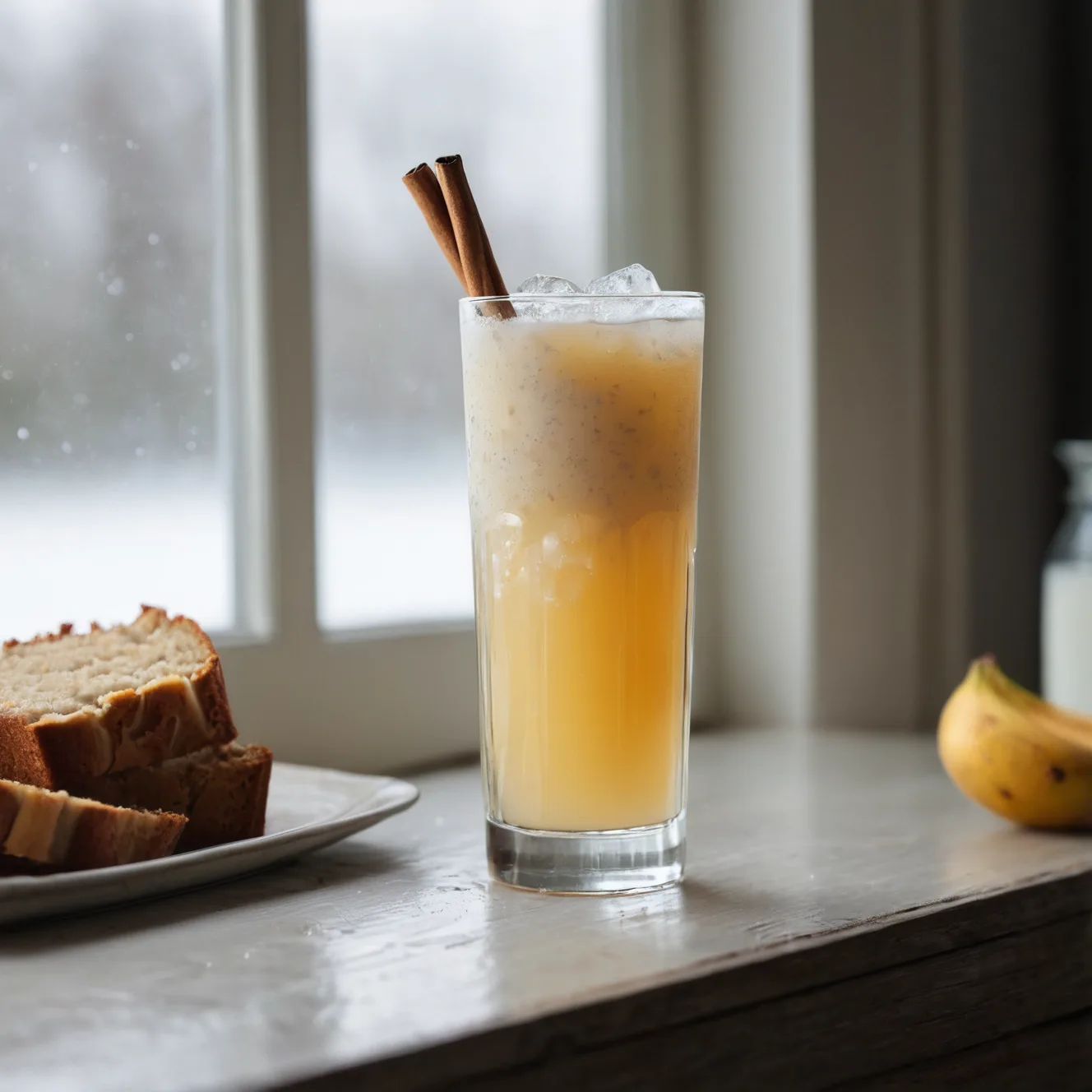
The iced version
The iced London Fog is slightly different from just chilling the hot version:
- Brew the concentrate the same way (2 bags in 4 oz hot water, 3–4 minutes)
- Stir in the vanilla syrup while the tea is still hot — syrup dissolves more easily in warm liquid
- Fill a 16-oz glass with ice
- Pour the tea concentrate over the ice — the ice cools it immediately
- Add 10 oz of cold 2% milk, pour slowly
- Stir gently once
The iced version is 140 calories (vs. 180 for hot) because no foam is added and cold milk is slightly less dense by volume. Caffeine stays the same at 40mg.
The iced version with oat milk is the version that went viral on TikTok — the slightly sweet, earthy quality of oat milk against the floral tea is genuinely well matched.
A drink that is not from London
The London Fog originated in Vancouver, Canada, in the late 1990s. The woman credited with inventing it is Mary Loria, who ordered it at the Buckwheat Café: pregnant and wanting a coffee alternative that was gentle on her stomach, she asked for Earl Grey tea with steamed milk, then walked to the café’s add-in station and stirred in vanilla sugar to taste. She loved the result, kept ordering it at cafés around the city, and recommended it to others until it caught on. The name “London Fog” stuck because of the tea’s English associations (Earl Grey was developed in Britain in the early 1830s), but the drink itself is entirely Canadian.
A nice historical footnote: cafés in Scotland sometimes call the drink a “Vancouver Fog,” correctly attributing it to its actual city of origin. The rest of the world kept the misattribution.
Starbucks added the London Fog to their permanent menu in the mid-2010s as part of the Teavana integration (Starbucks acquired Teavana in 2012). It’s been a year-round item since — not a seasonal drink, not a limited release.
More Starbucks drinks without espresso
If you like the London Fog’s low-caffeine, tea-based profile, these are the closest options on the Starbucks menu:
- Starbucks Chai Tea Latte — spiced black tea concentrate + steamed milk; 95mg caffeine (higher than London Fog, much lower than espresso). The most popular tea-based Starbucks latte.
- Starbucks Medicine Ball (Honey Citrus Mint Tea) — a blend of two Starbucks teas with honey and steamed lemonade; no milk, very low caffeine.
- Iced Lavender Cream Oat Milk Matcha — matcha-based (80mg caffeine), lavender cold foam on top; different from the London Fog but shares the lavender angle.
And if you want espresso-based drinks:
- Starbucks Vanilla Latte — vanilla syrup + espresso + steamed milk; same vanilla syrup as the London Fog, with coffee instead of tea.
- Starbucks Caramel Macchiato — layered vanilla latte with caramel drizzle.