

Pin It

Homemade Alfredo Sauce (Better Than the Olive Garden Jar)

Homemade Alfredo Sauce (Better Than the Olive Garden Jar)
Jump to Recipe
Prep 5 min Cook 10 min Serves 4
Quick answer: Homemade alfredo sauce: Melt 1/2 cup unsalted butter in a wide skillet over medium-low heat, add 1 cup heavy cream, and simmer gently 3 to 4 minutes until slightly thickened — never a hard boil. Pull the pan off the heat and whisk in 1 1/2 cups freshly grated Parmigiano-Reggiano a handful at a time until the sauce is smooth and glossy, then season with salt, black pepper, and a small pinch of nutmeg. Toss immediately with 1 pound of just-cooked fettuccine plus a splash of starchy pasta water to loosen. The two make-or-break rules: grate the cheese yourself (pre-shredded cheese is coated in cellulose and turns the sauce grainy), and add it off the heat so the cheese melts into an emulsion instead of seizing into clumps. Total time: about 15 minutes.

Shop the tools

Gear matched to this recipe. These are Amazon affiliate links — we may earn a small commission if you buy, at no extra cost to you.

As an Amazon Associate, Copycat Spices earns from qualifying purchases. Product images are generic illustrations, not the exact item listed.

Homemade Alfredo Sauce (Better Than the Olive Garden Jar)

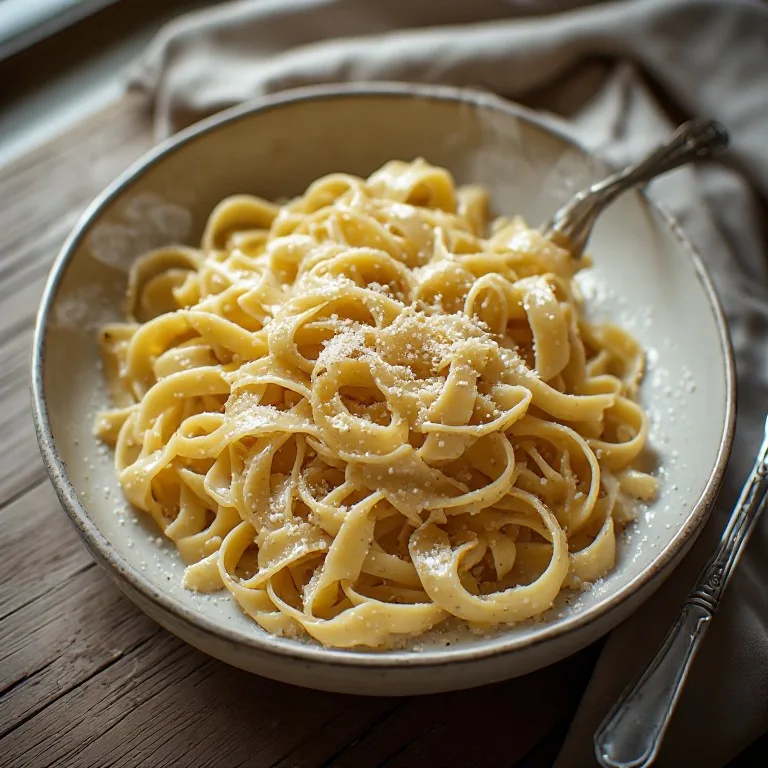
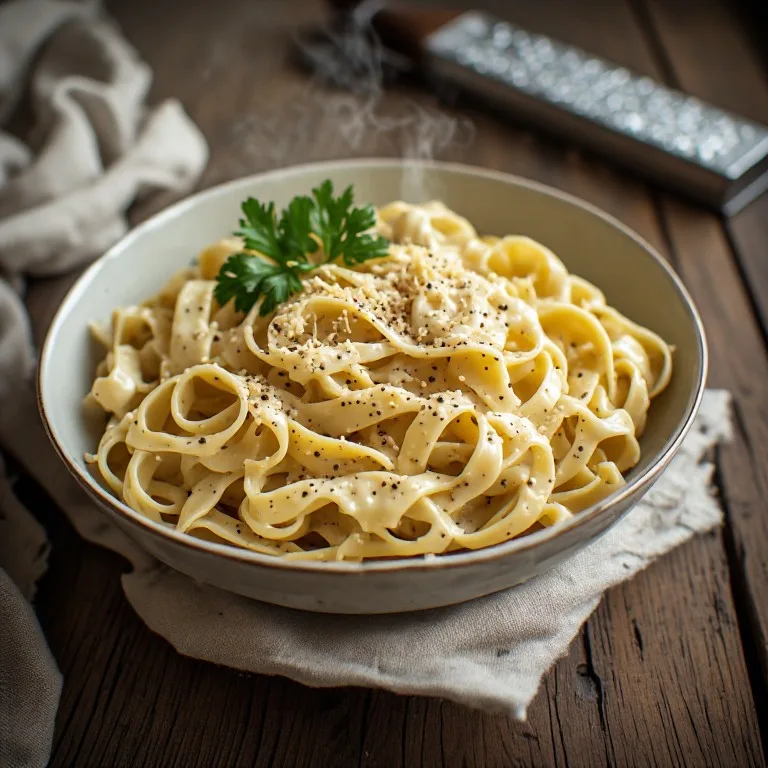
Homemade alfredo sauce from scratch in 15 minutes: butter, heavy cream, and fresh-grated Parmigiano-Reggiano, emulsified into a silky sauce that coats every strand. No flour, no cream cheese, no jar stabilizers — about $4 for four servings vs. $9 for a jar that lists xanthan gum before cheese.

Easy Prep: 5 min Cook: 10 min Total: 15 min4 servings ~$2.80/serving
Prep5 min
Cook10 min
Total15 min
Servings
4
At home~$2.80/serving
vs
Restaurant~$12.60/serving
You save ~78%

The Story Behind the Recipe

Alfredo sauce has one of the stranger origin stories in Italian-American cooking: the "original" contains no cream at all. In 1908, Roman restaurateur Alfredo di Lelio tossed fettuccine with only sweet butter and young Parmigiano-Reggiano to coax his wife into eating after a difficult pregnancy; the dish — fettuccine al burro, worked tableside into a glossy emulsion — became the signature of his restaurant on Via della Scrofa. When Hollywood stars Mary Pickford and Douglas Fairbanks honeymooned in Rome in 1927 and ate it nightly, they brought the legend home, and America did what America does: added heavy cream to make the texture foolproof. That cream-based version is what "alfredo" means in the United States today — the sauce Olive Garden ladles over its best-selling fettuccine and sells by the jar in grocery stores.

The jar is where the shortcuts show. A typical shelf-stable alfredo lists water, cream, and oil thickened with modified food starch and xanthan gum, with cheese appearing surprisingly far down the ingredient list — which is why jarred alfredo tastes flat and coats like glue. The from-scratch version inverts the ratio: it is mostly cheese and butter held together by briefly simmered cream, and it takes scarcely longer than heating the jar would. The technique that matters is the emulsion. Cheese is melted into the cream OFF the heat, a handful at a time, so its proteins relax into the fat instead of seizing — the same principle behind the original 1908 butter-and-cheese toss. Get that one step right and a four-ingredient, 15-minute sauce beats anything with a shelf life measured in years.

Nutrition Facts

Per serving (4 servings)
Calories540
Total Fat52g
Total Carbs5g
Dietary Fiber0g
Sugars3g
Protein14g
Sodium620mg

* Estimated values based on standard recipe preparation. Actual values may vary.

Ingredients

Instructions

💡
Pro tip: This recipe tastes even better the next day. The flavors need time to meld together in the fridge.
❄️
Storage: Keeps in an airtight container in the fridge for up to 2 weeks. Freezer-friendly for up to 3 months.
🎃 Free Halloween cookbook — download now The Copycat Halloween Cookbook A ready-made, photo-illustrated PDF of our best halloween copycat recipes — free to download, no building required. Pay what you want to support if you love it.

Free PDF — instant download. We'll also send new seasonal copycat recipes now and then; unsubscribe anytime. Or just download it →

Homemade Alfredo Sauce (Better Than the Olive Garden Jar)

Prep time: 5 minutes Cook time: 10 minutes Servings: 4 (sauces 1 pound of pasta)

A jar of alfredo costs $4 to $9 and lists modified food starch and xanthan gum ahead of most of its cheese. The from-scratch version is four core ingredients — butter, cream, Parmigiano-Reggiano, and the pasta water you were about to pour down the drain — and it’s done in the time the fettuccine takes to boil. The difference on the fork isn’t subtle: real alfredo ribbons and clings; jarred alfredo coats like paint.

Why Make It at Home?

Speed is usually the argument for the jar, and the jar loses: this sauce takes 15 minutes, start to finish, most of it unattended. The scratch version costs about $4 for four generous servings, you control the salt (jarred alfredo commonly runs 400mg+ of sodium per quarter-cup before you’ve touched the pasta), and the cheese in it is actual cheese you chose. Pair it with our Olive Garden breadsticks and you’ve recreated the whole table for a fraction of the bill.

The Two Rules of Alfredo That Never Breaks

Every broken, grainy, or gluey alfredo violated one of these:

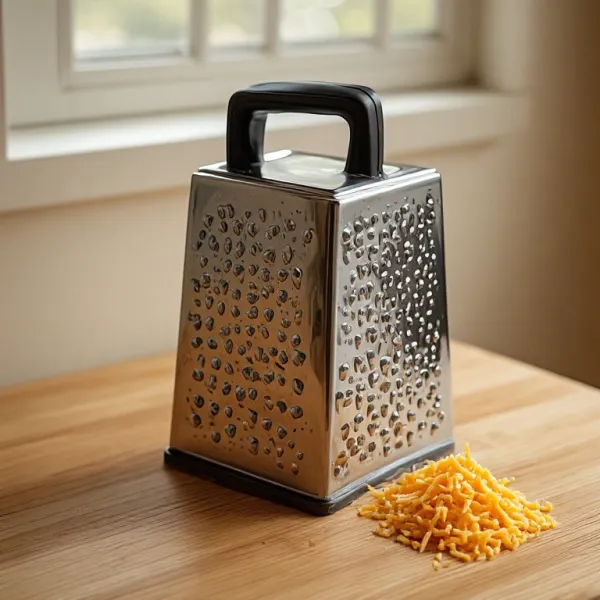
Rule 1: Grate the cheese yourself. Pre-shredded cheese is tossed with cellulose so it won’t cake in the bag — and that same coating stops it from ever melting into a smooth sauce. A wedge of real Parmigiano-Reggiano, grated fine on a microplane, melts in seconds and tastes twice as loud, so you can even use less of it.

Rule 2: Cheese goes in off the heat. Direct burner heat seizes aged cheese into clumps and squeezes the fat out — that’s the split, oily puddle. Pull the pan off the stove, wait 30 seconds, and whisk the cheese in a handful at a time. Residual heat melts it into a glossy emulsion that stays silky all the way to the table.

Tips & Variations
  • The Roman original. Skip the cream entirely: toss hot fettuccine with the butter, cheese, and a ladle of starchy pasta water, stirring hard until it emulsifies. That’s the actual 1908 dish — lighter, sharper, and the fastest version of all. We cover it properly in our Alfredo di Lelio copycat.
  • Restaurant garlicky. Double the garlic and add 1/4 teaspoon Italian seasoning with the cream for the unmistakable Olive Garden profile.
  • Cajun. Stir 2 teaspoons of Cajun seasoning into the cream and top with blackened chicken — or take the shortcut through our viral Cajun sausage alfredo.
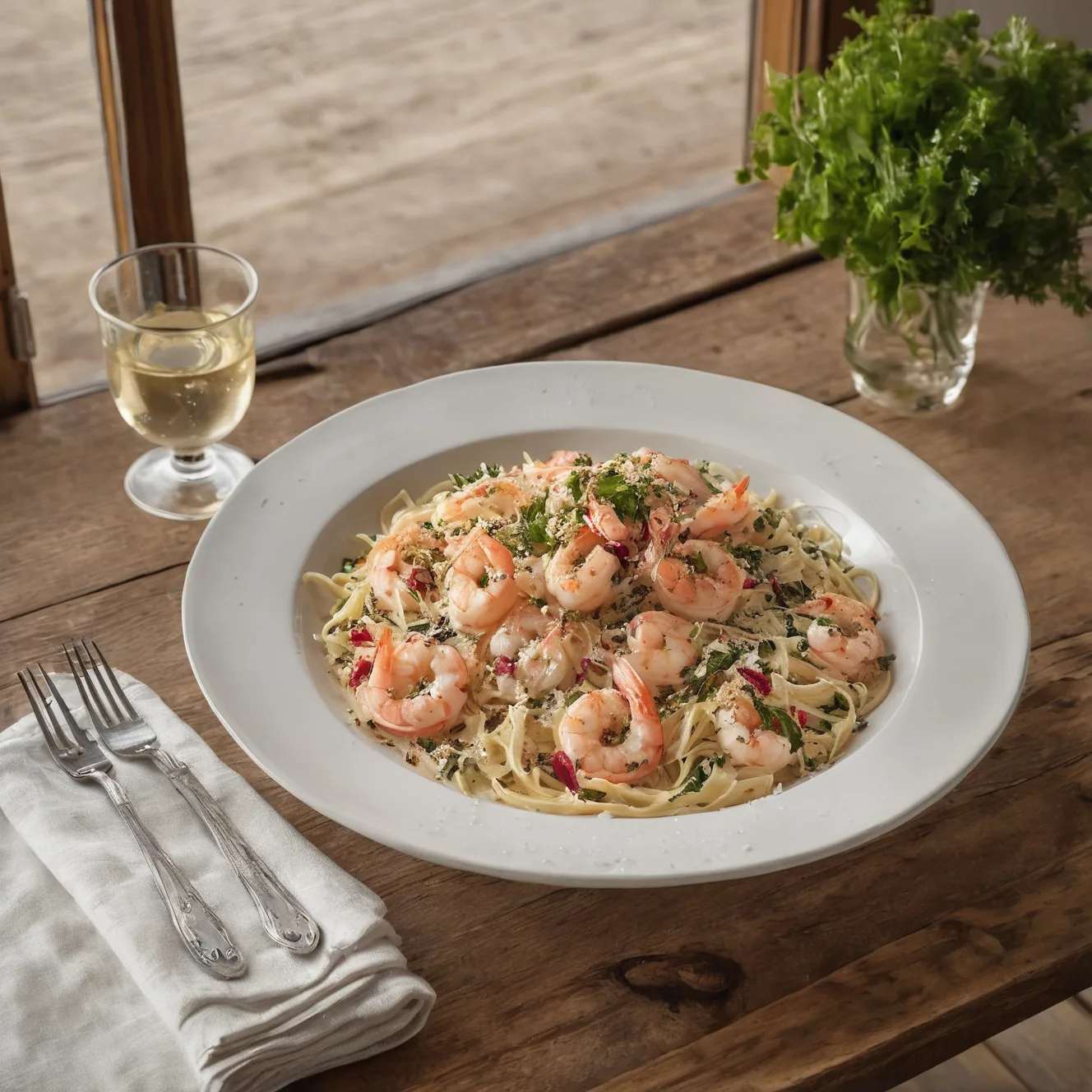
  • Seafood. Fold in sautéed shrimp, or go full copycat with Red Lobster’s crab alfredo.
  • Thin it right. If the sauce tightens before serving, loosen it with reserved pasta water, never more cream — starch loosens without dulling the flavor; extra cream mutes the cheese.
🥗

Make It Healthier

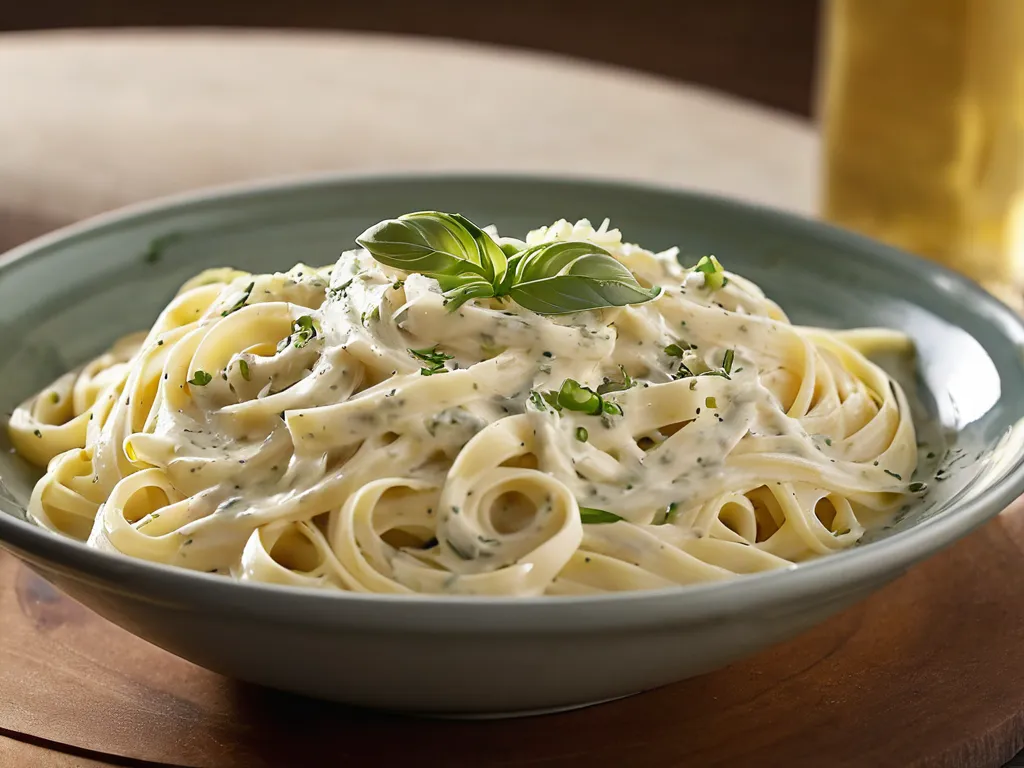
Love Homemade Alfredo Sauce (Better Than the Olive Garden Jar) but want a lighter version? Try these simple swaps:

  • ✓Cut the butter to 4 tablespoons and replace the difference with extra starchy pasta water — the starch keeps the sauce creamy with noticeably less fat.
  • ✓Serve it the Roman way, as a lighter coating over 12 oz of pasta for 6 rather than drowning 1 pound for 4 — restaurant-style ladling is where most of the calories hide.
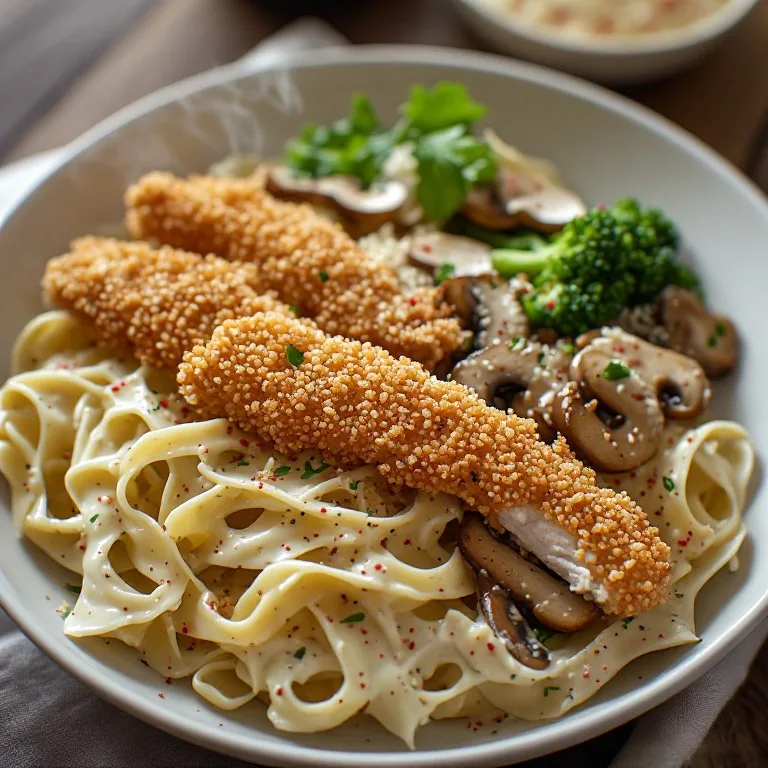
  • ✓Toss in a few handfuls of baby spinach or steamed broccoli at the end; the sauce clings to vegetables as happily as to pasta.
  • ✓Skip the cream entirely and make the 1908 original: toss hot pasta with butter, cheese, and pasta water alone — it's lighter and arguably more elegant.

Frequently Asked Questions

Why is my alfredo sauce grainy or clumpy?

Almost always one of two causes. First: pre-shredded or canned cheese, which is coated with cellulose or potato starch to stop it caking in the bag — that same coating stops it melting smoothly in your sauce. Grate a real wedge of Parmigiano-Reggiano yourself. Second: adding cheese over direct heat. Above about 160°F, the proteins in aged cheese seize into tight clumps and squeeze their fat out. Pull the pan off the burner, wait half a minute, and whisk the cheese in gradually — residual heat is all it needs.

Can I use milk or half-and-half instead of heavy cream?

Not as a straight swap. The fat in heavy cream (about 36%) is what holds the emulsion of melted cheese and butter together; half-and-half (about 12%) and milk will usually break or turn grainy when the cheese goes in. If you must lighten it, use the pasta-water method instead: less butter, more starchy cooking water, whisked hard. The starch stabilizes the sauce the way cream fat otherwise would — that's how the no-cream Roman original works.

Is real Italian alfredo made with cream?

No — and Italians are famously baffled by the American version. Alfredo di Lelio's 1908 original, fettuccine al burro, is nothing but butter, young Parmigiano-Reggiano, and starchy pasta water worked into an emulsion at the table. Heavy cream entered the recipe in America, where it makes the emulsion far more forgiving for home cooks and restaurants. Both are legitimate dishes; this recipe makes the American cream version, and our [Alfredo di Lelio fettuccine alfredo](/blog/copycat-alfredo-di-lelio-fettuccine-alfredo) recreates the Roman original.

How do I reheat alfredo sauce without it breaking?

Low and slow, with added liquid. Put leftovers in a skillet over LOW heat with a splash of milk, cream, or water, and stir constantly as it warms — the sauce will loosen and re-emulsify. The microwave at full power is how most leftover alfredo dies: it boils the edges, splits the fat, and turns the cheese rubbery. If you must microwave, use 50% power in 30-second bursts, stirring between each. Refrigerated alfredo keeps 3 to 4 days in a sealed container; it does not freeze well — the emulsion separates on thawing.

What does Olive Garden put in its alfredo sauce?

Olive Garden's restaurant version is built from butter, heavy cream, garlic, and a blend of parmesan and romano cheeses, finished with Italian seasoning and a touch of thickener in bulk batches. It's noticeably garlicky and slightly thicker than a classic home alfredo. This recipe with the optional garlic gets you very close; for the full restaurant plate — their exact proportions, plus the breadstick strategy — see our dedicated [Olive Garden fettuccine alfredo copycat](/blog/copycat-olive-garden-fettuccine-alfredo).

What pasta goes with alfredo besides fettuccine?

Anything with surface for the sauce to grip. Fettuccine is traditional because wide, flat ribbons carry a cream sauce well, but pappardelle, tagliatelle, and linguine all work beautifully. Among short shapes, penne, rigatoni, and shells trap sauce in their ridges and hollows — that's the shape Olive Garden uses for its baked chicken alfredo. Avoid very thin pasta like angel hair; it clumps under a sauce this rich.

Can I add chicken, shrimp, or vegetables to this?

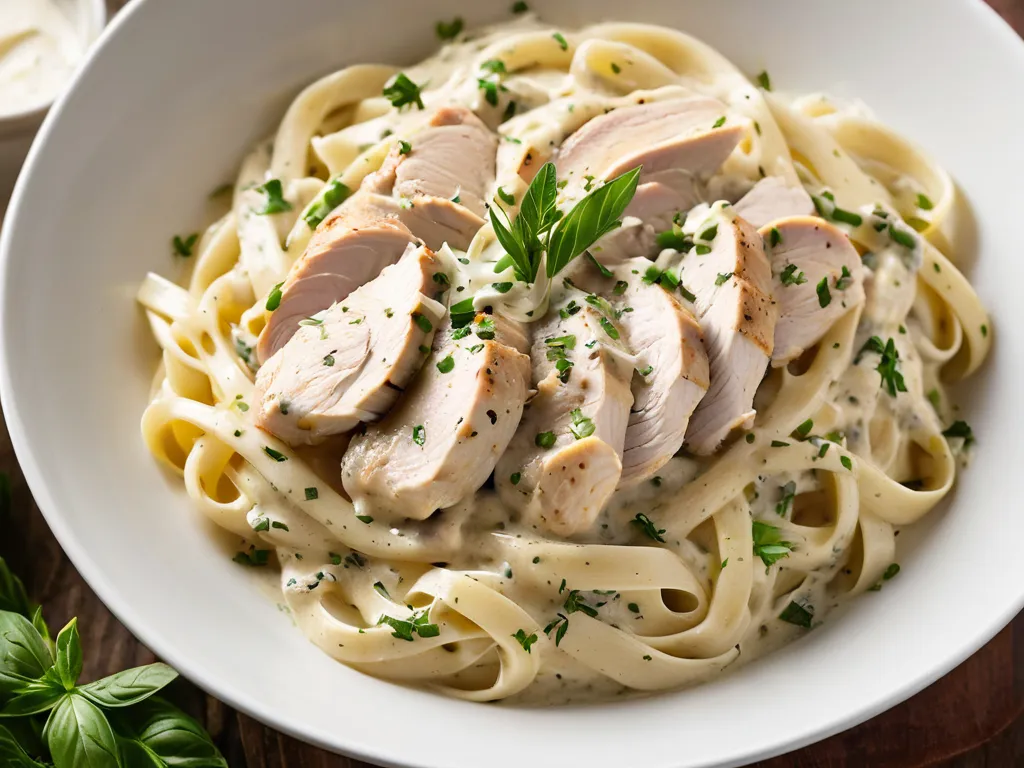
Yes — alfredo is the base layer of half the Italian-American menu. Sear chicken breasts separately and slice them over the top (or follow our [Olive Garden chicken alfredo](/blog/copycat-olive-garden-chicken-alfredo) for the restaurant build), sauté shrimp in butter and garlic and fold them in at the end, or stir in steamed broccoli with the pasta. Add proteins already cooked — simmering raw chicken or shrimp directly in the finished sauce overheats it and risks breaking the emulsion.

How far ahead can I make alfredo sauce?

Alfredo is a make-and-serve sauce — it's at its silky best in the first ten minutes, and it thickens and tightens as it sits. If you need a head start, you can simmer the butter-cream base up to a day ahead and refrigerate it; at dinner time, rewarm the base gently, then finish with the cheese off the heat and toss with just-cooked pasta. Don't hold the finished sauce warm on the stove — the cheese keeps cooking and the texture coarsens.

Love this recipe? Share it!

Free PDF: our 12 most-wanted copycat recipes — instant download.

Made it? Buy us a coffee

Every recipe here is free, with no paywalls. If this one was a hit at your table, a small tip keeps new copycats coming.

$

Olive Garden is a trademark of its owner, used here only to describe the dish this recipe recreates. This is an independent copycat written in our own words — Copycat Spices is not affiliated with, endorsed by or sponsored by Olive Garden.

Ratings & Reviews

—
No ratings yet

Rate this recipe

Click a star to rate

Leave a Review

0/500

CS

Copycat Spices Editorial

Researched + fact-checked. Every recipe on Copycat Spices is built from published sources — official ingredient lists, brand-published recipes, interviews and food-science references — and fact-checked before it goes live, then written as clear, step-by-step instructions for home cooks of all skill levels.

Learn more about our mission →