

Pin It

Viral TikTok Air Fryer Lechon Kawali — The Crispy Filipino Pork Belly Everyone Is Making

Viral TikTok Air Fryer Lechon Kawali — The Crispy Filipino Pork Belly Everyone Is Making
Jump to Recipe
Prep 15 min (+ overnight drying) Cook 1 hr 30 min Serves 4–6
Quick answer: Boil a 2–3 lb skin-on pork belly slab in salted water with 1 head of garlic (halved), 1 quartered onion, 3 bay leaves, 1 tbsp peppercorns, and 2 tbsp each of kosher salt and white vinegar for 45 minutes until fork-tender. Drain, pat completely dry, and refrigerate uncovered overnight (or air-dry on a rack for 2 hours minimum — the drier, the better). When ready to cook, press a thick, even layer of kosher salt (about ¼ cup) directly onto the skin. Wrap the meat and underside in foil to protect it, leaving only the skin exposed. Air fry at 385°F for 15 minutes — the salt draws out surface moisture. Remove, scrape off the salt, and brush the skin generously with white vinegar or apple cider vinegar. Air fry at 400°F for 20–25 minutes until the skin is deeply golden and blistered. Rest 10 minutes before slicing. Serve with spiced vinegar dip (white vinegar, sliced chili, garlic, and a pinch of sugar) and steamed white rice.

Viral TikTok Air Fryer Lechon Kawali — The Crispy Filipino Pork Belly Everyone Is Making

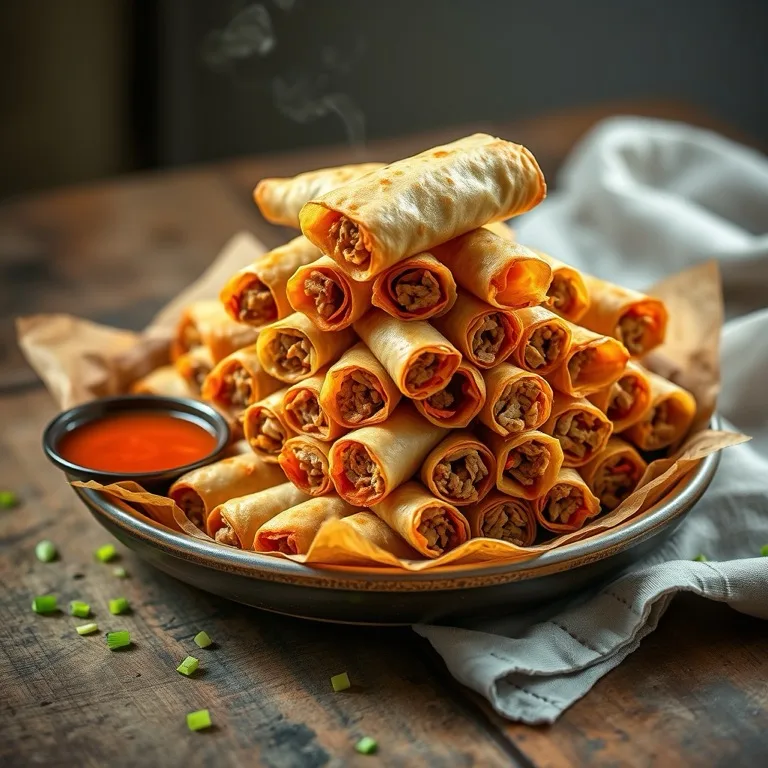
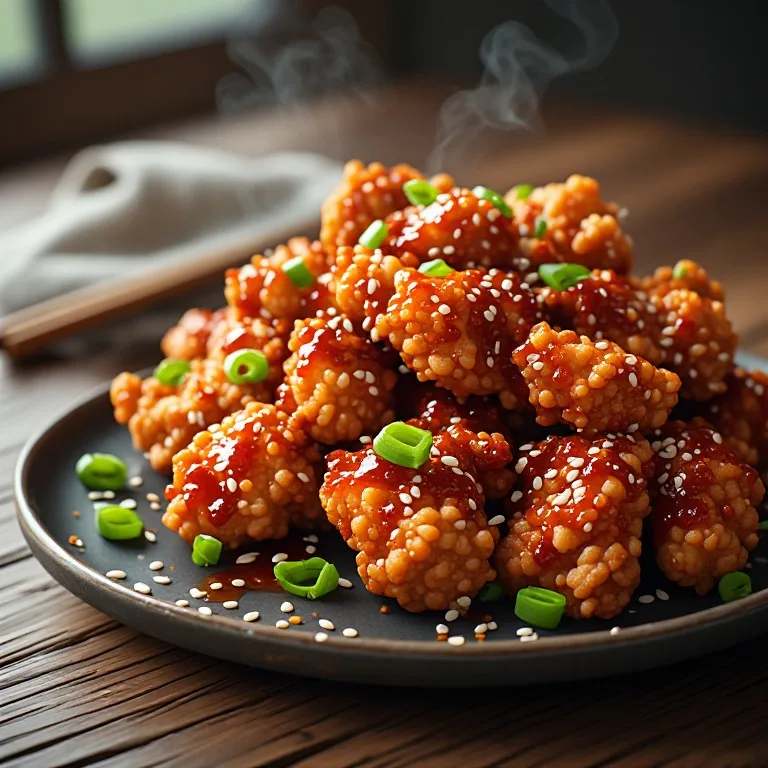
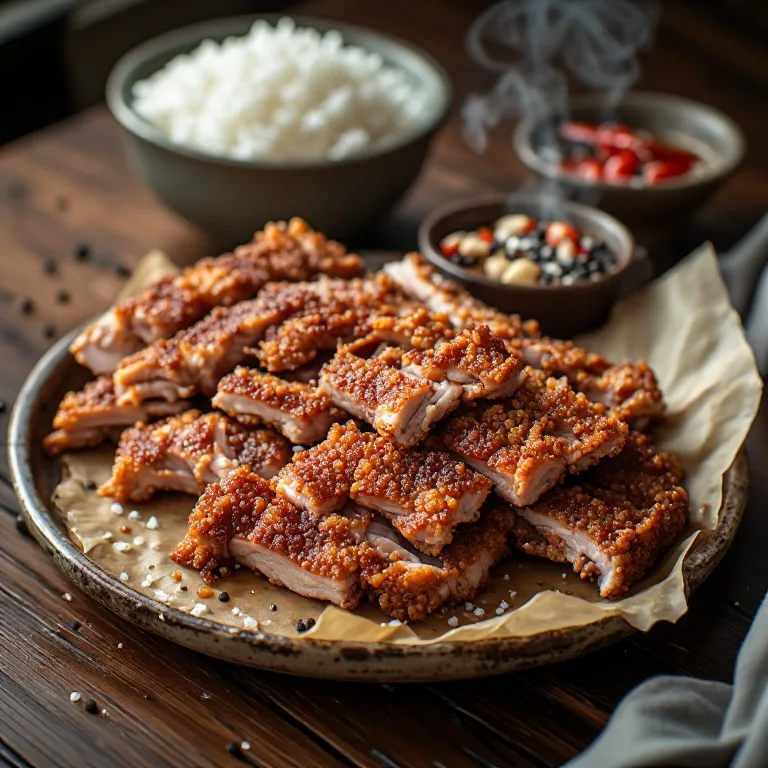
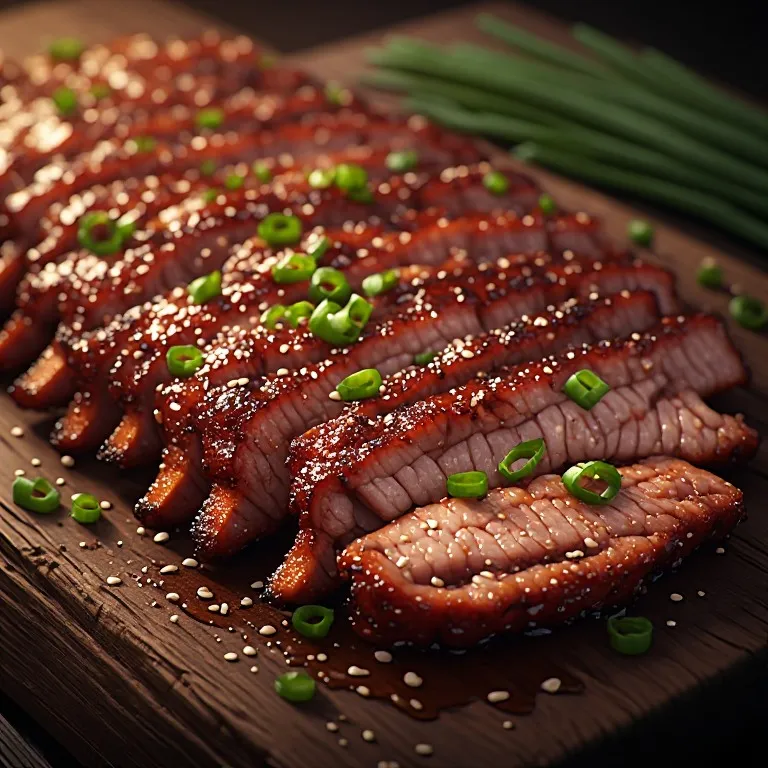
The viral TikTok air fryer lechon kawali recipe: crispy Filipino pork belly made without a deep fryer. Two-stage method — boil with aromatics, then air fry using the salt-crust technique that gets the skin to crackle like glass. Serve with spiced vinegar dip and white rice.

Medium Prep: 15 min (+ overnight drying) Cook: 1 hr 30 min Total: 1h 45m4–6 servings ~$4.50/serving
Prep15 min (+ overnight drying)
Cook1 hr 30 min
Total1h 45m
Servings
4
At home~$4.50/serving
vs
Restaurant~$20.25/serving
You save ~78%

The Story Behind the Recipe

Lechon kawali is one of the most beloved dishes in Filipino cooking — a slab of pork belly, skin on, boiled until tender in a pot of garlic, onion, bay leaves, and peppercorns, then fried until the skin blisters into crackling. "Kawali" means wok or frying pan, and traditionally the whole slab gets lowered into a kawali of very hot oil. The sound it makes when the skin hits the oil — a thunderous, crackling sizzle — is half the experience. Filipino families serve lechon kawali at birthdays, fiestas, and Sunday lunches; it's the kind of dish that makes people hover near the kitchen waiting for the first cut. The TikTok version that blew up starting in 2025 swapped the deep fryer for an air fryer, and it spread because the result is genuinely comparable to the original at a fraction of the mess and oil. Filipino food creators racked up tens of millions of views on air fryer lechon kawali clips — the home-cook appeal being that a dish requiring a wok of hot oil or a traditional clay pot was suddenly accessible in a standard kitchen appliance.

The crackling is the whole game, and the technique that makes it work is simple once you know it. Completely dry skin is the non-negotiable starting point: any moisture left on the surface steams instead of sizzles, turning the skin chewy and bubbled rather than glass-crisp. The TikTok salt-crust technique — packing a thick layer of kosher salt onto the skin and air frying at a lower temperature first — draws out that residual surface moisture before you crank the heat for the final blast. Then a brush of white vinegar in the last minutes: the acid destabilizes the collagen further and accelerates the puffing. The result is that dramatic blistered, golden, shatter-when-you-bite-it crackling that looks like it came from a proper lechon roast, from a countertop appliance in about two hours.

Nutrition Facts

Per serving (4–6 servings)
Calories550
Total Fat46g
Total Carbs2g
Dietary Fiber0g
Sugars0g
Protein24g
Sodium820mg

* Estimated values based on standard recipe preparation. Actual values may vary.

Ingredients

  • Pork belly
  • Salt crust (for air frying)
  • Spiced vinegar dip (sawsawan)
  • To serve

Instructions

💡
Pro tip: This recipe tastes even better the next day. The flavors need time to meld together in the fridge.
❄️
Storage: Keeps in an airtight container in the fridge for up to 2 weeks. Freezer-friendly for up to 3 months.
🎃 Free Halloween cookbook — download now The Copycat Halloween Cookbook A ready-made, photo-illustrated PDF of our best halloween copycat recipes — free to download, no building required. Pay what you want to support if you love it.

Free PDF — instant download. We'll also send new seasonal copycat recipes now and then; unsubscribe anytime. Or just download it →

The viral TikTok air fryer lechon kawali is the easiest path to real Filipino crispy pork belly crackling at home — no wok of hot oil, no splatter, no stress. Here’s the two-stage technique (boil with aromatics, then the salt-crust air fry method) that makes the skin shatter like glass.

Why Lechon Kawali Went Viral on TikTok

Filipino food creators have been leading one of the most significant shifts in food content on TikTok since 2024 — a cultural reckoning where millions of non-Filipino viewers discovered that the cuisine had been underrepresented in the mainstream American food media conversation for decades. Lechon kawali was a flagship recipe in that wave because it’s undeniably spectacular: a slab of pork belly emerges from the fryer with a skin that has transformed into rigid, amber-colored crackling that makes a distinct cracking sound when you cut through it, and falls apart into shattery, porky, impossibly satisfying pieces.

The air fryer version spread because it solved the biggest barrier to entry. Traditional lechon kawali requires lowering a large piece of raw pork into a kawali (wok) of hot oil — a technique that demands a large wok, a significant amount of oil, and confidence managing a vessel of oil hot enough to aggressively fry a 2-inch-thick slab. The air fryer version produces a result that’s genuinely comparable to the deep-fried original, accessible in any kitchen, with no oil management and no splatter cleanup.

The Salt-Crust Technique: What the TikTok Videos Got Right

The insight that made lechon kawali videos go viral wasn’t a secret Filipino technique — it was a clear explanation of why the crackling works or fails, combined with the salt-crust method that gives you a same-day option when you can’t do the overnight dry.

Three things determine whether you get real crackling or disappointingly chewy skin:

1. Dry skin wins every time. The pork belly skin is a dense, collagen-rich structure. For it to blister and crackle, the heat needs to drive the internal moisture outward and cause the collagen to puff and set. Any water remaining on the outer surface of the skin hijacks this process — the water evaporates first, absorbing heat energy that should be going into the blistering reaction, keeping the skin from reaching the temperature it needs. Overnight air-drying in the refrigerator gets the skin to a near-parchment texture.

2. The salt crust accelerates drying through osmosis. Packing kosher salt on the skin and running the air fryer at a lower temperature (385°F) first works like a first-stage dehumidifier for the skin — the salt draws moisture out of the surface tissue before you apply the high heat that creates the crackling. After 15 minutes, you scrape off the now-damp salt (it will have clumped from absorbed moisture), and the skin is ready for the high-heat blast.

3. Vinegar unlocks faster blistering. Brushing the skin with white vinegar just before the final high-heat pass is the third-step technique you’ll see in the most successful TikTok lechon kawali videos. The acetic acid in the vinegar partially breaks down the outer collagen structure of the skin, lowering the temperature threshold at which the skin starts to puff and blister. The result is more consistent crackling across the whole surface rather than only in the thickest spots.

What to Serve with Lechon Kawali

The classic Filipino meal is simple: lechon kawali, white rice, and a small bowl of spiced vinegar (sawsawan). The vinegar is not just garnish — the sharp acid cutting through the richness of the pork fat is what makes the dish feel balanced rather than heavy, and dipping each piece briefly before eating is how the dish is meant to be eaten.

Sliced tomatoes alongside are traditional and work perfectly as a palate reset between bites. A simple cucumber salad (sliced cucumber, red onion, white vinegar, a pinch of sugar) or steamed bok choy are natural additions for a complete meal.

For parties, lechon kawali scales well: you can boil 4–5 lbs of pork belly the day before, air-dry overnight, and run it in batches through the air fryer to order just before serving.

Troubleshooting

Skin is soft and chewy: The skin didn’t dry enough before air frying — moisture on the surface prevented the crackling reaction. Return the sliced pork to the air fryer at 400°F for 8–10 more minutes, skin side up. It usually recovers partially, though not to the same level as properly dried skin. For next time, extend the air-drying time.

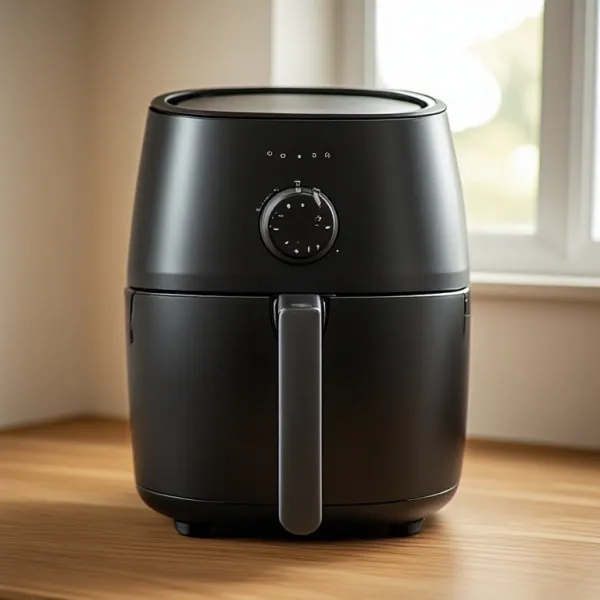
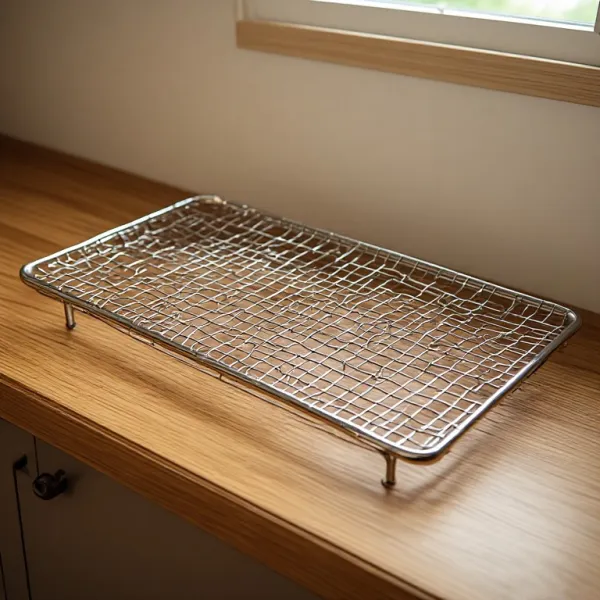
Skin crackled only in patches: Uneven salt application or uneven heat distribution in the air fryer basket. Use a second tray or rack to elevate the slab closer to the heating element if your air fryer allows it, and rotate the basket halfway through the final high-heat pass.

Meat is dry or stringy: The pork boiled too long, or the slabs were too thin for the cooking time. A 2-inch-thick slab at 45 minutes should yield juicy, pull-apart meat. If your slab was thinner, reduce the boiling time by 10–15 minutes next time.
🥗

Make It Healthier

Love Viral TikTok Air Fryer Lechon Kawali — The Crispy Filipino Pork Belly Everyone Is Making but want a lighter version? Try these simple swaps:

  • ✓Choose a leaner pork belly slab — ask your butcher for a piece from the upper belly, which has a thicker lean meat layer and less pure fat. This cuts roughly 50–80 calories per serving versus a typical slab with a 1-inch fat cap. The crackling is on the skin, not the fat layer, so leaner pork belly crackles just as well.
  • ✓Serve smaller portions (3–4 oz cooked rather than 5–6 oz) alongside a large volume of vegetables — sliced tomatoes, blanched bok choy, or a simple cucumber-vinegar salad. The intense flavor of lechon kawali means a smaller portion is genuinely satisfying when paired with a lighter side.
  • ✓Skip the white rice and serve over cauliflower rice. The spiced vinegar dip and crackling are so assertively flavored that the swap is barely noticeable, eliminating roughly 200 calories and 45g of carbs from the meal.
  • ✓The vinegar dipping sauce already does most of the fat-cutting work at the table — the acid slices through the richness in each bite without any recipe modification. Don't skip the sawsawan; it's not just garnish, it's how the dish stays balanced.

Frequently Asked Questions

What is the viral TikTok air fryer lechon kawali, and why is it trending?

Lechon kawali is a classic Filipino pork belly dish traditionally deep-fried in a wok of hot oil until the skin blisters into crackling. The TikTok version replaced the deep fryer with an air fryer, making the dish achievable at home without a large volume of hot oil. Filipino food creators — many sharing family techniques and regional variations — posted air fryer lechon kawali videos that reached tens of millions of views from 2025 into 2026, part of a broader Filipino food cultural moment online. The dish resonated because the result is genuinely comparable to the traditional version: the air fryer's concentrated hot-air circulation creates the high-heat surface contact the skin needs to crackle, and the two-stage approach (lower heat to dry, then high heat to blister) solved the biggest home-cook problem with fried pork belly — chewy, uneven skin.

Why is completely dry skin so important for lechon kawali crackling?

The crackling forms when the moisture inside the skin's collagen and gelatin layers heats rapidly, expands as steam, and causes the skin to puff and blister. If there is liquid water on the skin's outer surface, it absorbs heat energy through evaporation before the skin can reach the temperature needed to blister — the skin steams instead of crisps, producing a pale, chewy, rubbery texture rather than the hard, golden crackling you want. Overnight air-drying in the refrigerator desiccates the skin to a nearly papery consistency so that the applied heat goes directly into the blistering reaction rather than fighting residual moisture first. The salt-crust technique accelerates this for a same-day approach by drawing out surface moisture osmotically before the high-heat pass.

Can I skip the overnight drying and make lechon kawali the same day?

Yes, using the salt-crust technique. After boiling and patting the pork completely dry, pack the salt crust directly onto the skin and air fry at 385°F for 15 minutes before the final high-heat blast. The salt crust draws out surface moisture in those 15 minutes, partially substituting for the overnight drying. The overnight version produces more consistently blistered crackling across the whole surface, but the same-day version produces excellent results if you're thorough about patting the pork dry before applying the salt. A 2-hour air-dry at room temperature on a wire rack (or 1 hour uncovered in the refrigerator) before applying the salt crust gives the best same-day outcome.

What dipping sauce do you serve with lechon kawali?

The traditional Filipino accompaniment is spiced vinegar — a small bowl of white cane vinegar or white wine vinegar spiked with minced garlic, sliced bird's eye chili, a pinch of sugar, and salt. The acidity cuts through the richness of the pork and the crackling in each bite. Filipino lechon sauce (a liver-based sauce made from the pig's liver, vinegar, breadcrumbs, garlic, and spices) is the other classic pairing — it's available jarred at Asian grocery stores under brands like Mang Tomas. Toyomansi (soy sauce with calamansi juice and sliced chili) is a quicker alternative that works particularly well. Avoid heavy cream-based dips or cheese sauces — they compete with rather than cut through the fat.

Where can I buy skin-on pork belly for lechon kawali?

Asian grocery stores almost always carry whole skin-on pork belly slabs in the 2–5 lb range, typically at a better price than standard supermarkets. Ask the butcher counter at any large supermarket — most can cut a skin-on slab from the whole belly if it's not on the shelf. Filipino or Chinese grocery stores specifically are the most reliable source and often carry both whole slabs and pre-cut strips. For online ordering, several butcher delivery services carry heritage-breed skin-on pork belly. Avoid pork belly that has been skinned (many American grocery stores remove the skin as a default) — without the skin, there is nothing to crackle.

How do I reheat leftover lechon kawali without losing the crackling?

The air fryer is also the best reheating method. Slice the leftover pork, arrange skin side up in the basket, and air fry at 375°F for 6–8 minutes. The crackling partially revives during reheating — it won't be quite as dramatic as freshly cooked, but it regains a significant crunch. Avoid the microwave, which turns the crackling completely soft and chewy with no recovery. Oven reheating at 400°F for 10 minutes on a wire rack works as a fallback. For packed lunches, serve cold sliced lechon kawali with rice — the flavor is still excellent even without the crunch.

Love this recipe? Share it!

Free PDF: our 12 most-wanted copycat recipes — instant download.

Made it? Buy us a coffee

Every recipe here is free, with no paywalls. If this one was a hit at your table, a small tip keeps new copycats coming.

$

Ratings & Reviews

—
No ratings yet

Rate this recipe

Click a star to rate

Leave a Review

0/500

CS

Copycat Spices Editorial

Researched + fact-checked. Every recipe on Copycat Spices is built from published sources — official ingredient lists, brand-published recipes, interviews and food-science references — and fact-checked before it goes live, then written as clear, step-by-step instructions for home cooks of all skill levels.

Learn more about our mission →