
Char Siu — Cantonese BBQ Pork’s Perfect Lacquer
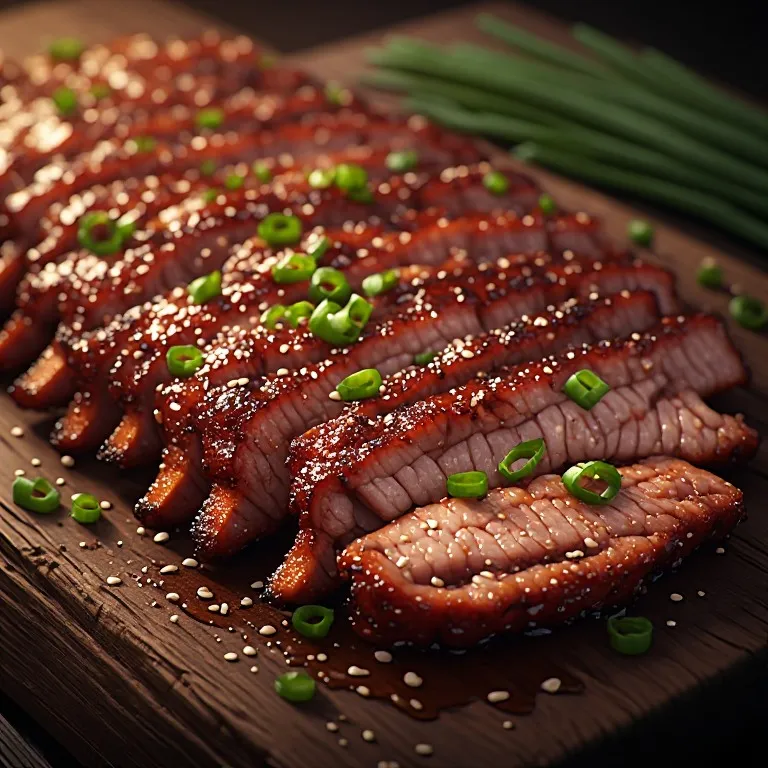
Every Chinatown in the world has a roast meat shop with hanging strips of char siu in the window — that distinctive dark-red, slightly charred pork, glistening under the lights, sending a smell into the street that stops you mid-step. Char siu (叉燒) translates roughly to “fork roasted,” a reference to the traditional technique of hanging meat over an open flame on long forks. The dish has been replicated on TikTok thousands of times, and every time someone films the final broiling stage — the moment the honey glaze caramelizes into a lacquered, slightly charred surface — the comment section fills with people announcing they’re making it this weekend.
The Science of the Glaze
What makes char siu remarkable is the complexity of its glaze. Hoisin provides the base — sweet, fermented, bean-forward. Oyster sauce adds umami and depth. Dark soy sauce contributes color and a faint bitterness. Honey creates the caramelized sheen. But the ingredient that separates restaurant char siu from every copycat recipe that doesn’t include it is red fermented bean curd (nan ru). This preserved tofu, red from fermentation with red yeast rice, adds a funky, deeply savory note with a faint wine quality. It’s what makes the marinade taste like it’s been built over years rather than assembled in a bowl.
Pork Cut Selection
Pork neck (collar butt) is the traditional cut — well-marbled, with enough intramuscular fat to stay moist through the high-heat roasting. The fat renders during cooking and bastes the meat from within while the glaze sets on the outside. Pork shoulder is a close second. Pork loin works but runs leaner and must be watched carefully to prevent drying out. If you see a char siu recipe that specifies tenderloin, know that it’s a compromise for a reason.
The Broiling Finish
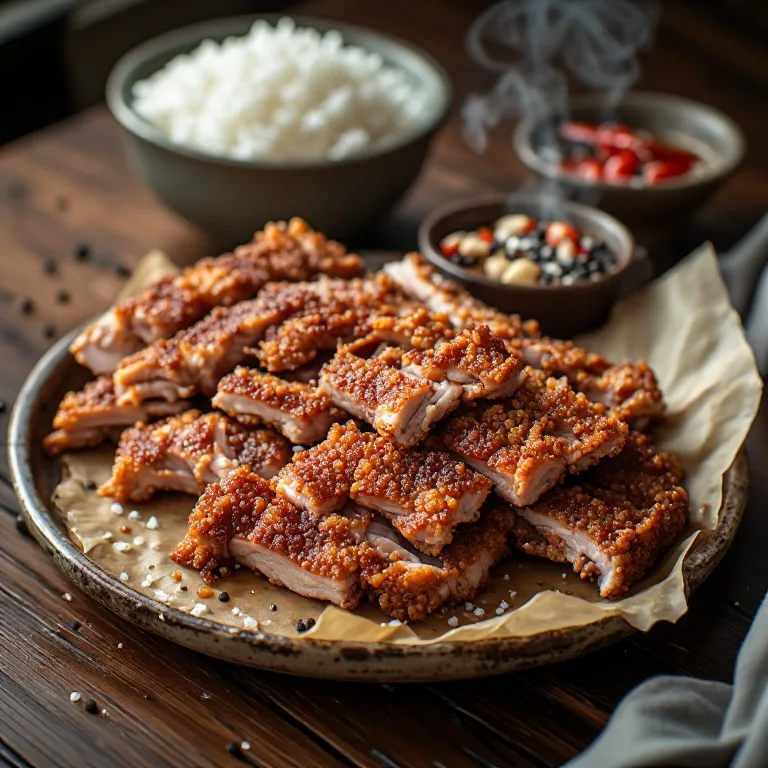
The final 3–5 minutes under the broiler is the dramatic moment: the honey and sugar in the glaze hit the Maillard reaction threshold and caramelize, creating that lacquered, slightly charred exterior that is the visual signature of great char siu. Watch it constantly during this stage — the line between perfectly charred and burnt is about ninety seconds. The char is not a mistake. It’s the point. That slight bitterness at the edges is the counterbalance to all the sweetness in the glaze.
Using Char Siu Beyond the Plate
Char siu bao: Steam buns filled with diced char siu and a sweet oyster sauce. Serve at Sunday dim sum brunch. One of Cantonese cuisine’s most beloved traditions.
Char siu fried rice: Dice cold char siu and stir-fry with day-old rice, egg, scallions, and soy sauce. The sweet-savory char siu is what makes this version of fried rice taste different from every other.
Char siu ramen: Slice thin and lay over a bowl of shoyu or tonkotsu ramen. The sweetness of the glaze bleeds into the broth in each bite — a Cantonese-Japanese fusion that any noodle shop would sell.
Char siu pizza: Unironic. The sweet-savory pork with hoisin as the sauce, mozzarella, sliced scallions, and a drizzle of sesame oil makes a pizza that tastes exactly like the sum of what it sounds like, which is to say: excellent.
Roast a batch on Sunday. The leftovers will make four different excellent meals through Thursday.