


Pin It

Viral TikTok Apple Cider Chicken (One-Pan, Crispy Skin, 45 Minutes)

Viral TikTok Apple Cider Chicken (One-Pan, Crispy Skin, 45 Minutes)
Jump to Recipe
Prep 10 min Cook 35 min Serves 4
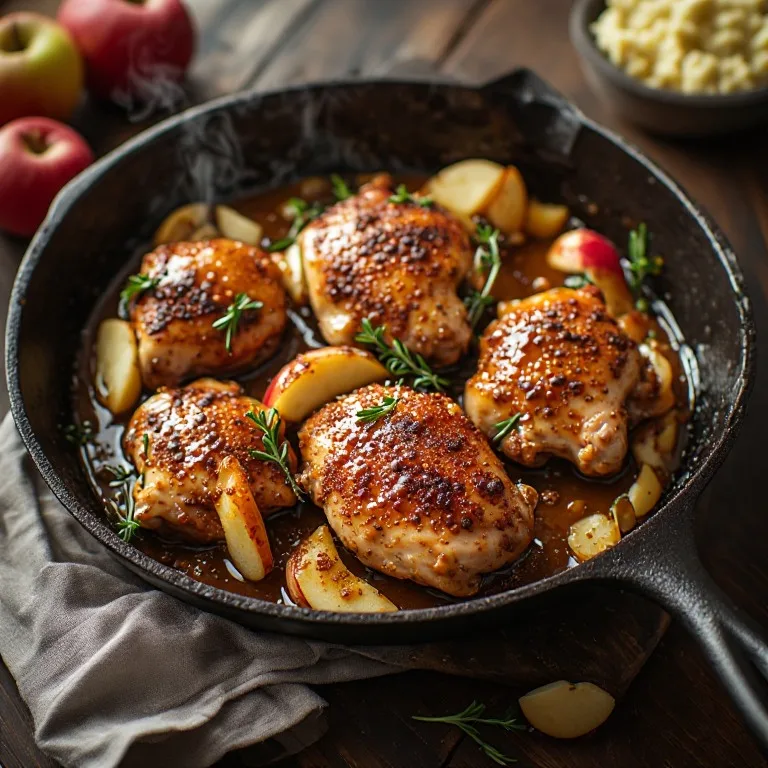
Quick answer: Pat 4 bone-in, skin-on chicken thighs dry and season generously with salt, pepper, and smoked paprika. Heat 2 tablespoons of olive oil in a large oven-safe skillet over medium-high heat. Place chicken skin-side down and sear without touching for 6 to 8 minutes until deeply golden — this is the step most people rush; resist the urge to move it. Flip and sear the flesh side for 2 minutes. Transfer to a plate. Preheat your oven to 425°F. In the same skillet, sauté 2 thinly sliced shallots and 3 sliced garlic cloves for about 2 minutes. Add 1 cored apple cut into 8 wedges (Honeycrisp or Granny Smith) and cook 1 to 2 minutes. Pour in 1 cup of fresh apple cider and ¼ cup of low-sodium chicken broth, scraping up every browned bit from the bottom of the pan. Stir in 1 tablespoon of Dijon mustard and tuck in 3 to 4 sprigs of fresh thyme. Nestle the chicken thighs skin-side UP into the sauce — the skin should sit above the liquid, not submerged in it. Transfer the skillet to the oven uncovered and bake for 20 to 25 minutes until the internal temperature reaches 165°F and the sauce has reduced to a sticky glaze. For an extra-glossy finish, transfer the chicken to a plate, stir 1 tablespoon of butter into the pan sauce, and simmer on the stovetop for 2 to 3 minutes until the glaze coats a spoon. Serve over mashed potatoes or buttered rice and spoon the apples and glaze over everything.

Shop the tools

Gear matched to this recipe. These are Amazon affiliate links — we may earn a small commission if you buy, at no extra cost to you.

As an Amazon Associate, Copycat Spices earns from qualifying purchases. Product images are generic illustrations, not the exact item listed.

Viral TikTok Apple Cider Chicken (One-Pan, Crispy Skin, 45 Minutes)

The fall TikTok apple cider chicken everyone's making: bone-in thighs seared golden, then finished in a sweet-savory apple cider glaze with shallots and fresh thyme. One pan, 45 minutes, and the glaze caramelizes right in the oven.

Easy Prep: 10 min Cook: 35 min Total: 45 min4 servings ~$4.50/serving
Prep10 min
Cook35 min
Total45 min
Servings
4
At home~$4.50/serving
vs
Restaurant~$20.25/serving
You save ~78%

The Story Behind the Recipe

The fall TikTok apple cider chicken everyone's making: bone-in thighs seared golden, then finished in a sweet-savory apple cider glaze with shallots and fresh thyme. One pan, 45 minutes, and the glaze caramelizes right in the oven.

Nutrition Facts

Per serving (4 servings)
Calories326
Total Fat17g
Total Carbs8g
Dietary Fiber1g
Sugars6g
Protein33g
Sodium540mg

* Estimated values based on standard recipe preparation. Actual values may vary.

Ingredients

  • Chicken
  • Apple cider sauce
  • Optional finishing

Instructions

💡
Pro tip: This recipe tastes even better the next day. The flavors need time to meld together in the fridge.
❄️
Storage: Keeps in an airtight container in the fridge for up to 2 weeks. Freezer-friendly for up to 3 months.
🎃 Free Halloween cookbook — download now The Copycat Halloween Cookbook A ready-made, photo-illustrated PDF of our best halloween copycat recipes — free to download, no building required. Pay what you want to support if you love it.

Free PDF — instant download. We'll also send new seasonal copycat recipes now and then; unsubscribe anytime. Or just download it →

There are dozens of chicken recipes that call themselves fall dinners. This one earns it. Apple cider — the seasonal, sweet-tart kind from the refrigerator section, not the vinegar — reduces in a cast-iron skillet with shallots, garlic, and apple wedges into a glossy amber glaze that tastes like autumn concentrate. Bone-in thighs go in skin-side up and come out with golden, crackling skin and meat that the bone has kept basted the entire time.

The whole thing is done in 45 minutes and uses one pan.

The sear is the recipe

Most versions of this dish fail because the sear is rushed. Six to eight minutes skin-side down in a hot skillet sounds like a lot of time for chicken thighs — and it is, by most weeknight standards. But those minutes are doing something specific: the subcutaneous fat between the skin and the meat is rendering out slowly, leaving behind a dehydrated, Maillard-crisped layer that will stay golden in the oven instead of going soft.

Three or four minutes of searing produces browned skin with fat still trapped underneath it. That fat then steams the skin from the inside during braising and turns it flabby. Eight minutes produces a skin where the fat has mostly rendered away and the crust is structural. The oven doesn’t undo it.

Set it down, reduce the heat slightly, and leave it. You will see fat pooling around the thighs and the edges of the skin turning deep gold. That’s the process working. Don’t touch it.

Apple cider — the ingredient that actually matters

The sauce is built almost entirely on apple cider. Not apple cider vinegar (an extremely common and highly visible mistake in TikTok comment sections — vinegar produces an aggressively sour dish). Not apple juice (filtered, sweetened, one-dimensional). Fresh unfiltered apple cider: the cloudy kind sold in gallon jugs in the refrigerated section of every grocery store that carries it in September and October.

Unfiltered cider contains apple pectin, which thickens the sauce naturally as it reduces. It contains malic acid, which tenderizes the meat and brightens the finished flavor. And its sugars — fructose and glucose rather than refined sugar — caramelize at the oven temperature without burning, producing the amber glaze that you see in every TikTok of this dish going around this fall.

One cup of cider reduces to about half in the 20 minutes of oven baking. The sauce isn’t poured on; it concentrates around the chicken and turns sticky on the apple wedges and the sides of the thighs. The butter, if you use it, rounds the acidity and gives the glaze a lacquered finish.

Why the skin stays crispy in the oven

The single structural move in this recipe is positioning. The chicken thighs go back into the pan skin-side UP, and the liquid level sits around and below the meat — not over the skin.

In a full braise (like a Dutch oven apple cider braised pork shoulder), the meat is mostly submerged and the skin goes soft by design. Here, the liquid generates steam that cooks the meat from the sides and the bottom. The skin, facing the dry 425°F oven air directly, never gets wet. The initial sear crust holds through the 20 to 25 minutes of baking and comes out crackling.

If the liquid level in your pan is higher than halfway up the sides of the thighs, spoon some out before putting the pan in the oven.

The apple wedges are not decoration

Honeycrisp or Granny Smith wedges go in during the sauce-building step — before the cider goes in — so they pick up some color from the rendered chicken fat and the fond. After 20 minutes in the oven, they’ve absorbed the cider glaze and gone sweet, jammy, and tender but still holding their shape. They’re not a garnish: they belong on every plate, between the chicken and whatever starch is underneath.

Soft apple varieties (Macintosh, Gala) will cook to mush. Firm, tart apples hold the wedge shape and develop more complex flavor from the caramelization.

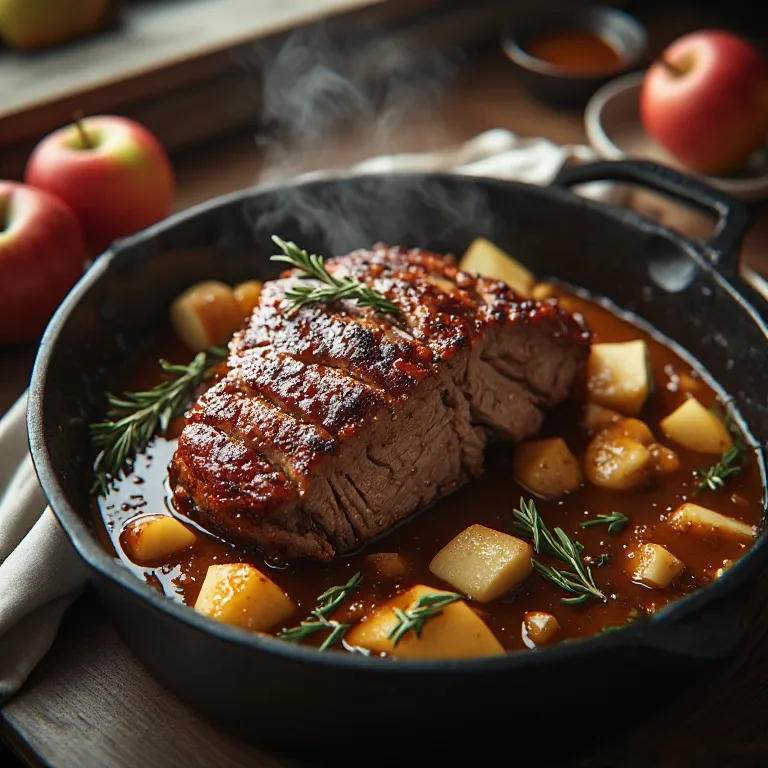
See also: Apple Cider Braised Pork — the slow-cooked, fall-apart shoulder version using a Dutch oven and 3 hours at 325°F; completely different result and technique, same core ingredient logic; Cowboy Butter Chicken — compound butter-basted chicken thighs with a garlic-herb-lemon butter that’s one of the most-viewed chicken formats on TikTok; French Onion Chicken — the slow-caramelized-onion and Gruyère skillet-to-oven format for the savory side of the one-pan chicken rotation; Honey Garlic Chicken — the sweet-savory sticky glaze in a similar one-pan format, without the apple; Boursin Chicken — the creamy herb cheese sauce chicken that’s one of the most-saved fall dinner formats on the platform.

🥗

Make It Healthier

Love Viral TikTok Apple Cider Chicken (One-Pan, Crispy Skin, 45 Minutes) but want a lighter version? Try these simple swaps:

  • ✓Remove the skin before eating to drop fat from about 17g to under 8g per serving. The skin contributes most of the fat but almost none of the protein — you keep the bone-in juiciness of the cooking method, just eat the leaner meat.
  • ✓Use half the butter in the finishing step (½ tbsp instead of 1 tbsp) or skip it entirely. The reduced cider and Dijon are already rich enough that most people won't notice the difference.
  • ✓Serve over cauliflower mash instead of regular mashed potatoes to cut carbs significantly. The apple cider glaze is flavorful enough to make the swap feel intentional rather than like a compromise.
  • ✓For a lower-sodium version, skip the added kosher salt and use unsalted broth. The smoked paprika carries enough flavor on the skin, and the cider sauce has natural sweetness that reduces the need for salt as a flavor crutch.

Frequently Asked Questions

What is apple cider and how is it different from apple cider vinegar?

Apple cider is fresh-pressed, unfermented apple juice — sweet, complex, and slightly cloudy from the natural pectin and apple solids suspended in it. In the fall, it's sold in the refrigerated section next to fresh juice at most grocery stores, co-ops, and farmers' markets in gallon or half-gallon jugs. Apple cider VINEGAR is a completely different product: fermented and then acetified (turned acidic), with a sharp, tart, vinegar flavor. If you use apple cider vinegar in this recipe, you will make an aggressively acidic chicken that tastes like a vinegar marinade, not a fall dinner. The quantities are radically different: 1 cup of apple cider gives you a sweet, mellow braising liquid; 1 cup of apple cider vinegar would be inedible. This mistake shows up constantly in TikTok comments sections — use the cider, not the vinegar. Also: do not use hard (alcoholic) cider. Hard cider is fermented and will leave a slightly boozy, bitter note in the finished sauce rather than the clean, sweet apple character of fresh cider.

Can I use boneless chicken thighs or chicken breasts?

Boneless thighs work and cut the cook time to about 15 to 18 minutes at 425°F — watch the temperature carefully as they'll overcook quickly without the bone. The result is juicier than using chicken breasts but less rich than bone-in, since the bone releases collagen into the surrounding meat during cooking. Chicken breasts can be used but need care: they dry out fast at 425°F, so reduce the oven time to 15 minutes and pull at exactly 165°F internal. Bone-in breasts (split breasts) are the best breast-based substitute — they stay moister than boneless and take about the same time as bone-in thighs.

Why does the skin stay crispy even though the chicken is braised?

Because it's only partially braised — the skin is never submerged. In a full submerged braise (like the apple cider braised pork recipe), the meat is mostly covered in liquid and the skin goes soft. Here, the liquid reaches about halfway up the sides of the thighs. The skin sits exposed above the liquid and faces the dry, hot oven air directly during the 20 to 25 minutes of baking. The Maillard crust from the initial sear is the structural layer; the oven's dry heat keeps it that way. If you want extra-crispy skin, broil for the final 2 to 3 minutes — but watch it closely, it can go from golden to blackened in 60 seconds under a broiler.

What apples work best in this recipe?

Firm, slightly tart apples that hold their shape during cooking. Honeycrisp is the first choice — its firm flesh stays in wedges through a 25-minute bake, and its balanced sweet-tart flavor complements the chicken without competing with it. Granny Smith is the tart choice — it holds shape even better than Honeycrisp and its sharpness cuts through the fat in the sauce, giving it a brighter finish. Pink Lady falls in between. Avoid soft dessert apples like Macintosh, Gala, or Golden Delicious — they turn to applesauce at this heat. If you can only find Gala or Fuji, add them 10 minutes into the oven bake rather than at the sauce-building stage to prevent full disintegration.

How is this different from the apple cider braised pork recipe?

Almost everything is different. The pork recipe is a full three-hour low-and-slow Dutch oven braise at 325°F — the shoulder is mostly submerged in liquid and comes out shredded and falling apart. This is a 45-minute skillet-to-oven recipe at 425°F where the chicken skin stays above the liquid and comes out crispy. The pork uses a yellow onion and needs chicken stock as a significant part of the braising liquid because the long cook would concentrate straight cider to syrup. This uses shallots, a smaller amount of cider, and cooks for such a short time that the cider's sweetness balances without reducing to candy. The experience is completely different: pork is a weekend braise you pull apart; this is a weeknight dinner where you serve whole thighs with a glossy pan sauce.

Why does Dijon mustard go into the sauce?

Two reasons. First: emulsification. As the rendered chicken fat and cider simmer together, they naturally want to separate — fat on top, liquid below. Mustard contains lecithin, the same emulsifying compound in egg yolk, which bonds fat droplets and liquid into a cohesive, glossy sauce. Without it, you'd have cider with a grease slick floating on top. With it, the sauce has a unified, spoonable consistency. Second: flavor depth. Dijon adds a savory, slightly sharp note that balances the sweetness of the apple cider and the caramelized apple slices without tasting like mustard — at 1 tablespoon in a 1¼ cup liquid, you won't identify it, but you'd notice if it was absent.

Can I make this ahead of time?

Yes, with the caveat that the skin softens overnight in the refrigerator regardless of how crispy it was fresh. If reheating from the fridge, place the chicken on a rack on a baking sheet and heat at 400°F for 12 to 15 minutes to re-crisp the skin. Alternatively, make the sauce ahead (shallots, garlic, apple, cider, Dijon, herbs — all cooked and reduced) and refrigerate separately; sear and finish the chicken fresh when you're ready to eat. The sauce reheats in 5 minutes on the stovetop and actually improves slightly overnight as the flavors meld.

What should I serve this with?

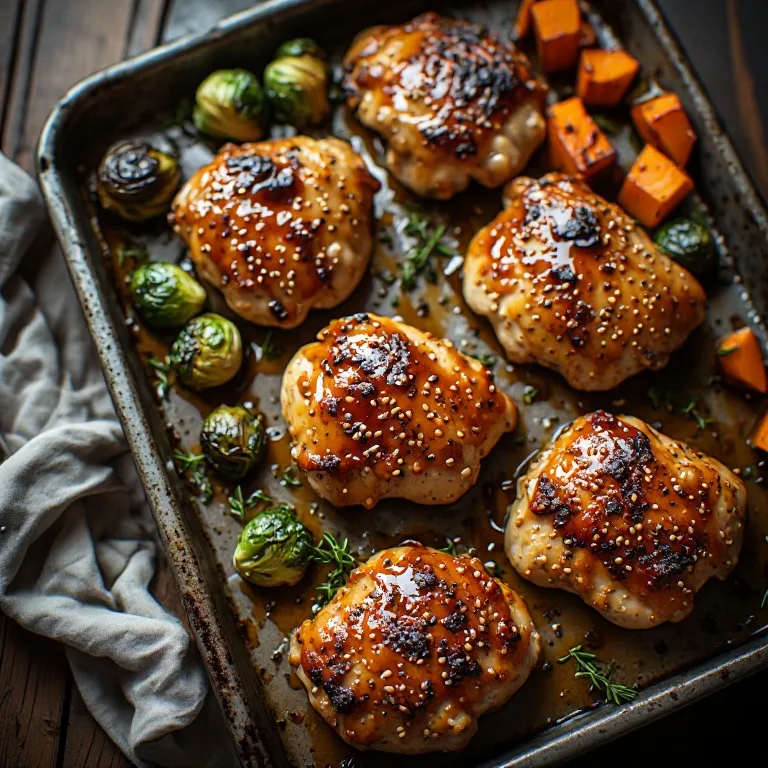
Mashed potatoes are the classic choice — they absorb the apple cider glaze and the apple-shallot mixture works with the potato's richness. Buttered egg noodles are a close second: simpler and faster, and the noodles catch the sauce in a different way than potatoes. Plain buttered rice works and is the lowest-effort option. If you want vegetables: roasted Brussels sprouts or roasted delicata squash wedges are natural fall pairings. A simple green salad with a Dijon vinaigrette mirrors the mustard in the pan sauce and cuts through the richness of the glaze.

Love this recipe? Share it!

Free PDF: our 12 most-wanted copycat recipes — instant download.

Made it? Buy us a coffee

Every recipe here is free, with no paywalls. If this one was a hit at your table, a small tip keeps new copycats coming.

$

Ratings & Reviews

—
No ratings yet

Rate this recipe

Click a star to rate

Leave a Review

0/500

CS

Copycat Spices Editorial

Researched + fact-checked. Every recipe on Copycat Spices is built from published sources — official ingredient lists, brand-published recipes, interviews and food-science references — and fact-checked before it goes live, then written as clear, step-by-step instructions for home cooks of all skill levels.

Learn more about our mission →