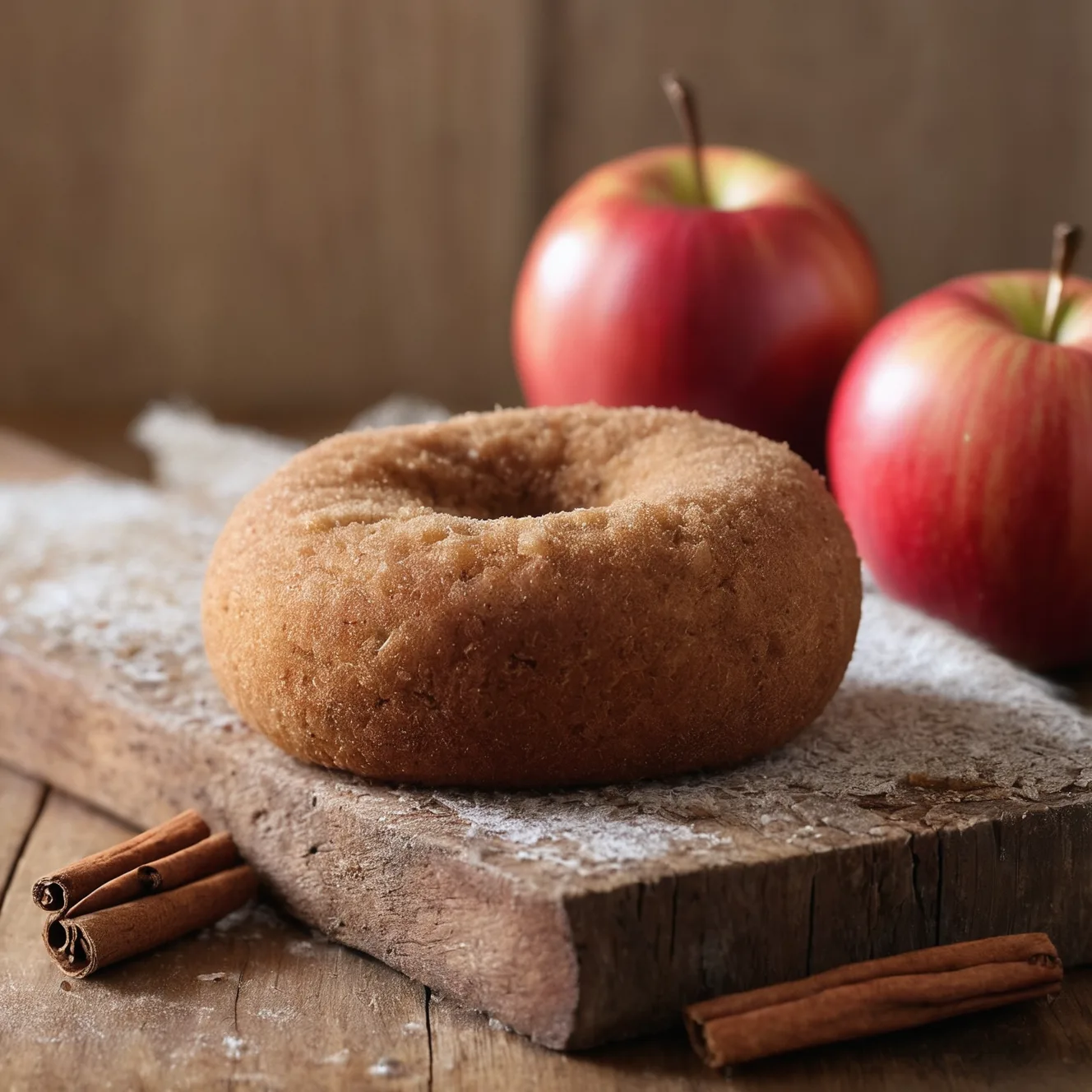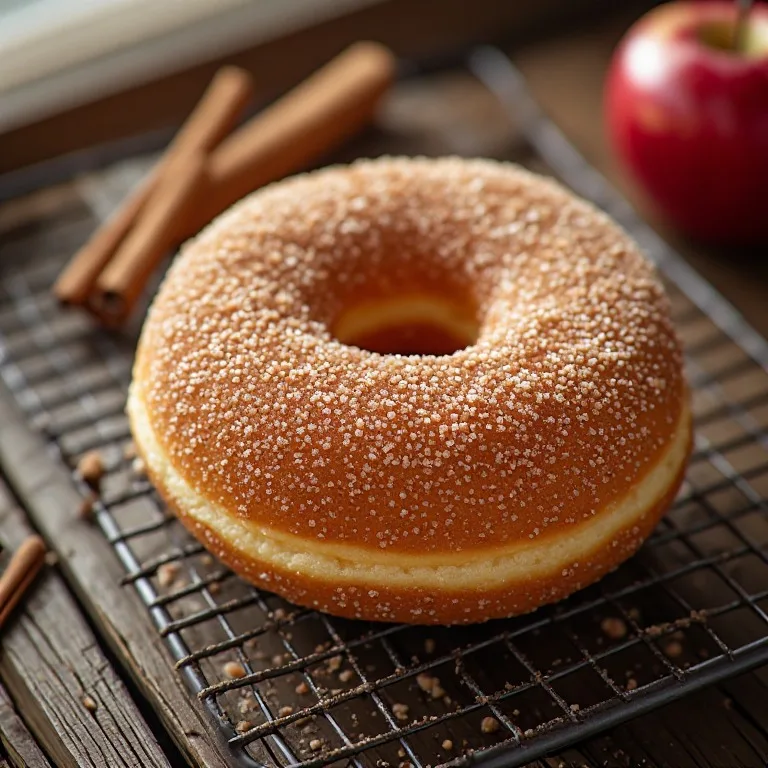

Every September, the same thing happens on TikTok: someone walks up to an apple orchard stand, bites into an apple cider donut dusted in cinnamon sugar, and immediately wants to make them at home. The baked version — donut pan, no deep fryer, ready in 45 minutes — is why this recipe has been going viral every fall for years. The version here produces a genuinely apple-flavored donut, not a spiced cake that vaguely hints at apple. The difference is one step most recipes skip.
The cider reduction: the step that actually makes these taste like apple
Raw apple cider is about 88% water. If you add it straight to the batter, you’re adding mostly water with a faint apple flavor and significantly wetting the batter. The donuts will be slightly moist but taste like cinnamon-spice cake.
Simmer 1½ cups of cider over medium heat, uncovered, for 20 to 25 minutes until it’s reduced to ½ cup. As the water evaporates, the apple solids concentrate into a thick, deeply colored, intensely apple-flavored syrup. When that reduced cider goes into the batter, the apple taste is unmistakable — every bite reads as apple, not just spice.
This is the technique used by every apple orchard that makes good cider donuts. Skip it and you have a decent fall donut. Do it and you have the real thing.
Use unfiltered apple cider — the cloudy, brownish-gold kind found in the refrigerated section of grocery stores or at farm stands. Filtered apple juice has had the solids removed and doesn’t reduce into the same concentrated flavor. The label might say “cider” or “apple cider,” but if it’s clear and shelf-stable, it’s juice.
Baked vs. fried: why the baked version works
Traditional farm-stand apple cider donuts are fried — dropped into 350°F oil where the exterior sets almost instantly, creating the familiar tender-crumbed interior with a slightly firm crust. Frying is authentic and produces a slightly more complex texture.
The TikTok version is baked in a donut pan, and for good reason: no thermometer, no oil management, no cleanup. The baked version trades the faint exterior crust of a fried donut for an evenly tender interior throughout, and the cinnamon sugar coating — applied to a warm, butter-dipped donut — creates the exterior texture contrast that fried donuts get from the oil.
The flavor difference between baked and fried is minor when the cider is properly reduced. The technique difference for the home cook is major.
If you’re specifically trying to match a chain’s version rather than the generic orchard-stand donut, our Dunkin’ apple cider donut copycat breaks down both the fried and baked routes for that exact donut and prices it out against buying it.
The donut pan: the one piece of equipment you actually need
A standard 12-cavity donut pan is not optional. The center hole of the pan isn’t decorative — it creates even baking through the ring shape. Donuts baked in a muffin tin are small, dense cakes that bake unevenly and don’t have the right texture.
Donut pans cost $10 to $15 and are available at any kitchen store or online. Once you have one, this recipe takes 15 minutes of active prep and 11 minutes of baking.
Filling tip: transfer the batter to a large zip-lock bag and pipe it into the cavities by snipping a corner. Much faster and more even than spooning.
The coating: why warm and butter-dipped is the only way
Cinnamon sugar sticks to a donut because it adheres to the fat on the surface. Dipping a warm donut in melted butter before rolling in the cinnamon sugar gives every surface a thin coating of fat that the sugar bonds to, forming a delicate, slightly crunchy shell. This is the texture from the orchard stand.
If you skip the butter dip and just roll a plain baked donut in dry cinnamon sugar, most of it falls off immediately. If you let the donuts cool fully before coating, they’re too cold for the sugar to adhere well. The sequence — 5 minutes in the pan, turn out, butter dip while still warm, immediate cinnamon sugar roll — needs to happen in that order.
Connecting this to the rest of fall apple season
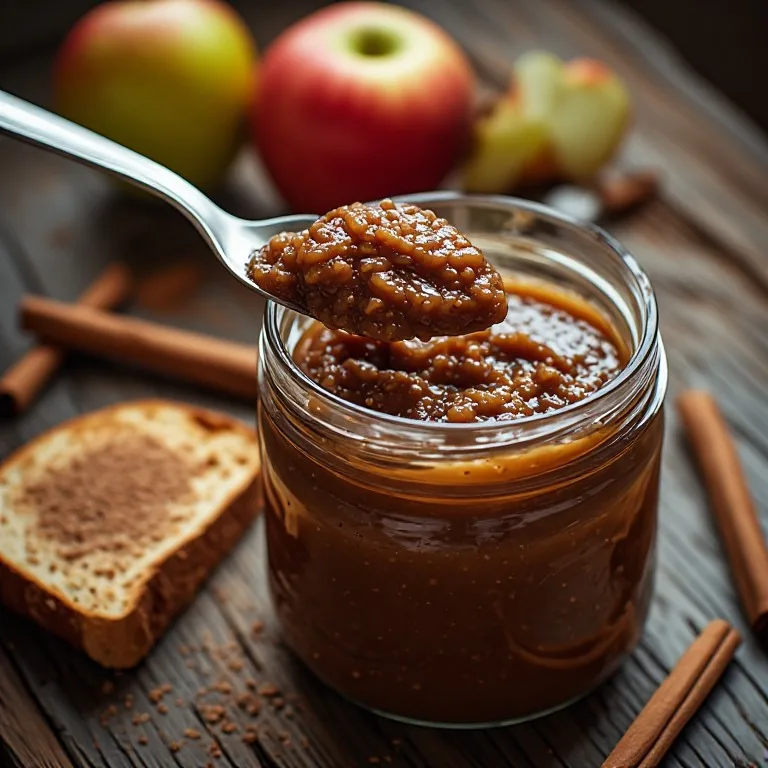
If you made a batch of crockpot apple butter, the two use the same unfiltered apple cider in completely different ways — the apple butter slow-cooks for 12 hours and concentrates by reducing uncovered, while the donut reduces quickly on the stovetop in under 30 minutes. Both are built around the same core idea: raw apple cider has too much water and not enough flavor until you cook it down.
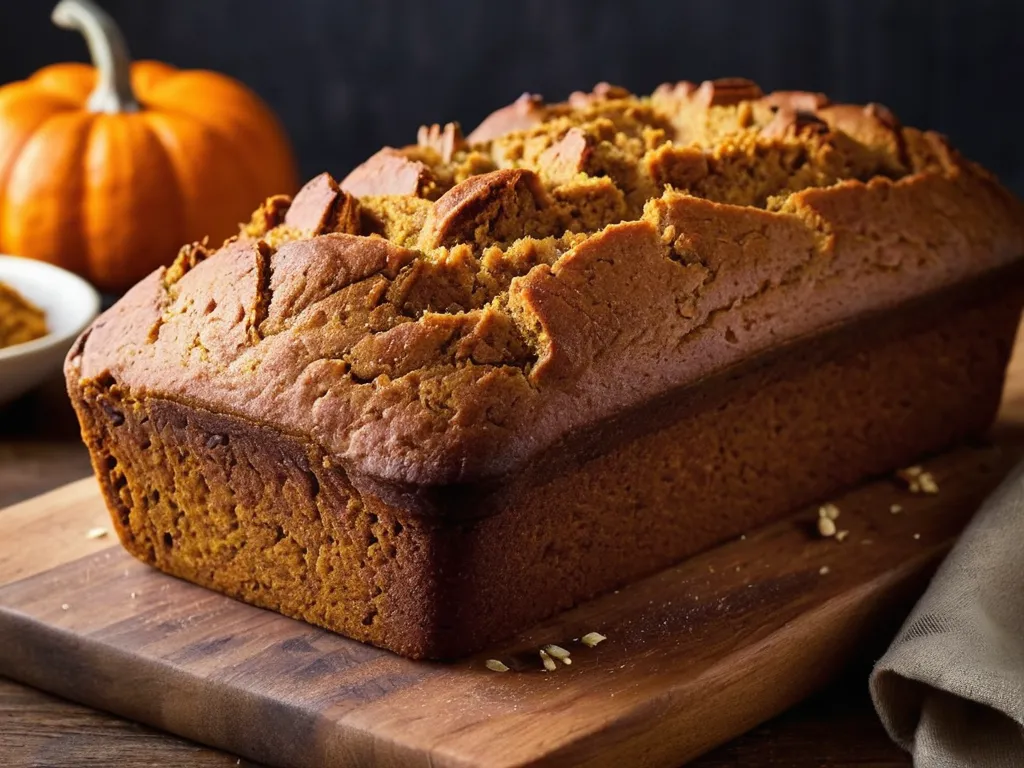
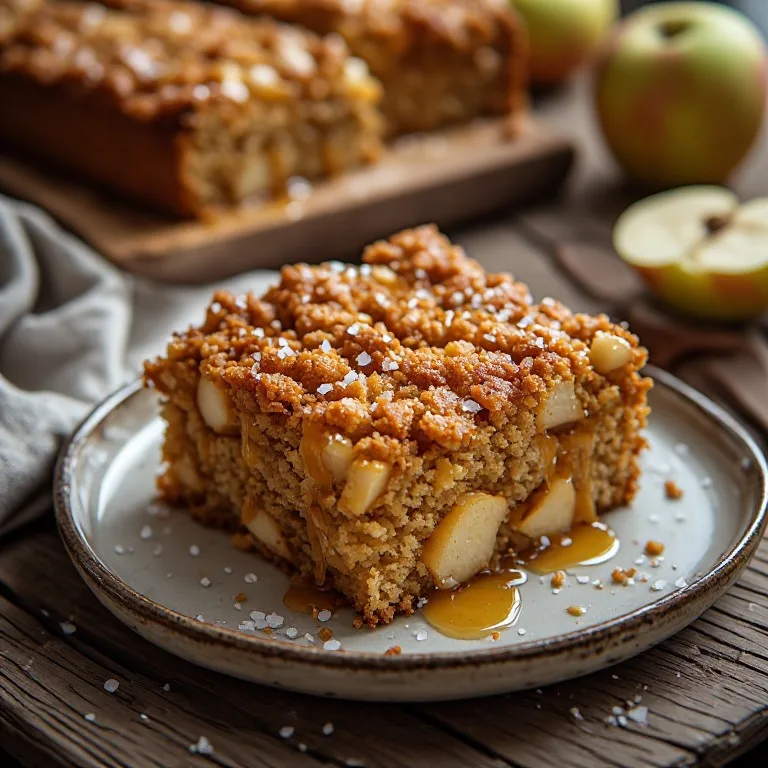
Brown butter apple cake uses a similar fall spice profile in a larger-format dessert — browned butter adds a nutty, caramelized note that works well next to the apple. For a bread option, pumpkin bread is the fall baking staple that covers the same morning-treat territory from a completely different direction.
For yeasted fall baking, the viral cinnamon rolls and cinnamon roll focaccia are the same cinnamon-heavy sweet breakfast zone — different techniques, different textures.