


The Fall 2026 Cake That Is Not Pumpkin Spice
Every fall, TikTok produces one cake that genuinely earns its viral moment. In 2026, it is not a pumpkin cake. It is brown butter apple cake — simple to make, not overtly trendy, and better than it looks in every photo because the brown butter is doing something the photo cannot communicate: it changes the entire flavor register of a basic batter.
It is the same cake behind the version Kiley Heard (@wellmadebykiley) shared this fall — one of the most widely circulated takes on the trend — and it is worth understanding why it works before you make it.
Why Brown Butter Changes This Cake
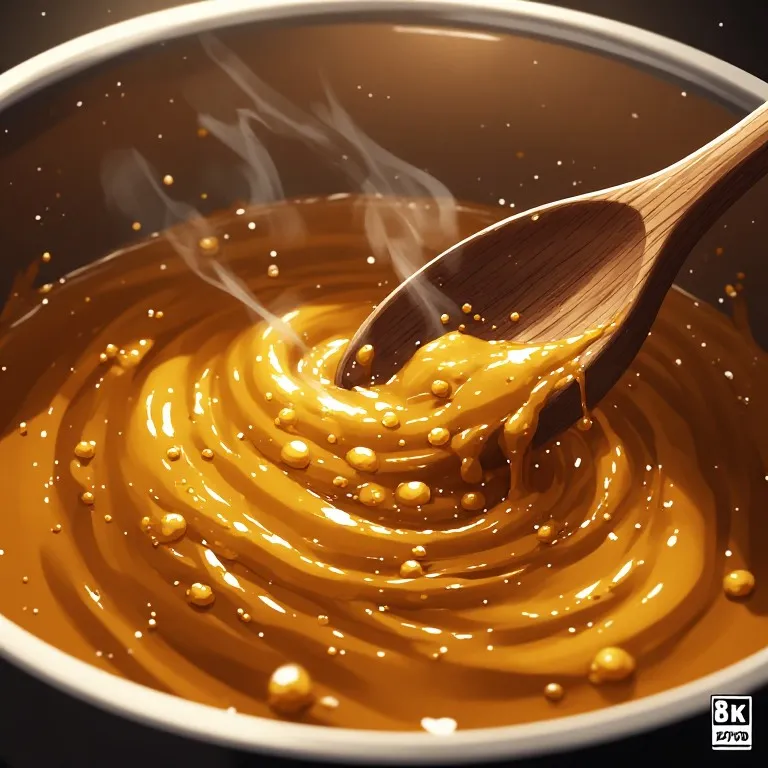
Brown butter is butter cooked past the point where the water evaporates and the milk solids (proteins and sugars) undergo the Maillard reaction — the same browning chemistry that makes seared steak and roasted coffee smell the way they do. The result is a fat that tastes like toasted hazelnuts, caramel, and a faint hint of butterscotch.
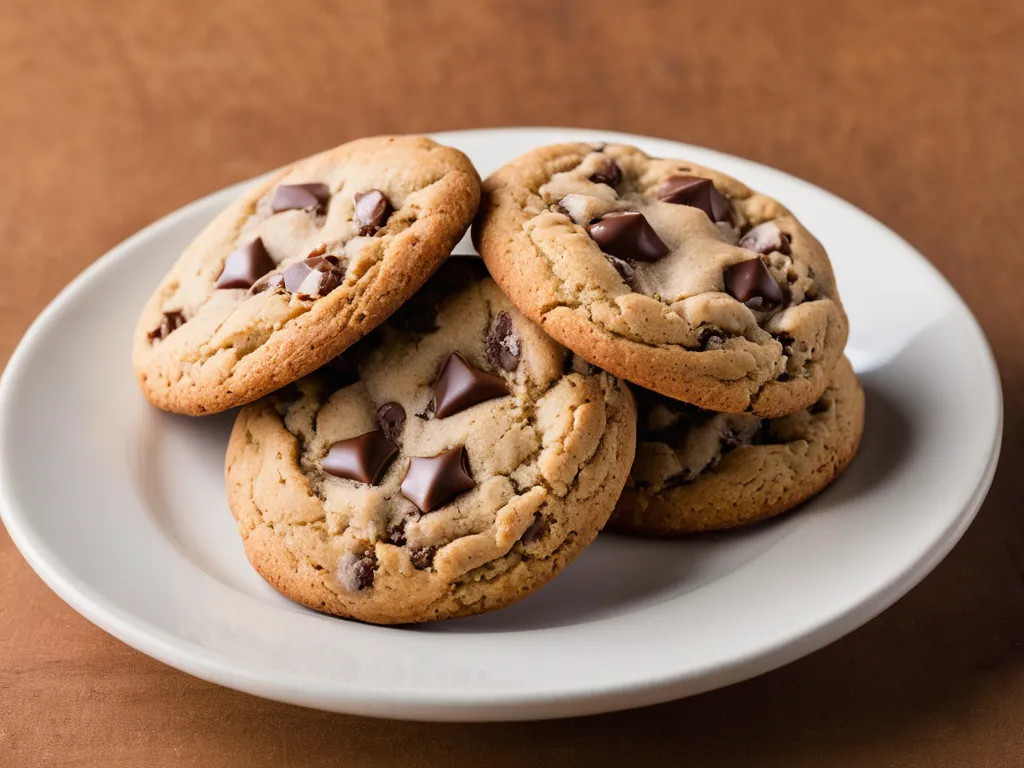
In a chocolate chip cookie, the brown butter’s effect is real but partially masked by chocolate, sugar, and vanilla. In a simple apple cake, there is nothing to hide behind. The cake is not strongly spiced. The apple adds tartness and moisture. The brown butter is the dominant flavor note from first bite to last — nutty, complex, caramel-toned in a way that no amount of added cinnamon can replicate.
The second reason this cake works is that it requires no mixer and no creaming. Once the butter is browned and cooled, the entire batter comes together in one bowl. The mixing time from start to oven is under 10 minutes.
The One Step Everyone Skips — And Why It Ruins the Cake
Brown butter must cool for 15 to 20 minutes before you add the eggs.
Hot brown butter just off the stove sits at 250 to 300°F. Egg proteins scramble at around 145 to 160°F. Adding eggs to hot brown butter cooks them on contact — you get streaks of set protein in the batter, which create a grainy, uneven texture and a cake that rises unevenly because the leavening cannot work through dense cooked egg patches.
The fix is non-negotiable: pour the brown butter into a heatproof bowl immediately when it reaches amber (this stops the cooking), then let it sit for 15 to 20 minutes or put it in the freezer for 8 minutes. You want it warm — still flowing easily — but not hot. If you can hold your hand 2 inches above the bowl comfortably, it is ready.
The milk solids must be scraped from the pan. Every brown bit at the bottom of the saucepan is concentrated Maillard-reaction flavor. Leaving them behind loses the entire point of browning the butter.
Choosing the Right Apples
Tart apples are not a suggestion — they are a structural requirement.
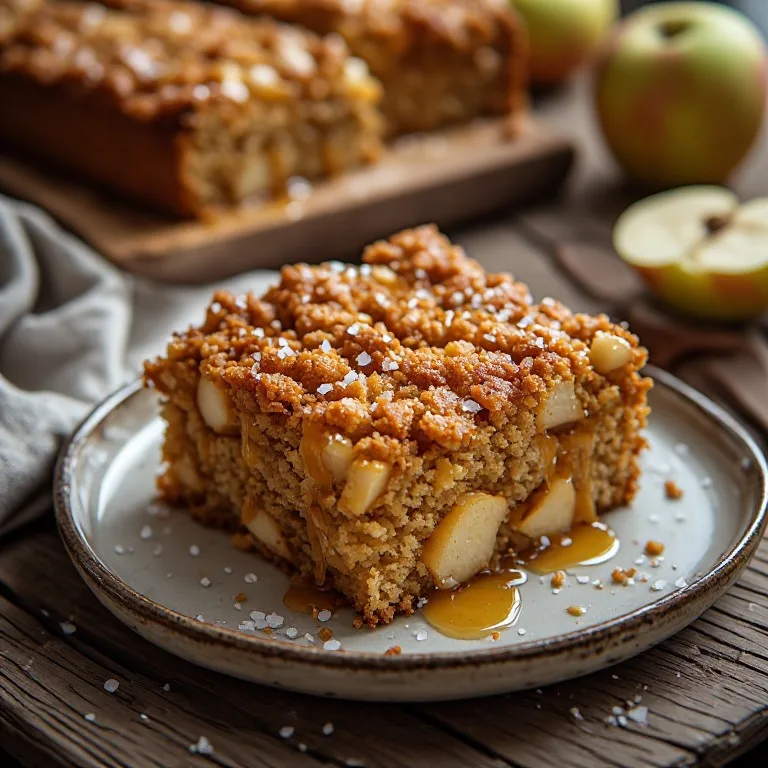
Granny Smith: Holds its shape the best as ½-inch cubes after 40-plus minutes in the oven. The tartness cuts through the caramel richness of the brown butter and the sweetness of the sugar, creating contrast in every bite. The firm flesh means distinct apple chunks rather than soft pockets.
Honeycrisp: Slightly softer after baking, but still holds its cube shape. Slightly sweeter than Granny Smith, which produces a warmer, less sharp apple flavor. A good choice if you prefer more apple sweetness and less tartness.
Pink Lady: Comparable to Honeycrisp — holds shape well, a bit sweeter than Granny Smith, slightly more aromatic.
Red Delicious, Fuji, or Gala: Not recommended for baking in chunks. These apples turn mealy and collapse during baking, releasing excess moisture that makes the surrounding crumb gummy. If those are what you have, grate them instead of cubing (different technique, different result — a uniformly moist, dense crumb rather than distinct apple pieces).
A mix of Granny Smith and Honeycrisp — 1½ cups of each — produces the most layered apple flavor in the finished cake.
The Apple Toss: Why It Matters
Before folding the apples into the batter, toss them briefly with 1 tablespoon of sugar and 1 teaspoon of cinnamon.
This does two things. First, the sugar draws a small amount of surface moisture from the cut apple faces — moisture that you leave in the toss bowl and do not add to the batter. This keeps the batter’s hydration controlled and prevents the wet pockets that form when excessively moist apple chunks are folded into a thick batter.
Second, the cinnamon coating means every apple piece is individually seasoned before it enters the cake. When you hit a chunk in the finished slice, it tastes fully flavored rather than like a raw fruit piece suspended in sweet dough.
The Mixing Method
This is not a creamed-butter cake. There is no step where you beat the butter and sugar together until pale and fluffy to incorporate air. The structure here comes entirely from the baking powder, the baking soda (which reacts with the sour cream’s acid), and the steam produced in the oven.
Because there is no air structure to protect, overmixing the flour destroys the crumb. Fold the dry ingredients in with a spatula using 10 to 12 strokes — stop the moment no dry flour streaks remain. The same applies after adding the apples: 8 to 10 folds, distributed but not uniform.
If the batter is overmixed, the gluten network tightens and blocks the expanding gas bubbles, producing a dense, slightly rubbery cake. This is the second most common mistake after hot-butter-plus-eggs.
Four Failure Modes
1. Hot brown butter directly into eggs: Streaks of cooked egg in the batter. Grainy texture, uneven rise. Fix: always cool 15 to 20 minutes first.
2. Wrong apple variety (soft/sweet): Apples collapse into wet pockets, making the crumb gummy around each chunk. Fix: use Granny Smith, Honeycrisp, or Pink Lady.
3. Overmixing after adding flour: Dense, rubbery crumb that does not spring back when pressed. Fix: fold with a spatula, stop at 10 to 12 strokes.
4. Testing with a toothpick through an apple chunk: The apple stays wet while the surrounding cake is fully baked — you pull an accurate toothpick reading from the fruit, not the batter, and leave the cake in too long. Fix: insert the toothpick into the cake between apple chunks.
Topping Options
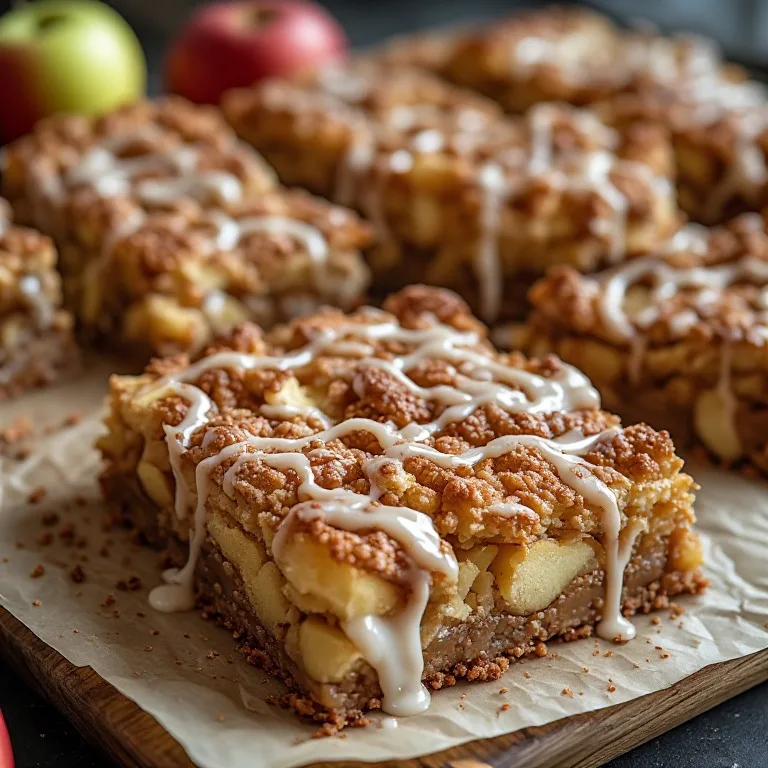
Brown butter honey glaze (fastest): Brown 4 tablespoons of butter, cool slightly, whisk with 1 cup powdered sugar, 2 tablespoons milk, and 1 tablespoon honey. Drizzle over the warm cake. Sets to a thin crackled glaze. Finish with flaky salt.
Brown butter cream cheese frosting (richest): Beat 8 oz room-temperature cream cheese, add 4 tablespoons of cooled browned butter and 2 cups powdered sugar. Spread over the fully cooled cake. This is the version most widely shared on TikTok — the brown butter in the frosting mirrors the brown butter in the cake itself.
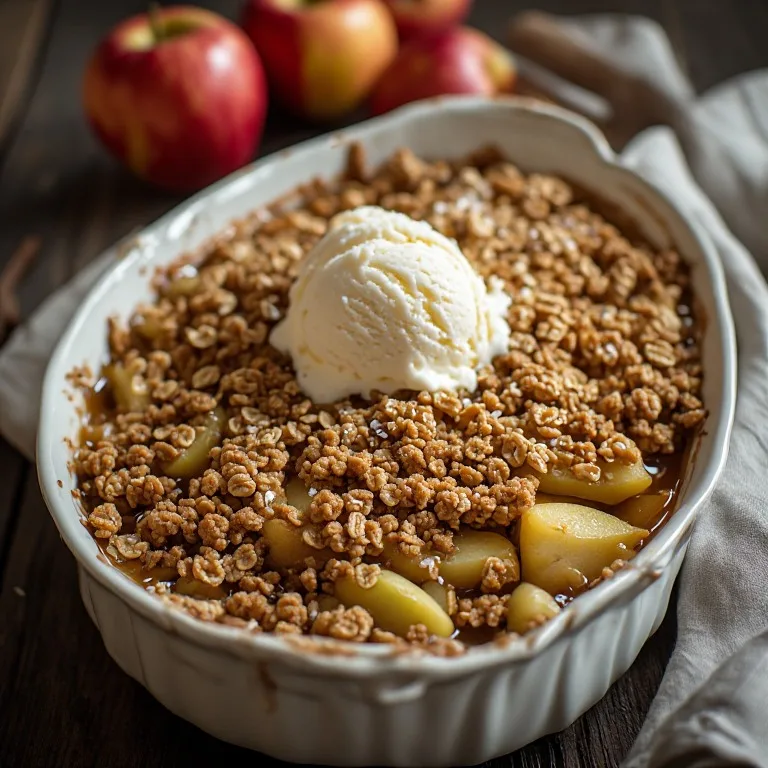
Streusel topping (most textured): Combine ½ cup flour, ½ cup brown sugar, ¼ cup rolled oats, and 6 tablespoons cold cubed butter by hand until crumbly. Scatter over the raw batter before baking. Bakes into a crisp golden crust. Adds 8 to 10 minutes to the bake time — check at 48 minutes total.
Make-Ahead and Storage
The flavor improves after one day. The brown butter distributes more evenly through the crumb overnight and the apple chunks soften slightly in a way that integrates them better with the surrounding cake.
Store unglazed at room temperature, covered, for up to 2 days. Refrigerate for up to 5 days. Freeze individual slices (plastic wrap, then foil) for up to 2 months — thaw 1 hour at room temperature or 20 to 30 seconds in the microwave.
Add glaze or frosting on the day of serving if possible. A freshly glazed cake looks and tastes better than one that has been refrigerated for 24 hours under a hardened glaze.