Pin It

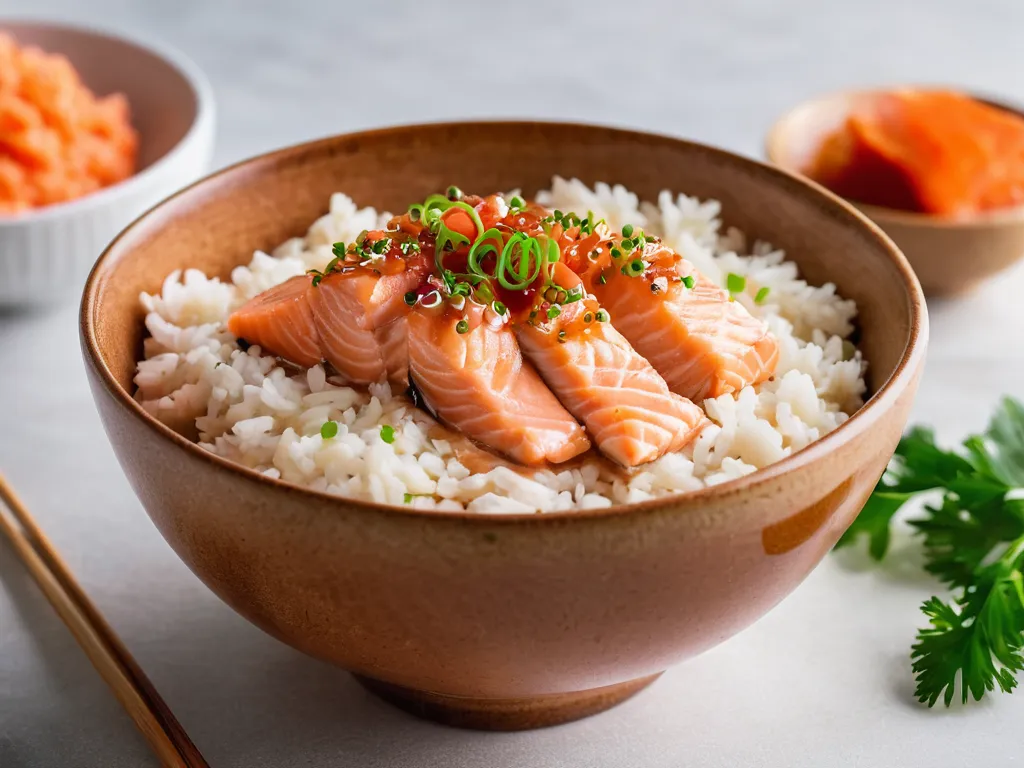
Viral TikTok Emily Mariko Salmon Bowl

Viral TikTok Emily Mariko Salmon Bowl
Jump to Recipe
Prep 5 min Cook 3 min Serves 1
Quick answer: Emily Mariko Salmon Bowl: place leftover cooked rice in a microwave-safe bowl, set a cold leftover salmon fillet on top, and put one ice cube directly on the salmon. Cover loosely and microwave 1 minute 30 seconds to 2 minutes β€” the ice cube melts into steam that gently heats the fish without drying it. Flake the salmon into the rice with a fork. Add 1 tablespoon Kewpie mayo, 1 tablespoon soy sauce, and 1 teaspoon sriracha; mix well. Tear roasted nori sheets over the top and eat immediately. The whole thing takes under 10 minutes and tastes like a deconstructed sushi roll. Kewpie mayo is not optional β€” it's what makes this dish work.
Viral TikTok Emily Mariko Salmon Bowl

Viral TikTok Emily Mariko Salmon Bowl

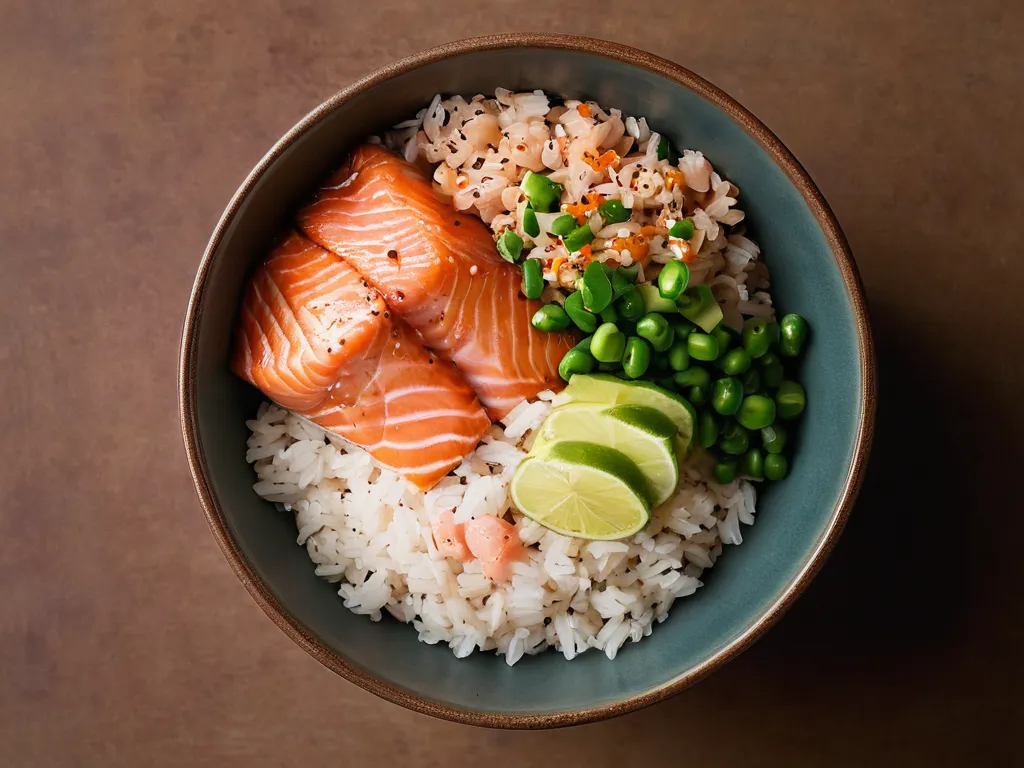
Leftover salmon mashed with rice, Kewpie mayo, soy sauce, and sriracha β€” the silent ASMR lunch that spawned 155M+ #SalmonRice recreations in 2021. The ice cube technique, the Kewpie difference, and why day-old rice is essential.

Easy Prep: 5 min Cook: 3 min Total: 8 min1 servings ~$4.50/serving
Prep5 min
Cook3 min
Total8 min
Servings
1
At home~$4.50/serving
vs
Restaurant~$20.25/serving
You save ~78%

Ingredients

Instructions

💡
Pro tip: This recipe tastes even better the next day. The flavors need time to meld together in the fridge.
❄️
Storage: Keeps in an airtight container in the fridge for up to 2 weeks. Freezer-friendly for up to 3 months.
~300-500 cal/serving

The Story Behind the Recipe

In fall 2021, TikTok creator Emily Mariko posted a 45-second silent video of herself making lunch from leftovers. No voiceover, no music β€” just the sounds of salmon flaking, rice being scooped, and nori crunching. The original video amassed tens of millions of views; the #SalmonRice hashtag it spawned accumulated over 155 million recreations. Kewpie mayo sold out at grocery stores across the United States. People who had never heard of Japanese mayo were driving to three Trader Joe’s locations trying to find it.

The recipe itself is reheated leftovers with condiments. The genius was in the specific combination β€” and one unusual technique that made everyone stop scrolling.

TL;DR: Cold leftover rice + cold leftover salmon + ice cube β†’ microwave 90 seconds β†’ flake salmon into rice β†’ add Kewpie mayo + soy sauce + sriracha β†’ tear nori on top β†’ eat immediately. Under 10 minutes. Tastes like a deconstructed sushi roll. Kewpie mayo is mandatory.


Who Is Emily Mariko?

Emily Mariko is a California-based TikTok and YouTube creator who built her following through minimalist, ASMR-style food and lifestyle content. She posts without narration β€” just clean visuals and natural sounds. Her content aesthetic β€” quiet kitchen, natural light, simple ingredients β€” was distinctly different from the loud, high-production food content that dominated social media in 2021.

The salmon bowl video was not her first viral moment, but it was her biggest. The combination of the ASMR silence, the mysterious ice cube technique, and the effortless coolness of the whole process created a video that people rewatched and shared compulsively. The curiosity about β€œwhy the ice cube” did more marketing than any food advertisement could.

After the video, she continued posting similar content β€” simple lunches, minimalist dinners, grocery hauls. She became a reference point for an aesthetic of intentional, beautiful everyday eating.


The Ice Cube Science: Why It Actually Works

The ice cube is the most talked-about element of the recipe, and it has a real scientific purpose β€” it’s not just aesthetic.

When you reheat cold salmon in a microwave without added moisture, the microwave’s energy heats the food through direct molecular agitation. Fish proteins are delicate: above about 145Β°F they begin contracting and squeezing out moisture rapidly. The result is rubbery, dried-out salmon that tastes nothing like what you started with.

The ice cube changes this dynamic.

As the ice cube melts in the microwave, it releases water that immediately converts to steam inside the covered bowl. This steam surrounds the salmon with indirect, moist heat β€” the same principle as a bamboo steamer or a double boiler. The fish temperature rises slowly and evenly, and the surrounding steam prevents surface moisture from evaporating. The salmon heats through to 130–140Β°F (warm enough to eat, below the threshold that causes significant protein contraction) while remaining tender and moist.

The steam also rehydrates the day-old rice beneath the salmon. Without it, refrigerated rice reheats unevenly and the surface grains dry out further. The ice cube’s steam makes the rice fluffy and slightly sticky β€” exactly the texture you want for absorbing the condiments.

One cube is the right amount. Too little and the steam dissipates before the salmon heats through. Too much and the bowl fills with excess water that makes the rice soggy. One standard ice cube (roughly 1 oz of water) in a covered microwave-safe bowl produces the right amount of steam for a 6-oz salmon fillet over 1 cup of rice.


Kewpie Mayo: Why It’s Not Optional

The recipe calls for Kewpie mayo specifically, and it matters enough that substituting regular mayo produces a noticeably different dish.

Here’s what’s different:

Egg yolks only. American mayonnaise (Hellmann’s, Best Foods, Duke’s) is made from whole eggs β€” yolk and white together. Kewpie uses only egg yolks. The extra fat in the yolks gives Kewpie a richer, creamier consistency and a more pronounced egg flavor. It coats the rice differently β€” it feels silkier and clings better to the flaked salmon.

Rice vinegar instead of distilled vinegar. Kewpie’s acid comes from rice vinegar, which is milder and slightly sweet compared to the sharper distilled white vinegar in American mayo. This gives Kewpie a rounder, more subtle tang that blends seamlessly into the soy sauce-sriracha combination.

MSG. Kewpie contains monosodium glutamate, which amplifies savory flavor (umami). When you mix Kewpie with soy sauce β€” itself high in glutamates β€” you get a layered umami depth that makes the bowl taste like restaurant food rather than leftovers. Regular mayo adds richness and fat but not this quality of flavor.

The Kewpie squeeze bottle with the red cap is the standard product to look for. It’s sold at most Asian grocery stores, Trader Joe’s, and increasingly at major supermarkets in the international aisle. If you genuinely cannot find it, Duke’s mayo is the closest American substitute (also egg-yolk forward), and you can approximate Kewpie more closely by adding a small pinch of MSG and 1/4 teaspoon of rice vinegar to 1 tablespoon of Duke’s.


Day-Old Rice: The Starch Science

The recipe specifies day-old refrigerated rice, and the reason is specific food science rather than arbitrary preference.

When rice cooks, the starch granules absorb water and swell β€” this is gelatinization. Freshly cooked rice is in this soft, hydrated state: the grains clump together easily and have a moist surface. If you add soy sauce and mayo to freshly cooked rice, it absorbs them instantly but can quickly become a wet paste.

Overnight in the refrigerator, cooked rice undergoes starch retrogradation: the gelatinized starch molecules slowly realign into a more crystalline structure. Surface moisture evaporates. The grains firm up and become more individual. This is why cold rice separates easily with a fork and doesn’t clump.

Day-old rice in this bowl:

  • Absorbs the soy sauce and Kewpie mayo without becoming mushy
  • Maintains grain structure after mixing so each bite has texture
  • Reheats more evenly in the microwave (the retrograded starch takes heat gradually rather than all at once)

If you only have freshly cooked rice, spread it on a plate or sheet pan and refrigerate uncovered for 20–30 minutes before using. This evaporates surface moisture and partially retrogrades the starch β€” not as good as overnight, but significantly better than using it hot.


The Salmon

The recipe works with any cooked salmon that was properly stored. Emily Mariko’s original video used leftover salmon she had cooked for dinner the night before β€” a baked fillet, judging by the look of it. Any cooking method works:

Baked salmon (350–400Β°F, 12–15 minutes) tends to be the most consistently moist and is the easiest to prepare in bulk for meal prep. Miso salmon prepared this way gives the bowl a deeper, more complex flavor from the fermented miso.

Air-fryer salmon (air fryer salmon guide here) produces a slightly firmer exterior that flakes into meatier chunks in the bowl β€” good if you want more textural contrast.

Pan-seared salmon has a more developed crust from the Maillard reaction. The crispy skin dissolves in the microwave reheating, but the sear gives the flesh a richer flavor base.

Canned salmon is the pantry workaround. Drain a 6-oz can of pink or sockeye salmon in water thoroughly. Skip the microwave ice cube step β€” canned salmon is already cooked and doesn’t need reheating. Just microwave the rice alone (covered, 60–90 seconds), then flake the drained canned salmon directly into the warm rice and proceed with the condiments. The texture is softer and more uniform than a flaked fresh fillet, but the flavor profile works identically.

Salmon keeps in the refrigerator for 3 days after cooking. Day-old or two-day-old salmon is ideal. Don’t use salmon that’s been refrigerated for 4+ days.


The Soy Sauce, Sriracha, and Nori

Soy sauce: Standard Kikkoman is the right choice for this recipe. Its balance of salt, umami, and slight sweetness complements Kewpie without overpowering it. Tamari works equally well and is naturally gluten-free. Low-sodium soy sauce is a reasonable substitute if you’re watching sodium β€” the dish still tastes good, just less saline. Avoid dark soy sauce (too thick and sweet) or cooking soy sauce (too salty and one-dimensional).

Sriracha: The Huy Fong bottle (rooster label) is what most people associate with this dish. It adds heat and a garlicky fermented undertone that works against the richness of the mayo. Start with 1 teaspoon and add more after tasting. Gochujang (Korean fermented chili paste) is a good substitute if you want more depth and less vinegar sharpness β€” use about 1/2 teaspoon since it’s more concentrated.

Nori: Emily Mariko uses Korean roasted seaweed snack packs β€” the thin, lightly salted sheets sold at Trader Joe’s, Whole Foods, and Costco (Kirkland brand), and at Asian grocery stores (GimMe Organics, Annie Chun’s). These are lighter, crispier, and saltier than full sushi nori sheets; they hold their crunch slightly longer on warm rice. Full-size sushi nori sheets work too but are thicker β€” cut with scissors into strips rather than tearing. Either way, add the seaweed last and eat immediately; warm moist rice softens nori within a few minutes.

Furikake: If you have it, a shake of furikake (Japanese rice seasoning, typically dried fish, sesame, seaweed, salt) over the top before the nori adds an extra layer of savory crunch. Not traditional to Emily Mariko’s original video but a popular addition.


Variations

Canned tuna version. Drain a 5-oz can of solid white albacore tuna in water thoroughly. Skip the microwave step for the protein. Mix into warm rice with the same condiments β€” 1 tablespoon Kewpie, 1 tablespoon soy sauce, 1 teaspoon sriracha. This is essentially a Japanese-inflected tuna rice bowl. The umami profile is different from salmon (tuna is leaner and more neutral) but equally good.

Canned salmon version. Described above under β€œThe Salmon” β€” the pantry version that works without any leftovers.

Rotisserie chicken version. Shred leftover or store-bought rotisserie chicken into the warm rice. The Kewpie + soy + sriracha combination works with chicken as well as with salmon β€” the result is closer to a Japanese-style chicken rice bowl (oyakodon-adjacent). Microwave the rice alone for 60–90 seconds; no ice cube needed since the chicken doesn’t need gentle steam heating.

Brown rice or grain base. Farro, quinoa, or brown rice can replace white rice. The dish works with any cooked grain that’s been refrigerated overnight. Brown rice has a nuttier flavor that holds up well against the bold condiments.

Avocado addition. Slice half an avocado alongside the bowl rather than mixing it in β€” it adds creaminess and healthy fat. Mixing avocado in changes the texture significantly (it gets mashed into the rice and can make things too rich).

Spicy mayo upgrade. Mix 1 tablespoon Kewpie with 1 teaspoon sriracha separately to make a proper spicy mayo, then drizzle it over the top rather than mixing everything together β€” you get pockets of heat rather than uniform spice throughout.


The Meal Prep Angle

The viral moment around Emily Mariko’s video was partly about more than just the recipe β€” it was about showing that meal prep doesn’t have to be containers of sad plain chicken. The intentional habit of cooking extra salmon at dinner specifically to make this bowl for lunch the next day is a practical meal-prep strategy.

Cook 2 salmon fillets instead of 1 for dinner. Make extra rice. Refrigerate both in airtight containers overnight. The next day’s lunch takes 8 minutes and tastes nothing like leftovers.

The dish doesn’t hold after assembly β€” once you add the Kewpie, soy sauce, and sriracha, eat it immediately. The nori especially: it softens on moist rice within minutes. But the components (cooked salmon + cooked rice) prep and hold for 3 days in the refrigerator.


Cost Comparison
VersionApproximate Cost
Japanese restaurant salmon rice bowl$16–22
Grocery store sushi counter salmon bowl$10–14
This recipe (leftover salmon + pantry staples)$3–5 per serving

The main cost is the salmon β€” a 6-oz fillet bought fresh costs $4–8 depending on variety and source. If you’re cooking it for dinner anyway, the lunch is essentially free. Canned salmon drops the cost further to $2–3 per serving total.


For more salmon recipes in the same Japanese-influenced direction, see miso salmon and everything bagel salmon. For other rice bowl formats, sushi bake takes the same flavor family and scales it for a crowd. For more TikTok-viral lunch ideas, cucumber sushi rolls and the salmon rice bowl are in the same category.

Nutrition Facts

Per serving (1 servings)
Calories550
Total Fat18g
Total Carbs48g
Dietary Fiber1g
Sugars2g
Protein36g
Sodium890mg

* Estimated values based on standard recipe preparation. Actual values may vary.

πŸ₯—

Make It Healthier

Love Viral TikTok Emily Mariko Salmon Bowl but want a lighter version? Try these simple swaps:

  • βœ“Use brown rice or farro in place of white rice β€” adds fiber and a nuttier flavor; the method works the same way.
  • βœ“Reduce Kewpie mayo to 1.5 teaspoons and add 1 teaspoon of rice vinegar β€” keeps the tang without as much fat.
  • βœ“Use low-sodium soy sauce to bring sodium down significantly (saves roughly 300mg per serving).
  • βœ“Add cucumber slices, shredded cabbage, or edamame to increase volume and nutrients without changing the core flavor.
  • βœ“For lower calorie: canned pink salmon (in water, drained) has similar protein at significantly lower fat and cost.

Equipment You'll Need

Microwave-safe bowl

A wide, shallow bowl works better than a tall one β€” gives you room to mash and mix the salmon into the rice

Fork

For flaking and mashing the salmon into the rice β€” a spoon won't break the fish apart evenly

Microwave

The ice cube steam method requires microwave heat; oven reheating doesn't produce the right localized steam effect

Frequently Asked Questions

Why put an ice cube on salmon before microwaving?

The ice cube creates localized steam inside the covered bowl as it melts. When you microwave salmon and rice together with no added moisture, the microwave's energy heats the food through direct molecular agitation β€” which tends to dry out fish quickly, making it rubbery. The melting ice cube releases water vapor that surrounds the salmon with gentle steam heat. The effect is similar to steaming in a bamboo basket: indirect, moist heat that keeps the salmon tender rather than drying it out. The steam also rehydrates the day-old rice slightly, making it fluffy instead of dried-out. One ice cube is the right amount β€” too much water and the bowl gets soggy.

Can I use regular mayo instead of Kewpie?

Not if you want the dish to taste like Emily Mariko's version. Kewpie is made from egg yolks only β€” American mayo uses whole eggs. The extra fat from egg yolks gives Kewpie a richer, creamier texture and a more forward egg flavor. Kewpie also uses rice vinegar instead of distilled white vinegar, which gives it a milder, slightly sweet tang. And crucially, authentic imported Kewpie (made in Japan, available at Asian grocery stores) contains MSG, which adds a savory depth (umami) that regular mayo simply doesn't have. Note: US-manufactured Kewpie (sold at most American supermarkets) typically omits MSG but uses yeast extract, which provides a similar glutamate function at lower intensity. Either version outperforms regular American mayo in this dish. When you mix regular Hellmann's with soy sauce and salmon, the result is fine. When you mix Kewpie with soy sauce and salmon, the result tastes like something from a Japanese rice bowl restaurant. If you cannot find Kewpie, the closest substitute is Duke's mayo (also egg-yolk forward) with a small pinch of MSG and a few drops of rice vinegar.

Why does the recipe call for day-old rice instead of freshly cooked?

When rice cooks, the starch granules absorb water and swell β€” freshly cooked rice is soft, moist, and sticky to the point of clumping. As it cools in the refrigerator overnight, the starches undergo retrogradation: the starch molecules realign and firm up, and surface moisture evaporates. The result is individual grains that hold their structure better. For this salmon bowl, you want rice that can absorb the soy sauce and Kewpie mayo without becoming a mushy paste. Day-old rice soaks up the condiments while maintaining its texture. Fresh rice adds too much of its own moisture and the final bowl ends up wet and gluey. If you only have freshly cooked rice, spread it on a plate and refrigerate it uncovered for 20–30 minutes before using.

What kind of salmon works best for this recipe?

Any cooked leftover salmon works β€” baked, pan-seared, air-fried, or grilled. The cooking method matters less than the starting quality and how it was stored. Salmon kept in an airtight container in the refrigerator is good for 3 days; day-old or two-day-old cooked salmon is ideal. Avoid salmon that's been refrigerated longer than 3 days. Wild-caught sockeye or king salmon has more fat and a deeper flavor than farmed Atlantic salmon when used in this dish. Canned salmon (pink or sockeye, in water, drained) works well as a pantry substitute β€” it requires no reheating, just drain thoroughly and mix directly into the warm rice with the condiments. The dish originated with Emily Mariko's specific habit of cooking extra salmon at dinner specifically to make this for lunch the next day.

What type of nori should I buy?

Roasted (yaki nori) sheets β€” the dark green, crisp, full-size sheets sold in stacks. You're tearing them into irregular pieces over the bowl, so size and shape don't matter. The key properties are: it should be crisp when you tear it (not soft or slightly damp, which means old or improperly stored seaweed), and it should be seasoned or lightly salted rather than plain. The Trader Joe's roasted seaweed snack packs work well and are the right size for tearing. Full-size nori sheets from the sushi aisle are equally good and more economical. Eat the bowl immediately after adding the nori β€” warm rice makes nori soften within minutes, which is fine texturally but loses the initial crunch.

Can I make this with canned salmon instead of leftover cooked salmon?

Yes, and it's a good pantry option. Drain a 6-oz can of pink salmon or sockeye in water thoroughly β€” press out as much liquid as possible with a fork. Since the canned salmon is already cooked, skip the microwave ice cube step. Instead, just microwave the day-old rice alone (covered with a damp paper towel, 60–90 seconds) until warm. Flake the drained canned salmon directly into the warm rice. Add Kewpie mayo, soy sauce, and sriracha; mix and top with nori. Canned salmon has a slightly softer, more uniform texture than a flaked fresh fillet, but the flavor combination works exactly the same way. Sockeye canned salmon has a stronger, more distinct salmon flavor; pink salmon is milder.

What did Emily Mariko serve alongside the salmon bowl?

In the original viral video and her subsequent cooking content, Emily Mariko typically serves the salmon bowl with simple sides: sliced cucumber, a few pieces of kimchi, or pickled vegetables. The salmon bowl is meant to be a composed solo lunch β€” filling enough on its own. The kimchi pairing is particularly good because the fermented tang cuts through the richness of the Kewpie mayo. If you want to make it a larger meal, add a side of edamame (salted), sliced avocado, or miso soup.

Love this recipe? Share it!

Shop the tools

The right tools make all the difference. We earn a small commission if you buy through these links β€” at no extra cost to you.

Free PDF: our 12 most-wanted copycat recipes β€” instant download.

Ratings & Reviews

β€”
No ratings yet

Rate this recipe

Click a star to rate

Leave a Review

0/500

CS

Copycat Spices Test Kitchen

Every recipe on Copycat Spices is developed and tested in our home test kitchen. We reverse-engineer beloved restaurant dishes and refine each one until the flavors and the instructions work reliably for home cooks of all skill levels.

Learn more about our mission →