

Viral TikTok Bang Bang Salmon — Sheet-Pan, 20 Minutes, Caramelized Glaze
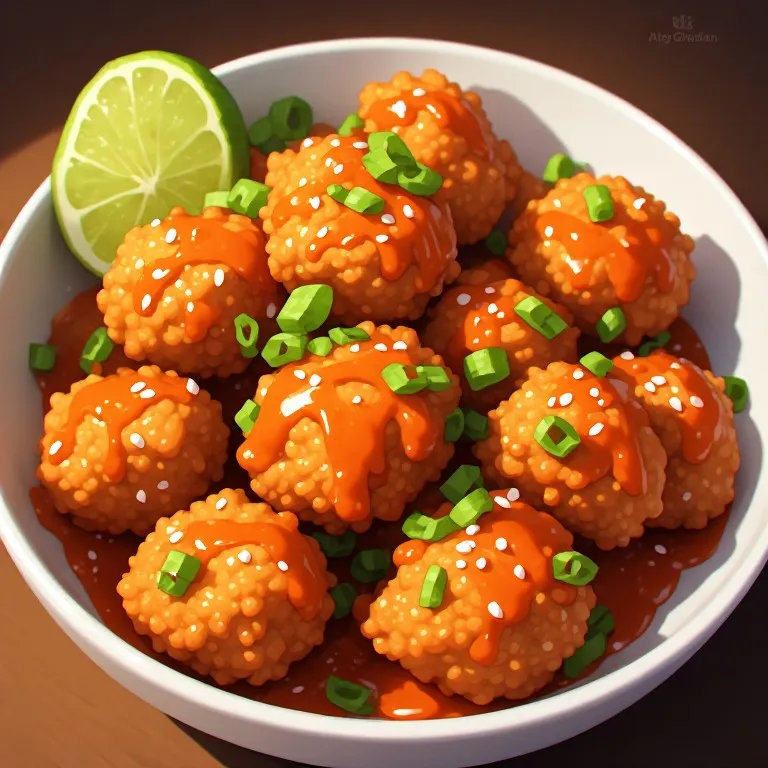
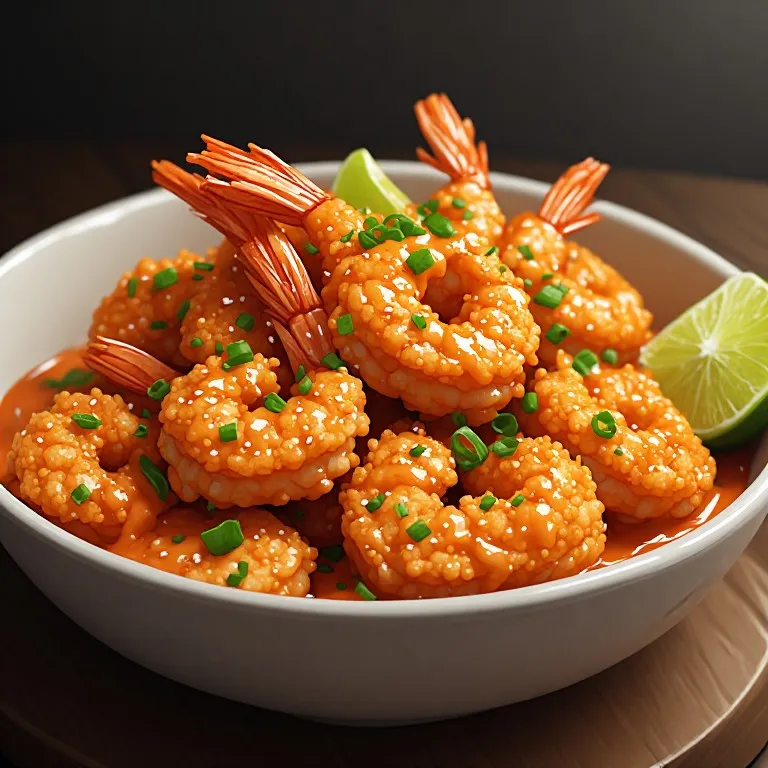
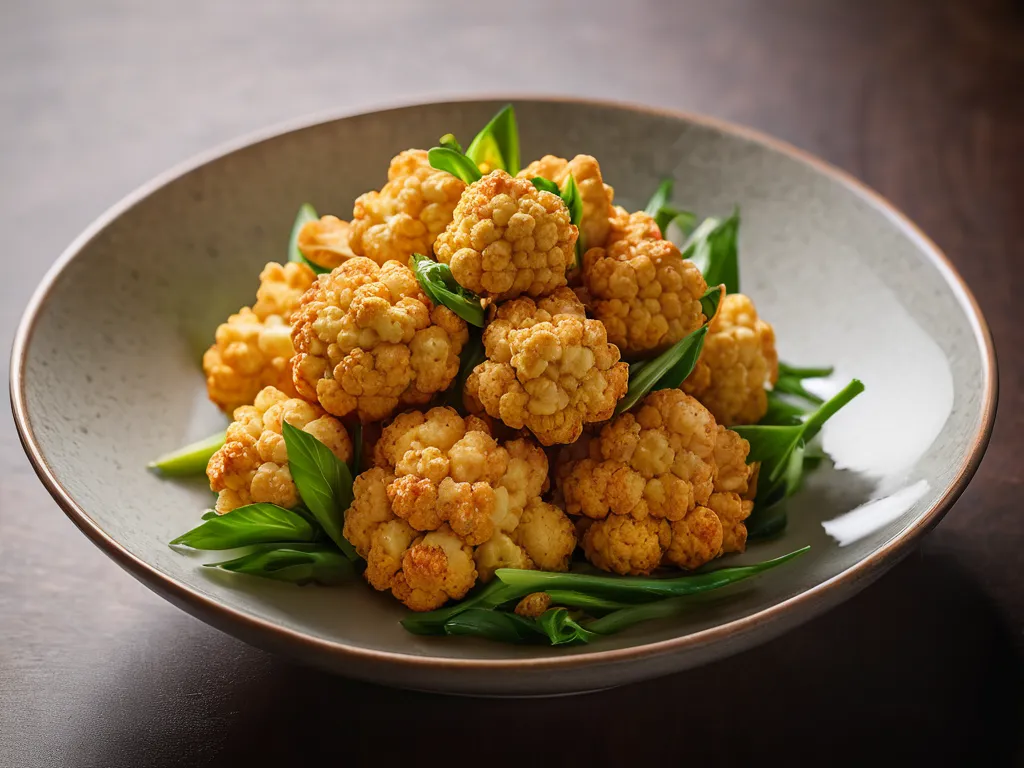
The bang bang format — sweet chili sauce, mayonnaise, Sriracha — has already swept through shrimp, chicken, and cauliflower on TikTok. Salmon is where it works best.
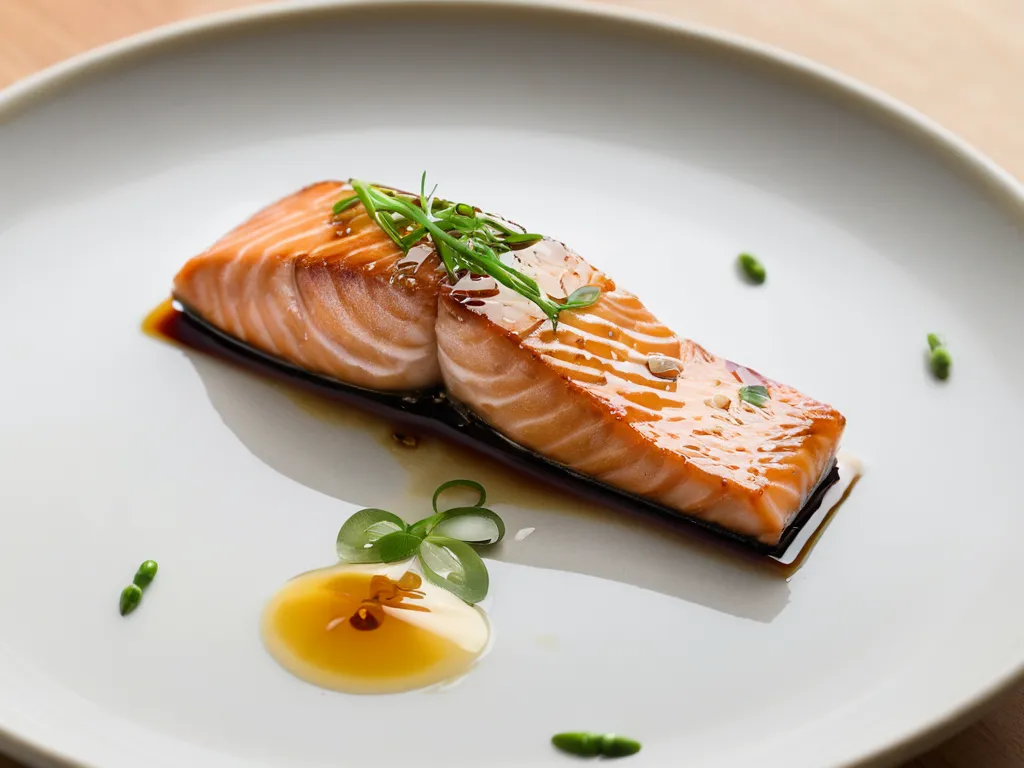
Here is why: salmon has enough natural fat that the bang bang sauce doesn’t just coat the surface, it bonds with it during the broil. The honey and sweet chili sugar caramelize against the salmon’s fat-rich exterior and create something closer to a lacquer than a sauce — sticky, slightly charred at the edges, sweet-spicy-savory in every bite. The shrimp and chicken versions are excellent. This one is different in texture and richer in flavor because the fat in the fish is doing something the other proteins don’t.
It is also the fastest version. Sheet pan, 400°F, 10–12 minutes, broil 2 minutes. No breading station, no frying oil, no batch cooking.
The One Step That Actually Matters
Pat the salmon dry. Not a quick press — a real, thorough drying with several paper towels pressed against all surfaces including the sides. Moisture on the surface of the fish is what makes the sauce slide off into a puddle rather than adhere as a glaze. The oil helps too (it creates a surface the sauce can stick to), but dry fish is the prerequisite.
This is the step TikTok creators mention every time someone comments that their sauce ran off. It runs off wet salmon. It stays on dry salmon.
The Sauce Tweak for Salmon
The standard bang bang sauce — mayonnaise, Thai sweet chili sauce, Sriracha, honey — works on salmon. One addition makes it better: a teaspoon of soy sauce.
Soy sauce adds an umami bridge that pulls the sweet-spicy-creamy sauce toward the salmon’s natural flavor rather than sitting on top of it. Salmon is fattier and more intensely flavored than chicken breast or shrimp; the soy sauce anchors the sauce to the protein rather than making the whole thing taste like a sweet chili dip that happens to have salmon underneath it. It is a small quantity and a meaningful difference.
Keep the ratio roughly the same as the chicken version: more mayo than chili sauce, more chili sauce than Sriracha, honey to balance, soy to bridge.
Temperature Guide — This Is Worth Knowing
Salmon temperature is genuinely contested and the difference is not trivial.
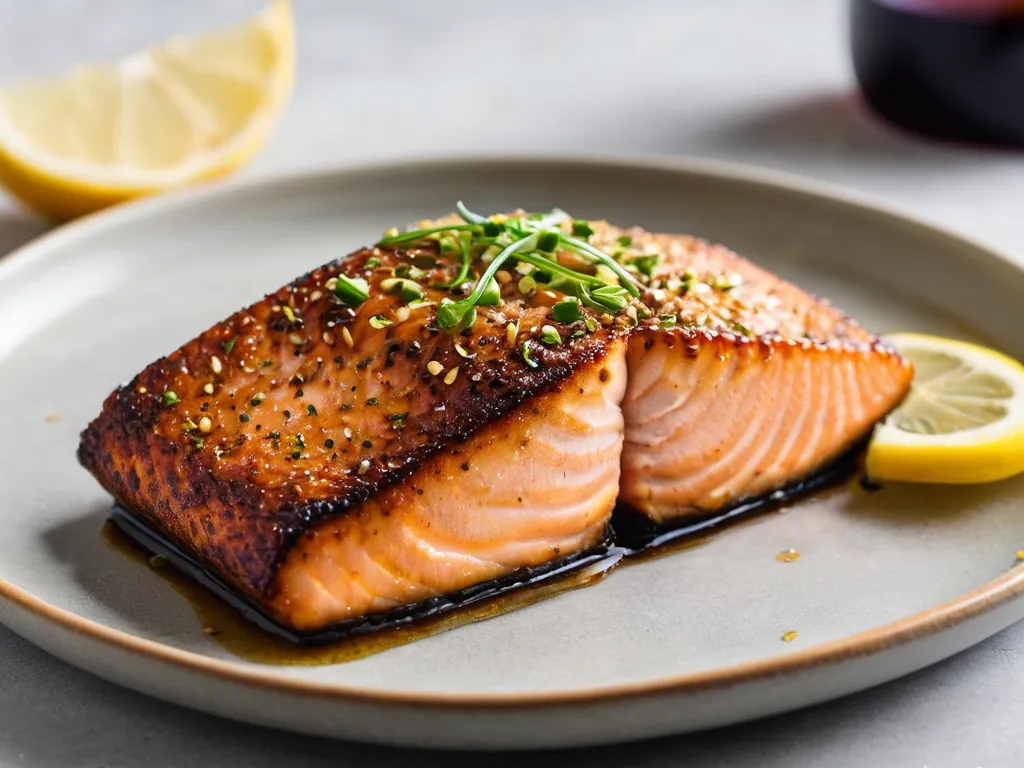
125–130°F (medium): The center is slightly translucent and very soft. The texture is buttery, almost custardy. This is what most good restaurants serve and what most TikTok recipes aim for, though they usually don’t say so. It is safe for healthy adults.
145°F (FDA standard): Fully opaque throughout, flakes easily and completely. Firmer texture, longer shelf life as leftovers. The conservative recommendation for pregnant people, immunocompromised individuals, and young children.
Above 150°F: Overcooked. The protein contracts aggressively and squeezes moisture out; the texture is dry and chalky. This happens faster than you expect under a broiler. Pull the salmon before it hits 145°F if you are targeting that temperature, since carryover will carry it up.
Use a thermometer. The visual cues — “it should flake easily” — are imprecise and consistently lead people to overshoot.
The Broil Step
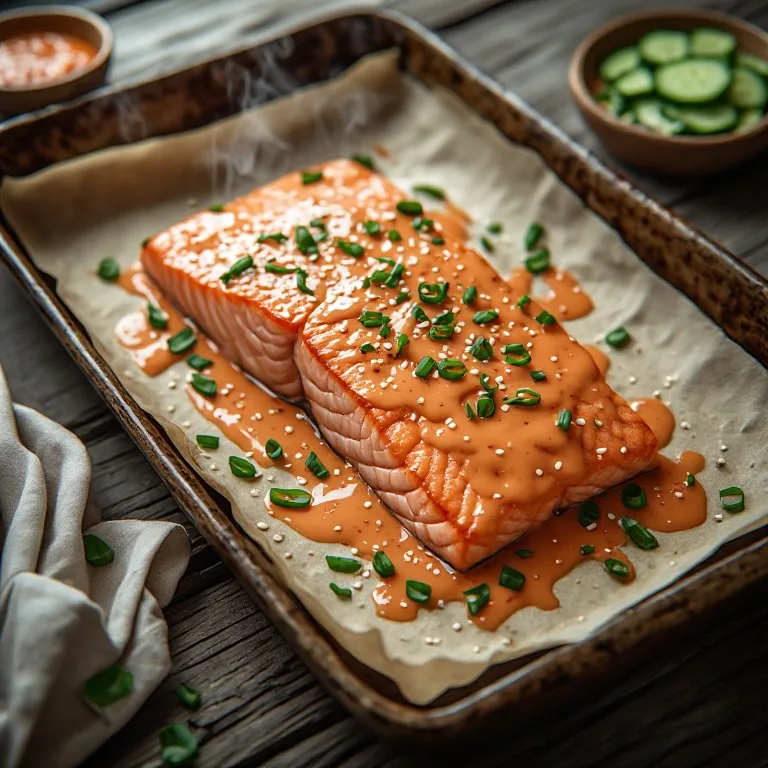
Ten to twelve minutes at 400°F gets the salmon to temperature. The broil step (1–2 minutes on high) is not about cooking the fish further — it is about caramelizing the second coat of sauce.
After baking, you pull the pan out, add another thin layer of sauce, and slide it back under the broiler. The broiler’s direct radiant heat hits the sugar in the sweet chili and honey and drives the Maillard reaction fast. Within 90 seconds you have a glossy, slightly charred surface. Within 2 minutes it can tip into burned — which is why you watch it the entire time.
The caramelized glaze looks and tastes like the result of something much more complicated than “baked fish with bottled sauce.” That is why this is a TikTok recipe.
What to Serve It With
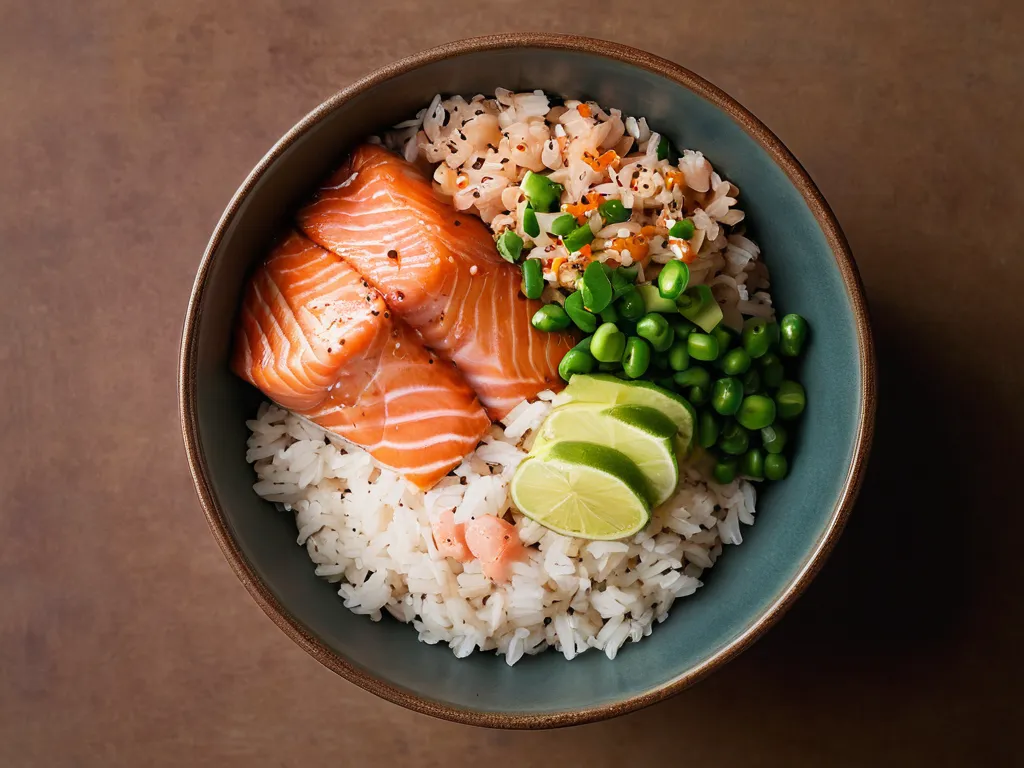
Jasmine rice: The classic base. The stickiness of jasmine rice holds the sauce that drips off the salmon; long grain rice lets it pool.
Rice noodles: Lighter and faster — noodles need boiling water, not a 40-minute cooker cycle. Dress the noodles with a little sesame oil and rice vinegar before plating.
Cucumber slices: Lay them in an overlapping fan across a board, place the salmon on top, drizzle sauce across everything. This is the TikTok platter presentation and it is genuinely good — the cool cucumber against the hot caramelized salmon is a real contrast.
For leftovers, flake the cold cooked salmon into a salmon rice bowl with cucumber and extra sauce — it eats far better cold-composed than reheated.
Butter lettuce cups: Serve the salmon flaked into individual cups with cucumber, shredded carrot, and extra sauce. Wrap-style serving that turns this into a finger food.
Three Variations
Bang bang salmon bites: Cut salmon into 1-inch cubes before coating and baking. They cook in 8–9 minutes at 400°F. Toss directly in the sauce like the shrimp version. Works well as an appetizer or served over a salad.
Air fryer version: Place seasoned salmon skin-side down in the air fryer basket. Cook at 400°F for 8 minutes. Brush with sauce and air fry 2 more minutes. The air fryer circulates heat differently and produces a slightly firmer exterior — excellent if you prefer a less sticky glaze texture. For the plain, no-glaze method and timing by thickness, see the air fryer salmon guide.
Spicy gochujang version: Replace the Sriracha with 1 tablespoon of gochujang (Korean red pepper paste). Gochujang is fermented, earthy, and complex in a way Sriracha is not; it makes the sauce less straightforwardly spicy and more interesting. Add a teaspoon of toasted sesame oil to the gochujang version and serve over rice with kimchi on the side.