



Pin It

Beef Tallow Fries

Beef Tallow Fries
Jump to Recipe
Prep 45 min Cook 15 min Serves 4
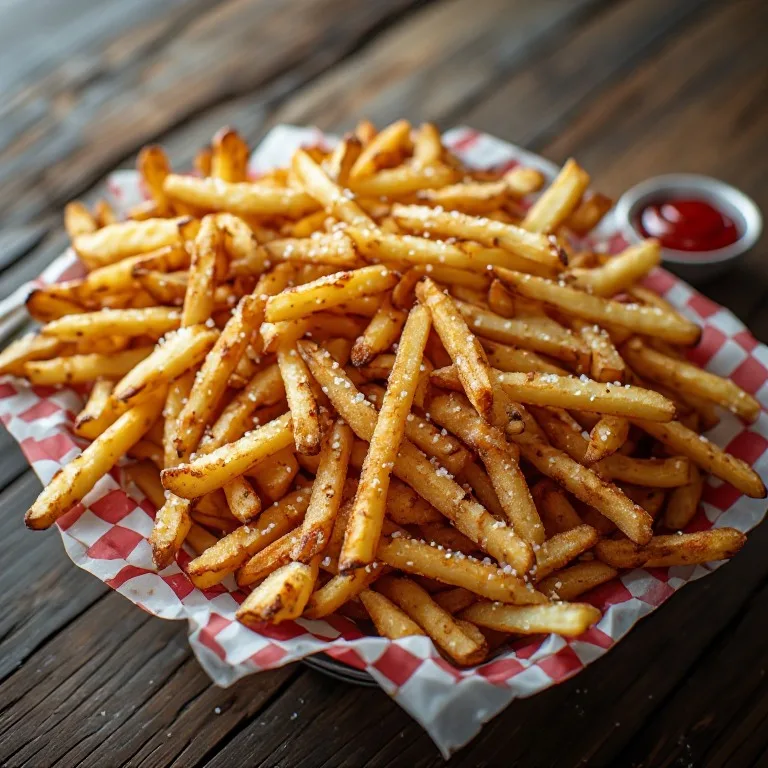
Quick answer: Peel and cut 2 lbs Russet potatoes into ¼-inch sticks, soak in cold water 30 minutes, then dry completely. Heat beef tallow to 325°F in a Dutch oven or deep pot (use enough tallow for at least 2–3 inches of depth). Fry in batches 4–5 minutes until soft and pale — no color yet. Drain on a wire rack, rest 15 minutes. Raise tallow to 375°F and fry the same batches a second time for 3–4 minutes until deeply golden. Season immediately with flaky salt while hot.

Beef Tallow Fries

The viral TikTok beef tallow fries recipe that recreates how McDonald's fried their fries before 1990 — double-fried in rendered beef fat for a richer, deeper flavor than any vegetable oil can match. How to buy or render your own tallow, plus the double-fry technique that makes them stay crispy.

Medium Prep: 45 min Cook: 15 min Total: 1h 0m4 servings ~$3.85/serving
Prep45 min
Cook15 min
Total1h 0m
Servings
4
At home~$3.85/serving
vs
Restaurant~$17.32/serving
You save ~78%

The Story Behind the Recipe

McDonald's fried their french fries in beef tallow from 1955 through 1990 — a blend that was roughly 93% beef fat and gave their fries a singular richness that food writers described as almost nutty and meaty. In 1988, Nebraska businessman Phil Sokolof, who had survived a heart attack and become a one-man anti-saturated-fat crusader, took out full-page newspaper ads calling McDonald's fries "The Poisoning of America." McDonald's switched to vegetable oil in 1990, and for many longtime customers that switch is remembered as the moment the fries noticeably declined — a point Malcolm Gladwell later revisited in his 2001 New Yorker essay "The Trouble with Fries."

The TikTok revival came out of the seed oil debate and carnivore diet communities between 2023 and 2026. Creators ran side-by-side taste tests comparing tallow-fried and vegetable-oil fries, and the consensus held up consistently: tallow gives a richer, more savory flavor with a better hold time. Beef tallow has a smoke point of about 420°F and is shelf-stable — it actually improves with repeated use as it absorbs seasoning from each batch, which is why the fryers at the best fish-and-chip shops in the UK are never fully drained. A 9-oz jar of Epic brand tallow ($12–15 at Whole Foods) will last four to six fry sessions, making the per-batch cost nearly identical to vegetable oil.

Nutrition Facts

Per serving (4 servings)
Calories390
Total Fat20g
Total Carbs48g
Dietary Fiber4g
Sugars1g
Protein5g
Sodium320mg

* Estimated values based on standard recipe preparation. Actual values may vary.

Ingredients

  • Optional seasonings (add immediately after the second fry, while hot)
  • For rendering your own tallow (optional)

Instructions

💡
Pro tip: This recipe tastes even better the next day. The flavors need time to meld together in the fridge.
❄️
Storage: Keeps in an airtight container in the fridge for up to 2 weeks. Freezer-friendly for up to 3 months.
🎃 Free Halloween cookbook — download now The Copycat Halloween Cookbook A ready-made, photo-illustrated PDF of our best halloween copycat recipes — free to download, no building required. Pay what you want to support if you love it.

Free PDF — instant download. We'll also send new seasonal copycat recipes now and then; unsubscribe anytime. Or just download it →

Beef tallow fries taste different because the fat they’re cooked in actually has flavor — something seed and vegetable oils, refined to near-total neutrality, can’t offer. McDonald’s knew this from 1955 until 1990, when they were pressured to switch. TikTok figured it out again around 2023, and the double-fry-in-tallow method has been one of the most recreated “secret” techniques in home cooking ever since.

Why Tallow, and Where to Get It

Beef tallow is rendered beef fat — the same substance McDonald’s used to fry their fries for the first 35 years of the company’s existence. It has a smoke point around 420°F, which is high enough to handle the 375°F second fry without producing acrolein (the bitter compound released when fats overheat). It’s also stable, shelf-stable when refrigerated, and improves with repeated use.

The easiest path: a 9-oz jar of Epic brand tallow from Whole Foods or Sprouts ($12–15). It’s enough for four to six batches, and each batch costs you less than $3 in fat. The most economical path: buy beef suet from a butcher for $2–4/lb and render it yourself (cube, low heat, 2–3 hours, strain). Either way works.

The Double-Fry Method — Don’t Skip Either Stage

The double-fry is not optional for tallow fries, and it’s not a trick from TikTok. It’s the method professional fryers have used for decades.

First fry at 325°F (blanching): The interior cooks through. The exterior softens and dries out without coloring. This is where the starch gelatinizes and sets up the matrix that will crisp in the second fry. Skip this and you’ll either undercook the center (second fry isn’t long enough to cook through) or burn the outside (second fry is too long).

The rest: Fifteen minutes minimum after the first fry. Steam escaping from the interior during this window dries the surface further. Overnight in the refrigerator is even better — the extended cold makes the exterior almost papery before it hits the 375°F fat, which is why restaurant fries prepped ahead often come out better than those fried to order.

Second fry at 375°F (finishing): Three to four minutes. The now-dry exterior crisps and turns deep golden. The tallow flavor infuses the surface. The interior, already cooked, just heats through.

The McDonald’s Detail Worth Knowing

Phil Sokolof’s 1988 newspaper campaign — “The Poisoning of America” — was a genuine act of conviction by someone who had survived a heart attack and believed saturated fat was the main culprit. McDonald’s switched in 1990 to partially hydrogenated vegetable oil to reduce saturated fat. What they didn’t know at the time (it wasn’t confirmed until the late 1990s and early 2000s) was that trans fats from partial hydrogenation were significantly worse for cardiovascular health than the saturated fat they’d been avoiding. McDonald’s eventually eliminated the trans fats around 2007, reformulating to a non-hydrogenated canola/corn blend — but the flavor profile of the original never came back.

The tallow fries you make at home are, ironically, closer to what a thoughtful nutritionist would now recommend than the vegetable-oil fries that replaced them.

What to Serve These With

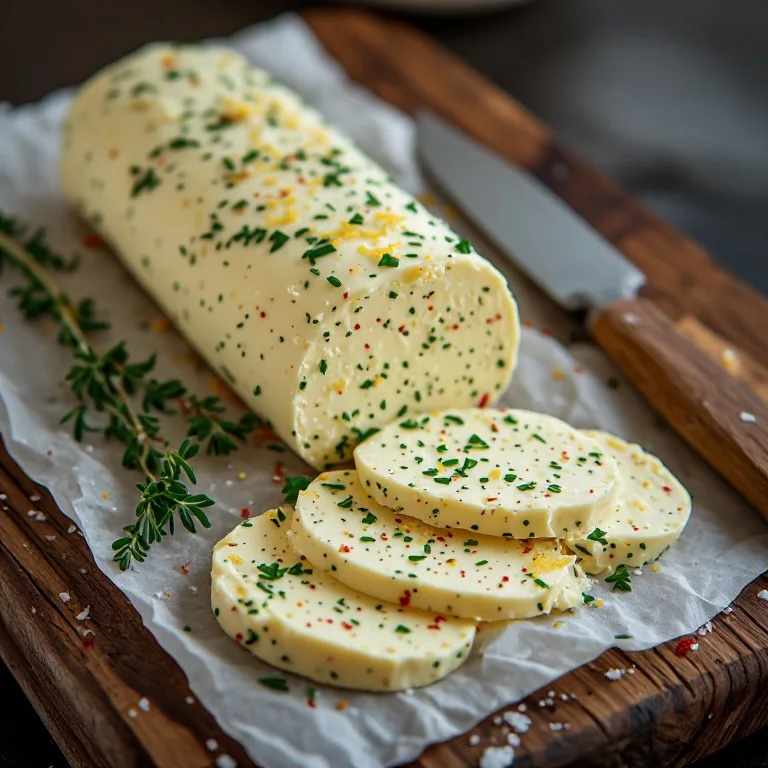
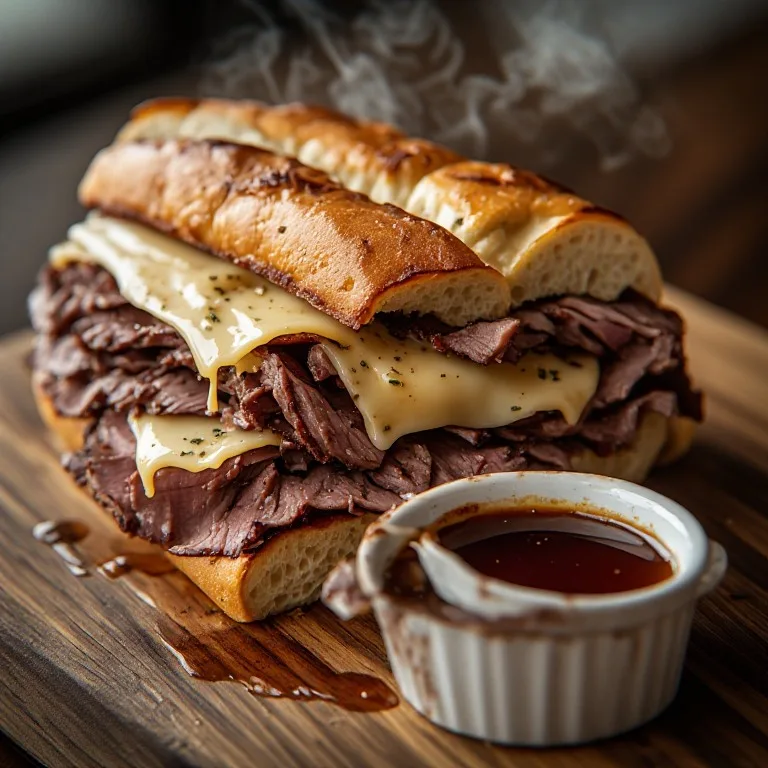
The smash burger is the natural pairing — Smash Burger and tallow fries is as close as you get to a McDonald’s 1989 meal at home. Crispy Smashed Potatoes use a different method (oven-roasted) if you want a lighter option. For a more upscale pairing, Portillo’s Italian Beef alongside a pile of tallow fries is the Chicago comfort food meal. Garlic Parmesan Compound Butter melted over the finished fries right before serving is the move if you want to push them further.

🥗

Make It Healthier

Love Beef Tallow Fries but want a lighter version? Try these simple swaps:

  • ✓Beef tallow, despite being saturated fat, is free of trans fats (which are the industrially-produced fats linked to cardiovascular disease) and has a 1:1 omega-6 to omega-3 ratio — considerably better than most seed oils. If total fat intake is your concern, baking is the tradeoff: toss first-fried fries with a light coat of tallow and roast at 450°F for 15 minutes, flipping once.
  • ✓Leaving the potato skin on adds fiber and potassium — just scrub well instead of peeling. Skin-on fries also hold their structure better in the second fry because the skin acts as an additional barrier.
  • ✓A 4-oz serving of fries (about a restaurant 'medium') is the natural portion here. The richness of tallow-fried fries means most people are satisfied with less than a full vegetable-oil batch.
  • ✓Render your own tallow from grass-fed beef suet if animal welfare and nutrient profile matter to you — grass-fed beef fat has a higher concentration of conjugated linoleic acid (CLA) and omega-3 fatty acids than grain-finished.

Frequently Asked Questions

What are viral TikTok beef tallow fries, and why do they taste different?

Beef tallow fries are french fries cooked in rendered beef fat instead of vegetable or seed oils — the method McDonald's used from 1955 until 1990. The tallow gives the fries a richer, more savory, slightly meaty flavor that vegetable oil can't replicate, because the fat itself carries flavor compounds from the beef. TikTok creators in the seed oil debate and carnivore diet communities drove a revival of the technique starting around 2023, running side-by-side taste comparisons that consistently favored tallow.

Where do I buy beef tallow for frying?

Epic brand beef tallow is the most widely available retail option — found at Whole Foods, Sprouts, and online (a 9-oz jar runs $12–15 and covers four to six fry sessions). Many butcher shops sell suet (the raw kidney fat) for $2–4 per pound, which you can render yourself. Some grocery stores in the meat section carry canned or jarred tallow. Fatworks is another brand sold at specialty stores. If you're near a butcher, ask — they often have it and it's the cheapest option.

Can I use tallow in an air fryer?

Sort of — you can toss the first-fried (blanched) fries in a small amount of melted tallow and then air-fry at 400°F for 12–15 minutes, shaking halfway. It's not a true tallow fry (the fat isn't submerging the potatoes), but you get some of the flavor from the tallow coating. The texture will be slightly different from fully submerged frying — crispier on the outside but drier overall. For the full tallow-fry experience, a Dutch oven or deep pot is the right tool.

How do I render beef tallow from suet?

Cut 2 lbs of beef suet into rough 1-inch cubes (partially frozen makes this easier) and put them in a heavy pot or Dutch oven over the lowest possible heat. Cook, stirring occasionally, for 2–3 hours. The fat will slowly liquefy and turn clear; the remaining solid bits (called cracklings or 'scratchings') will turn golden and crispy. Pour everything through a fine-mesh sieve into a glass jar. The liquid is your tallow; the cracklings can be salted and eaten. A pound of suet yields roughly 12–14 oz of finished tallow.

How many times can I reuse beef tallow?

Many times — indefinitely if you maintain it properly. After each use, let it cool to warm-but-liquid, strain through a fine-mesh sieve to remove potato starch and burnt particles, and refrigerate in a sealed glass jar. Properly maintained tallow keeps 3 months in the refrigerator and indefinitely frozen. The flavor actually improves with repeated use — it picks up potato notes from each batch, which is why the fryers at traditional British fish-and-chip shops are never fully emptied. Discard if it smells rancid or turns noticeably darker than pale yellow.

Why do McDonald's fries taste different now than they did before 1990?

McDonald's switched from beef tallow to a partially hydrogenated vegetable oil blend in 1990 after sustained pressure from Phil Sokolof, a Nebraska businessman and heart-attack survivor who ran full-page newspaper ads in the late 1980s arguing their fries were dangerously high in saturated fat. The irony, noted by many food writers, is that the partially hydrogenated oil they switched to contained trans fats — which turned out to be considerably worse for cardiovascular health than the tallow. McDonald's eventually reformulated again (around 2007) to a non-hydrogenated canola/corn blend without trans fats, but the flavor profile of the original never fully returned.

What are the best potatoes to use for tallow fries?

Russets (Idaho or baking potatoes) are the standard choice — high starch content creates the fluffy, light interior and the starch-to-moisture ratio that crisps best in the second fry. Yukon Golds work but are waxier and stay slightly softer inside, which some people prefer. Avoid red potatoes, which are high in moisture and stay dense. Sweet potatoes can be tallow-fried but need 30 seconds less on the second fry as they brown faster than white potatoes.

What dipping sauces go with beef tallow fries?

The classic is flaky salt only — the tallow flavor is strong enough that a dipping sauce can compete with it. If you want a sauce, options that don't overwhelm: aioli (garlic mayo), Raising Cane's sauce (mayo, ketchup, garlic, Worcestershire), malt vinegar (the British fish-and-chip shop tradition), or a simple house-made ranch. Avoid very sweet sauces like honey mustard or BBQ, which clash with the savory fat flavor. Serve alongside a smash burger or a Chicago Italian beef sandwich for the full effect.

Love this recipe? Share it!

Free PDF: our 12 most-wanted copycat recipes — instant download.

Made it? Buy us a coffee

Every recipe here is free, with no paywalls. If this one was a hit at your table, a small tip keeps new copycats coming.

$

Ratings & Reviews

—
No ratings yet

Rate this recipe

Click a star to rate

Leave a Review

0/500

CS

Copycat Spices Editorial

Researched + fact-checked. Every recipe on Copycat Spices is built from published sources — official ingredient lists, brand-published recipes, interviews and food-science references — and fact-checked before it goes live, then written as clear, step-by-step instructions for home cooks of all skill levels.

Learn more about our mission →