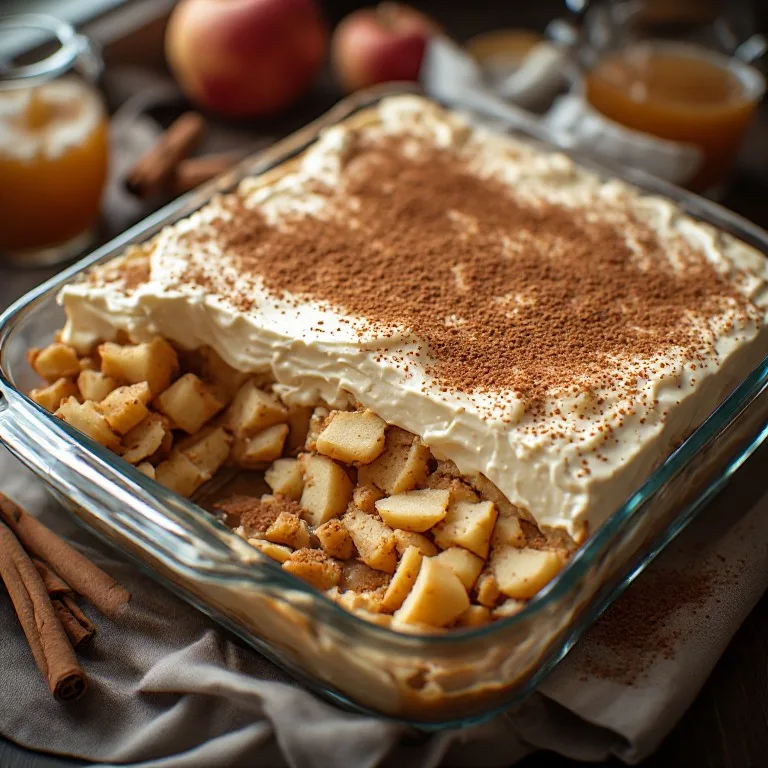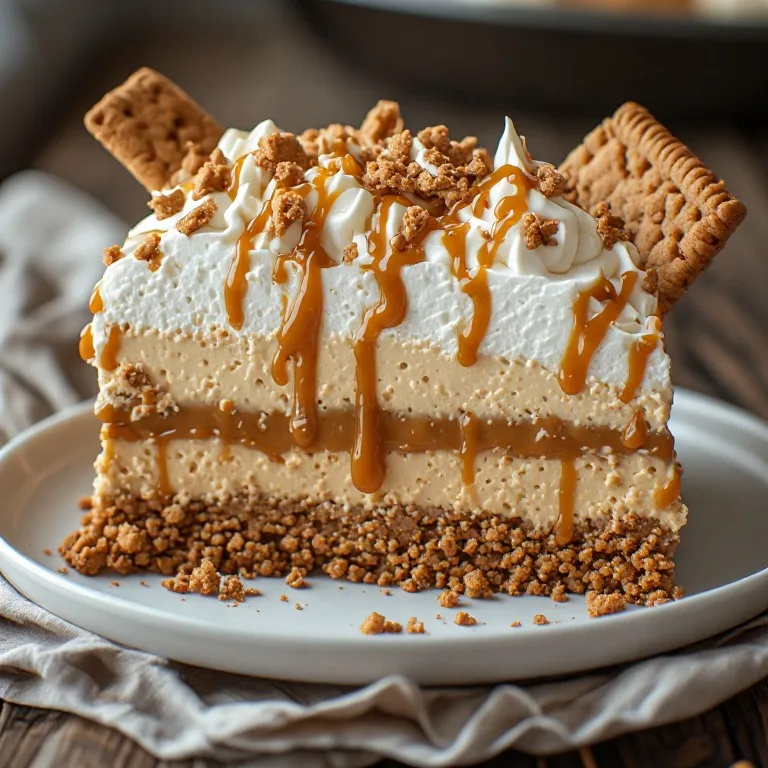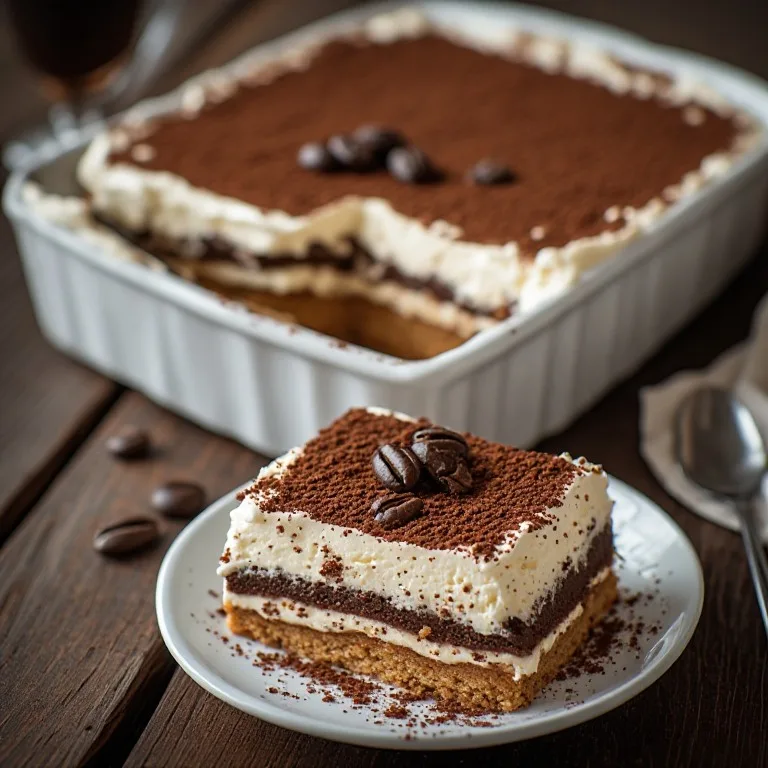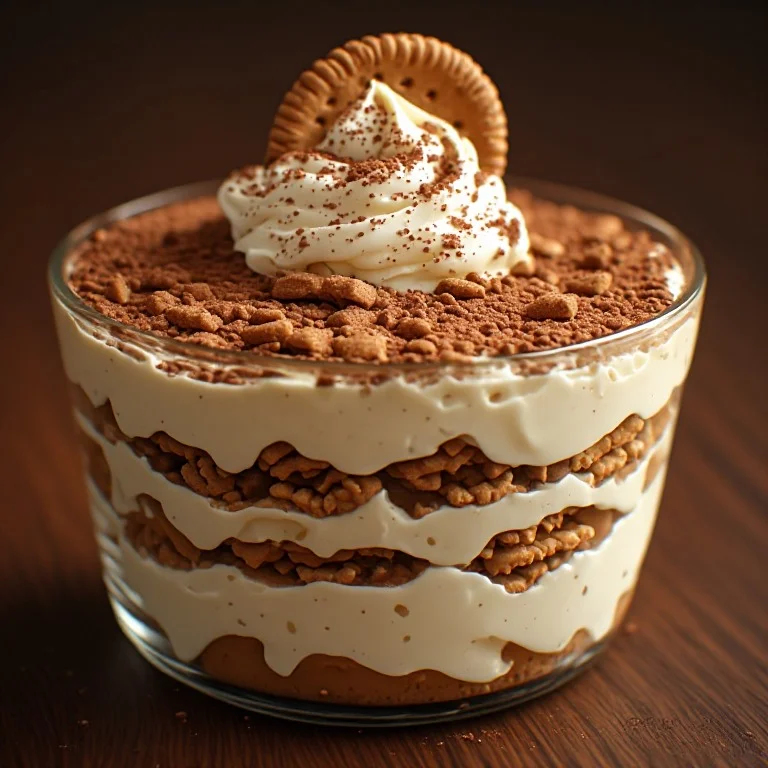



Viral TikTok Biscoff Yogurt Tiramisu — The High-Protein Dessert That Tastes Like the Real Thing
Prep: 20 min active + 2 hrs chilling | No-bake | Serves: 6 | ~15g protein per serving | No raw eggs
Yogurt tiramisu went viral because it solves the two things that stop most people from making traditional tiramisu at home: raw eggs and mascarpone that costs $9 for a small container. This version uses strained Greek yogurt for the cream layer — and once you taste it chilled, the texture is close enough to mascarpone that it genuinely surprises people. The Biscoff swap adds a warm spiced-caramel flavor you don’t get from standard ladyfingers.
The result is a layered, no-bake dessert that takes 20 minutes of work, feeds six, delivers around 15g protein per serving, and holds up for 3 days in the refrigerator. It’s also better on day two — the Biscoff layers soften overnight into something tender and cake-like.
What Went Viral (And Why)
The yogurt tiramisu trend emerged from the broader high-protein dessert wave on TikTok in 2025–2026 — the same current that produced cottage cheese ice cream, protein brownie batter dip, and Greek yogurt bark. The hook was always the same: a dessert that felt indulgent but had real macros behind it.
The Biscoff version specifically took off because Lotus Biscoff cookies are already enormously popular on TikTok (Biscoff-spread toast, Biscoff overnight oats, Biscoff butter boards), and the flavor combination — warm cinnamon-spice cookies, bitter espresso, creamy vanilla — is immediately compelling without being polarizing.
What cemented it as a keeper rather than a one-week trend: it actually delivers on taste. The strained yogurt genuinely passes for mascarpone in the assembled dish. Chilled overnight with softened Biscoff layers, it’s hard to distinguish from the original to anyone who isn’t doing a side-by-side comparison. That’s rare for a high-protein recreation.
The One Technique That Makes or Breaks It: Straining the Yogurt
Regular Greek yogurt — even thick, full-fat brands — is still about 80% water. Mascarpone sits closer to 50% water, which is why it holds its shape when layered. The straining step bridges that gap by pulling excess whey out of the yogurt until the consistency approaches cream cheese or mascarpone.
Setup: Line a large strainer with two layers of cheesecloth and set it over a bowl. Spoon in the yogurt, cover with plastic wrap, and refrigerate.
Timeline:
- 1 hour: Slightly thicker — still too wet to layer cleanly
- 2 hours: Noticeably denser, holds shape, good for tiramisu
- 3 hours: Rich, mascarpone-like texture — the sweet spot for this recipe
- 4+ hours: Very firm, closer to cream cheese — still works, slightly drier mouthfeel
How much yogurt to use: 32 oz of Greek yogurt yields roughly 22–24 oz of strained yogurt after 2–3 hours of draining. Plan for a yield loss of about 25–30%.
What to do with the drained whey: It’s high in protein and can be added to smoothies, used as the liquid in bread or pancake batter, or mixed into oatmeal. Don’t discard it.
What happens if you skip the straining: The yogurt is too wet. It doesn’t hold up in layers, it saturates the Biscoff cookies immediately rather than letting them absorb moisture slowly during chilling, and the finished dish is soupy and doesn’t slice. This step isn’t optional.
Biscoff Dipping: The One-Second Rule
Biscoff cookies are denser and more butter-rich than ladyfingers, which makes them less porous and slower to absorb liquid. The flip side: they also fall apart faster once they start to saturate.
The correct technique: Dip one cookie flat into the espresso, count one second, flip, count one second. That’s it. Two seconds total. The cookie should feel moist and slightly soft at the surface but still hold its shape when you transfer it to the dish. If it’s starting to crack or bend, it was in too long.
What happens at each extreme:
- Too little (half a second): The cookie barely absorbs any liquid. It stays crunchy and doesn’t soften into the tiramisu texture during chilling. You get a hard, dry cookie layer instead of a tender cake-like one.
- Too much (3+ seconds): The cookie is saturated and begins to crumble. It breaks when you try to transfer it, and it turns to paste in the dish rather than a distinct soft layer.
Tip: Let the espresso cool fully before dipping. Hot liquid accelerates absorption and makes the timing harder to control. Room-temperature espresso is much more forgiving.
Building Layers in the Right Order
| Layer | What | Notes |
|---|---|---|
| 1 | Biscoff cookies (dipped) | Snug single layer, fill gaps with broken pieces |
| 2 (optional) | Thin Biscoff spread drizzle | Warm 15 sec in microwave; adds a caramel-speculaas punch |
| 3 | Half the strained yogurt | Spread to edges; tap dish to settle |
| 4 | Biscoff cookies (dipped) | Same snug single layer |
| 5 | Remaining strained yogurt | Spread flat and smooth |
| 6 | Cocoa powder dusted | Through a sifter for even coverage |
The Biscoff spread between layers is optional but worthwhile — it adds a concentrated hit of the speculaas flavor and gives the cookie layer a slightly sticky surface that helps the yogurt layer adhere cleanly.
Serving Formats
Dish format (classic): An 8×8-inch square or 9×6-inch rectangular baking dish. Makes 6 generous servings. You slice and scoop directly from the dish. Slightly harder to make look elegant when served, but easiest to assemble.
Individual jars (best for parties, easiest to serve): Wide-mouth mason jars (8 oz) or clear glasses show off the layers and mean no slicing required. Break cookies to fit the jar diameter. Makes 6–8 individual portions depending on jar size. Great for meal-prepping the week’s desserts.
Springform pan: For a dramatic presentation you can unmold, use a 6-inch springform lined with parchment and assemble with cookies at the sides as well as the bottom. After chilling 4+ hours, release the springform and dust the cocoa fresh before serving.
Protein vs. Traditional Tiramisu
| Yogurt Biscoff Version | Classic Tiramisu | |
|---|---|---|
| Calories per serving | ~210 | ~420 |
| Protein | ~15g | ~6g |
| Fat | ~5g | ~28g |
| Carbs | ~26g | ~32g |
| Raw eggs | None | Yes (yolks + sometimes whites) |
| Make-ahead window | 3 days | 1–2 days |
| Cost for 6 servings | ~$8–10 | ~$18–25 |
The yogurt version has 2.5x the protein at half the calories. The flavor trade is real — traditional tiramisu is richer and more decadent — but the yogurt version is close enough for a weeknight dessert or a dessert you’d actually eat regularly without guilt.
Variations
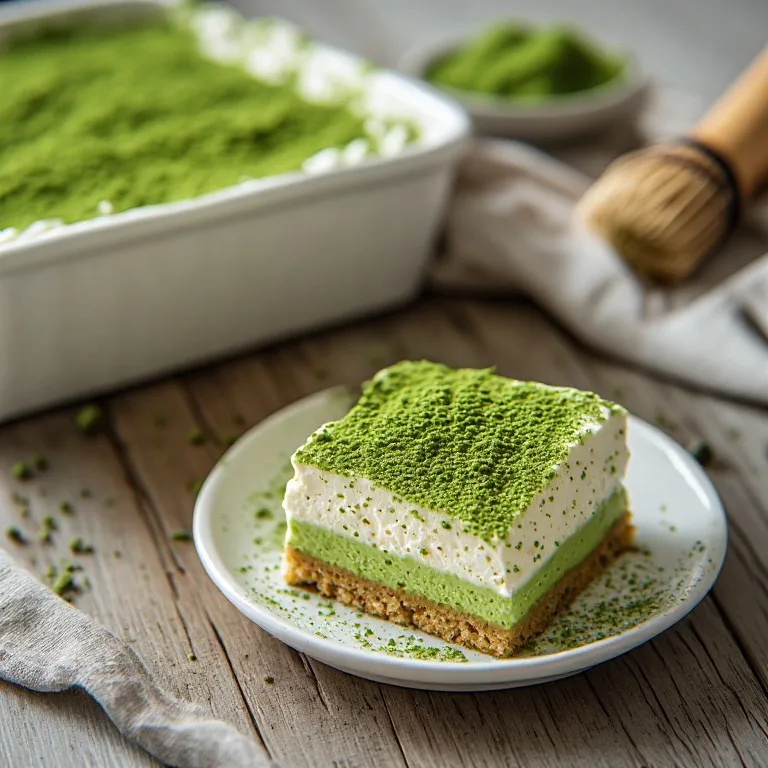
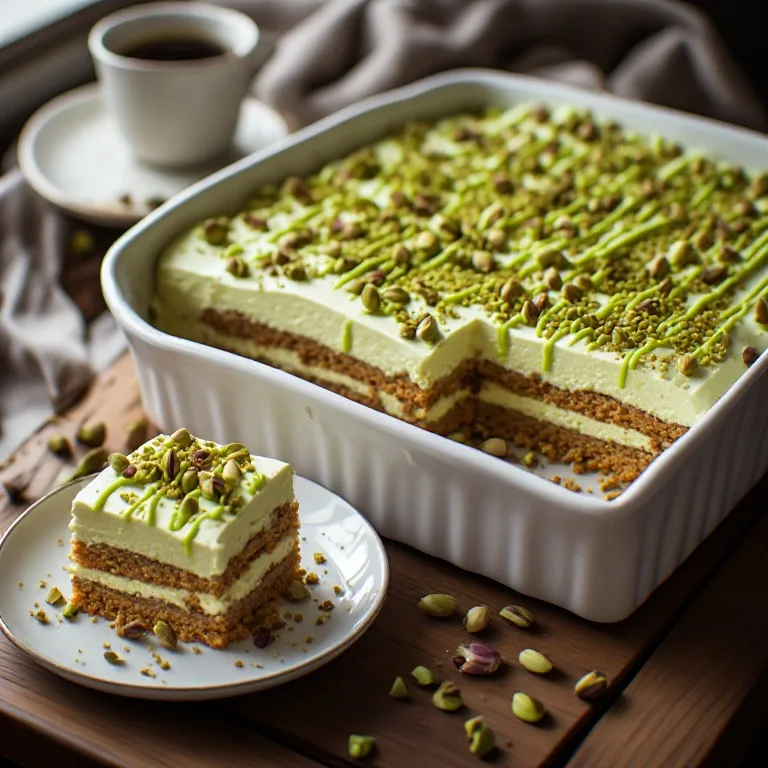
Matcha version: Replace the cocoa powder dusting with matcha powder. Replace the espresso with cold strong matcha tea (1 teaspoon matcha whisked with ¼ cup warm water, cooled). The Biscoff spice and matcha pair unusually well — earthy, sweet, slightly grassy against the warm cinnamon.
Strawberry and Biscoff: Add a thin layer of sliced fresh strawberries between the first cookie and yogurt layer. The berry acidity cuts through the richness of the Biscoff and brightens the whole dish.
Chocolate Biscoff: Replace the strained yogurt’s vanilla with 2 tablespoons cocoa powder mixed in — makes a chocolate-cream layer that turns the dessert into a richer, more fudge-adjacent experience.
Hot honey: Drizzle a thin ribbon of hot honey over the top just before serving (after the cocoa dusting). The honey adds sweetness and the chili heat cuts through the richness in a surprising way.
Make-Ahead Notes
This dessert is best made the night before:
- Day 1 (assembled): Cookies are soft and moist but distinct. Yogurt is firm and clean-edged. Good.
- Day 2 (best texture): Cookies have fully melded into the yogurt layers — tender, cake-like, cohesive. The Biscoff spice has bloomed into the yogurt. This is the peak.
- Day 3: Still good. Cookies are very soft and the yogurt is beginning to soften slightly at the edges. Eat it.
- Day 4+: Past its best. Not unsafe, but the texture is deteriorating.
Cover tightly with plastic wrap (don’t let it touch the cocoa surface) or transfer individual servings to covered containers. Do not freeze.
Cost
| Ingredient | Amount | Cost |
|---|---|---|
| Full-fat Greek yogurt (32 oz) | 1 container | ~$5.50 |
| Lotus Biscoff cookies | 1.5 packs (25–30 cookies) | ~$3.00 |
| Espresso | 2 shots | ~$0.25 |
| Honey, vanilla, cocoa, salt | Small amounts | ~$0.50 |
| Biscoff spread (optional) | 2 tablespoons | ~$0.75 |
| Total for 6 servings | ~$9.50–10.00 | |
| Per serving | ~$1.60 |
A single restaurant tiramisu serving runs $8–14. At $1.60 a serving, the yogurt version costs less per serving than buying a container of mascarpone ($8–9 for 8 oz).
For more high-protein desserts in this style, cottage cheese ice cream is the other flagship high-protein TikTok dessert — same idea of using a protein-rich dairy base to replicate a traditionally high-fat frozen treat. The millionaire shortbread is the no-compromise decadent version when macros aren’t the goal.