
Butterbeer — The Viral Harry Potter Drink
Butterbeer has existed in the Harry Potter universe since 1997 — Rowling describes it as slightly alcoholic, warm, tasting of butterscotch. When Universal Studios opened The Wizarding World of Harry Potter in Orlando in 2010, they created a non-alcoholic version that became one of the most photographed theme park foods on earth.
The park version costs around $8–11 per cup depending on format. TikTok copycat recipes started appearing around 2020 and exploded every time someone posted from a park visit. The discovery that the drink could be replicated with cream soda and butterscotch syrup from any grocery store — under $2 per serving — made it a natural DIY trend.
What Makes It Iconic
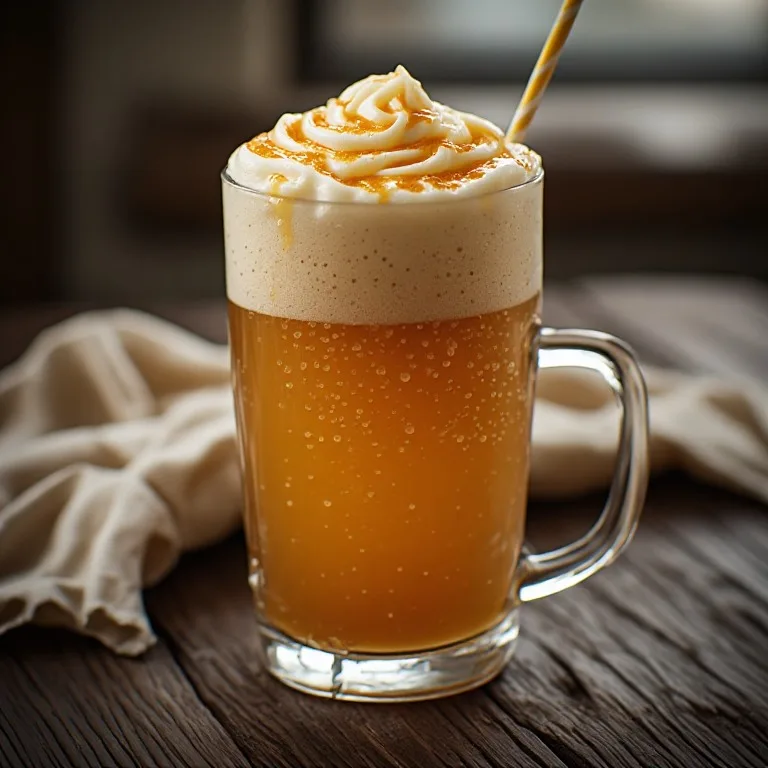
The butterbeer visual is unmistakable: a pale golden soda with a thick, off-white cream foam on top that billows slightly above the rim of the cup. People photograph it before drinking it. The foam is the differentiating element — it’s thicker and more substantial than a simple whipped cream, with a salty-butterscotch character that contrasts the sweet soda beneath.
The taste is straightforwardly dessert-oriented: butterscotch, vanilla, and cream. There’s no tea, no coffee, no complex flavors to decode. It’s unambiguously a sweet treat in a cup, and it delivers exactly what it promises.
The Foam Technique
The foam is what separates a good copycat from a mediocre one. Two key points:
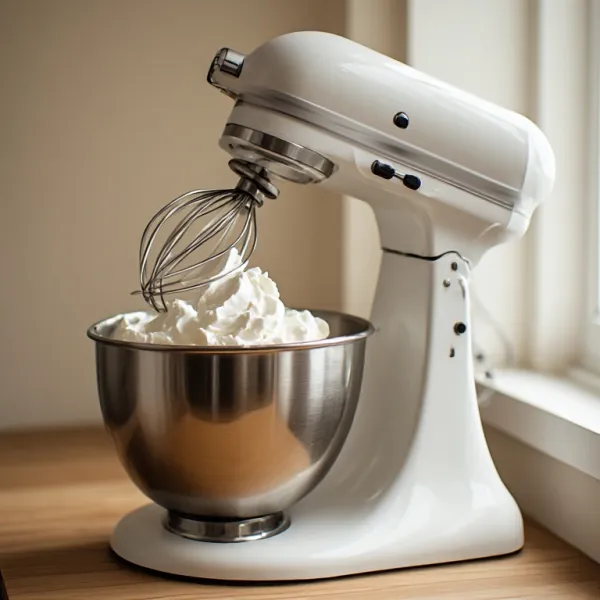
Stop before stiff peaks. Over-whipped cream becomes too rigid and sits on top of the drink like a dense block. You want it thick enough to hold its shape but soft enough to flow slightly at the edges and gradually melt into the soda as you drink through it. 90 seconds of hard whisking by hand, or 45–60 seconds with a hand mixer, is usually the target.
Salt is mandatory. The characteristic salty-sweet quality of the Universal foam is not an accident — it’s what makes the foam more interesting than just sweetened cream. A generous pinch of fine sea salt (not kosher salt, which doesn’t dissolve as readily in cold cream) added before whipping is non-negotiable.
Cold vs. Hot vs. Frozen
Universal serves three formats. Here’s how to replicate each:
Cold Butterbeer
The most popular format — cream soda base with butterscotch and cream foam. Follow the main recipe above. Serve immediately after assembling; the carbonation fades within 10–15 minutes.
Hot Butterbeer
No cream soda. Heat milk to 160°F, add butterscotch syrup, vanilla, and salt. Top with foam. More like a hot latte in character — very good on cold days, softer sweetness than the cold version.
Frozen Butterbeer
Blend 2 cups of cream soda, 3 tablespoons butterscotch syrup, 1.5 cups ice, and a splash of vanilla extract until smooth and slushy. The texture should be thick but pourable — add more ice if needed. Top with the same foam. This is the most photographed format and the hardest to replicate exactly (the park version uses a specific soft-serve machine), but the blended version is close.
Variations Worth Trying
Spiked Butterbeer (Adult Version)
Add 1.5 oz of butterscotch schnapps or salted caramel vodka to the cream soda base before adding foam. The alcohol reinforces the butterscotch flavor and adds warmth that makes the drink feel closer to Rowling’s original description. RumChata also works exceptionally well — it’s cream-liqueur forward and pairs naturally with the vanilla-butterscotch base.
Dark Butterscotch Butterbeer
Use dark butterscotch syrup or substitute with dulce de leche thinned with a little cream. The result is deeper, less sweet-candy and more complex-caramel in flavor. Top with a sprinkle of flaky sea salt on the foam.