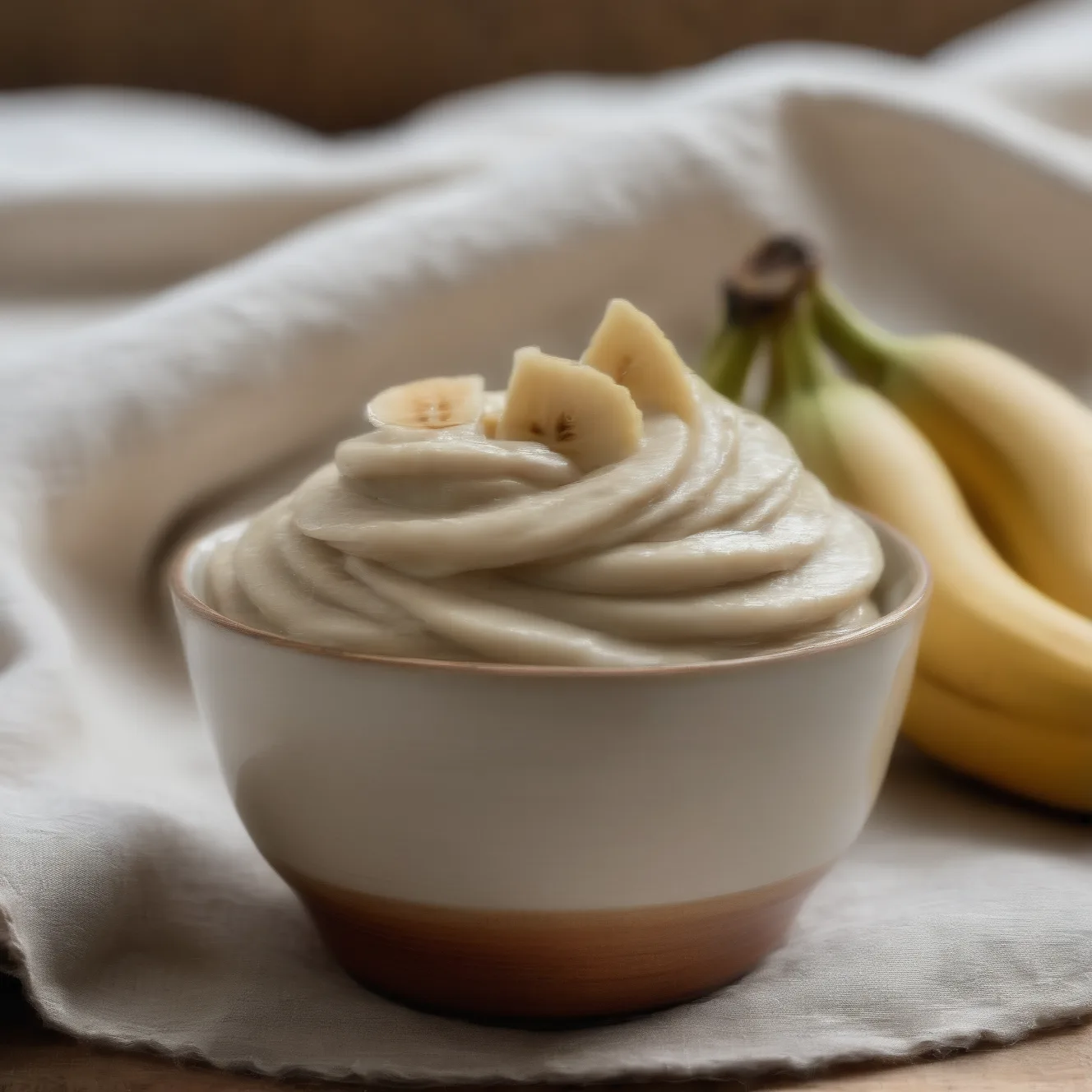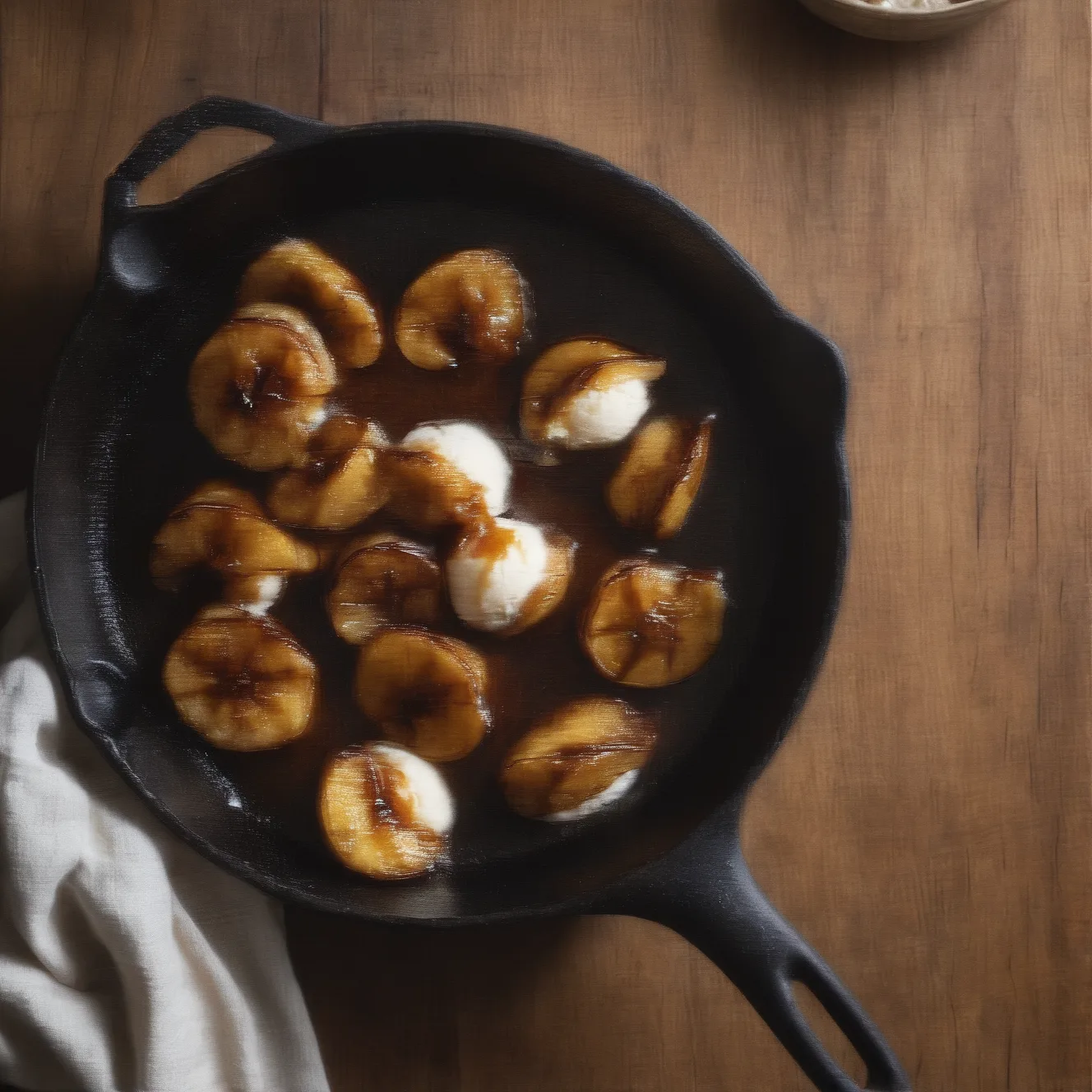
Caramelized bananas are a five-minute dessert that punches well above their weight: butter, brown sugar, and heat transform an ordinary banana into something glossy, richly caramelized, and unexpectedly restaurant-quality. The sizzle videos took over TikTok because the result looks like it belongs on a dessert menu — and the technique is genuinely foolproof if you use the right banana and don’t touch it while it cooks.
TL;DR
Ripe-but-firm banana (yellow, a few spots), sliced ¼-inch thick. Melt butter + brown sugar in a medium-heat skillet. Arrange slices in a single layer, don’t stir, cook 2 minutes per side. Serve immediately over ice cream. The two things that ruin it: overripe bananas (turn mushy) and too-high heat (burns the sugar before the banana warms through).
The Bananas Foster Connection
This dish has a more distinguished origin than most TikTok recipes. It’s a direct home simplification of Bananas Foster, invented at Brennan’s restaurant in New Orleans in 1951.
Chef Paul Blangé created the original dish for Richard Foster — chairman of the New Orleans Crime Commission and a close friend of restaurateur Owen Brennan. The original formula: bananas sautéed in butter, brown sugar, cinnamon, banana liqueur, and dark rum, then flambéed tableside and served over vanilla ice cream. Brennan’s still serves it.
The TikTok version is the same technique at home: butter + brown sugar + banana + heat. No tableside theater, no specialty liqueur, four ingredients. The flambé is optional but achievable (see below).
Which Banana to Use
Ripeness is the variable most recipes skip over, and it’s the most consequential.
Ripe but firm (the target): Yellow bananas with a few small brown spots. At this stage, the starches have largely converted to simple sugars — primarily fructose and glucose — giving the banana sweetness and caramelization potential. The cell walls are still intact, so the slices hold their shape through cooking and flipping.
Too green: The banana is starchy rather than sweet, caramelizes poorly, and has a waxy texture in the pan. The result tastes more like a cooked vegetable than a dessert.
Too ripe (heavily brown, soft): The cell walls have already broken down. The banana will caramelize on the outside but collapse into mush before you can flip it. This is actually ideal for banana bread or banana nice cream — but not for pan caramelization.
If you only have underripe bananas, leave them on the counter for 24–48 hours. A cold banana from the refrigerator (even a ripe one) should come to room temperature before cooking.
The Caramelization Science
The transformation in the pan involves two overlapping processes:
Caramelization begins when sugar molecules are heated above their melting point — around 320°F for sucrose. Brown sugar is mostly sucrose (~88%+) with a molasses coating; it caramelizes at roughly the same temperature as white sugar, but the molasses contains trace minerals and acids that accelerate browning, so it appears to caramelize slightly faster and darker than white sugar at the same heat. This is why brown sugar is the better choice here: you get richer color and depth at medium heat without needing to push the temperature higher.
The Maillard reaction (browning from protein-sugar interaction) plays a minor role in bananas since they contain very little protein. The dominant chemistry is caramelization.
As the banana surface heats, the banana’s own natural sugars also contribute to browning — ripe bananas have enough fructose and glucose on their surface to caramelize on their own, which is why a very ripe banana can caramelize in a dry pan with no added sugar at all.
Pan Choice and Heat
Non-stick (more forgiving): Even heating, easy release, minimal risk of sticking even if timing drifts. The limitation: non-stick pans have a maximum safe temperature around 400–450°F — above this the coating degrades. For caramelized bananas over medium heat, this isn’t an issue, and the gentler heat makes it a better choice for beginners.
Cast iron (more caramelization): Cast iron holds heat far better than non-stick, meaning it stays hotter when the banana hits the pan. This gives a darker, more aggressive caramelization on the banana surface. The tradeoff: less margin for error — if your medium heat runs hot, the sugar can burn before the banana cooks through.
In both cases, medium heat is the key. High heat caramelizes the outside while leaving the center cold and starchy. Low heat cooks the banana through but produces pale, anemic caramelization. Medium — when the butter foams gently but doesn’t brown immediately — is the target.
The Rum Flambé (How to Do It Safely)
The flambéed version is Bananas Foster at home. Done correctly, it’s a 15-second flame that burns off the alcohol and leaves behind a deeper, slightly smoky rum flavor in the caramel sauce.
What you need: Dark rum, at least 80 proof (40% alcohol). For reliable ignition without pre-heating, 115+ proof (57.5% ABV) works best — this is why Bacardi 151 is the traditional choice for Bananas Foster in restaurants. Standard 80-proof dark rum (Captain Morgan, Bacardi Gold, Myers’s Dark) will also work if the pan and sauce are hot when you add it; the vapors need to reach ignition temperature to catch.
The technique:
- Remove the pan from the heat source before adding rum. Never pour alcohol onto an open flame.
- Add 1–2 tablespoons dark rum directly to the pan.
- For a gas stove, return the pan to the burner and tilt it slightly so the edge approaches the flame — the vapors will ignite. For an electric stove, use a long kitchen lighter held at the rim of the pan.
- The flame will be low and blue, not dramatic. It self-extinguishes in 10–15 seconds as the alcohol burns off.
- Keep a lid nearby as a smothering tool if needed.
What the flambé does: It burns off the ethanol (alcohol), leaving the congeners — the complex flavor compounds in rum — behind in the caramel sauce. The result is a deeper, more complex caramel that tastes like more than butter and sugar.
Variations
Bananas Foster (full version): Add ¼ teaspoon cinnamon and a pinch of nutmeg with the brown sugar. Use dark rum for the flambé. Serve over vanilla ice cream with a tablespoon of the pan sauce drizzled over the top.
Brown butter caramelized bananas: Before adding sugar, cook the butter until the milk solids turn golden and it smells nutty (brown butter). Add the sugar and proceed. The toasted butter flavor adds another layer of complexity.
Bourbon-brown sugar bananas: Substitute bourbon for rum in the flambé step. Bourbon’s vanilla and oak notes complement caramelized banana particularly well — this is the dessert version of bananas foster made with American whiskey.
Spiced honey glaze: Replace the brown sugar with 2 tablespoons honey + ¼ teaspoon cinnamon + a pinch of cardamom. The honey caramelizes more quickly than sugar, so use lower heat and watch it closely.
Banana split base: Caramelize sliced bananas, split them lengthwise instead of into rounds, and layer in a bowl with three scoops of different ice cream flavors. The caramel sauce from the pan is the banana split sauce.
Serving Ideas
Over vanilla ice cream: The classic. The hot caramel from the pan melts into the ice cream and creates a sauce; the temperature contrast between hot banana and cold ice cream is the point.
Over IHOP-style buttermilk pancakes: The caramelized banana replaces maple syrup. The butter and sugar in the caramel sauce seep into the pancake surface — no other topping needed.
On French toast: Same logic as pancakes, but the custard base of French toast pairs especially well with the caramel.
Over Waffle House waffles: The crisp waffle pockets hold the caramel sauce well.
With Greek yogurt (lighter version): Serve the caramelized bananas over a cup of full-fat Greek yogurt instead of ice cream. The tartness of the yogurt cuts the sweetness of the caramel — surprisingly good as a breakfast or snack with real dessert flavor.
In oatmeal: Spoon the pan contents directly into a bowl of plain oatmeal. The caramel from the pan becomes the oatmeal sauce. Better than anything you’d get from a packet.
Cost Comparison
| Restaurant dessert | At home | |
|---|---|---|
| Caramelized banana dessert | $10–14 (Bananas Foster) | $0.80–1.20 total |
| Per serving | $10–14 | $0.40–0.60 |
The banana is under $0.25, the butter is cents, and brown sugar costs almost nothing at the quantities used. This is one of the cheapest desserts per serving of anything on the site.
For more banana desserts, one-ingredient banana ice cream covers the frozen blended version (same ripe banana, completely different technique). For a brunch application, IHOP buttermilk pancakes make the best base for serving caramelized bananas over a stack.